Key features that define the best smart lights with scheduling
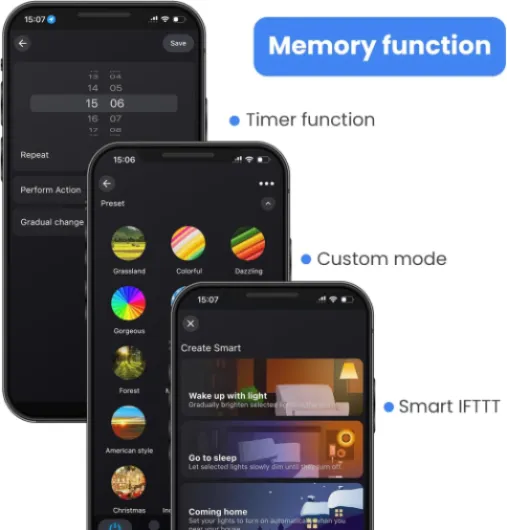
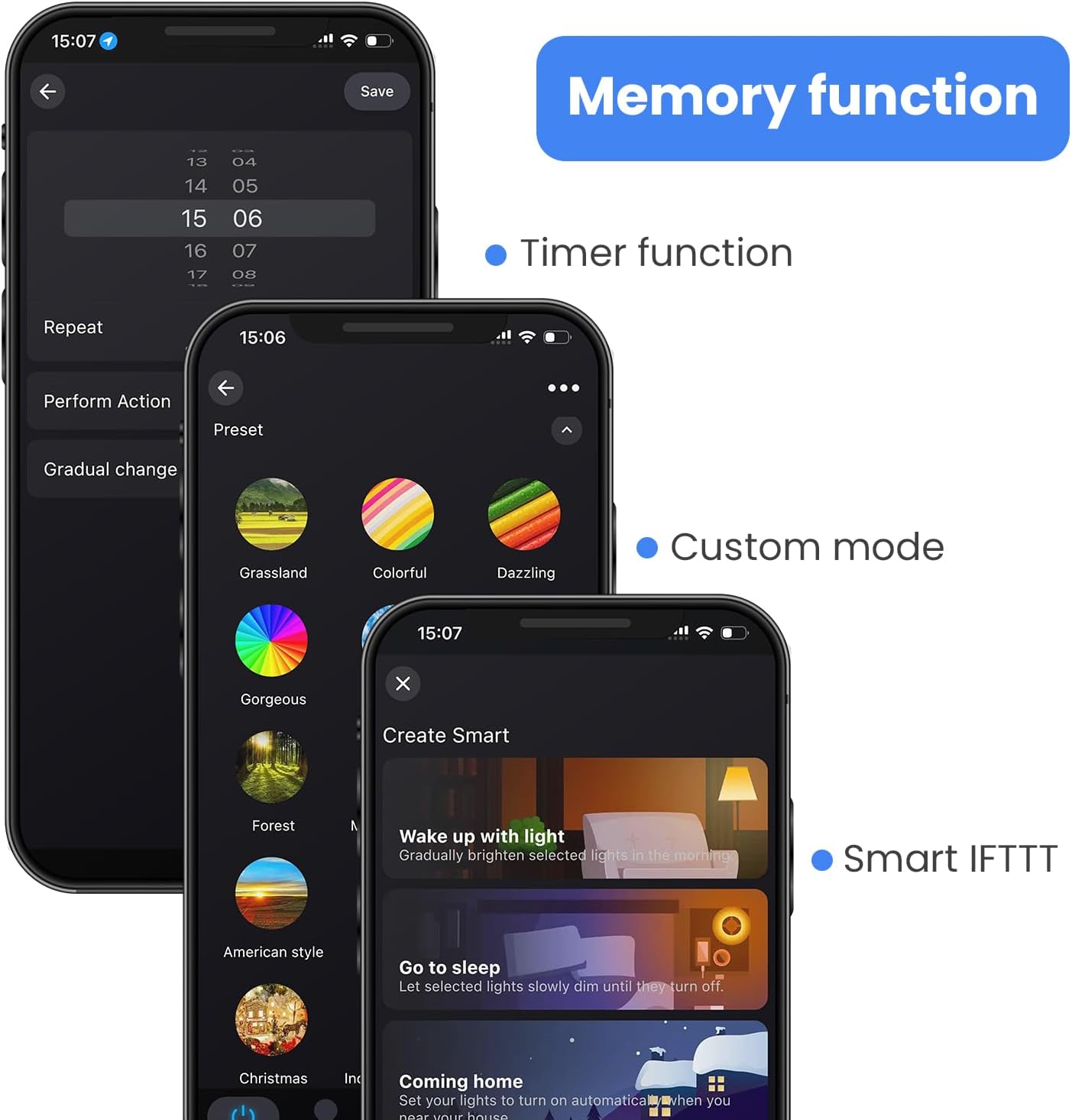
Several concrete features separate the best smart lights with scheduling from basic connected bulbs. First, every serious smart light system needs robust app design, because poor software ruins even the best hardware. Look for apps that let you group smart bulbs, copy schedules between rooms, set sunrise or sunset based routines and adjust color temperature with a simple slider.
Second, check voice control and ecosystem support, since compatibility shapes how you actually use each smart bulb or LED bulb. Products that clearly state “Works with Alexa”, “Works with Google Assistant” and “Works with Apple HomeKit” on the box give you flexibility if you change phones or speakers later. These labels usually indicate that the smart bulbs and smart lights integrate cleanly with major platforms and support hands free commands for dimming, color changes and scenes.
Third, examine lighting performance, including maximum brightness, dimming range and color accuracy for any color LED or white LED smart bulb. A high quality smart LED bulb should maintain stable lighting at low brightness without flicker, and color options should look natural rather than cartoonish. When you compare packs, avoid choosing an Amazon pack or Meross pack only by price, because the best smart options balance cost, reliability and lighting quality with useful metrics such as lumens, color rendering index (CRI 80+ or higher) and a color temperature range of roughly 2200–6500 K.
Comparing leading brands: Philips Hue, Meross and budget led smart options
Philips Hue remains the reference for premium smart lights with scheduling and advanced scenes. The Hue ecosystem offers smart bulb and smart bulbs in E27, GU10 and light strip formats, all managed through a polished app and optional Hue Bridge hub. Its color LED models deliver rich color and precise color temperature control, typically from warm 2000 K to cool 6500 K, which matters if you care about accurate lighting for reading or work.
Meross smart bulbs and LED smart plugs target buyers who want reliable control without paying Hue prices. A typical Meross smart bulb connects directly to 2.4 GHz Wi‑Fi, supports scheduling through the Meross app and works with Amazon Alexa and Google Assistant without a separate hub. Many Meross light bulbs also offer Apple support via HomeKit, giving iPhone users secure control and automation through the Apple Home app while keeping installation simple.
Budget LED bulb and light bulb packs sold as an Amazon pack can still be part of the best smart setup if you choose carefully. Look for clear statements that the smart light or smart lights support Alexa and Google Assistant and that firmware updates are provided regularly. When possible, choose models that reviewers have tested for at least several months, because long term stability and consistent brightness matter more than flashy marketing about music syncing or party modes.
Scheduling, scenes and routines: how control works in daily life
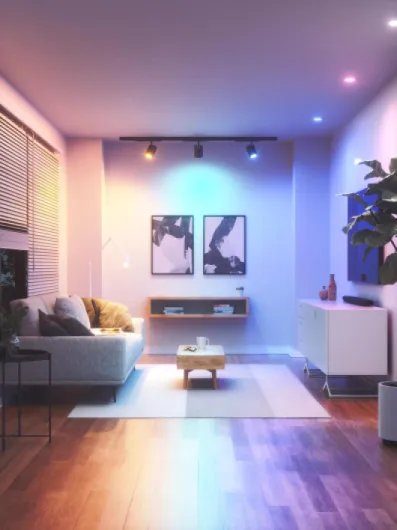
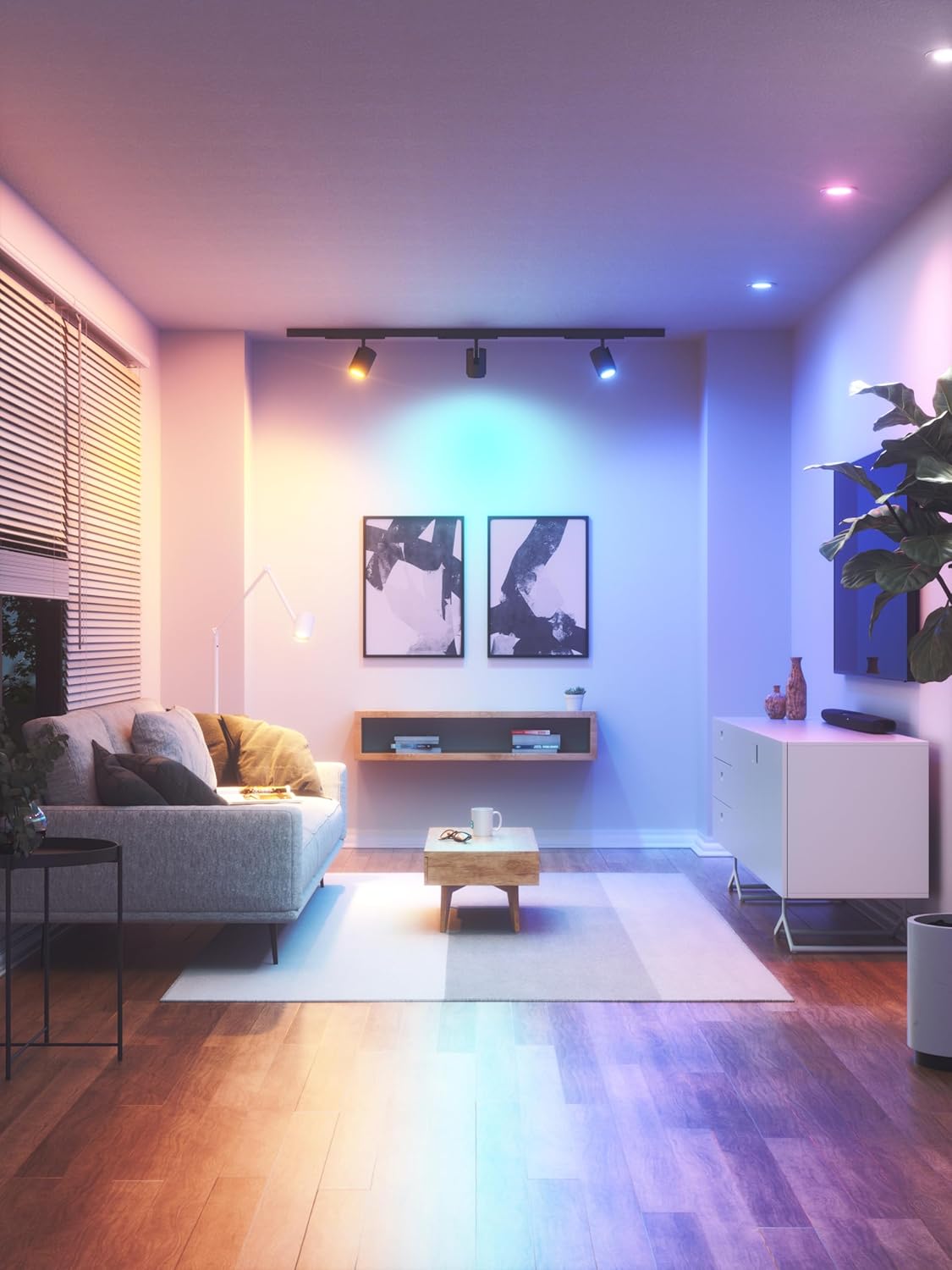
Once your smart bulbs are installed, scheduling and scenes transform how each room feels. In a living room, you might program smart lights to switch from a cool color temperature of around 4000 K in the afternoon to a warm, dimmed scene near 2200–2700 K for evening films. Bedroom lighting can follow a different pattern, with a single smart bulb gradually brightening before your alarm and another light bulb turning off automatically when you leave for work.
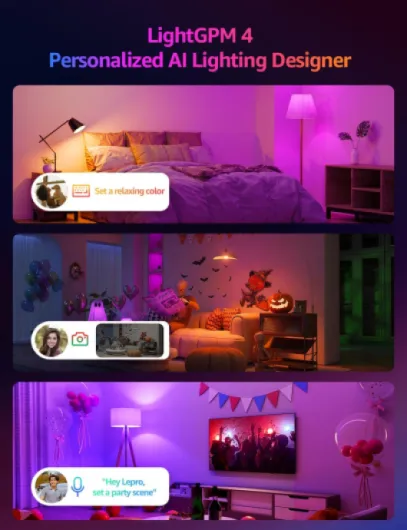
Voice control through Amazon Alexa, Google Assistant or Siri adds a natural layer on top of app based control. Saying “dim the lights to 30 percent” or “set the kitchen light to warm white” is faster than hunting through menus, especially when your hands are busy. When a system offers certified support for Alexa and Google Assistant, you can mix speakers from different brands without losing control of your smart LED bulbs or needing separate apps for each device.
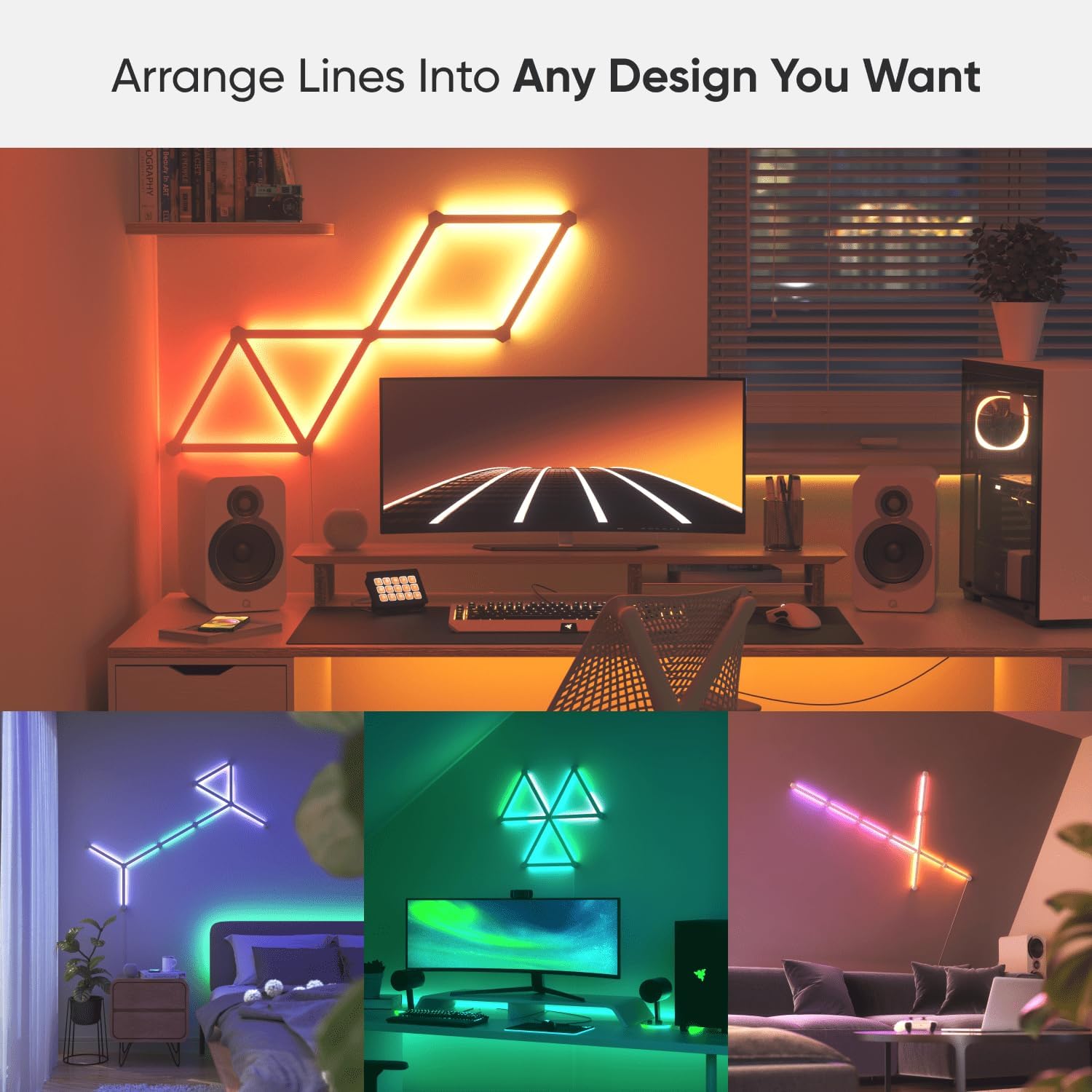
Some ecosystems go further with music syncing, where color LED strips and smart bulbs change color in time with songs or films. While music syncing is not essential for everyone, it shows how flexible LED smart lighting can be when schedules, scenes and real time effects combine. The best smart setups let you keep these playful options while still relying on rock solid schedules for everyday tasks like waking, working and sleeping.
Practical buying guide: choosing the right smart bulb or pack
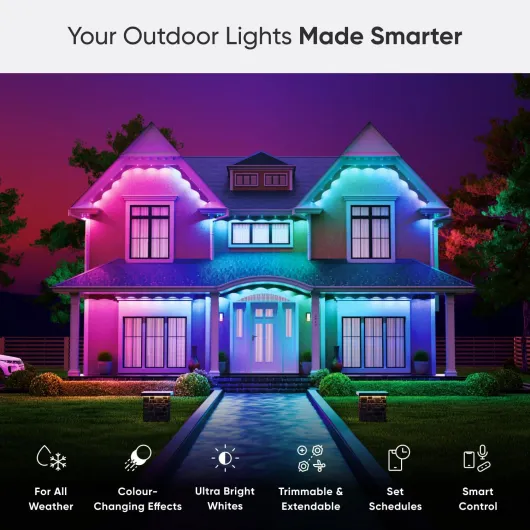
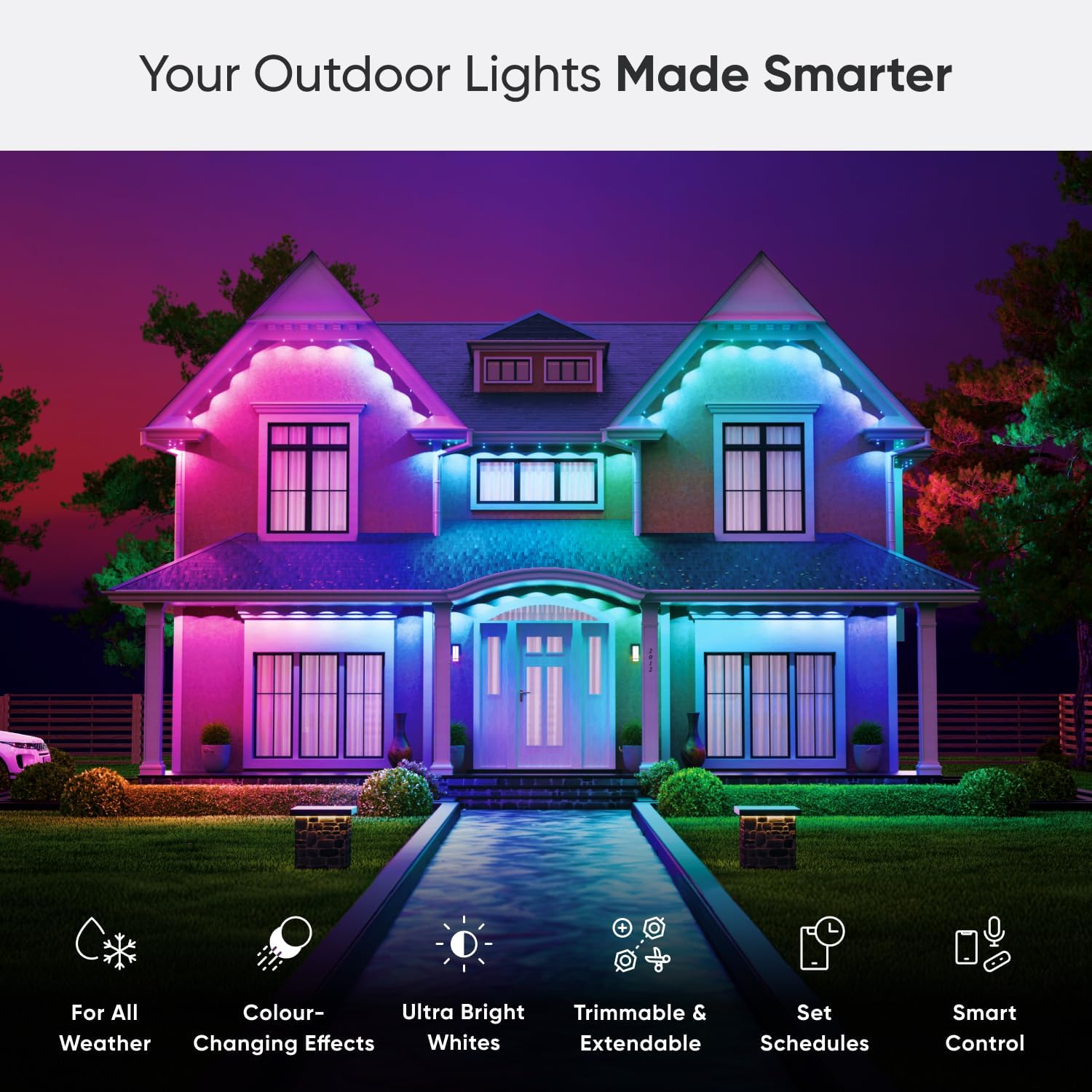
Start by listing which rooms truly need smart lights with scheduling rather than upgrading every light bulb at once. High impact spaces usually include the hallway, bedroom, living room and exterior lighting near entrances. In these areas, a smart light or smart bulbs can improve both comfort and security by simulating presence when you are away.
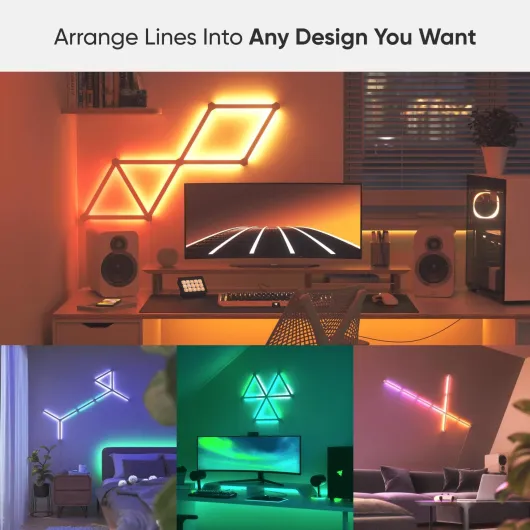
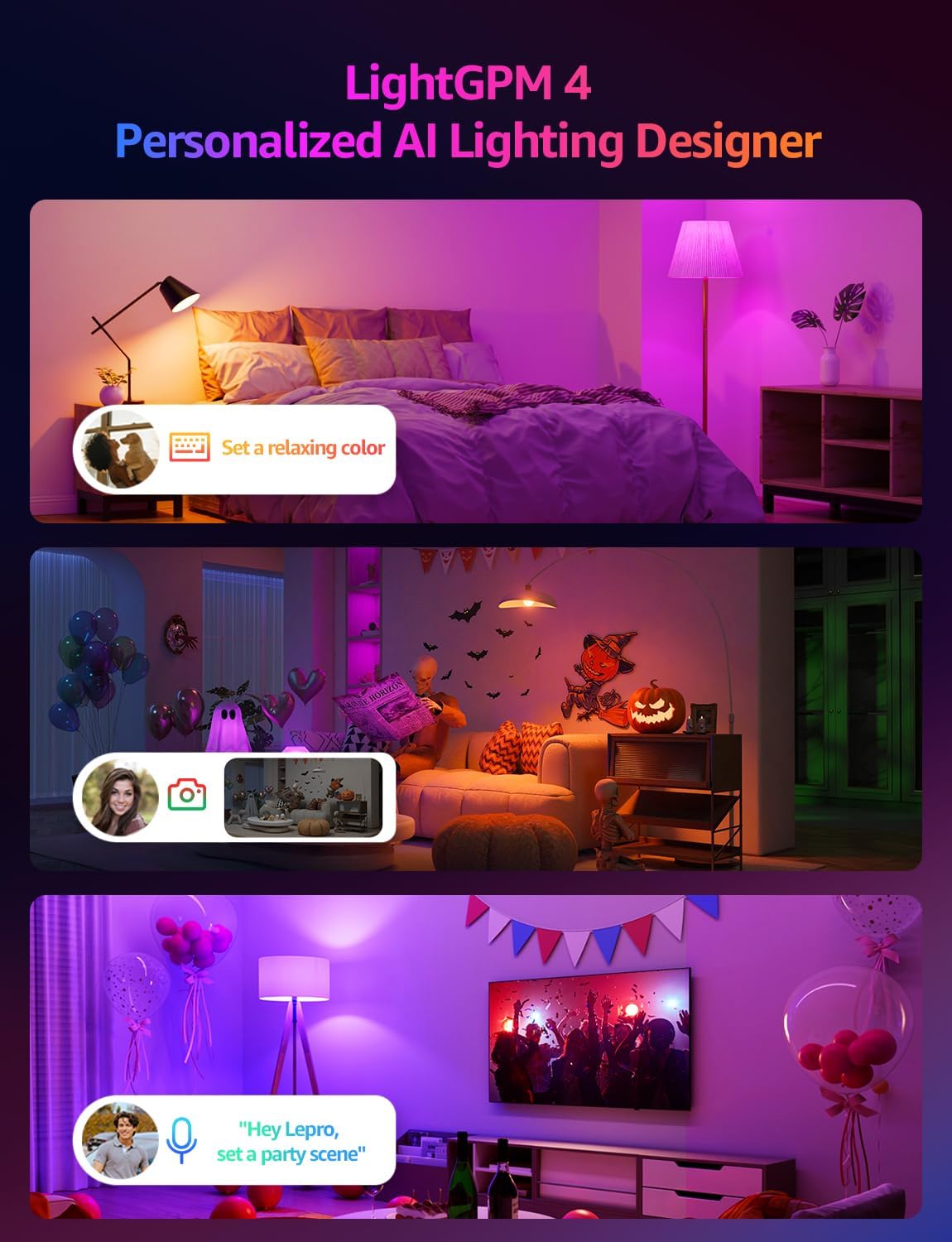
Next, decide between white only LED bulb models and full color LED versions, because this choice affects both price and experience. White smart bulbs with adjustable color temperature often cost less while still delivering excellent daily lighting for work and relaxation. Full color smart LED bulbs and strips justify their higher cost if you enjoy mood lighting, music syncing or themed scenes for events such as parties, gaming nights or seasonal decorations.
Finally, compare individual bulbs against multi unit packs, since an Amazon pack or Meross pack can reduce the cost per smart bulb significantly. Check whether each pack includes the same brightness rating in lumens and the same fitting type, so your lighting remains consistent across a room. When you evaluate options, focus on long term software support, clear “works with” compatibility labels for Amazon Alexa and Google Assistant, and whether independent reviewers have tested the products under real home conditions.
Installation, energy use and long term reliability of smart lights
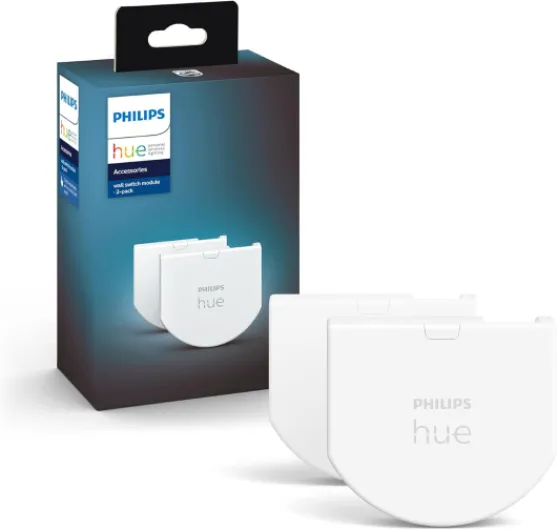
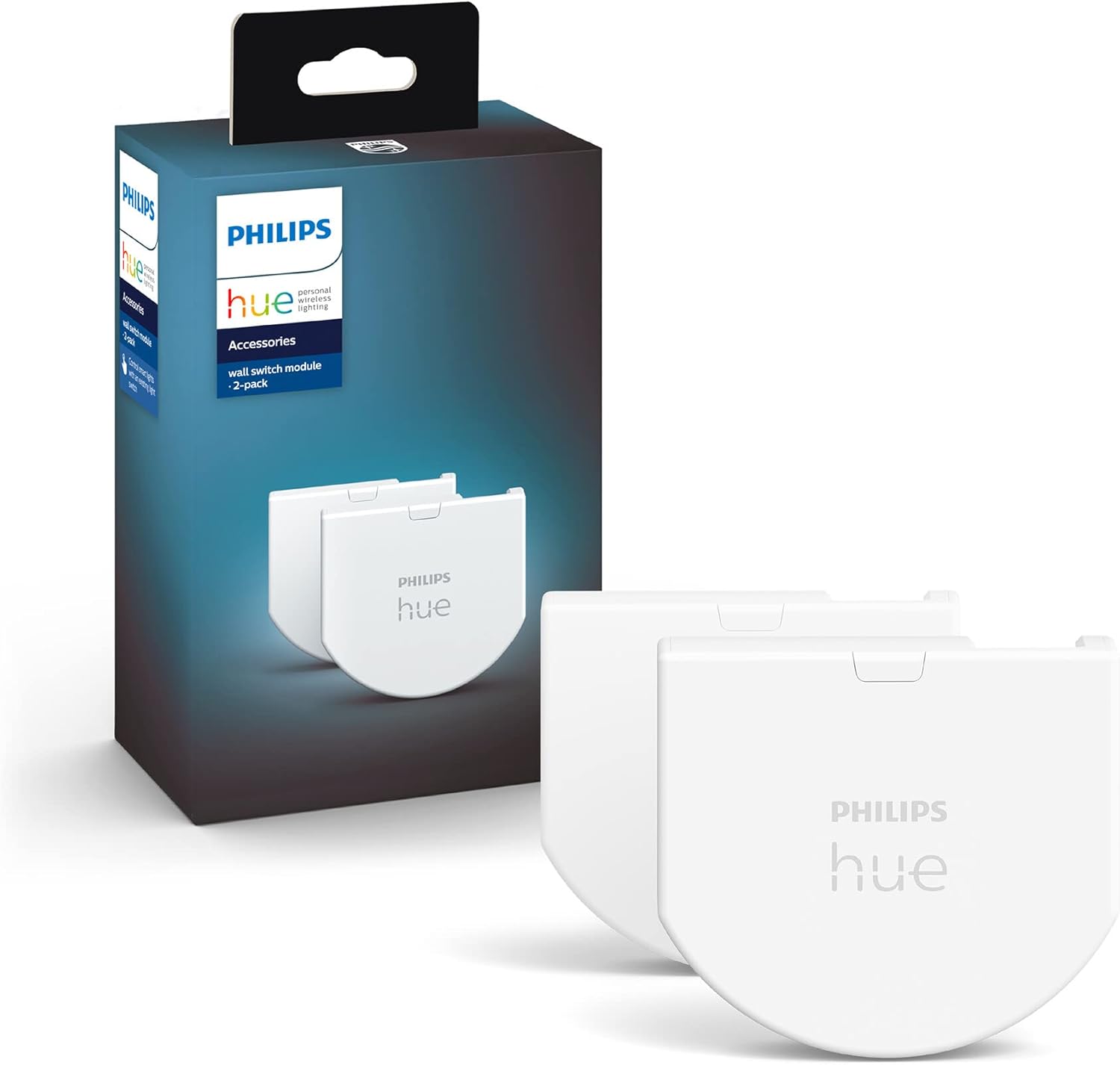
Installing most smart bulbs is as simple as replacing a standard light bulb and following pairing steps in the app. Keep existing wall switches in the “on” position, because cutting power at the switch disconnects the smart light from your network. If you want physical control without losing connectivity, consider smart switches that are designed to work with smart lights and LED smart systems.
Energy consumption for a typical LED bulb in a smart system remains far lower than for older incandescent lighting. A 9 watt smart LED bulb can often replace a 60 watt incandescent light bulb while delivering similar brightness of roughly 800 lumens. When you combine this efficiency with scheduling that turns lights off automatically, the best smart setups can reduce wasted energy across your home.
Long term reliability depends on both hardware quality and ongoing software support from brands such as Philips Hue, Meross and other manufacturers sold on Amazon. Regular firmware updates improve security, fix bugs in app control and maintain compatibility with Amazon Alexa, Google Assistant and Apple support. Before you commit to a full house of smart bulbs and light bulbs, check how long the brand has been active and whether users report stable performance after years of daily use.
Key figures about smart lights and scheduling
- According to major lighting manufacturers and energy agencies, modern LED smart bulbs typically use around 80 percent less electricity than equivalent incandescent bulbs, which can significantly reduce household lighting costs over time.
- Industry surveys show that a large share of smart light users enable at least one daily schedule, such as morning wake up or evening wind down, indicating that automation is a primary reason people adopt smart bulbs.
- Market analyses report that smart lighting systems with strong support for Amazon Alexa, Google Assistant and Apple ecosystems account for a majority of sales, highlighting the importance of broad “works with” compatibility.
- Studies on residential security suggest that scheduled smart lights which simulate occupancy can help deter opportunistic intrusions, especially when combined with other visible security measures.
References
- Philips Hue product documentation and technical specifications
- Meross smart lighting product information
- Energy efficiency data from major European and international lighting agencies