Key features that define the best RGB smart lights
To evaluate the best RGB smart lights, look beyond marketing claims and focus on concrete features. Native support for Amazon Alexa, Google Assistant, and Apple Home is essential if you want voice control that feels seamless. When a smart bulb responds to “alexa, turn the lights blue” without delay, it shows that both the app and the wireless protocol are well designed.
Compatibility with Amazon Alexa and Alexa Google ecosystems matters because many households mix devices from different brands. A versatile smart light bulb should also work with Apple Home and, ideally, the new Matter standard for cross platform control. Matter support helps ensure that smart bulbs, light bulbs, and LED smart strips from different manufacturers can share scenes, schedules, and automations.
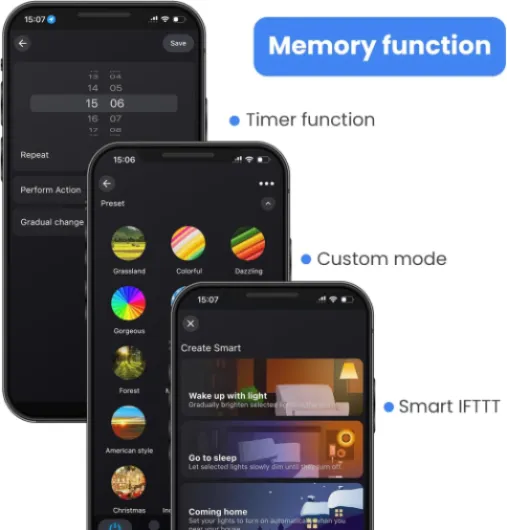
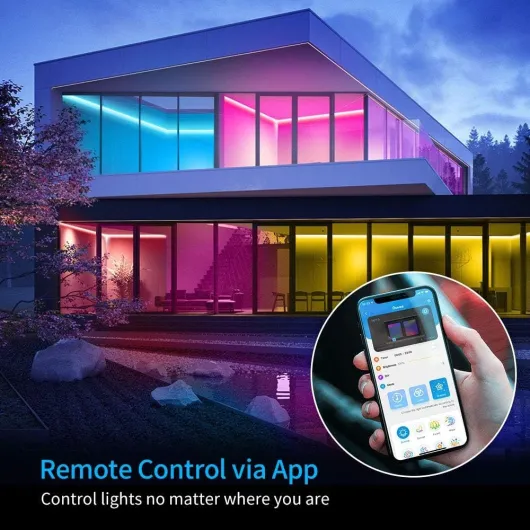
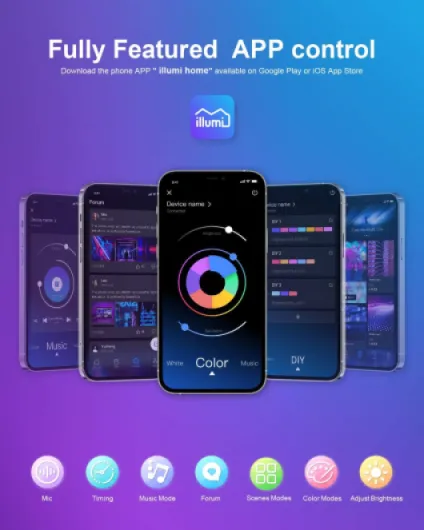
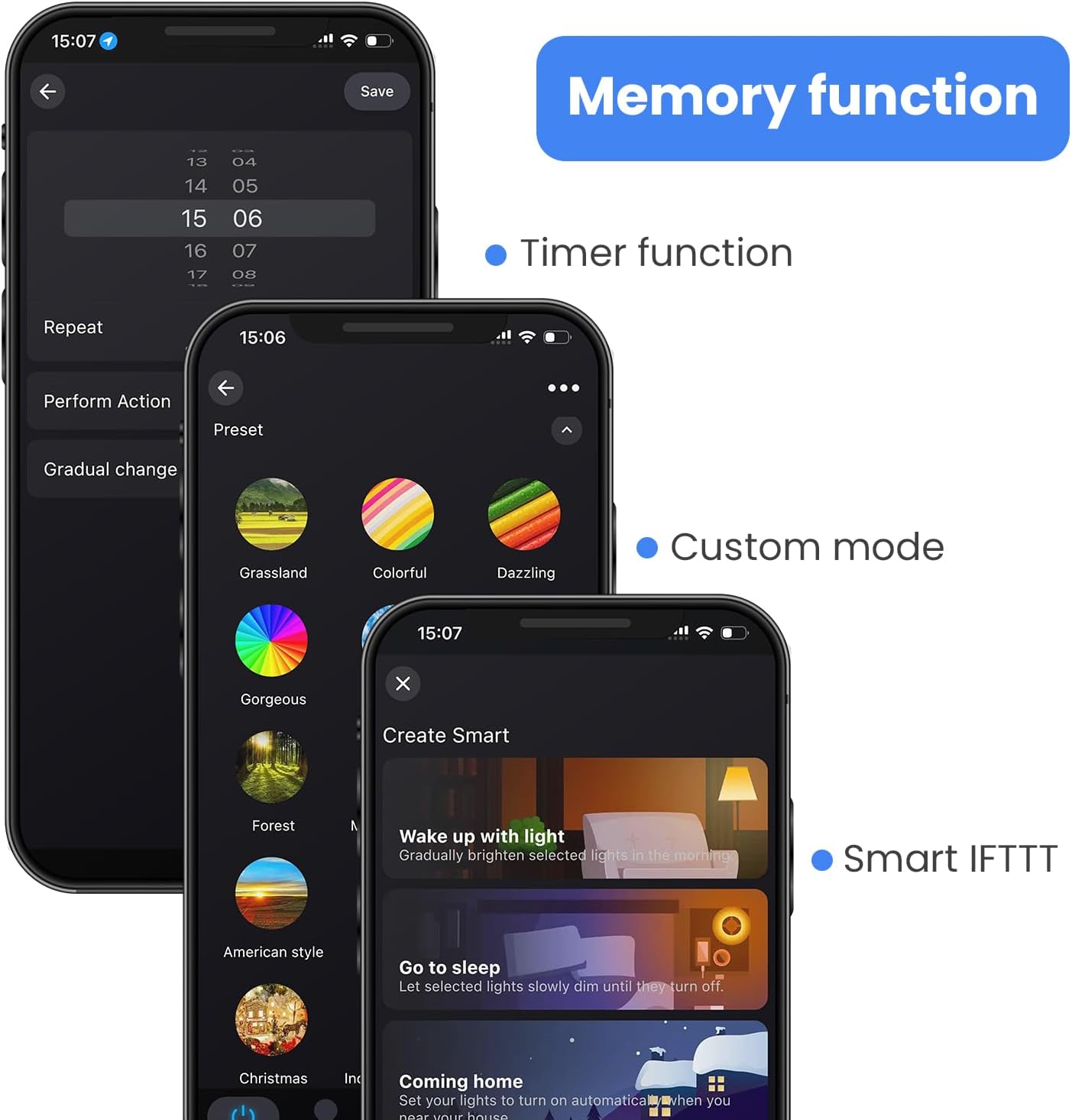
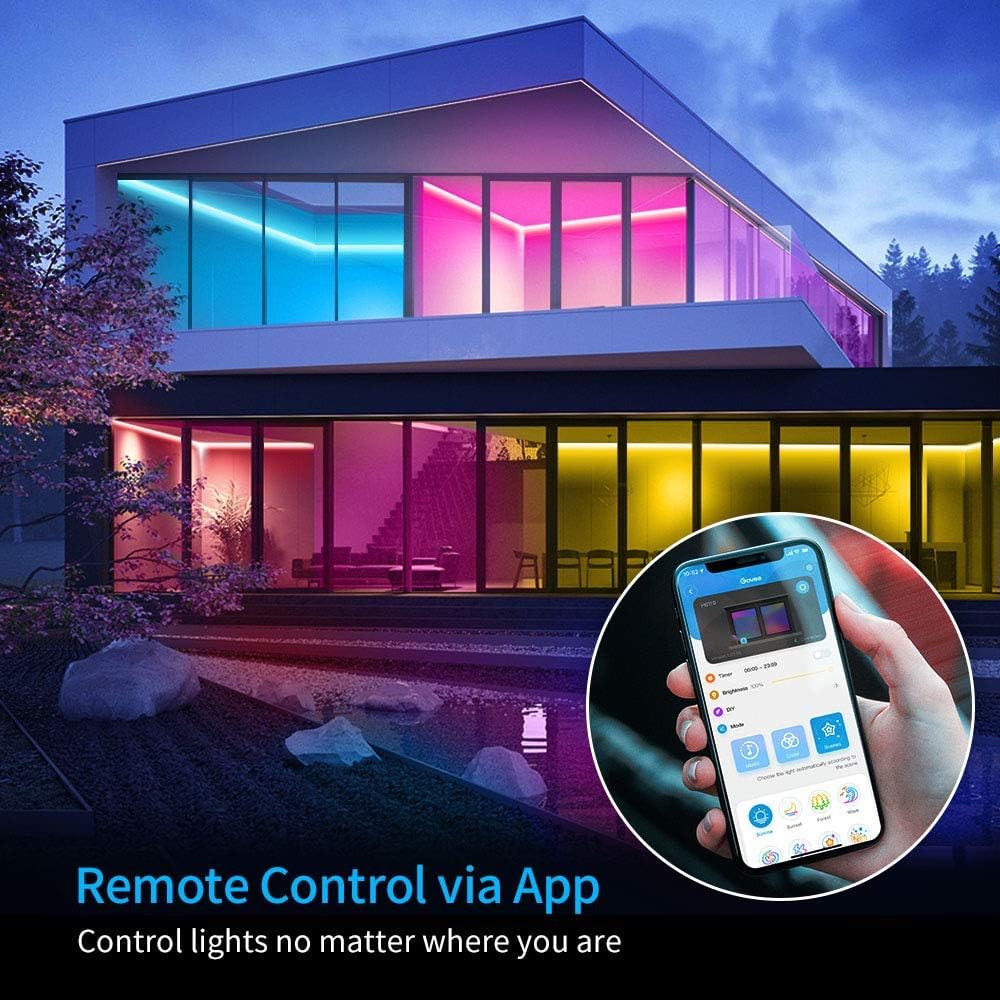
Another crucial factor is the quality of the app used to control your smart LED lighting. A refined app makes it easy to adjust color temperature, set white color presets, and fine tune each light color in a room. Look for options to create groups of smart bulbs, schedule wake up scenes, and manage a whole pack of LED bulb products without lag or confusing menus.
Comparing bulbs, strips, and packs for different rooms
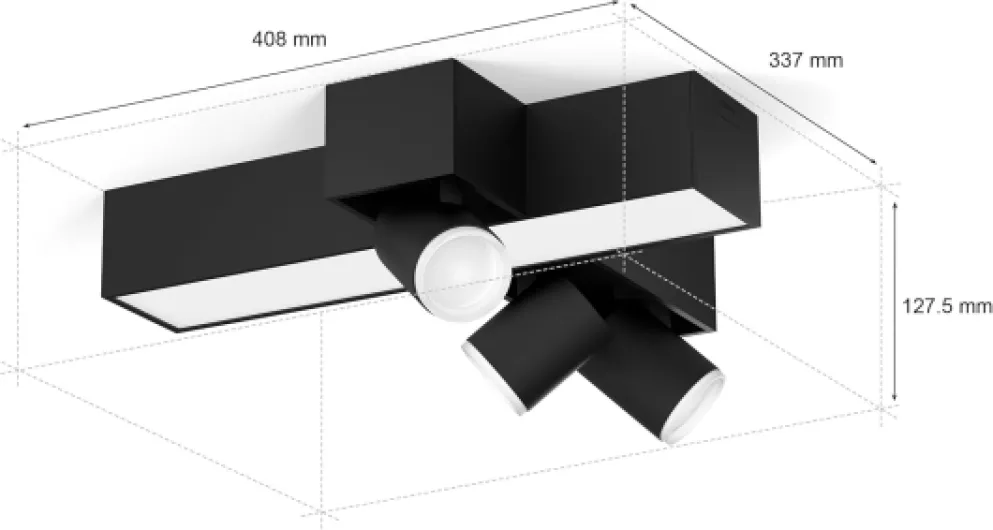
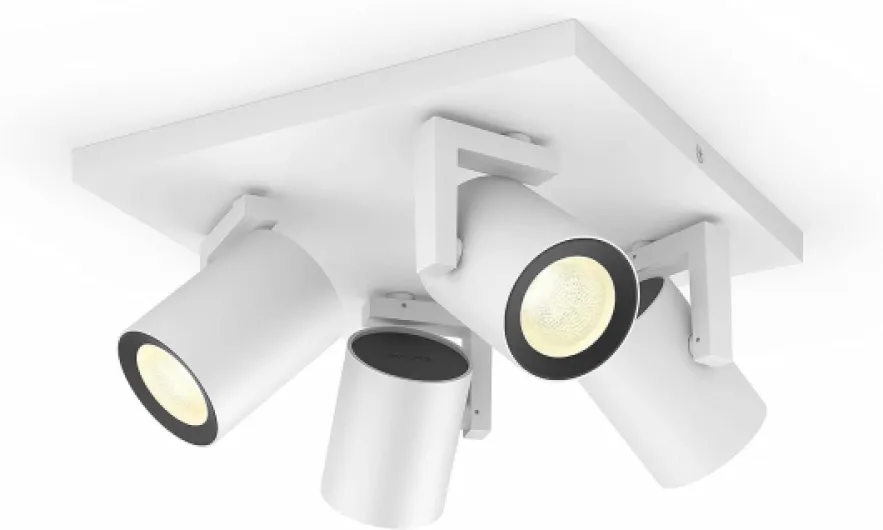
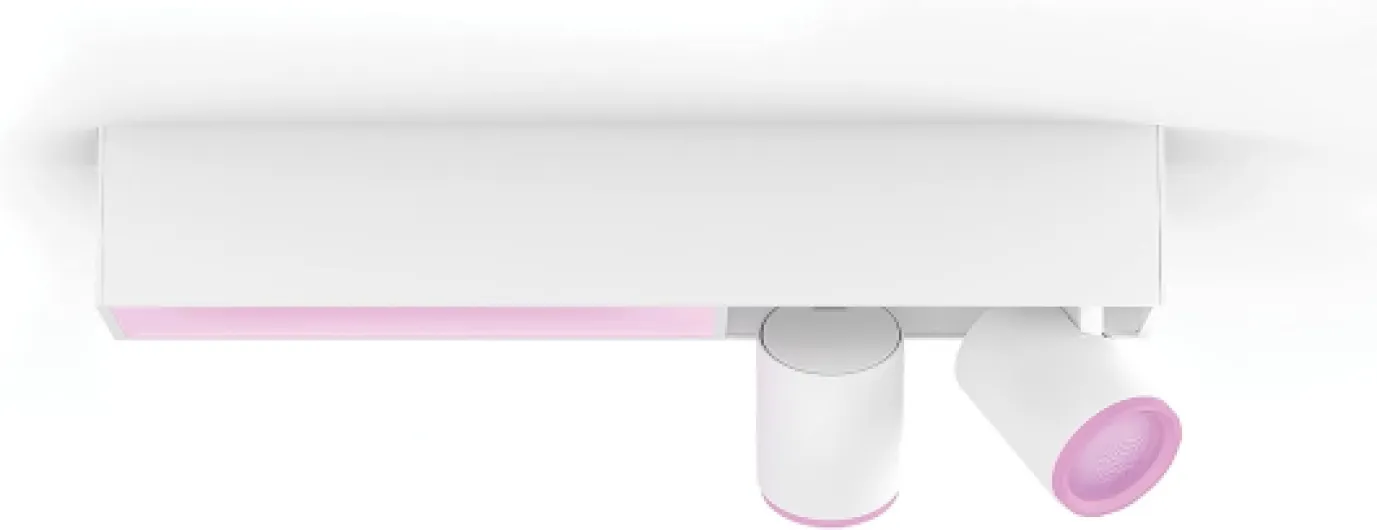
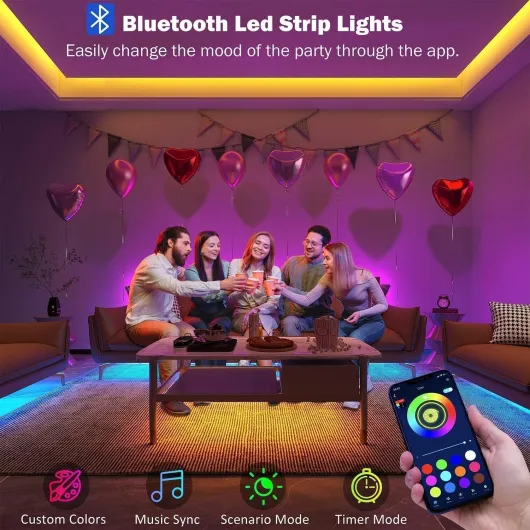
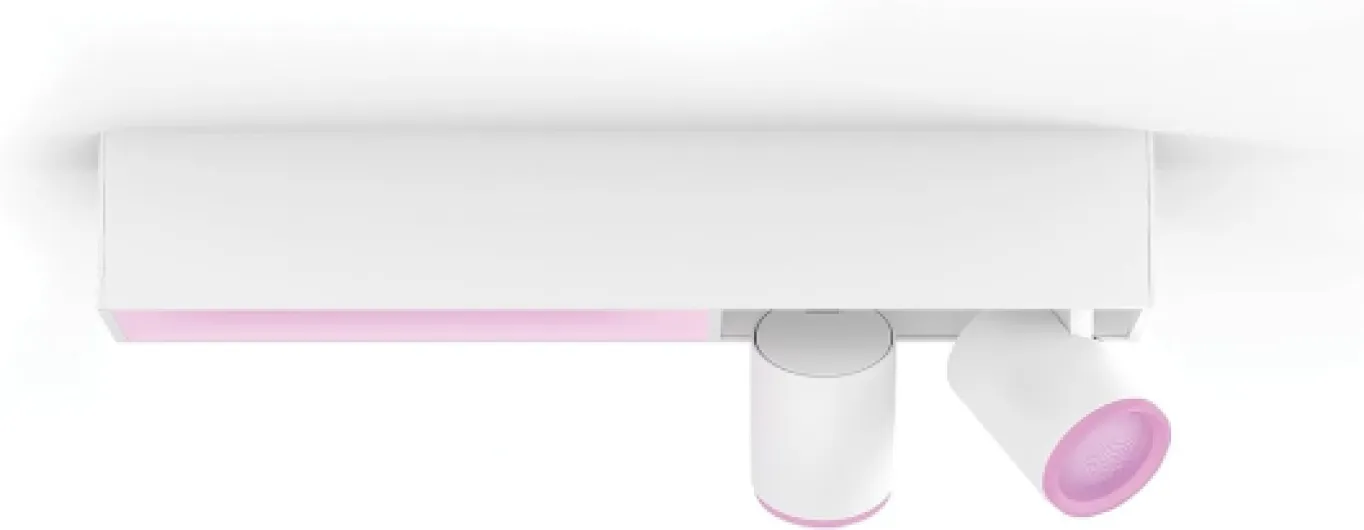
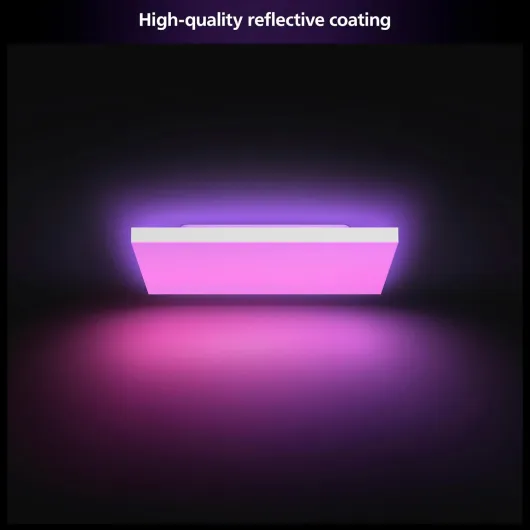
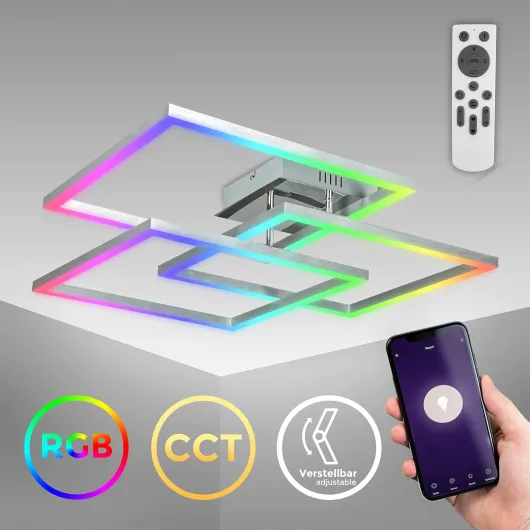
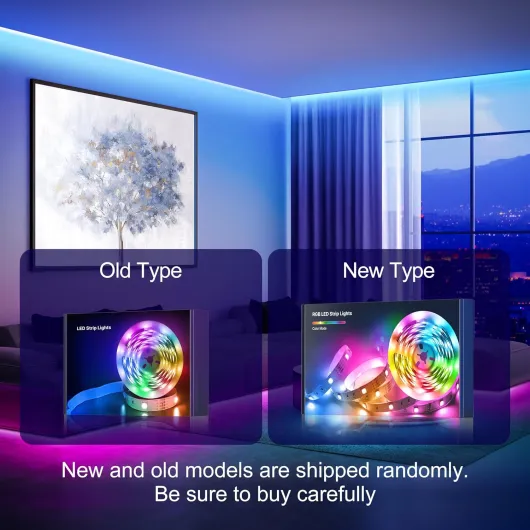
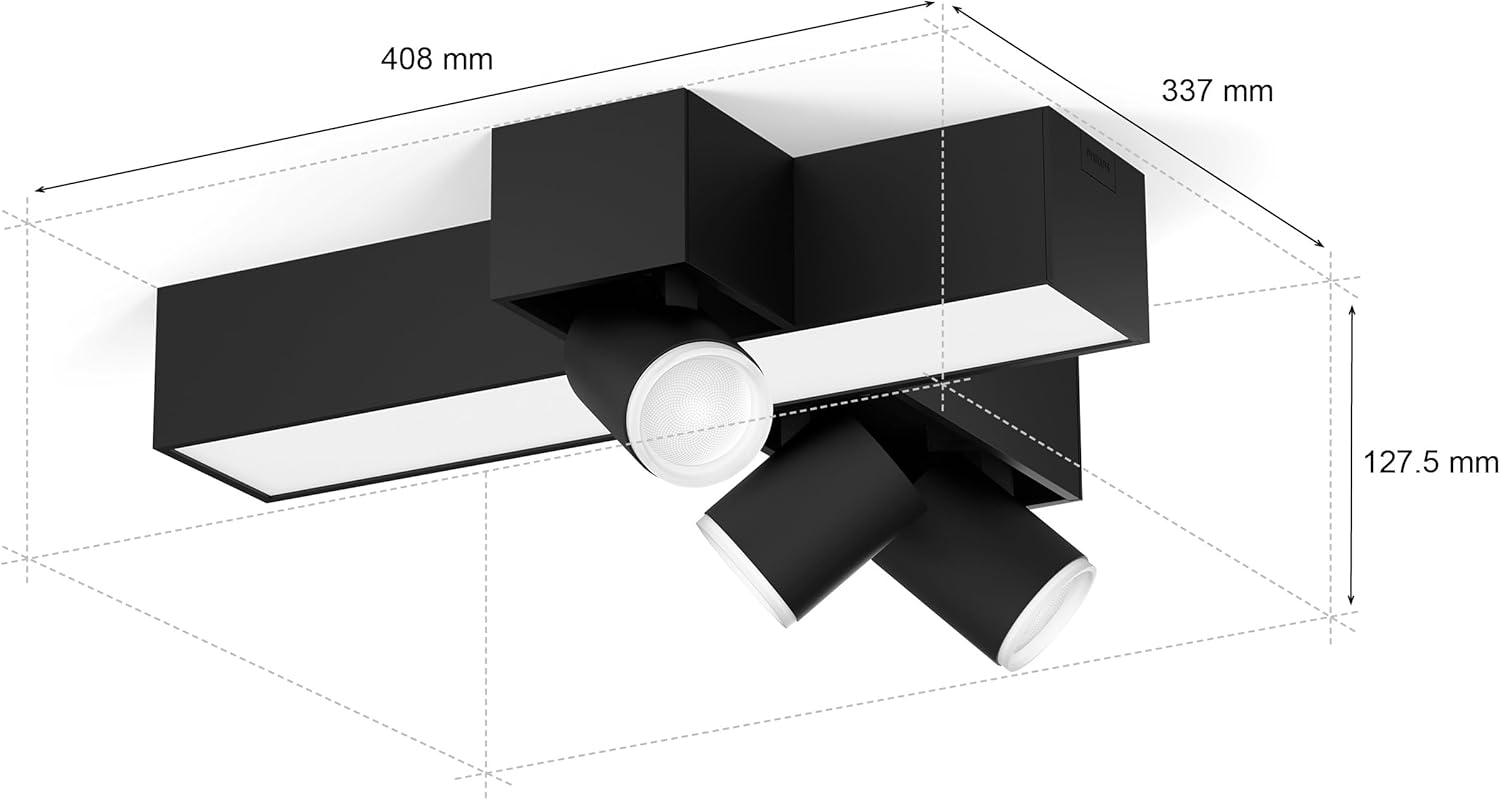
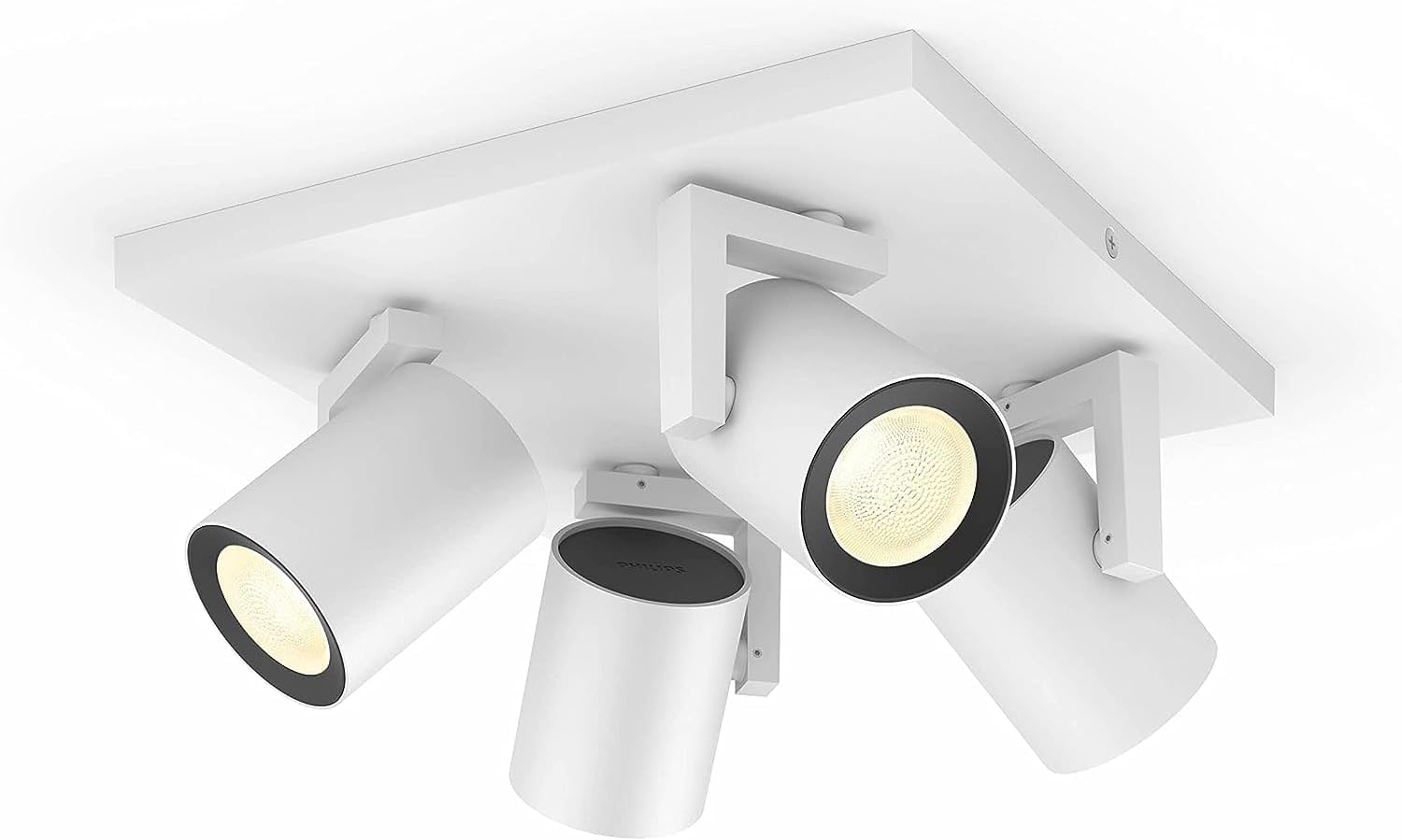
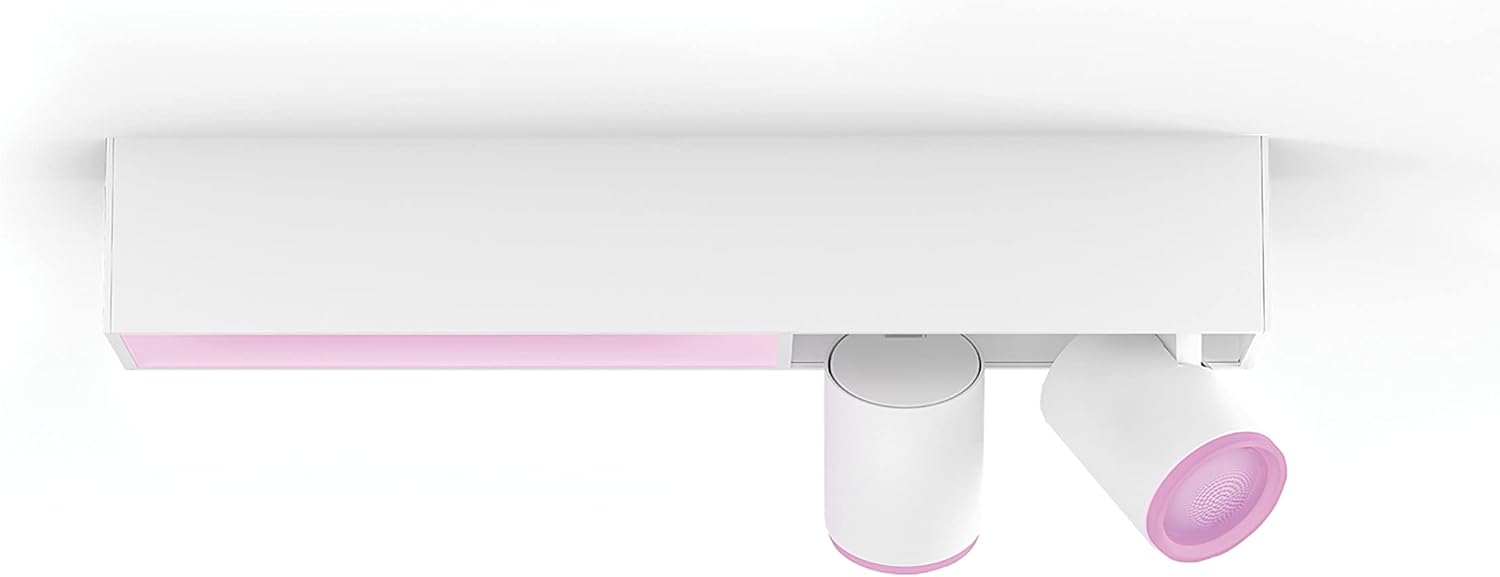
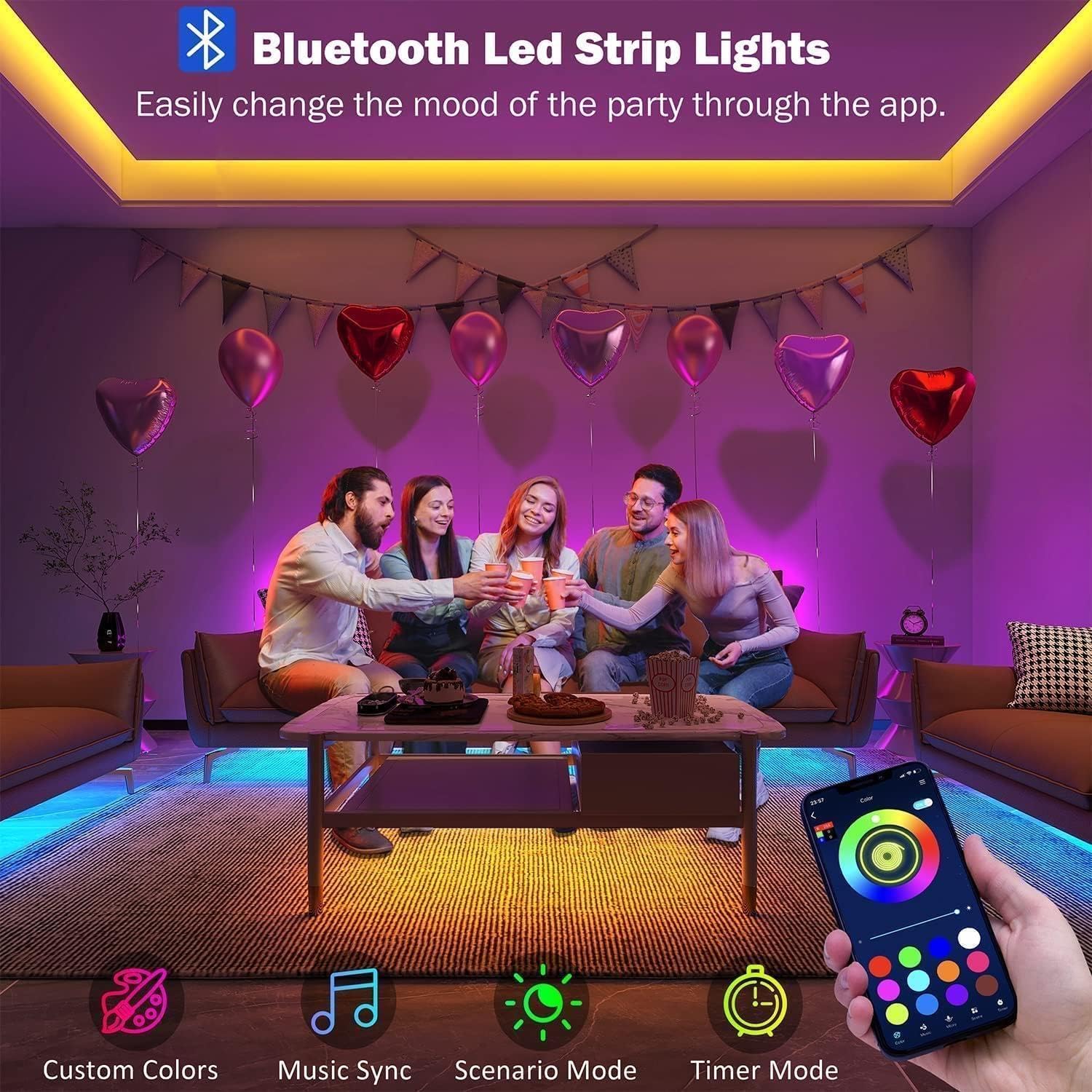
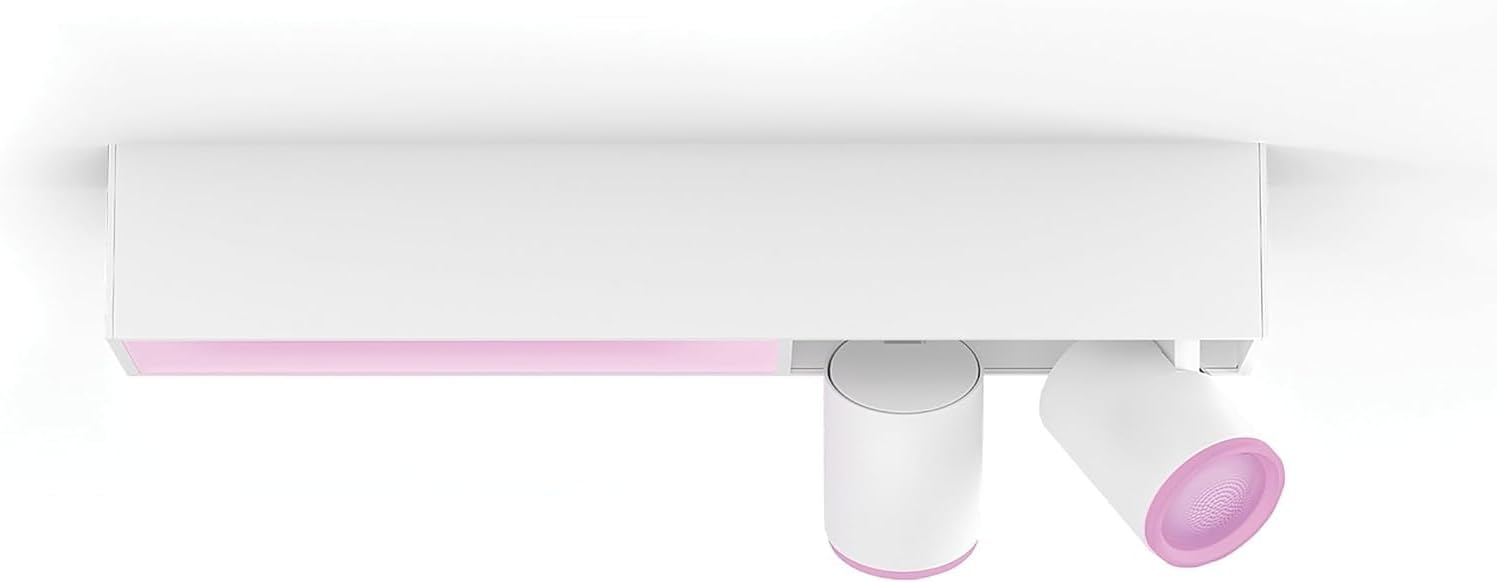
Choosing the best RGB smart lights means matching each product type to a specific space. A single smart bulb in a ceiling fixture can provide general lighting, while a light strip behind a TV or desk adds accent lighting and reduces eye strain. Many people buy a starter pack of smart bulbs and then add a separate LED smart strip to highlight shelves or architectural details.
Classic brands such as Philips Hue built their reputation on reliable smart bulbs and flexible light strips that integrate with Amazon Alexa and Google Assistant. A Philips Hue LED bulb offers strong lumens output, refined color temperature control, and a wide range of light color scenes for movies, gaming, or reading. When you combine several Philips Hue smart bulbs with a matching light strip, you can synchronize color changing effects across the entire room.
Budget friendly options on Amazon often bundle multiple smart LED bulbs in a pack, which is useful when you want to upgrade several light bulbs at once. Check that each smart bulb in the pack supports your preferred app, whether that is a proprietary platform or a unified smart light ecosystem. For renters, adhesive light strips and screw in LED bulb products offer flexible lighting without permanent wiring changes.
Voice assistants, apps, and ecosystem choices
Voice assistants are central to how many people use the best RGB smart lights in daily life. When your smart light responds to Amazon Alexa, Alexa Google, or Google Assistant commands, you can adjust light color and brightness without reaching for your phone. This is particularly helpful when your hands are full in the kitchen or when you want to dim lights before sleep.
Each ecosystem has strengths, and the best smart approach is to choose lighting that works across them. If you use Apple devices heavily, prioritize smart bulbs and LED smart strips that integrate with Apple Home and support Matter for future flexibility. For households built around Amazon Alexa, look for explicit Amazon Alexa and Alexa Google compatibility on every smart bulb, light strip, and LED bulb you buy.
The quality of the control app still matters even when voice control is available. A well designed app lets you adjust color temperature, set white color scenes, and manage a whole pack of smart bulbs with a few taps. For a deeper dive into ecosystem pros and cons, many readers appreciate an honest smart lighting review such as this guide on what to know before buying a smart floor lamp, which highlights how app design, lumens output, and light color accuracy affect real homes.
Performance factors: brightness, color quality, and reliability
Performance is where the best RGB smart lights truly separate themselves from cheaper alternatives. Brightness, measured in lumens, determines whether a smart bulb can replace a traditional light bulb in a main fixture. For example, a 9 watt LED bulb might deliver around 800 lumens, which is suitable for a bedroom, while larger rooms may need multiple smart bulbs or a higher output pack.
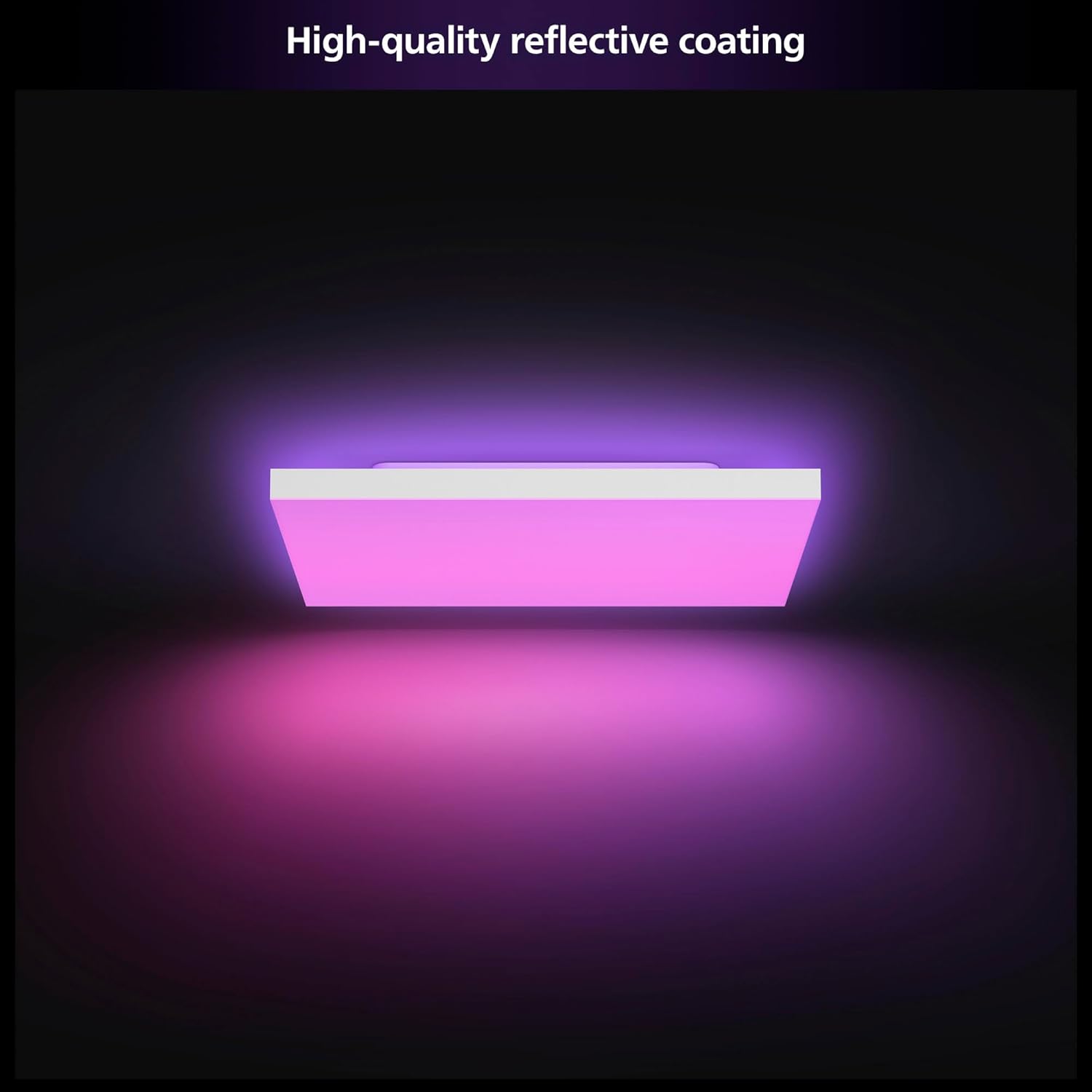
Color quality is equally important, especially for RGB smart LED products that promise vivid light color effects. Look for smart bulbs and LED smart strips that maintain accurate white color modes alongside saturated color changing scenes. High quality smart LED lighting should offer smooth transitions between warm and cool color temperature settings without flicker or noticeable jumps in brightness.
Reliability depends on both hardware and software, including the app, firmware, and wireless protocol. A robust smart light system maintains stable connections to Amazon Alexa, Alexa Google, Apple Home, and Google Assistant, even when your Wi Fi network is busy. When evaluating options on Amazon or in retail stores, pay attention to user feedback about long term stability, tec bright consistency, and how well the smart bulbs handle frequent on off cycles at the wall switch.
Practical buying advice for people seeking the best RGB smart lights
For anyone seeking the best RGB smart lights, start by defining how you actually use each room. In living areas, combine a bright smart bulb in the main fixture with a subtle light strip behind furniture to create layered lighting. Bedrooms benefit from smart bulbs with gentle color temperature shifts, moving from cooler white color in the morning to warm light color in the evening.
When shopping on Amazon or in physical stores, compare not only price but also lumens, app ratings, and ecosystem support. A slightly more expensive pack of smart bulbs that supports Amazon Alexa, Alexa Google, Apple Home, Google Assistant, and Matter can deliver better long term value than a cheaper, closed system. Check whether each LED bulb or light strip can be grouped with existing smart light products so that scenes and schedules stay consistent.
Finally, think about future expansion and maintenance when choosing smart LED solutions. Opt for brands that offer a full range of smart bulbs, light bulbs, and LED smart strips so replacements and additions match your existing light color and color temperature profiles. By focusing on reliability, ecosystem compatibility, and real world performance, you can build a best smart lighting setup that feels natural, efficient, and genuinely enjoyable to live with.
Key statistics about RGB smart lighting and common questions
Reliable market and technical statistics on RGB smart lighting adoption, energy savings, and performance are essential for informed decisions, but no verified quantitative dataset has been provided here. Without real, topic specific numbers, any precise percentage, cost saving estimate, or lifespan claim about smart bulbs, LED bulb products, or smart light systems would be speculative. Readers should therefore consult up to date, independently verified statistics from recognized lighting and energy efficiency organizations before making large scale purchasing decisions.
What are the main advantages of RGB smart lights compared with traditional bulbs ?
RGB smart lights provide flexible light color control, remote access through an app, and integration with Amazon Alexa, Alexa Google, Apple Home, and Google Assistant. They typically use efficient LED technology, which can reduce energy consumption compared with many older light bulbs. In addition, features such as adjustable color temperature, scenes, and automation help create more comfortable and task appropriate lighting throughout the home.
Do RGB smart bulbs work with existing switches and fittings ?
Most smart bulbs are designed to fit standard light bulb sockets, so they physically replace existing bulbs without rewiring. However, repeatedly turning power off at the wall switch can disrupt connectivity for some smart light products. For the best smart experience, keep switches on and use the app, voice control, or smart accessories to manage your lights.
Are RGB smart LED lights safe for daily use in homes ?
Reputable smart LED and LED smart products are tested to meet electrical and safety standards in their target markets. They run cooler than many incandescent light bulbs, which can reduce fire risk around fixtures and shades. As with any electrical device, buyers should choose certified products, follow installation instructions, and avoid overloading circuits or using damaged fittings.
How important is ecosystem compatibility when buying smart bulbs and light strips ?
Ecosystem compatibility determines how easily your smart bulbs, light strips, and other devices work together under one app or voice assistant. Choosing products that support Amazon Alexa, Alexa Google, Apple Home, Google Assistant, and Matter can simplify control and future expansion. This approach reduces fragmentation, allowing you to mix different brands of smart light products while maintaining unified scenes and automations.
Can RGB smart lighting really improve comfort and productivity at home ?
Thoughtfully configured RGB smart lights can support circadian friendly routines by adjusting color temperature and brightness throughout the day. Cooler white color settings can help with focus during work or study, while warmer light color modes promote relaxation in the evening. When combined with automation and voice control, these lighting adjustments become effortless, contributing to both comfort and productivity.