Ecosystems, compatibility, and the role of voice assistants
The best smart lighting hubs rarely operate alone, because ecosystems now define how smart lights behave. When a hub integrates smoothly with Amazon Alexa, Google Assistant, and Apple Home, it becomes easier to add new smart devices over time. This cross platform approach protects your investment in every smart bulb, light bulb, and accessory you buy.
For many households, an Amazon Echo or Google Nest smart speaker effectively acts as the main smart hub. These devices combine microphones, speakers, and wireless radios to control smart bulbs, LED lights, and other smart devices with simple voice commands. Saying a phrase to amazon Alexa or to alexa google assistants can dim lights, change color, or lock doors without touching an app.
Apple users often prefer a hub that supports HomeKit, because it keeps smart light controls inside the familiar Apple environment. While some hubs lean toward amazon ecosystems, others balance support for Google Nest, alexa google, and Apple platforms equally. Before buying, review best compatibility lists from each manufacturer and read full documentation about supported devices.
Beyond lighting, many hubs now coordinate thermostats, security cameras, and a smart lock on the main entrance. This whole home approach means one app and one set of controls can manage comfort, safety, and every light bulb. If you already use a Z-Wave thermostat, it is worth checking guides on how to choose the right Z-Wave thermostat for your smart lighting system so that your hub strategy remains coherent.
Interoperability standards such as Matter aim to reduce fragmentation between smart lights and hubs. As more smart devices adopt these standards, the best smart lighting hubs should become less dependent on a single brand. Until then, careful attention to ecosystem support remains essential for any serious smart light plan.
Dedicated hubs versus smart speakers and smart displays
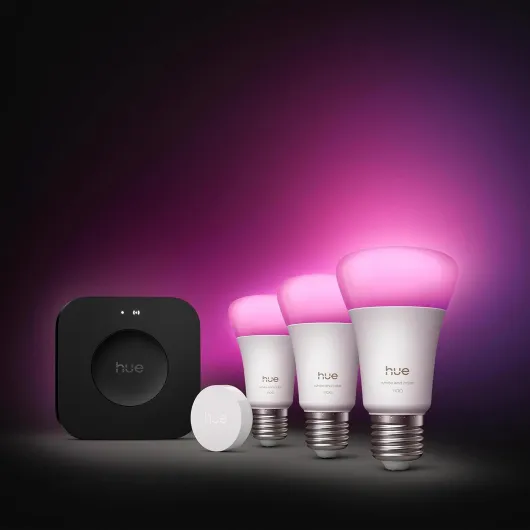
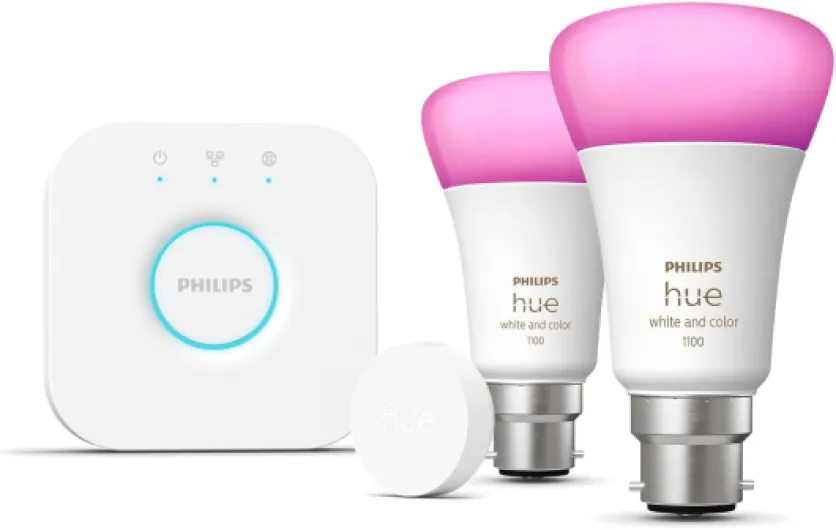
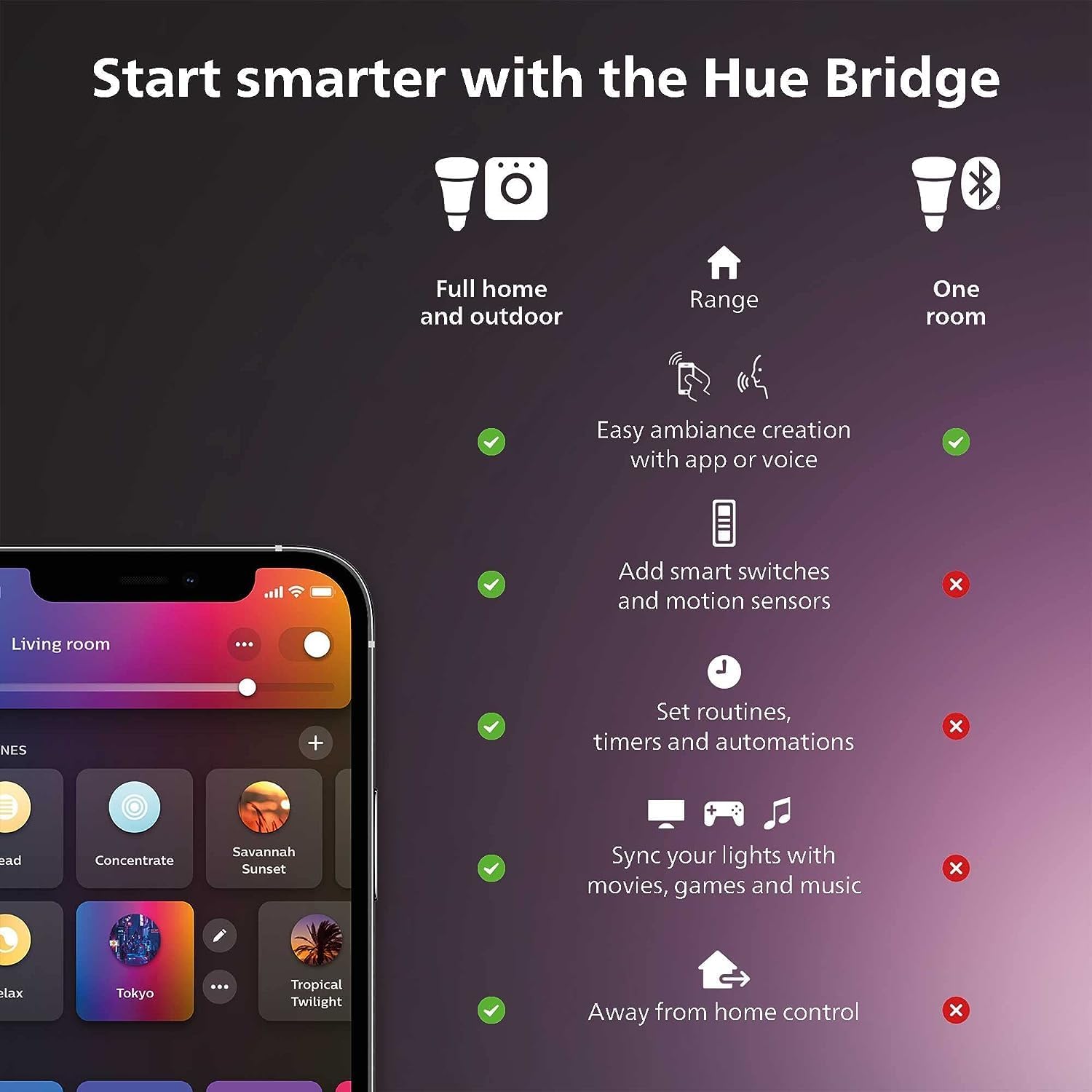
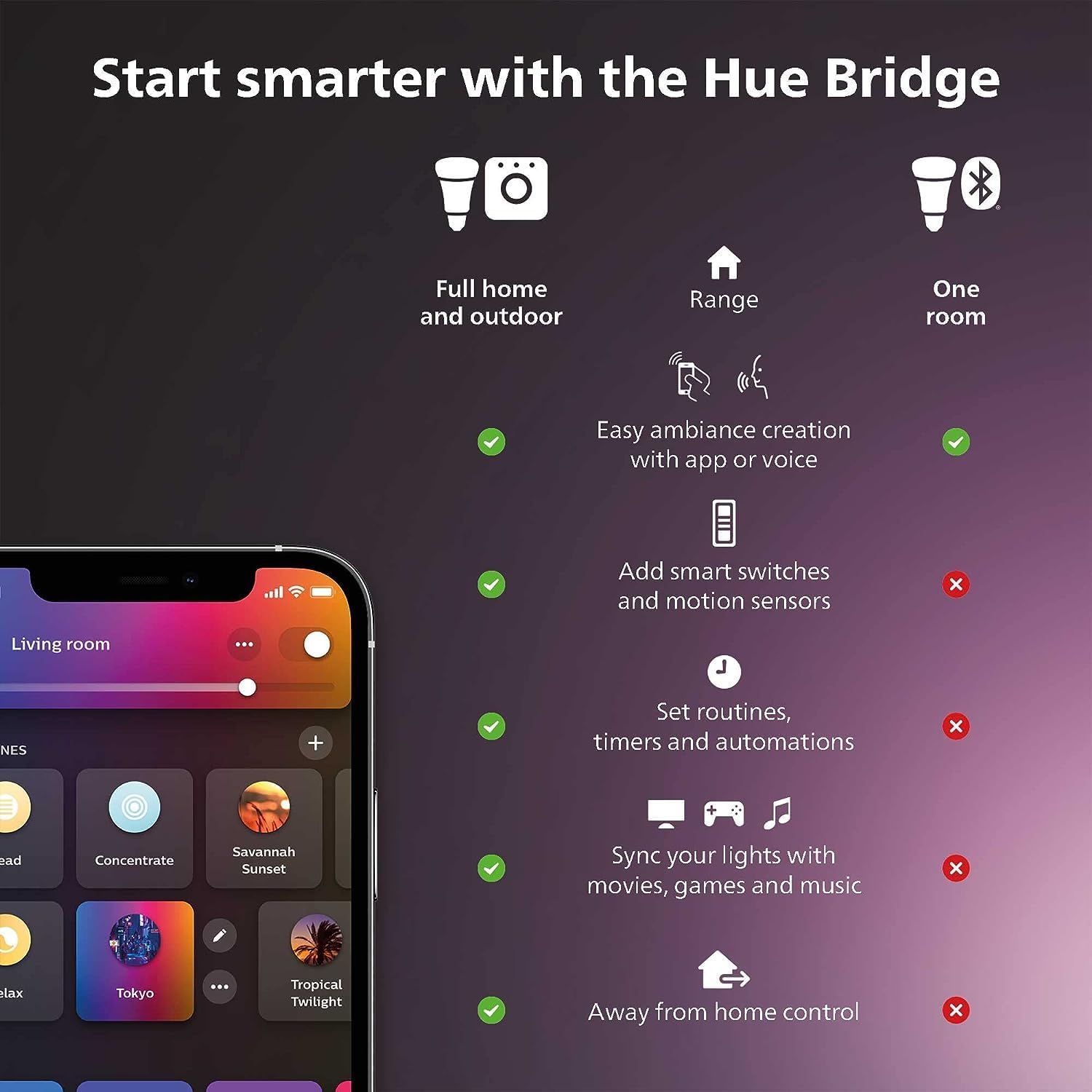
People comparing the best smart lighting hubs often hesitate between dedicated hubs and multipurpose smart speakers. A dedicated smart hub focuses on reliability, low latency, and strong radio coverage for smart bulbs and switches. In contrast, a smart speaker or smart display blends entertainment, voice control, and visual feedback with smart light management.
Dedicated hubs usually support more advanced lighting controls, including complex scenes, conditional automations, and fine grained dimming. They can coordinate dozens of smart bulbs, LED strips, and light bulbs without overloading a Wi-Fi network. Many also integrate with security cameras, a smart lock, and other smart devices to create layered routines that respond to motion, time, or presence.
Smart speakers such as Amazon Echo and Google Nest devices shine when voice control matters most. Saying “turn off the lights” or “set the living room light bulb to warm color” feels natural for many users. When paired with a strong app, these speakers can rival a traditional smart hub while adding music, news, and intercom features.
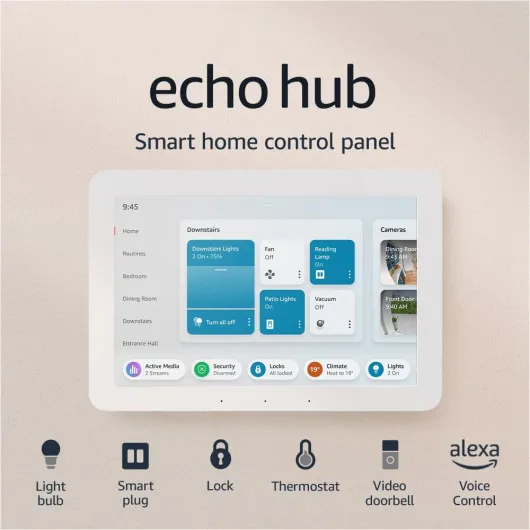
Smart displays add a visual layer that benefits complex lighting setups. You can tap to adjust color, brightness, and zones, or quickly review best scenes without digging through menus. They also make it easier to read full status information about smart bulbs, smart lights, and connected devices at a glance.
Some people still value traditional technologies, especially in mixed homes where not every light is smart. For example, understanding why globe incandescent bulbs still matter in a smart lighting world helps you balance LED efficiency with familiar light quality. Whether you choose a dedicated hub, a smart speaker, or a smart display, the goal remains the same ; create a stable, responsive foundation for every smart light in the house.
Key criteria for evaluating the best smart lighting hubs
Evaluating the best smart lighting hubs requires a structured checklist. Start with connectivity, because the hub must talk reliably to every smart bulb, light bulb, and accessory. Look for support of Wi-Fi, Zigbee, Thread, or Z-Wave, depending on which smart devices you already own.
Next, examine how the hub handles lighting controls in real scenarios. Can you group smart bulbs by room, floor, or activity, and can you adjust color and brightness with a single tap. The best smart hubs also allow layered scenes, where one command changes lights, smart lock status, and even security cameras for a complete mood shift.
App quality strongly influences daily satisfaction with any smart light system. A clear app should let you review best schedules, edit automations, and read full logs when something fails. If the app for your chosen hub feels confusing, even powerful smart lights and smart bulbs will feel frustrating.
Voice and ecosystem support remain central to long term value. Confirm that Amazon Alexa, alexa google assistants, and Google Nest devices can all control your lights if you plan a mixed environment. Apple users should verify that the hub integrates smoothly with their preferred devices so that every light bulb and smart bulb responds consistently.
Finally, consider expandability and third party integrations. A hub that connects to thermostats, security cameras, and other smart devices can grow with your home. For broader planning, resources such as guides to choosing globe lighting pendants for a smart home help align decorative choices with technical capabilities.
Balancing energy efficiency, comfort, and security with smart lights
The best smart lighting hubs do more than switch lights on and off. When configured carefully, they help reduce energy use, improve comfort, and strengthen security through coordinated smart devices. Smart lights and smart bulbs become tools for shaping how each room feels at different times of day.
Energy efficiency starts with LED technology, because LED light bulbs consume far less power than older options. A capable smart hub lets you dim lights automatically, turn off forgotten bulbs, and adjust color temperature to match daylight. Over time, these small adjustments add up, especially in homes with many smart lights and decorative fixtures.
Comfort depends on both color and brightness controls. Warm color scenes in the evening support relaxation, while cooler tones during the day help concentration. With a strong app and voice support from Amazon Alexa or Google Nest, you can shift between these modes without thinking about individual light bulbs.
Security benefits emerge when lighting integrates with security cameras and a smart lock. For example, a hub can turn on exterior lights when cameras detect motion or when the smart lock opens after dark. These automations make a property feel occupied and welcoming, while also deterring unwanted visitors.
To get the best smart results, periodically review best routines and read full automation histories. This helps you refine which smart bulbs activate at night, which lights respond to presence, and how your smart devices interact. Over months, a carefully tuned smart light system can feel almost invisible, quietly supporting daily life without constant adjustment.
Practical setup tips and long term maintenance for smart lighting hubs
Setting up the best smart lighting hubs begins with a clear map of your home. List every light bulb, smart bulb, switch, and accessory you plan to connect. This preparation helps you avoid wireless dead zones and ensures that smart devices join the right rooms and groups.
During installation, connect a few smart bulbs and smart lights at a time. Test color changes, dimming, and basic controls through both the app and any smart speaker you use. Confirm that Amazon Echo, Google Nest, or other alexa google devices respond reliably before adding more lights.
Once the basics work, build scenes that reflect real routines. Morning scenes might raise LED brightness gradually, while evening scenes lower color temperature and dim lights near bedrooms. The best smart lighting hubs let you review best scene performance and read full logs so you can fine tune timings and transitions.
Maintenance focuses on firmware updates, device health, and occasional audits of automations. Keep the hub, smart bulbs, and related smart devices updated so that security cameras, a smart lock, and other accessories remain protected. If a light bulb or smart bulb stops responding, re pairing it early prevents small glitches from spreading.
Over time, you may replace older bulbs with newer smart bulbs or add extra smart lights outdoors. A flexible smart hub will absorb these changes without forcing a complete redesign. By revisiting your setup every few months, you ensure that your smart light system continues to feel modern, efficient, and aligned with how you actually live.
Key statistics about smart lighting hubs
- Global adoption of smart lights and smart bulbs has grown at double digit annual rates, driven by falling LED prices and wider availability of smart devices.
- Households that replace traditional light bulbs with LED based smart bulbs typically reduce lighting energy consumption by 50 to 80 percent, depending on usage patterns.
- Surveys show that more than half of smart light users rely on Amazon Alexa, Google Nest, or other alexa google assistants as their primary lighting controls.
- In integrated homes, over one third of smart hubs also manage security cameras and at least one smart lock alongside lighting controls.
- Failure to update hub firmware is a leading cause of reliability issues in smart devices, including smart bulbs and connected light bulbs.
Common questions about the best smart lighting hubs
Are dedicated smart hubs better than smart speakers for lighting
Dedicated smart hubs usually offer stronger radio performance and more advanced lighting controls, especially in large homes with many smart bulbs. Smart speakers such as Amazon Echo or Google Nest devices add convenience through voice and entertainment features. For many people, a hybrid approach works best, using a dedicated hub for reliability and a smart speaker or smart display for everyday interaction.
Can I mix different brands of smart bulbs with one hub
Most of the best smart lighting hubs support multiple brands of smart bulbs and light bulbs, as long as they share compatible standards such as Zigbee, Wi-Fi, or Matter. Before buying, check the hub’s compatibility list and review best documentation from each manufacturer. Mixing brands works well when you keep an eye on ecosystem support and test new smart devices in small batches.
How important is voice control for smart lights
Voice control through Amazon Alexa, Google Nest, or other alexa google assistants is not mandatory, but it significantly improves daily usability. Many people find that speaking to a smart speaker or smart display becomes the fastest way to adjust color, brightness, or entire scenes. Even if you prefer using an app, having voice as a backup makes the whole smart light system more flexible.
Do I need a hub for every room in my home
Most homes only need one central smart hub, smart speaker, or smart display, as long as wireless coverage reaches all smart bulbs and smart lights. In larger properties, you might add extra smart speakers or repeaters to strengthen the signal. The goal is to ensure that every light bulb and smart bulb responds quickly, without creating unnecessary complexity.
What happens if my internet connection goes down
Many of the best smart lighting hubs can still control local smart bulbs and smart devices even when the internet fails, although remote access and some cloud features will stop. You may lose voice control through Amazon Alexa or Google Nest until connectivity returns. For resilience, choose a hub that keeps core lighting controls running locally so that your smart light system remains usable during outages.