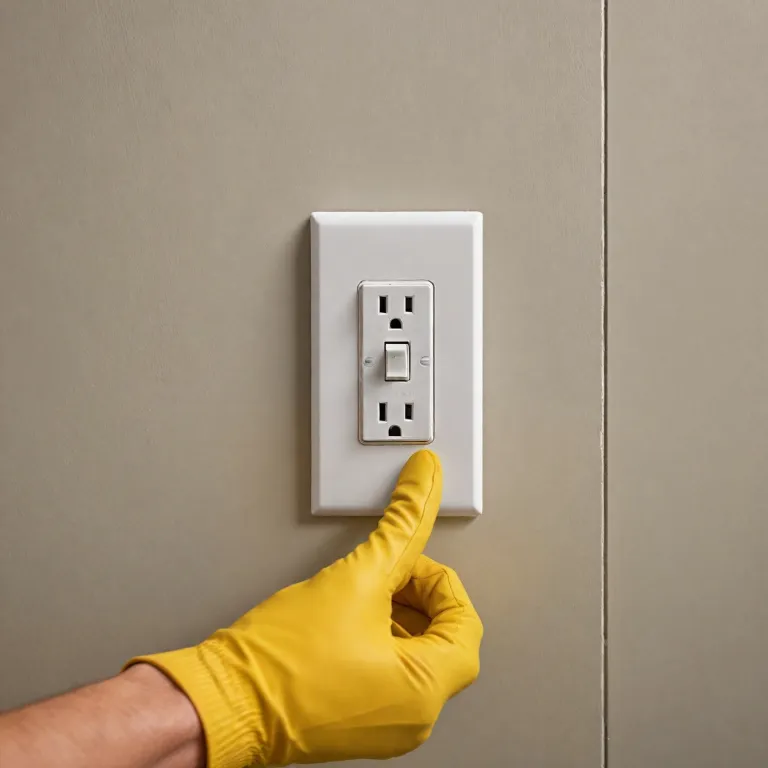
Why a smart switch without neutral wire matters for existing homes
A smart switch without neutral wire solves a common problem in older homes. Many existing light switches lack a neutral wire, yet people still want smart control and voice control without opening walls. A smart switch designed to work without neutral makes smart lighting realistic where wiring upgrades are too expensive.
In a traditional light switch, the live wire brings power to the wall switch and then to the light bulbs. Modern smart switches usually require neutral wiring to power their internal electronics continuously, which is why they often require neutral in the wall box. When the neutral wire is missing, standard smart switches without special design simply do not work reliably or may cause led bulbs to flicker.
Homeowners often discover that their wall switch box contains only a single pole live wire and a load wire going to the light. This limited space and minimal wiring make many smart switches incompatible, especially those that require neutral for their smart control features. A smart switch without neutral wire uses alternative circuitry or a small bypass at the light to maintain power without affecting the light output.
These switches without neutral are particularly useful when you want smart light upgrades in apartments or historic buildings. Electricians can usually easy install a compatible smart switch in the existing wall switch position, avoiding major construction. This approach keeps costs down while still enabling smart lighting, app control, and integration with alexa google or google assistant.
How smart switches without neutral wire actually work in practice
A smart switch without neutral wire typically sips a tiny amount of power through the load wire. This allows the smart switch to stay connected for smart control while the light remains off to the eye. With led bulbs, manufacturers must carefully manage this power so the bulbs do not glow or flicker when the light switch is off.
Some smart switches without neutral wire include a small accessory that installs near the light bulbs. This accessory, sometimes called a bypass, stabilizes the power flow when the smart switch is off and helps the switches work with a wider range of led bulbs. In many cases, this design means no extra wire required in the wall box, which is ideal when there is limited space.
Because a neutral wire is not present, compatibility lists become critical for each smart switch model. Before you shop on amazon or another retailer, check whether your chosen smart switches support your type of wiring and your specific bulbs. Detailed product pages for a smart light switch, such as an in depth smart lighting solution review at this analysis of a Philips smart lighting solution, can help you understand how a given gen of device handles without neutral installations.
Many smart switch manufacturers now offer versions that work without neutral and versions that require neutral for newer homes. When you compare light switches, look for clear labels like “no neutral wire required” or “for single pole only”. Matching the right smart switch to your wall switch wiring ensures reliable power, stable smart control, and long term safety.
Key compatibility checks before choosing a smart switch without neutral wire
Before installing a smart switch without neutral wire, you must confirm your existing wiring. Turn off power at the breaker, remove the wall switch cover, and gently pull the switch forward to inspect the wire configuration. If you only see two insulated wires plus a ground, your light switch likely operates as a single pole circuit without neutral in the box.
Next, verify whether your light bulbs are dimmable led bulbs, compact fluorescent, or traditional incandescent. Some smart switches without neutral work best with specific bulb types, and incompatible bulbs can cause flicker or unreliable smart control. When a product states that it may require neutral for certain loads, read the fine print to see how it behaves with different bulbs and whether a bypass accessory is recommended.
Voice control compatibility is another key factor when you shop for a smart switch. Many smart switches support alexa, google assistant, or both, but some older gen models only work with one platform. If you already use alexa google routines or a mixed ecosystem of smart light devices, ensure your new light switches integrate smoothly with your existing smart lighting hub or Wi Fi network.
Brand ecosystems also matter, especially when you plan multiple switches without neutral across your home. Some manufacturers, such as those highlighted in this overview of Lutron innovations in smart lighting, offer coordinated dimmers, wall switch options, and accessories. Choosing a consistent ecosystem can simplify app control, firmware updates, and long term support for your smart switch installations.
Installation steps and safety for switches without neutral in limited space
Installing a smart switch without neutral wire is often an easy install, but safety must come first. Always cut power at the breaker, confirm with a tester that no power is present, and only then touch the wiring. If you are unsure about any wire required for the circuit, consult a qualified electrician rather than guessing.
Most smart switches designed to work without neutral include clear diagrams for single pole wiring. Typically, you connect the live feed wire to the line terminal, the load wire to the load terminal, and the ground wire to the ground screw on the wall switch. Because there is limited space in many older boxes, gently fold the wires and position the smart switch so that no copper is exposed and the device sits flush with the wall.
Once the smart switch is mounted, restore power and follow the app instructions for pairing. Many smart switches use Wi Fi or a hub based protocol, and the app will guide you through naming the light switch and assigning it to a room. After pairing, test manual control at the wall, app control on your phone, and voice control through alexa or google assistant to confirm everything works.
When switches without neutral share a box with other light switches, labeling becomes important for future work. Mark which circuits use smart lighting and which still use traditional switches, especially if some require neutral and others do not. Clear labeling helps electricians and future homeowners understand the wiring and maintain safe, reliable smart control over time.
Everyday benefits of smart lighting with a smart switch without neutral wire
Once installed, a smart switch without neutral wire can quietly transform daily routines. You gain smart control over ceiling lights that previously relied only on a basic wall switch. This means you can schedule lights, automate scenes, and use voice control even in rooms with older wiring.
For example, a hallway with a single pole light switch can become part of a whole home smart lighting scene. At night, you might set the smart switch to dim led bulbs automatically, reducing glare while still providing safe navigation. In the morning, the same smart switches can bring lights up gradually, creating a more comfortable wake up environment without changing any existing wire in the walls.
Integration with alexa google or google assistant allows hands free control when your hands are full. You can say a simple phrase to turn off all light switches downstairs, or to switch on a specific smart light above the kitchen counter. When combined with motion sensors or other smart devices, the smart switch can also respond automatically, turning lights off when rooms are empty to save power.
Retailers like amazon make it easy to shop a wide range of smart switch models, including those that work without neutral. Many listings highlight features such as easy install, switches without hub requirements, and compatibility with led bulbs. Reading detailed reviews and checking shipping options helps you choose a smart switch that balances cost, reliability, and the specific wiring constraints of your home.
Advanced use cases, product reviews, and long term reliability
Beyond basic on off control, a smart switch without neutral wire can support advanced automations. You can link multiple smart switches into groups so that several light switches respond together, even if each wall switch controls a different circuit. This is particularly useful in open plan spaces where smart lighting scenes need to coordinate several zones.
When evaluating long term reliability, pay attention to how each smart switch handles led bulbs and low power loads. Some early gen devices struggled with flicker or ghosting, especially in circuits without neutral, but newer smart switches often include improved electronics. Reading in depth product reviews, such as this honest smart lighting review of a floor lamp at what to know before buying a smart floor lamp, can sharpen your eye for build quality and firmware support.
Homeowners with limited space in electrical boxes should also consider the physical depth of each smart switch. Some models designed to work without neutral are slimmer, making it easier to manage wiring and maintain safe clearances. When multiple switches without neutral share a box, choosing compact designs can prevent overcrowding and reduce stress on the wires.
Over time, firmware updates can enhance smart control features, improve voice control responsiveness, and expand compatibility with alexa google or google assistant. Choosing brands that clearly state whether their devices require neutral, support easy install, and offer strong customer support will pay off in reliability. This careful approach ensures your smart switch without neutral wire remains a stable part of your smart light ecosystem for many years.
Questions people also ask about smart switches without neutral wire
Are smart switches without a neutral wire safe to use
When installed correctly according to manufacturer instructions and local electrical codes, a smart switch without neutral wire is designed to be safe. Safety depends on proper wiring, correct matching of the smart switch to the circuit, and using compatible led bulbs or other loads. If there is any doubt about the wiring or the condition of the wall box, a licensed electrician should perform or verify the installation.
Can a smart switch without neutral wire work with all types of bulbs
Most smart switches without neutral wire are optimized for specific bulb types, especially modern led bulbs. Some may not work well with very low power loads or certain compact fluorescent lamps, which can cause flicker or ghost illumination. Always check the compatibility list for the smart switch model and, when possible, test a single circuit before upgrading all light switches in your home.
Do smart switches without neutral wire need a hub
Whether a smart switch without neutral wire needs a hub depends on the communication technology it uses. Many Wi Fi based smart switches connect directly to your router and do not require a separate hub. Others using Zigbee or similar protocols may need a hub, but this can also provide more stable smart control and easier integration with multiple smart light devices.
Can I install a smart switch without neutral wire myself
Many homeowners can complete an easy install of a smart switch without neutral wire if they are comfortable working with basic wiring. The key steps are turning off power, confirming the circuit is dead, following the wiring diagram, and ensuring the wall switch is securely mounted. However, if the wiring is unclear, the box has limited space, or the circuit does not match the instructions, professional installation is strongly recommended.
What happens if I use a smart switch that requires neutral on a circuit without neutral
Using a smart switch that requires neutral on a circuit without neutral can lead to malfunction, flickering lights, or even unsafe conditions. The smart switch electronics expect a complete path for power, and without neutral they may not power up correctly or may stress the wiring. Always verify whether a device requires neutral or is specifically designed to work without neutral before connecting it to any light switch circuit.
