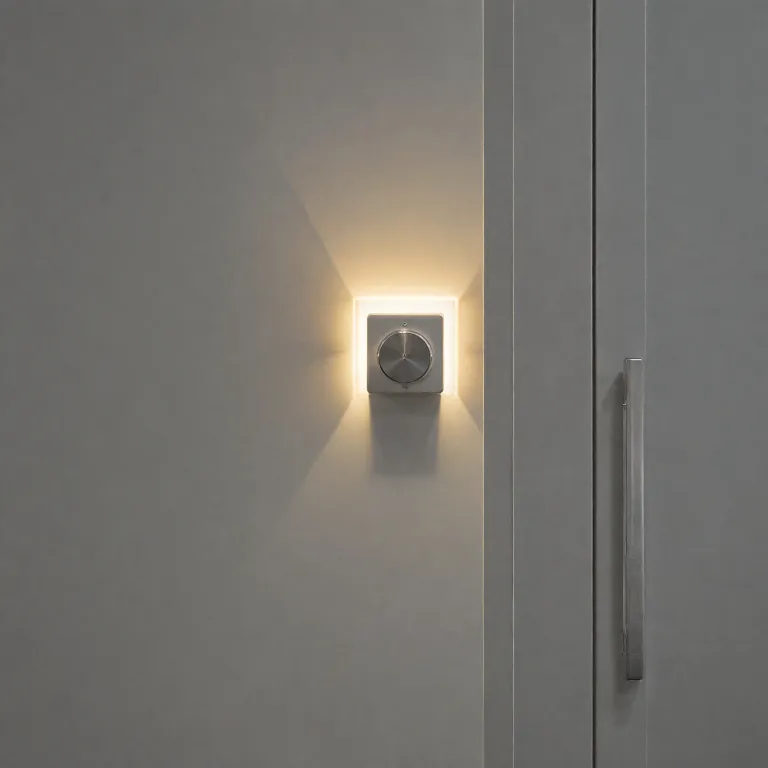
Understanding the ELV dimmer in modern smart lighting
The ELV dimmer sits at the heart of many smart lighting projects. In electronic low voltage systems, this dimmer must manage both the power supply and the behaviour of every dimmable LED source. When you choose an ELV dimmer for a home or office, you are really choosing how precise and reliable your daily light control will feel.
Unlike a basic standard switch, an ELV dimmer switch works with reverse phase control to protect delicate drivers. This reverse phase or trailing edge approach reduces electrical stress on low voltage transformers and on each dimmable LED lamp. The result is smoother dimming, less flicker, and better compatibility with modern smart dimmer ecosystems.
Many brands now offer a universal dimmer that can handle both ELV and traditional loads. A tru universal design can automatically detect whether the circuit is forward or reverse phase, which simplifies installation for non specialists. This flexibility matters when you mix classic halogen lighting with pro LED fixtures on the same project.
Price remains a key factor, but focusing only on the lowest price can be misleading. A well engineered ELV dimmer often protects expensive low voltage luminaires and reduces maintenance costs over time. Evaluating the product as part of the entire lighting system, rather than as a single component, leads to better long term value.
In practice, a smart dimmer that supports ELV loads must also manage communication with apps and voice assistants. Whether you choose a white wall plate or a darker radiant finish, the internal electronics define performance. Understanding these fundamentals helps any person seeking information make a more confident choice.
How ELV dimmers interact with LED drivers and low voltage loads
Every ELV dimmer works in close partnership with an electronic low voltage driver. The driver converts mains power into low voltage output, while the dimmer shapes the waveform through trailing edge control. When both elements are matched correctly, dimming feels linear, stable, and visually comfortable.
Problems arise when a voltage dimmer designed for resistive loads is paired with sensitive dimmable LED modules. Incompatible dimmer switches can cause buzzing, ghosting, or lights that refuse to turn fully off. Choosing a universal dimmer or a dedicated ELV dimmer reduces these risks and improves the perceived quality of the lighting.
Brands such as Lutron and Legrand have invested heavily in testing pro LED drivers with their dimmer switch ranges. A Lutron ELV dimmer or a Legrand Adorne smart dimmer often comes with published compatibility lists. These documents show which dimmable LED lamps, low voltage strips, and power supply models have been validated together.
For compact fixtures, pairing an ELV dimmer with an efficient LED bulb can significantly cut energy use. Guides that explain how to select an appropriate LED bulb for smart lighting help ensure that the driver, bulb, and dimmer all align. When the entire system is tuned, even a modest single pole circuit can deliver premium performance.
Because many smart dimmer products now include wireless features, the internal electronics must balance communication and power handling. A switch LED module that supports ELV loads needs careful thermal management and robust components. This is where the difference between a budget product and a professional grade ELV dimmer often becomes visible over time.
Wiring essentials: neutral wire, single pole layouts, and safety
Correct wiring is critical when installing any ELV dimmer in a smart home. Many modern smart dimmer designs are neutral required, which means a neutral wire must be present in the wall box. This neutral connection powers the electronics continuously, even when the light is off, ensuring stable communication and dimming.
Older homes sometimes lack a single neutral conductor in the switch box, which complicates upgrades. In these cases, choosing a model that does not require a neutral wire or consulting an electrician becomes essential. Some voltage dimmer products are specifically engineered to operate without a neutral, but they may have stricter load requirements.
On simple circuits, a single pole ELV dimmer switch is usually sufficient for everyday control. When more complex multiway layouts are needed, compatible companion switches must be used to maintain proper reverse phase behaviour. Mixing random switches with an ELV dimmer can lead to unpredictable lighting performance and potential safety concerns.
Manufacturers like Legrand and Lutron provide detailed diagrams for their radiant and Legrand Adorne lines. These diagrams show how to connect the neutral wire, line, load, and sometimes a dedicated communication conductor. Following these instructions precisely helps protect both the product and the connected lighting.
For buyers comparing options, it is helpful to read in depth reviews of a smart lighting accessory or mounting kit. Similar principles apply when selecting an ELV dimmer, a slide dimmer, or a more advanced smart dimmer switch. Paying attention to neutral required notes, low voltage compatibility, and safety certifications ensures a reliable installation.
Comparing ELV dimmer types: slide, smart, and tru universal designs
Not all ELV dimmer products feel the same in daily use. A classic slide dimmer offers tactile control, letting you adjust the light level with a simple finger movement. Many people appreciate this direct interaction, especially in spaces where quick changes in lighting are frequent.
Smart dimmer models add app based and voice based control on top of manual operation. These devices often integrate with platforms that manage multiple lighting scenes, schedules, and energy reports. When an ELV dimmer is also a smart dimmer, it must balance digital features with the precise trailing edge control required by electronic low voltage loads.
Tru universal dimmer designs aim to simplify compatibility by supporting a wide range of load types. A tru universal ELV dimmer can usually handle incandescent, dimmable LED, and low voltage drivers without manual configuration. This flexibility is particularly useful in renovations where existing wiring and mixed lighting technologies coexist.
Some homeowners focus on aesthetics and choose a white radiant faceplate or a Legrand Adorne style frame. Behind the stylish exterior, the internal electronics still need to manage reverse phase dimming and protect the power supply. Evaluating both the visual design and the technical specifications leads to a more satisfying purchase.
For readers comparing connected options, a detailed review of a single pole smart dimmer switch that needs a neutral wire can be instructive. It shows how features, price, and installation requirements intersect in real homes. Applying the same analytical approach to any ELV dimmer purchase helps avoid unpleasant surprises.
Price, performance, and brand differences in ELV dimmer ranges
When evaluating ELV dimmer options, price is only one part of the equation. Entry level dimmer switch models may appear attractive, but they sometimes struggle with demanding dimmable LED loads. Higher priced ELV dimmer products from established brands often provide better low level stability and quieter operation.
Lutron has built a reputation for precise dimming curves and extensive compatibility testing. Many lighting professionals rely on Lutron ELV dimmer ranges when working with pro LED fixtures and complex low voltage systems. The investment in research and validation tends to translate into fewer on site issues and callbacks.
Legrand, through its radiant and Legrand Adorne collections, emphasizes both design and technical performance. A white radiant smart dimmer that supports ELV loads can blend discreetly into modern interiors. At the same time, it offers robust reverse phase control, neutral required wiring options, and reliable communication with smart platforms.
Universal dimmer and tru universal models from various manufacturers aim to reduce compatibility headaches. However, even a tru universal dimmer switch has limits, especially with very low wattage dimmable LED lamps or unusual power supply designs. Reading the product datasheet and checking minimum load requirements remains essential.
For budget conscious buyers, comparing the long term cost of ownership is wise. A slightly higher price for a well engineered ELV dimmer can prevent premature failures of low voltage drivers and luminaires. Over time, this balance between price, durability, and lighting quality often favours reputable brands.
Designing a smart lighting plan around ELV dimmers
Planning a smart lighting scheme with ELV dimmer devices requires a holistic view. Start by mapping which circuits use electronic low voltage drivers and which rely on standard mains voltage lamps. This distinction guides where you need an ELV dimmer, a universal dimmer, or a simpler switch LED solution.
In living rooms and bedrooms, smooth trailing edge dimming enhances comfort and relaxation. Pairing an ELV dimmer with high quality dimmable LED fixtures allows very low light levels without visible flicker. Such control supports circadian friendly lighting scenes that shift from bright white to warm low intensity light in the evening.
Kitchens and workspaces often benefit from a mix of smart dimmer switches and straightforward slide dimmer controls. A single pole ELV dimmer on a key task lighting circuit can ensure reliable performance for low voltage under cabinet strips. Meanwhile, smart dimmer models on general lighting can integrate with voice assistants and automation routines.
When specifying products, pay attention to notes such as neutral required, single neutral compatibility, and maximum low voltage load. These details influence whether a given ELV dimmer will function correctly in an existing installation. Consulting brand specific tools from Lutron or Legrand can streamline this design phase.
Ultimately, a well planned ELV dimmer layout supports both everyday practicality and long term flexibility. It allows you to upgrade luminaires, adjust scenes, and integrate new smart platforms without rewiring. Thoughtful planning around electronic low voltage control turns lighting into a responsive, human centric element of the space.
Future trends in ELV dimmer technology and smart control
ELV dimmer technology continues to evolve alongside advances in dimmable LED drivers. Manufacturers are refining reverse phase algorithms to handle ever lower loads and more complex power supply electronics. This progress aims to eliminate remaining issues such as shimmer at very low levels or occasional dropouts.
Smart dimmer platforms increasingly integrate energy monitoring and adaptive control features. By analysing how often each dimmer switch is used and at what levels, systems can suggest more efficient lighting habits. Over time, this data driven approach may influence how people choose between standard switches, universal dimmers, and specialised ELV dimmer models.
Design trends also shape the appearance and interaction style of ELV dimmer products. Minimalist white plates, slim radiant profiles, and modular Legrand Adorne frames all reflect a desire for discreet technology. Behind these designs, however, the core requirements of safe low voltage handling and reliable trailing edge control remain constant.
As more devices rely on electronic low voltage power, compatibility testing will become even more important. Brands that publish clear guidance on neutral wire needs, single pole configurations, and low voltage limits will earn greater trust. For consumers, choosing products from such manufacturers reduces the risk of costly trial and error.
Ultimately, the ELV dimmer is likely to remain a central tool in smart lighting. Its ability to manage delicate low voltage loads while offering refined control makes it hard to replace. For anyone planning a future ready lighting system, understanding ELV dimmer capabilities is an essential step.
Questions people also ask about ELV dimmers
What is an ELV dimmer and when should it be used ?
An ELV dimmer is designed for electronic low voltage drivers and transformers. It should be used whenever your lighting relies on low voltage LED strips, downlights, or fixtures powered by electronic drivers. Using the correct ELV dimmer helps prevent flicker, noise, and premature driver failure.
Can an ELV dimmer work with regular LED bulbs ?
Many ELV dimmer models can work with regular dimmable LED bulbs, especially if they are universal dimmer or tru universal designs. However, compatibility depends on the specific bulb and driver electronics. Checking the manufacturer’s compatibility list is the safest way to confirm proper operation.
Why do some smart dimmers require a neutral wire ?
Smart dimmers often require a neutral wire to power their internal electronics continuously. This neutral connection allows reliable communication, sensor operation, and low standby consumption without sending current through the load. Without a neutral, some features may be limited or the dimmer may not function at all.
Is a higher price for an ELV dimmer always justified ?
A higher price is not automatically better, but premium ELV dimmer products usually offer improved compatibility, quieter operation, and longer life. They are often tested with a wide range of dimmable LED drivers and low voltage systems. For complex or critical installations, the added reliability can justify the extra cost.
Can I install an ELV dimmer myself or do I need an electrician ?
Some people with electrical experience can install a single pole ELV dimmer themselves, especially when clear instructions are provided. However, if the wiring involves multiple circuits, unclear neutral connections, or mixed load types, hiring a qualified electrician is safer. Professional installation reduces the risk of wiring errors and ensures compliance with local regulations.
