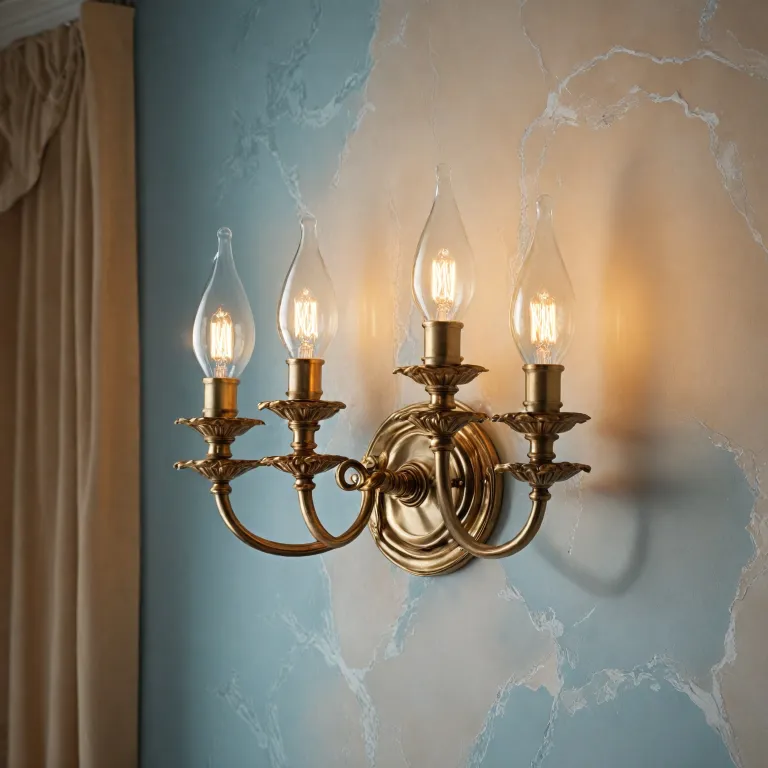
Why candelabra smart bulbs matter for modern homes
Candelabra smart bulbs bring intelligent light to chandeliers, sconces, and ceiling fan fixtures. These compact smart light options use an E12 candelabra base, yet they deliver the same app control, voice commands, and automation that larger smart bulbs offer. For many households, the main matter is how to add a smart bulb to decorative candle style fittings without changing the entire light fixture.
Most candelabra smart bulbs use LED light technology, which offers strong energy saving benefits compared with an old incandescent light bulb. A single smart LED candle bulb can often match bulbs equivalent to 40 or 60 watts while using far less power, and several such bulbs together can transform a room’s lighting mood. When you choose color changing models with RGBcw support, you gain both warm white and cool white plus rich color scenes in one compact bulb.
Connectivity is another key matter for these bulbs, because users expect easy set up and reliable control. Many candelabra smart bulbs rely on bulb WiFi connections, while newer designs support lightinginside Matter or other matter compatible standards for better interoperability. A smart bulb that is matter smart and bulb compatible with multiple platforms can work with Alexa Google ecosystems, Apple Home, and other hubs through one unified protocol.
People often worry whether a candle style smart light will be compatible with their existing ceiling fan or wall fixture. In most cases, as long as the candelabra base matches and the led bulbs fit within the shade, the smart bulbs will operate correctly. The main limitations involve enclosed fixtures that restrict heat dissipation and older dimmer switches that may conflict with smart led electronics.
Connectivity, apps, and the reality of easy control
For many users, the promise of candelabra smart bulbs rests on easy control from phones and speakers. A modern smart light bulb usually connects through WiFi or a hub, then appears in an app where you can group light bulbs, set schedules, and adjust brightness. When the app is well designed, even a complex chandelier with many smart bulbs becomes an easy set of zones and scenes.
WiFi based candelabra smart bulbs are attractive because they avoid extra hardware, but bulb WiFi networks can become crowded in larger homes. Matter compatible bulbs that use lightinginside Matter or Thread can reduce this strain, since the matter smart standard allows devices to communicate more efficiently. In practice, a mixed setup with both WiFi and Matter compatible smart bulbs can still work, provided the app handles both protocols gracefully.
Voice commands through Alexa Google assistants remain a major reason people choose smart bulbs for a ceiling fan or hallway candle fixture. A bulb compatible with Alexa, for example, lets you say “dim the dining room light” while the same smart led bulb also responds to Google Assistant. When candelabra smart bulbs are correctly linked, you can control color, white temperature, and changing light scenes without touching a switch.
Automation goes beyond simple on off control, and this is where smart light systems become genuinely smart. You can tie a candle style light bulb to motion sensors, PIR sensitivity settings, or time based routines that match your daily rhythm, and resources such as this guide on understanding PIR sensitivity for smarter lighting solutions help refine those triggers. The more precisely your app handles feedback from sensors and schedules, the more your candelabra bulbs feel like an integrated part of the home rather than isolated gadgets.
Color, ambience, and the role of candle shaped bulbs
Candle shaped candelabra smart bulbs serve a dual purpose as both light sources and decorative elements. Their slender candle profile and often flame tipped design allow the bulb to complement chandeliers, wall sconces, and ceiling fan arms without looking like a generic light bulb. When these candle bulbs add RGBcw color options, they can shift from warm white dinner lighting to vivid party scenes in seconds.
Many people underestimate how much a small candle bulb can change a room’s mood. A cluster of smart led bulbs in a chandelier can provide bright white light for tasks, then transition to a softer changing light scene for relaxation, all through the same app. Because LED light technology supports fine grained dimming and color control, each bulb becomes a flexible tool rather than a fixed output device.
Some candelabra smart bulbs focus on tunable white rather than full color changing effects. These bulbs still qualify as smart bulbs because they offer app control, voice commands, and automation, yet they emphasize comfortable white light for reading, dining, or working. In many homes, mixing white only smart led bulbs with a few RGBcw bulbs in key positions creates a balanced lighting design.
Smart light systems also benefit from sensors and daylight awareness, which can be enhanced by understanding components such as photocells, as explained in this article on the role of photocells in smart lighting. When your candle style light bulbs respond to natural light levels, they avoid unnecessary energy use while maintaining consistent ambience. This approach aligns with the energy saving strengths of LED bulbs and supports both comfort and sustainability.
Energy saving, lifespan, and the real cost of smart light
Energy saving performance is one of the strongest arguments for replacing old candle bulbs with candelabra smart bulbs. A typical incandescent candle light bulb converts most of its energy into heat, while an LED light candle bulb delivers similar brightness using a fraction of the power. Over time, especially in multi arm chandeliers or ceiling fan fixtures with many light bulbs, this efficiency difference becomes financially significant.
Smart led bulbs also tend to last far longer than traditional bulbs equivalent in brightness. While exact lifespans vary by brand and usage patterns, LED bulbs generally offer many thousands of operating hours before noticeable dimming, and this reduces maintenance in hard to reach fixtures. When you factor in the ability to dim, schedule, and automate each bulb, the effective energy saving impact grows even further.
However, the upfront cost of candelabra smart bulbs remains higher than that of simple non smart bulbs. Buyers should evaluate not only the price per bulb but also whether the bulb is matter compatible, supports bulb WiFi, and is bulb compatible with their preferred platforms. A matter smart bulb that works with Alexa Google ecosystems, for example, may justify its price by avoiding future replacement when platforms evolve.
Another often overlooked cost relates to user time and frustration when devices are not truly easy to install or manage. An easy set process, clear app interface, and reliable feedback from the system reduce support headaches and make the smart light feel like a natural part of daily life, and this in depth guide on transforming your smart lighting experience illustrates how thoughtful design simplifies adoption. When evaluating candelabra smart bulbs, consider not only wattage and color features but also the total experience over the bulb’s lifespan.
Installation, compatibility, and avoiding common smart bulb pitfalls
Installing candelabra smart bulbs appears simple, yet several technical details can affect performance. The first step is confirming that the candelabra base of the new bulb matches the socket in your chandelier, wall sconce, or ceiling fan, because E12 and similar bases are not interchangeable with larger formats. Once the base is correct, you must ensure that the fixture’s maximum wattage rating comfortably exceeds the LED light wattage of each smart bulb.
Many smart bulbs encounter issues when used with legacy dimmer switches that were designed for incandescent light bulbs. These dimmers can cause flickering, buzzing, or even premature failure in LED bulbs, especially when the bulbs include WiFi radios or matter compatible chips. For candelabra smart bulbs, the safest approach is usually to set the wall switch to full power and rely on app based dimming and voice commands for brightness control.
Network configuration also plays a major role in whether a smart light system feels reliable. Bulb WiFi devices often require a 2,4 GHz network, and mixing many led bulbs, plugs, and cameras on the same router can strain capacity, while lightinginside Matter devices distribute the load more efficiently. Choosing a matter smart bulb compatible with your existing hub or router can therefore improve both stability and responsiveness.
Finally, consider how your household will interact with the new smart bulbs on a daily basis. If some family members prefer physical switches, you may want smart compatible wall controls that send feedback to the app rather than cutting power to the bulb, because power cuts can break schedules and scenes. A thoughtful installation that respects both technology and human habits will make candelabra smart bulbs feel genuinely easy to live with.
Privacy, data, and building long term trust in smart lighting
As candelabra smart bulbs become more capable, they also collect more data about how and when you use light. Every time a smart light bulb connects through WiFi or a matter compatible hub, it may send usage statistics, error logs, and other feedback to cloud servers. While this data can improve reliability and energy saving features, it also raises questions about privacy and long term control.
Consumers should review the privacy policies of smart led bulb manufacturers before connecting candle bulbs to their home networks. Look for clear statements about what data is collected, how long it is stored, and whether it is shared with third parties, because vague language can hide intrusive practices. When possible, choose lightinginside Matter devices that can operate locally without constant cloud access, since local control reduces exposure.
Voice commands through Alexa Google platforms add another layer of complexity, because these assistants process audio and intent data separately from the bulbs themselves. A bulb compatible with multiple assistants may offer flexibility, yet it also depends on several companies handling your information responsibly. Users who prioritize privacy might favor configurations where the smart light responds primarily to local app control and only secondarily to cloud based voice services.
Trust also depends on how manufacturers handle security updates and vulnerability reports over time. A responsible brand will issue timely firmware updates for its led bulbs, maintain compatibility with evolving matter smart standards, and communicate clearly about any incidents that affect customers. By paying attention to these practices, you can enjoy the convenience of candelabra smart bulbs while maintaining confidence in how your home lighting data is managed.
Designing layered lighting with candelabra smart bulbs
Thoughtful lighting design uses multiple layers of light, and candelabra smart bulbs excel in accent and ambient roles. In a living room, for example, a ceiling fan with candle style smart bulbs can provide general illumination, while floor lamps and wall sconces add focused pools of light. Because each smart light bulb is individually addressable, you can create scenes that emphasize different layers for reading, entertaining, or relaxing.
Color and white balance play crucial roles in how a space feels at different times of day. RGBcw candelabra smart bulbs can shift from warm white tones in the evening to cooler white light during focused work, and subtle color changing effects can support circadian friendly routines. When combined with energy saving dimming schedules, these adjustments help reduce eye strain and create a more comfortable environment.
In dining areas, candle shaped led bulbs in chandeliers can mimic the intimacy of real candle light while offering the safety and flexibility of modern technology. A group of smart led bulbs can be set to low brightness with a slightly warm white color, then brightened for cleanup with a simple app tap or voice command. Because the bulbs equivalent to higher wattages remain efficient, you can enjoy dramatic lighting without worrying about excessive power use.
Layered lighting also extends to outdoor and transitional spaces, where candelabra smart bulbs may appear in porch fixtures or covered patios. Coordinating these bulbs with other smart bulbs and sensors allows smooth transitions as you move through the home, and understanding components such as PIR sensors and photocells supports more responsive control. Over time, a carefully planned network of candle style smart bulbs can turn everyday lighting into a subtle yet powerful part of your home’s character.
Key statistics about candelabra smart bulbs and smart lighting
- LED based candelabra smart bulbs typically use around 80 percent less electricity than incandescent bulbs equivalent in brightness, which significantly reduces long term energy costs.
- Many smart led bulbs are rated for tens of thousands of operating hours, meaning a candle style light bulb can last for many years under normal household use.
- Households that replace multiple chandelier and ceiling fan bulbs with energy saving LED light bulbs often see noticeable reductions in lighting related electricity consumption.
- Adoption of matter compatible and lightinginside Matter devices is increasing, improving interoperability between smart bulbs, hubs, and voice assistants.
- WiFi and Matter based smart light systems now allow centralized app control of dozens of light bulbs across different rooms and fixtures.
Questions people also ask about candelabra smart bulbs
Are candelabra smart bulbs compatible with any chandelier or ceiling fan?
Candelabra smart bulbs work with most fixtures that use an E12 candelabra base and provide enough physical space for the bulb. Problems usually arise only with very small shades, enclosed fixtures, or older dimmer switches that conflict with smart led electronics. Checking base type, clearance, and dimmer compatibility before purchase helps ensure reliable operation.
Do candelabra smart bulbs require a hub or can they connect directly by WiFi?
Many candelabra smart bulbs connect directly to your router using bulb WiFi, while others rely on a hub that supports lightinginside Matter or similar standards. Hub based systems can reduce network congestion and improve responsiveness when you have many led bulbs. The best choice depends on how many light bulbs you plan to install and which platforms you already use.
Can I use voice commands to control color and brightness on candle style smart bulbs?
Most modern candelabra smart bulbs that are bulb compatible with Alexa Google assistants allow full voice control of on off, brightness, and sometimes color. Once linked through the app, you can ask your assistant to dim a specific chandelier, change white temperature, or activate a color changing scene. This hands free control is especially convenient for fixtures that are hard to reach.
How energy efficient are candelabra smart bulbs compared with traditional candle bulbs?
LED based candelabra smart bulbs deliver substantial energy saving benefits compared with incandescent candle bulbs. A smart light bulb equivalent to a 40 watt incandescent often uses only a small fraction of that power while providing similar brightness. Over time, especially in multi arm fixtures, this efficiency can significantly lower electricity bills.
What should I check before replacing all my candle bulbs with smart versions?
Before upgrading, confirm that your fixtures use a compatible candelabra base, that there is enough space for the new bulbs, and that any existing dimmer switches can be bypassed or replaced. You should also decide whether you prefer WiFi, matter compatible, or mixed connectivity for your smart bulbs. Finally, review app features, privacy policies, and platform support to ensure the smart led bulbs fit your long term smart light plans.
