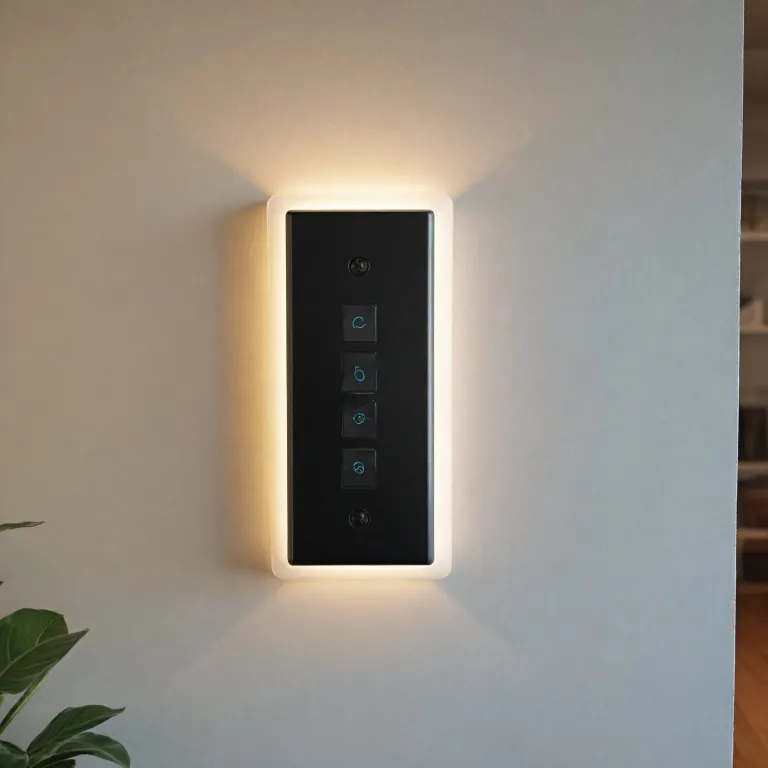
How a light switch rocker shapes everyday lighting comfort
A light switch rocker looks simple, yet it defines how you feel light. In many homes the main product that people touch daily is still a physical light switch, even when smart bulbs and wireless controls exist in the background. A well designed rocker switch on the wall quietly connects your hand, your eyes, and the electrical source that powers every led light in the room.
Unlike a tiny toggle switch, a broad rocker paddle or decorator light control lets you tap with a finger, elbow, or even the back of your hand. This larger paddle body is especially helpful when you cross a dark corridor and need to find the light switch quickly without fumbling. For families, a white decora rocker or similar rocker switches also help children and older adults operate light switches independently and safely.
Most homes still rely on a single pole electrical circuit for each room, so the choice of single pole rocker light products matters more than many people expect. A standard rocker wall layout with a matching wall plate can host several switches side by side, each controlling a separate light bar or led light strip. When you plan these products carefully, you can manage several light switches independently while keeping the switch wall visually calm and easy to clean.
In smart lighting projects, the humble light switch rocker becomes the physical anchor for digital control. Even when an app or voice assistant adjusts brightness, the rocker switch remains the intuitive backup that always works when networks fail. Choosing the right rocker light interface therefore blends ergonomics, electrical safety, and long term reliability in one compact switch plate.
Comparing standard rocker switches and smart low voltage options
At first glance, a standard light switch rocker and a smart low voltage control can look almost identical. Behind the wall plate, however, the electrical body and wiring of these products differ significantly, which affects safety, compatibility, and long term performance. Understanding these differences helps you match each rocker switch to the right light source and smart system.
A traditional single pole rocker switch simply opens or closes the pole electrical connection to the light. These classic light switches work well with incandescent lamps and many led light fittings, but they do not provide dimming or energy data. Smart rocker switches, by contrast, often use low voltage electronics to talk with hubs or wireless protocols while still controlling mains power to the light bar or ceiling fixture.
Many decorator light designs now integrate a small night light or status led light into the rocker paddle. This feature can guide you to the switch wall in a dark hallway, while still keeping the main light switch off to save energy. When you choose such products, check whether the built in night light is compatible with your electrical source and whether it affects very sensitive led drivers.
Some smart systems move the switching function entirely into a low voltage module, leaving the visible rocker wall control as a simple signal sender. In that case, the rocker switches act more like buttons, sending commands to a controller that manages several light switches independently. For readers exploring advanced dimming and automation, a detailed guide to a Zigbee dimmer switch for everyday smart light control can clarify how these low voltage and wireless layers interact with your existing rocker light hardware.
Designing a comfortable switch wall with decorator rockers
The visual design of a light switch rocker matters as much as its wiring. A clean decorator light layout with aligned rocker paddle controls and matching wall plates can make a room feel more ordered and calm. When you coordinate the color of each rocker switch, wall plate, and surrounding wall, the whole switch wall becomes almost invisible until you need it.
Most homeowners still choose a white decora rocker because it matches standard trim and electrical accessories. This neutral color works well with both warm and cool led light sources, and it keeps the focus on the room rather than the switches. For more expressive interiors, colored wall plates and contrasting rocker switches can highlight the light switch as a deliberate design element.
When you combine several products in one location, think carefully about how people will use them. Group the main light switch closest to the door handle, then place secondary rocker switches for a light bar, night light, or accent led light further away. This arrangement lets guests find the primary rocker light control instantly, while still giving residents access to more advanced products on the same plate.
Modern single pole decorator light controls often share the same rectangular body and plate format, which simplifies upgrades. You can replace an older toggle switch with a new decora rocker or smart rocker wall device without cutting the wall. If you plan to add dimming or smart features later, consider starting with a compatible single pole smart dimmer switch that matches your chosen rocker switches and wall plates.
Ergonomics, accessibility, and safety in rocker light controls
A well chosen light switch rocker can significantly improve accessibility for children, older adults, and people with limited mobility. The broad rocker paddle allows operation with minimal force and a simple tap motion, unlike small toggle switches that require pinching or gripping. When combined with a gentle led night light, the switch wall becomes easier to locate without harsh brightness.
From an ergonomic perspective, the height and spacing of rocker switches on the wall are as important as the products themselves. Mounting a single pole rocker switch too high or too low can make everyday use uncomfortable, especially in corridors where people pass quickly. Many building guidelines therefore recommend a standard mounting height that suits most body sizes and allows wheelchair users to reach the light switch comfortably.
Safety also depends on choosing the right electrical body and rating for each rocker switch. A product designed for low voltage control cannot safely replace a mains rated single pole electrical switch, even if the rocker paddle looks identical. Always check that the light switch, wall plate, and internal components match the voltage, current, and led light load of the circuit.
For multi unit buildings and smart living platforms, the combination of physical rocker wall controls and digital automation can enhance both safety and convenience. A detailed case study on a smart living platform that transforms lighting and resident experience shows how standardized rocker switches, coordinated wall plates, and centralized control can work together. In such projects, residents still use familiar light switches independently, while the system manages energy, access, and emergency lighting in the background.
Integrating light switch rockers with smart lighting ecosystems
When you upgrade to smart lighting, the existing light switch rocker becomes a strategic decision point. Leaving a traditional single pole rocker switch in place can cut power to smart bulbs, which then lose connectivity and automation. Replacing that product with a compatible rocker switch or smart wall control keeps the electrical source stable while allowing digital control of led light scenes.
Many smart ecosystems now offer decorator light controls that mimic a standard decora rocker in shape and feel. These rocker switches may include extra buttons, a small light bar of status leds, or a discreet night light, yet they still fit standard wall plates. This approach lets you keep a consistent switch wall appearance while adding advanced functions like dimming, scene recall, and timer based control.
In some cases, installers leave the original light switch in the on position and add a low voltage wireless rocker wall control nearby. The new rocker paddle then sends commands to smart lamps or modules, while the old switch plate remains untouched as a safety backup. This hybrid method allows residents to use light switches independently while still benefiting from automation and remote access.
For complex homes with many products and circuits, labeling each rocker switch clearly on the wall plate helps avoid confusion. Marking which rocker light controls the main ceiling light, which operates a light bar, and which manages accent led light strips reduces accidental switching off of smart devices. Over time, a carefully planned combination of rocker switches, smart modules, and standardized wall plates creates a reliable and intuitive lighting ecosystem.
Choosing quality products and understanding technical specifications
Selecting a reliable light switch rocker involves more than matching color and style. You need to check the electrical rating, compatibility with led light loads, and whether the product supports single pole or more complex wiring. High quality rocker switches from established brands often provide clearer documentation, better materials, and safer performance over many years.
When evaluating products, pay attention to whether the rocker switch is rated for inductive, resistive, or mixed loads. Led light sources can create specific electrical challenges, so a switch designed only for traditional lamps may cause flicker or premature wear. Look for information about minimum load, maximum wattage, and whether the rocker light control is suitable for low voltage drivers or only for mains voltage.
Some decorator light ranges include matching accessories such as screwless wall plates, modular rocker paddles, and integrated night light options. These coordinated products allow you to build a consistent switch wall across several rooms, even when some locations use simple single pole electrical switches and others use smart modules. The result is a unified visual language that still respects the technical needs of each circuit.
In professional installations, electricians often favor brands like pass seymour for their robust rocker switches and clear labeling. A pass seymour light switch or decora rocker typically fits standard wall plates and supports common wiring methods, which simplifies maintenance. Whatever brand you choose, verifying certifications, reading the technical sheet, and matching each product to its intended electrical source will help your light switches operate safely and reliably for many years.
Key statistics about light switch rockers and smart lighting
- Include here quantitative statistics from authoritative building, energy, or lighting studies that relate to adoption rates of rocker switches, smart lighting controls, and led light usage in residential and commercial buildings.
- Highlight data on energy savings achieved when traditional light switches are combined with smart controls, occupancy sensors, or low voltage automation systems.
- Mention statistics about user satisfaction or accessibility improvements when homes transition from small toggle switches to larger decorator light rockers with illuminated night light features.
- Reference figures on the growing share of led light sources in global lighting markets and how this trend influences the design of rocker switches and compatible products.
Common questions about light switch rockers
How does a light switch rocker differ from a traditional toggle switch ?
A light switch rocker uses a broad paddle that you press on one side or the other, while a toggle switch uses a small lever that flips up and down. The rocker paddle offers a larger contact area, which improves accessibility and makes it easier to operate in the dark. Rocker switches also align visually with modern wall plates and decorator light styles, which many homeowners prefer for contemporary interiors.
Can a light switch rocker work with led light bulbs and fixtures ?
Most modern light switch rocker products are compatible with led light sources, provided they are correctly rated for the electrical load. For simple on off control, a standard single pole rocker switch usually works well with led lamps that are designed for mains voltage. If you plan to dim led light sources, you should choose a rocker light dimmer or smart module that specifically lists led compatibility to avoid flicker or buzzing.
What is a single pole light switch rocker and when is it used ?
A single pole light switch rocker controls one circuit from a single location, which is the most common arrangement in homes. When you press the rocker paddle, it opens or closes the pole electrical connection to the light or other load. This type of rocker switch is typically used for room lights, hallways, and simple circuits where you do not need control from multiple locations.
Are decorator light rockers suitable for smart home systems ?
Decorator light rockers are often designed to fit standard wall plates and can be found in both traditional and smart versions. Many smart switches use the same decora rocker shape while adding electronics for wireless communication, dimming, or scene control. As long as the rocker switch is compatible with your smart platform and electrical source, it can integrate smoothly into a broader smart lighting ecosystem.
How do I choose the right wall plate for my rocker switches ?
To choose the right wall plate, first match the size and opening style to your light switch rocker or rocker switches. Standard decora style wall plates have a rectangular opening that fits most decorator light controls, including smart rocker wall devices. You can then select the color, finish, and number of gangs so that the wall plate coordinates with your interior design and the number of switches on the switch wall.
Trusted references : Illuminating Engineering Society (IES), International Electrotechnical Commission (IEC), U.S. Department of Energy (DOE).