

Understanding what a vacancy sensor is
What Makes a Vacancy Sensor Unique?
A vacancy sensor is a type of motion sensor designed to help manage your lighting automatically. Unlike an occupancy sensor, which turns lights on when it detects motion and off when the room is empty, a vacancy sensor requires you to manually turn the lights on. The sensor will then automatically turn them off after a set period of no motion. This approach can help reduce energy waste and prevent lights from turning on unnecessarily.
Key Features and Sensor Types
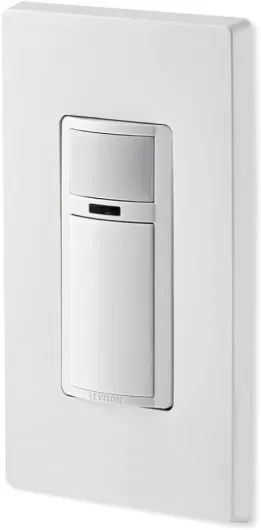
Vacancy sensors come in several forms, including wall switch models and ceiling mount options. Many use passive infrared (PIR) technology to detect movement. Some sensors, like the popular Enerlites models, offer single pole or multi-way wiring, and are available in different colors such as white to match your decor. You can find sensors designed for various voltage requirements, including standard voltage and high bay applications.
- Wall mount and ceiling mount options
- Battery powered or hardwired choices
- Switch vacancy and mount occupancy configurations
- Sensor white finish for a clean look
Where Vacancy Sensors Fit in Smart Lighting
Integrating a vacancy sensor into your smart lighting system can be a smart move for both convenience and energy savings. These sensors work well in spaces where you want control over when lights turn on, such as bedrooms, bathrooms, or offices. When comparing occupancy and vacancy sensors, consider your habits and the level of automation you want. For more on how smart devices like sensors and switches can enhance your home security, check out this guide on smart home security with Z-Wave door locks.
Understanding the Range of Options
There are many options to choose from, including PIR sensor models, wall switch sensors, and voltage ceiling sensors. Some are designed for single rooms, while others can handle larger spaces or high bay fixtures. Price, view angle, and mounting style are important factors to compare when selecting the right sensor for your needs. As you explore further, you'll learn how these sensors work within a smart lighting setup and how to choose the best one for your space.
How vacancy sensors work in smart lighting
How sensors detect and respond to motion
Vacancy sensors are a key part of smart lighting systems, using advanced technology to detect when a room is empty and automatically turn off the lights. Most vacancy sensors rely on passive infrared (PIR) technology, which senses changes in heat and movement within a space. When the sensor detects no motion for a set period, it signals the lighting fixture or wall switch to power off, helping reduce energy consumption.
Integration with smart lighting controls
Modern vacancy sensors are designed to work seamlessly with various smart lighting options. Whether you choose a single pole wall switch, a ceiling mount sensor, or a battery powered unit, these devices can be integrated into your existing lighting setup. Some models, like the Enerlites sensor wall switch, offer features such as adjustable voltage, color options like white, and compatibility with both high bay and standard fixtures. This flexibility allows you to customize your lighting control based on room size, usage, and design preferences.
Comparing sensor types for smart lighting
It's important to compare vacancy sensors with occupancy sensors. While both use motion detection, the main difference lies in how they respond to presence. Occupancy sensors automatically turn lights on when motion is detected and off when the room is empty. Vacancy sensors, on the other hand, require you to manually turn the lights on, but will switch them off automatically when the space is vacant. This distinction can impact your choice of sensor, depending on your needs for convenience and energy savings.
Mounting and installation options
Vacancy sensors come in a range of mounting options, including wall mount, ceiling mount, and even portable battery powered units. The right choice depends on your room layout and the type of lighting fixture you use. For example, a voltage ceiling mount sensor is ideal for large, open areas, while a sensor white wall switch blends in with most home decors. Many sensors are available in single or multi-pole configurations, making them suitable for different wiring setups.
Enhancing your smart lighting with additional features
Some advanced sensors offer extra features like adjustable view range, customizable time delays, and compatibility with both occupancy and vacancy modes. Price and brand, such as Enerlites, can also influence your decision. For those interested in boosting their smart lighting system's capabilities, integrating night vision with IR lights can further enhance security and convenience. Learn more about this in our guide on enhancing night vision with IR lights.
Benefits of using a vacancy sensor in your home
Why Vacancy Sensors Make a Difference in Everyday Lighting
Vacancy sensors bring a new level of convenience and efficiency to smart lighting setups. Unlike standard switches, a vacancy sensor requires you to manually turn on the lights, but it will automatically turn them off when no motion is detected. This simple change can have a big impact on your daily routine and energy usage.
- Energy Savings: By ensuring lights are only on when needed, vacancy sensors help reduce electricity bills. This is especially noticeable in rooms where lights are often left on by accident, such as bathrooms, hallways, or utility rooms.
- Enhanced Comfort: With a sensor wall switch or a ceiling mount option, you don’t have to worry about forgetting to turn off the lights. The passive infrared (PIR) sensor technology detects when a room is empty and switches off the fixture automatically.
- Customizable Options: There are various models available, from single pole wall switches to battery powered ceiling mount sensors. Brands like Enerlites offer a range of color choices, including sensor white, to match your decor. You can also compare voltage ceiling and high bay options for larger spaces.
- Improved Safety: Vacancy sensors can help prevent accidents by ensuring rooms are never left dark unintentionally. This is particularly useful in stairways or garages where visibility is crucial.
- Cost-Effective: While the price of a vacancy sensor or a switch vacancy model may vary, the long-term savings on your energy bill often outweigh the initial investment. Plus, installation is straightforward, whether you choose a wall mount or ceiling mount occupancy sensor.
When you compare vacancy sensors to occupancy sensors, you’ll notice that vacancy sensors give you more control over when the lights turn on, which can be a better fit for bedrooms or spaces where you don’t want lights triggered by every movement. For creative ideas on how to enhance your lighting atmosphere, check out these creative ways to hang fairy lights for inspiration.
Comparing vacancy sensors and occupancy sensors
Key Differences Between Vacancy and Occupancy Sensors
When you compare a vacancy sensor to an occupancy sensor, the main distinction lies in how each sensor triggers your lighting. Both use motion detection technology, often passive infrared (PIR), but their operation and user experience differ in meaningful ways.
- Vacancy sensors require you to manually turn the light on using a wall switch. The sensor will then automatically turn the light off after the room is vacant for a set period. This approach helps reduce unnecessary activations and can be ideal for spaces where you want more control, such as bedrooms or home offices.
- Occupancy sensors automatically turn the lights on when they detect motion and off when the area is empty. This is convenient for high-traffic areas like hallways, bathrooms, or utility rooms, where hands-free operation is a priority.
Sensor Placement and Mounting Options
Both sensor types come in a variety of mounting options, including wall mount, ceiling mount, and high bay fixtures. For example, a wall mount switch vacancy sensor is often used in single pole applications, while a voltage ceiling mount occupancy sensor is suitable for larger or commercial spaces. The Enerlites brand offers several options in sensor white color, making it easy to match your existing decor.
Power Source and Voltage Considerations
Vacancy and occupancy sensors are available in hardwired and battery powered models. Voltage requirements can vary, so it’s important to check compatibility with your lighting fixture and electrical system. Some sensors support a wide voltage range, making them versatile for different installations.
Price and Feature Comparison
| Feature | Vacancy Sensor | Occupancy Sensor |
|---|---|---|
| Manual On/Auto Off | Yes | No |
| Auto On/Auto Off | No | Yes |
| Energy Savings | High (user control) | Moderate (auto activation) |
| Best For | Bedrooms, offices | Hallways, bathrooms |
| Price Range | Varies by features | Varies by features |
When selecting between sensors vacancy and occupancy sensors, consider your space, desired level of control, and the type of lighting you want to automate. Whether you opt for a PIR sensor wall mount or a ceiling mount occupancy switch, understanding these differences will help you make the right choice for your smart lighting needs.
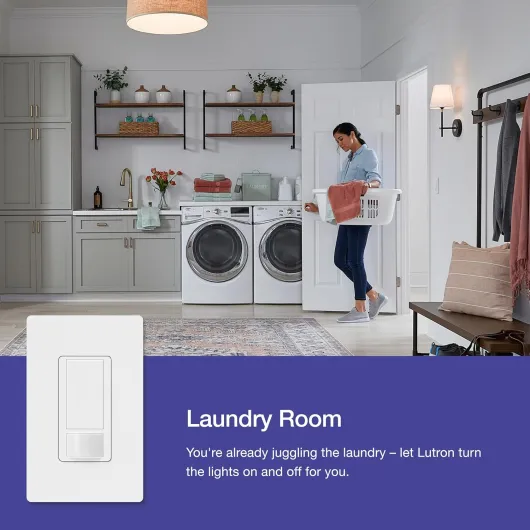
- + Motion sensor for automatic lighting
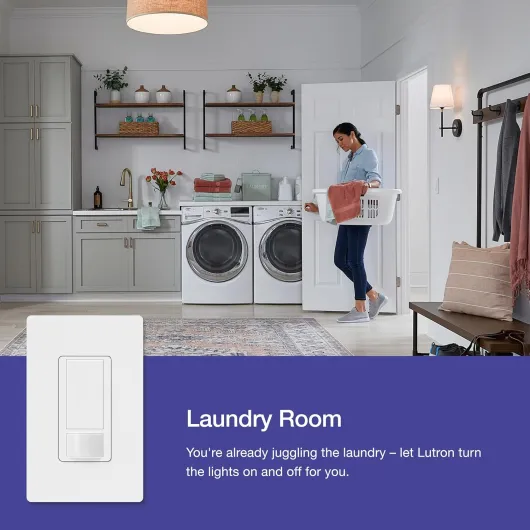
- + Suitable for multiple rooms like bathroom, garage, and laundry
- + Compatible with any bulbs
- + Easy installation with single-pole configuration
- + Pack of 2 switches for value

Tips for installing and integrating vacancy sensors
Getting Ready for Installation
Before installing a vacancy sensor or occupancy sensor, it’s important to understand your existing lighting setup. Identify whether you need a wall switch, ceiling mount, or a fixture-based sensor. Most modern sensors, like the popular Enerlites models, come in single pole or multi-way options. Check the voltage requirements—some sensors are designed for standard voltage, while others are suitable for high bay or commercial spaces.
Placement and Mounting Tips
- Wall Switch vs. Ceiling Mount: Wall switch sensors are ideal for rooms with a single entry point, like bathrooms or closets. Ceiling mount sensors provide a wider view and are better for larger areas or open spaces.
- Passive Infrared (PIR) Sensors: These sensors detect motion using heat signatures. For best results, avoid placing PIR sensors near vents or windows where temperature changes could cause false triggers.
- Color and Style: Most sensors come in neutral colors like white to blend with your décor. Check for options that match your wall or fixture color for a seamless look.
Wiring and Power Considerations
- Wired vs. Battery Powered: Wired sensors offer reliability but may require professional installation, especially for voltage ceiling or high bay fixtures. Battery powered options are easier to install but need periodic battery changes.
- Compatibility: Make sure the sensor is compatible with your lighting type—LED, incandescent, or fluorescent. Some sensors work better with certain fixtures or switch types.
Integration with Smart Lighting Systems
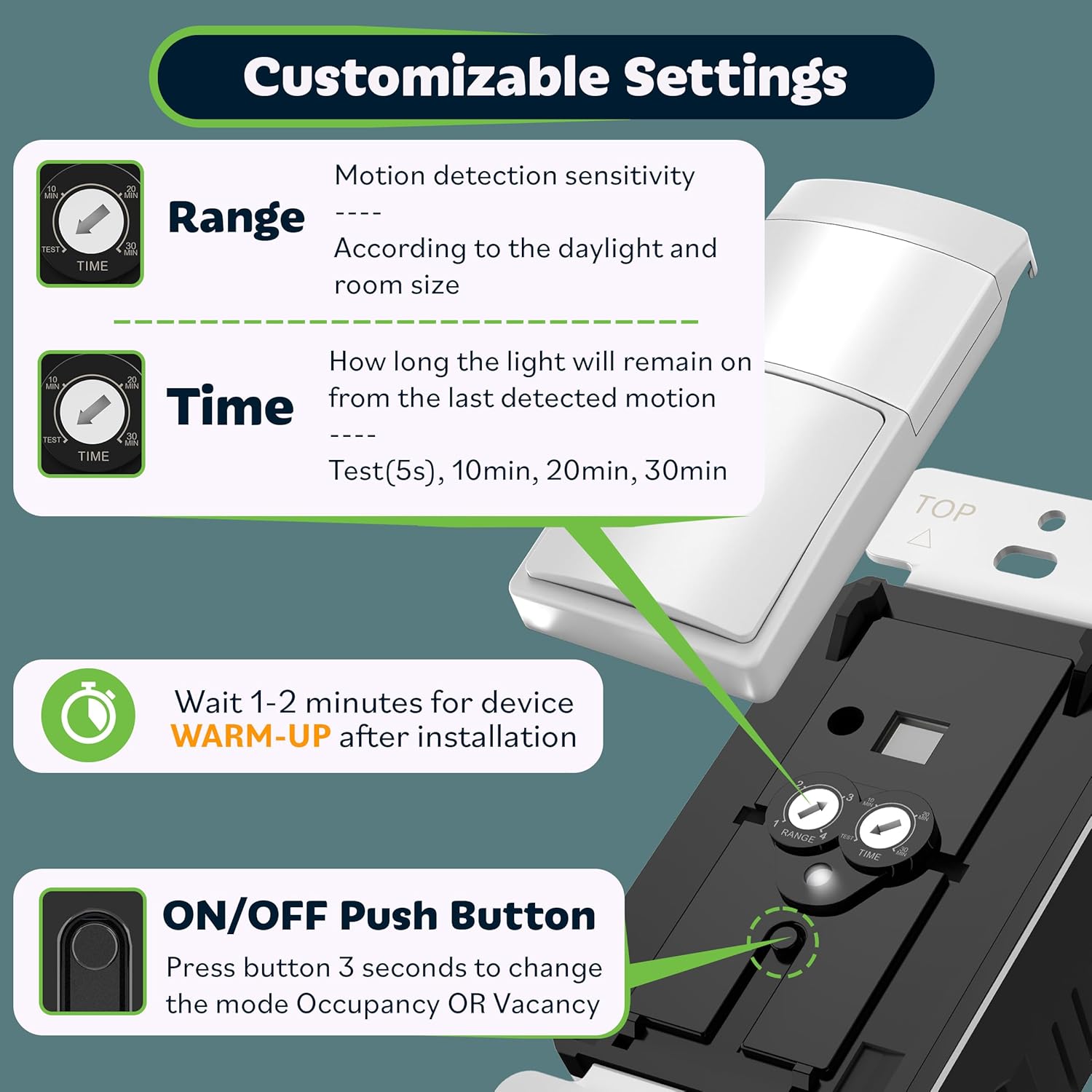
To maximize the benefits of your vacancy sensor, integrate it with your smart lighting system. Many sensors vacancy and occupancy sensors can connect with home automation platforms, allowing you to set schedules, adjust sensitivity, or monitor usage remotely. Compare different models for features like adjustable time delay, sensitivity settings, and multi-sensor support.
Testing and Adjustments
- After installation, test the sensor’s detection range and response time. Adjust the mount or angle if needed for optimal coverage.
- Fine-tune settings to avoid false triggers from pets or HVAC airflow.
| Sensor Type | Mounting Option | Power Source | Best For |
|---|---|---|---|
| Vacancy Sensor | Wall Switch, Ceiling Mount | Wired, Battery Powered | Bedrooms, Bathrooms, Offices |
| Occupancy Sensor | Wall Mount, Fixture, High Bay | Wired, Voltage Ceiling | Hallways, Garages, Warehouses |
Taking the time to compare options and follow these installation tips will help you get the most out of your smart lighting sensors, whether you choose a PIR sensor, a wall switch, or a ceiling mount solution.
Choosing the right vacancy sensor for your space
Key Factors to Evaluate Before Buying
When selecting a vacancy sensor for your smart lighting setup, it’s important to compare several features and specifications. The right choice depends on your room layout, lighting needs, and how you want the sensor to interact with your daily routine. Here are some points to consider:
- Sensor Type: Decide between a vacancy sensor, occupancy sensor, or a dual occupancy vacancy sensor. Vacancy sensors require manual activation and automatic shutoff, while occupancy sensors turn lights on and off automatically. Some switches offer both modes for flexibility.
- Detection Technology: Most modern sensors use passive infrared (PIR) technology to detect motion. PIR sensors are reliable for detecting body heat and movement, making them suitable for most residential spaces.
- Mounting Options: Sensors come in wall switch, wall mount, and ceiling mount designs. Wall switch sensors replace standard light switches, while ceiling mount and wall mount sensors offer broader coverage, especially in larger or high bay areas.
- Voltage Compatibility: Check if the sensor matches your fixture’s voltage requirements. Some models are designed for single pole wiring, while others support multiple voltages or are suitable for commercial voltage ceiling installations.
- Coverage and Field of View: Review the sensor’s coverage area and view angle. For example, a ceiling mount PIR sensor typically covers a wider area than a wall switch sensor. This is crucial for open-plan rooms or spaces with unusual layouts.
- Color and Design: Many brands, such as Enerlites, offer sensors in white or other colors to match your decor. A sensor white finish is common and blends well with most wall colors.
- Power Source: While most sensors are hardwired, battery powered options are available for locations where wiring is difficult.
- Price and Brand: Compare prices and read reviews. Brands like Enerlites are known for reliable wall switch and mount occupancy sensors at various price points.
Popular Options and What to Look For
| Model | Type | Mount | Voltage | Color | Coverage | Price Range |
|---|---|---|---|---|---|---|
| Enerlites HOSS | Vacancy Sensor | Wall Switch | Single Pole | White | 180° | $$ |
| Leviton ODS10-ID | Occupancy/Vacancy | Wall Switch | 120/277V | White | 180° | $$$ |
| Lutron Maestro | Occupancy Sensor | Ceiling Mount | 120V | White | 360° | $$$ |
| Enerlites MPC-50V | PIR Sensor | Ceiling Mount | High Bay | White | 360° | $$ |
When you compare sensors, focus on how each model’s features align with your space and usage. For example, a wall switch vacancy sensor is ideal for bedrooms or bathrooms, while a ceiling mount PIR sensor suits open living areas or offices. Always check compatibility with your existing lighting and wiring before purchase.