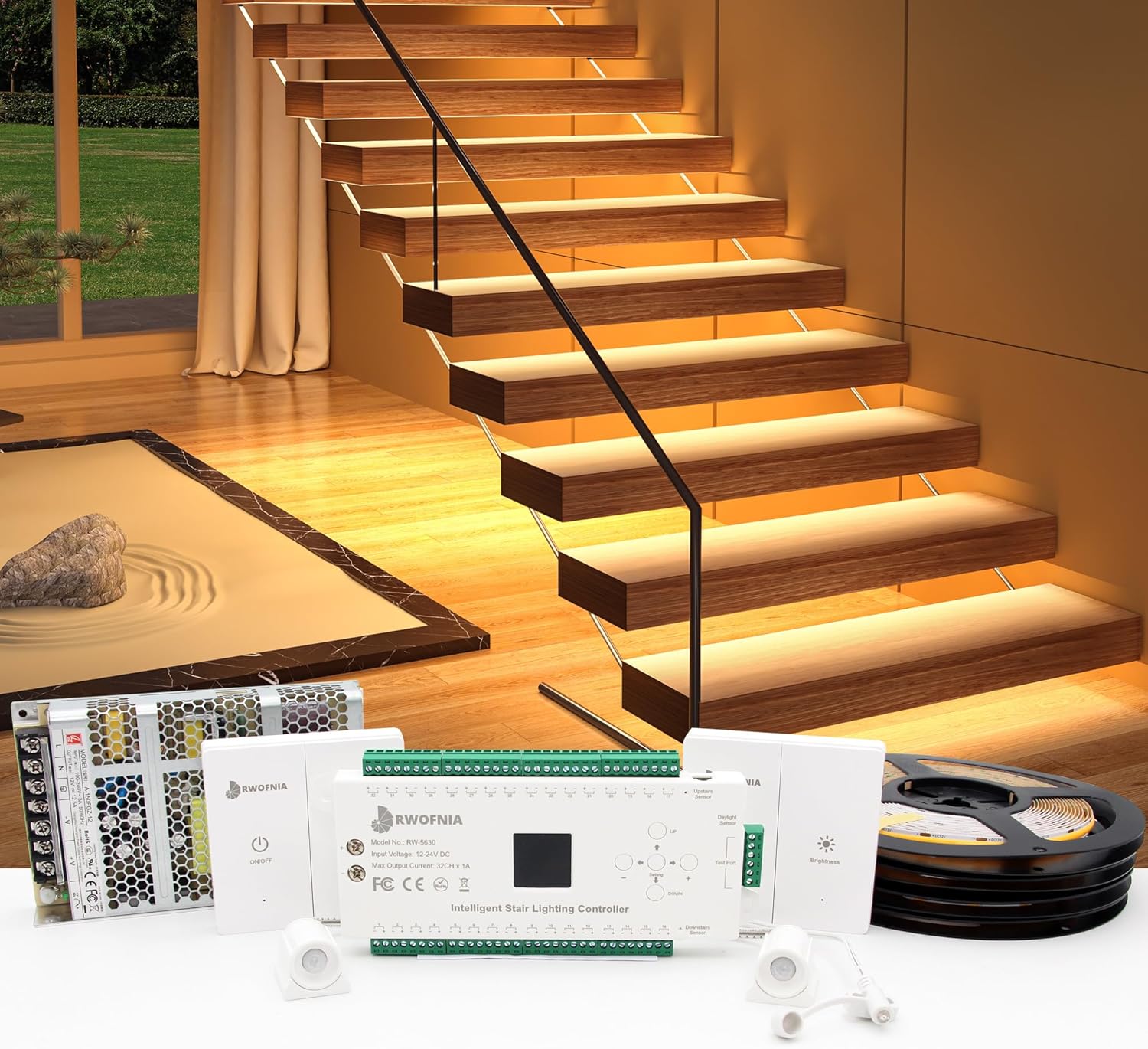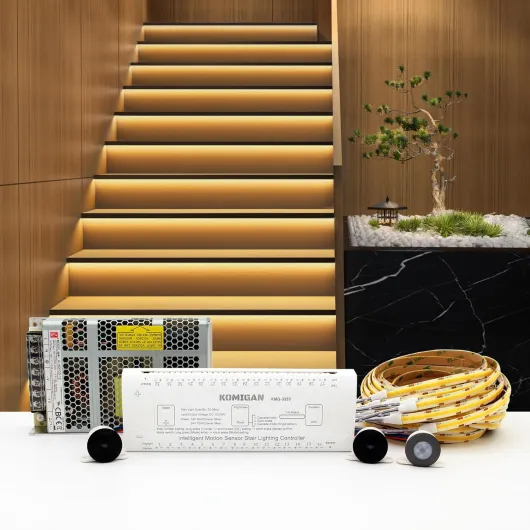

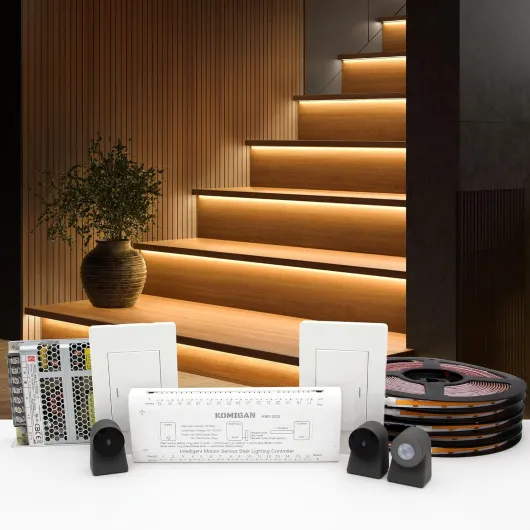
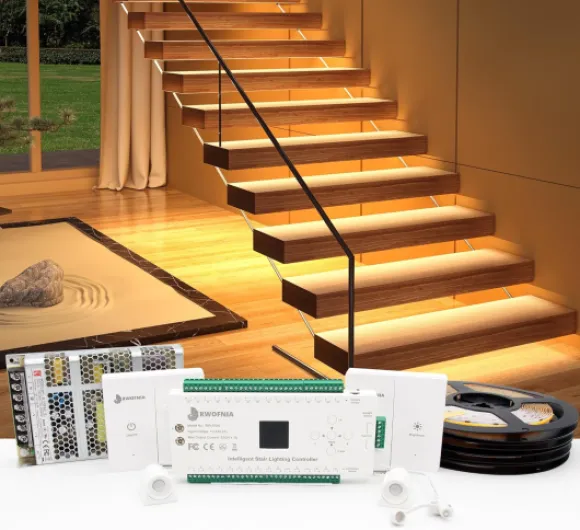
Understanding the benefits of stairs with lighting
Why Lighting Makes a Difference on Stairs
Adding lighting to your stairs is more than just a modern design choice. It’s a practical way to improve safety and create a welcoming atmosphere in your home. Well-placed stair lights or LED strips help prevent accidents by making each step visible, especially in low-light conditions. This is crucial for families with children, elderly individuals, or anyone who uses the staircase at night.
Blending Safety with Style
Staircase lighting isn’t just about function. With the right products, you can add a stylish touch to your home. LED strip lights, wall mounted step lights, and even motion sensor options allow you to highlight architectural details and personalize your space. The variety of available designs and colors, from classic white to vibrant RGB, means you can match your lighting with your interior style.
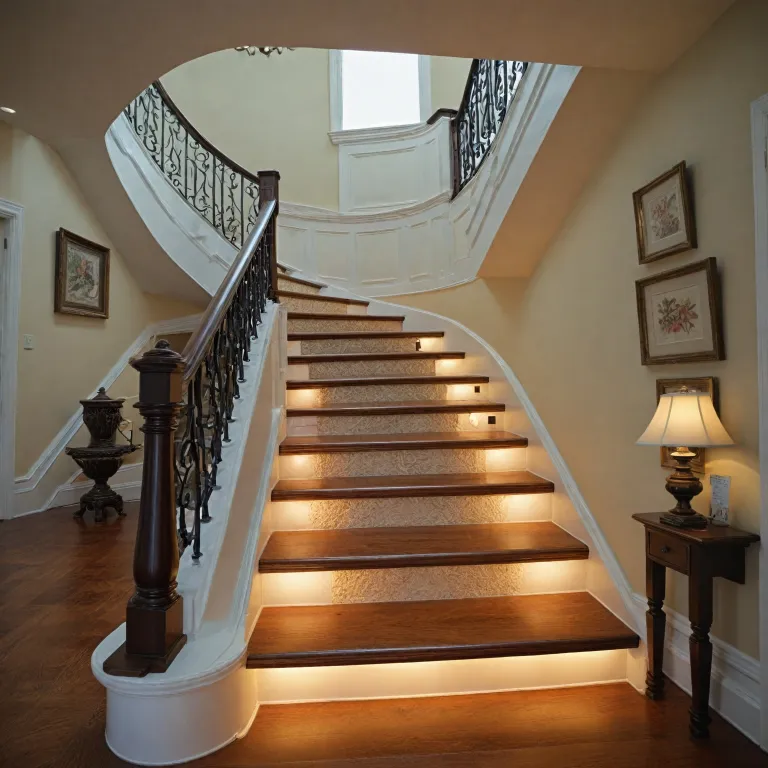
- LED strips can be installed under each step for a floating effect.
- Step lights or stair lights can be recessed into the wall for a subtle look.
- Motion sensors offer hands-free operation, turning on the lights only when needed.
Enhancing Your Home’s Value and Comfort
Investing in stair lighting can increase your home’s value and appeal. Modern LED lighting options are energy efficient and long lasting, making them a smart choice for both new builds and renovations. Whether you’re looking to add a touch of luxury or simply want to make your stairs safer, there’s a solution to fit every price range and design preference.
For more inspiration on how to use LED lighting to enhance your steps, check out this guide on enhancing your outdoor steps with LED lighting.

Types of smart lighting suitable for stairs
Popular Smart Lighting Options for Staircases
When it comes to lighting stairs, there are several modern options that blend safety and style. Choosing the right type of lighting can make a big difference in both the look and functionality of your staircase. Here are some of the most common products and solutions used for stair lighting:
- LED Strip Lights: These flexible strips are a favorite for lighting stairs. They can be installed under each step or along the handrail, offering a continuous line of light. LED strips come in various colors, including white and RGB, allowing you to customize the design to match your interior.
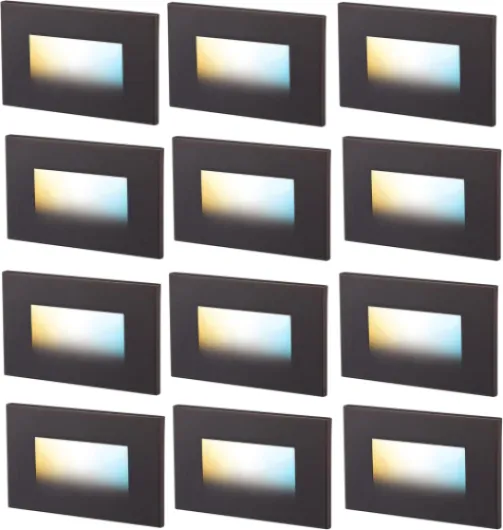
- Step Lights: Small, recessed lights are built into the wall or the stair riser. Step lights provide focused illumination on each tread, improving safety and adding a modern touch to your staircase lighting.
- Wall Mounted Stair Lights: These lights are installed on the wall beside the staircase. They can be both decorative and functional, helping to highlight the stairs and add a stylish accent to your home.
- LED Channels: For a sleek, finished look, LED channels can be used to house LED strips. This option protects the strip and diffuses the light, creating a soft, even glow along the stairs.
- Motion Sensor Lights: Adding motion sensors to your stair lights increases convenience and energy efficiency. Lights only turn on when movement is detected, making them ideal for nighttime use or when your hands are full.
Comparing Features and Price Points
Each lighting option comes with its own set of features and price ranges. LED strip lights and channels are often chosen for their flexibility and modern design, while step lights and wall mounted options are valued for their targeted illumination. Motion sensors can be added to most types of stair lighting for extra convenience. When comparing products, consider the following:
- Brightness and color options: Look for adjustable white or RGB LED lighting to match your desired ambiance.
- Installation method: Some lights require professional installation, while others are easy to add yourself.
- Durability and safety: Choose products with good reviews and safety certifications, especially for high-traffic stairs.
- Price: LED strip lights and channels are usually more affordable, while integrated step lights may have a higher price due to installation complexity.
Inspiration from Outdoor Lighting Solutions
If you are considering lighting ideas for both indoor and outdoor stairs, you might find inspiration from outdoor solar lighting solutions. Many of the same principles apply, such as using LED strips or step lights for safety and aesthetics. Outdoor-rated products are designed to withstand weather, making them a good option for exterior staircases as well.
Key features to consider when choosing smart stair lighting
What to Look for in Smart Stair Lighting
When choosing smart lighting for your stairs or staircase, it’s important to focus on features that enhance both safety and style. The right details can make a big difference in how your stair lighting performs and looks. Here are some key aspects to consider:
- Brightness and Color Options: Look for LED lights or LED strips that offer adjustable brightness. Some products provide both warm white and RGB color options, allowing you to match your lighting with your interior design or mood. Dimmable lights can add a modern touch and help you create the right ambiance for your stairs.
- Motion Sensors: Motion sensor stair lights or wall mounted step lights are a practical option for safety and energy efficiency. These lights automatically turn on when someone approaches, making them ideal for lighting stairs at night or in low-light conditions. Motion sensors also help extend the life of your LED lighting by reducing unnecessary usage.
- Installation Flexibility: Consider whether you want strip lights, LED channels, or individual stair lights. LED strip lighting is popular for its flexibility and ease of installation along the edge of each step or under the handrail. LED channels can give a more finished look and protect your lights from dust and damage.
- Smart Controls: Many modern stair lighting products can be controlled via smartphone apps, voice assistants, or remote controls. This allows you to adjust brightness, set schedules, or change colors with ease. Check compatibility with your existing smart home system for seamless integration.
- Durability and Safety: Stairs lighting should be robust enough to withstand foot traffic and cleaning. Look for products with good build quality, water resistance, and safe voltage ratings. Details like anti-slip LED channels can add extra safety to your staircase lighting design.
- Price and Value: Compare the price of different lighting options and consider the long-term value. Energy-efficient LED stair lights may have a higher upfront cost but can save money over time through lower electricity bills and longer lifespan.
For those interested in exploring unique shapes and energy-efficient solutions, circular light bulbs can be a smart addition to your stair lighting ideas. They offer a modern look and can complement various staircase lighting designs.
By focusing on these features, you can select the best lighting led products to enhance your stairs with both function and style. Whether you prefer subtle white LED strips or bold RGB stair lights, the right choice will add safety and a modern view to your home.
Installation tips for smart stair lighting
Preparing Your Staircase for Smart Lighting
Before installing any stair lighting, assess your staircase structure. Check if you have access to power outlets nearby or if you’ll need to run new wiring. For LED strip lights or step lights, a clean and dry surface is essential. Dust and debris can affect the adhesive on LED strips and the performance of wall mounted fixtures. If you’re planning to add a led channel for a modern look, measure the length of your stairs and consider the width of the channel to ensure a seamless fit.Choosing the Right Installation Method
The installation method depends on the type of lighting you select. Here’s a quick comparison:| Lighting Option | Installation Complexity | Best For |
|---|---|---|
| LED Strip Lights | Easy to Moderate | Under stair treads, along handrails |
| Step Lights | Moderate | Individual steps, wall mounted |
| LED Channels | Moderate to Advanced | Modern, seamless design |
| Motion Sensor Lights | Easy | Hands-free lighting, energy saving |
Wiring and Power Considerations
For most LED lighting products, low voltage wiring is common, making installation safer for DIYers. However, if you’re not comfortable with electrical work, consult a professional. Battery-powered stair lights or wireless options can be easier to install, but check the battery life and price before choosing. For RGB or white LED strips, ensure your power supply matches the total wattage of your lights. Using a compatible dimmer or smart controller can add flexibility to your lighting design.Tips for a Clean and Safe Installation
- Test your lights before final installation to view the effect and placement.
- Hide cables using cable covers or by running them behind the staircase for a tidy look.
- Secure LED strips firmly, especially on high-traffic stairs, to prevent peeling.
- For wall mounted step lights, mark the positions carefully to maintain even spacing and consistent design.
- Consider adding motion sensors for automatic lighting with minimal effort.
Final Checks and Adjustments
After installing your stair lighting, walk up and down the stairs to ensure even illumination and no glare. Adjust the brightness or color temperature if your products allow. If you notice any flickering or uneven lighting, double-check the connections and the details led in your setup. Well-installed led stair lighting not only adds safety but also elevates the style of your staircase.Creative ideas for lighting design on stairs
Highlighting Each Step for Visual Impact
One of the most effective ways to enhance your staircase is by using LED strip lights along the edge of each step. This not only boosts safety by clearly defining each stair, but also creates a modern, continuous line of light. LED strips can be installed under the lip of each tread or along the side wall, offering a subtle yet striking effect. For a seamless look, consider using an LED channel to house the strips, which also helps with heat dissipation and durability.Mixing Color Temperatures and RGB Effects
If you want to add a unique touch to your stair lighting, experiment with different color temperatures or even RGB LED strips. Warm white lighting gives a cozy, inviting feel, while cool white offers a crisp, modern vibe. RGB options let you change colors to suit your mood or occasion, making your staircase a dynamic feature in your home. Some products offer app control, allowing you to adjust brightness and color with ease.Integrating Motion Sensors for Functionality
Adding motion sensors to your stair lights is a practical and stylish option. With motion sensors, the lights activate only when someone approaches, saving energy and adding a touch of sophistication. This is especially useful for night-time navigation, as the lights gently illuminate your path without the need for manual switches.Combining Wall-Mounted and Step Lighting
For a layered lighting design, combine wall-mounted stair lights with LED strips or step lights. Wall-mounted fixtures can cast light across the stairs, highlighting textures and architectural details. Meanwhile, step lights or strip lights provide direct illumination, ensuring each stair is visible. This combination not only enhances safety but also adds depth and interest to your staircase lighting.Creative Placement and Design Details
Don’t be afraid to get creative with your lighting ideas. Consider installing LED lighting under the handrail, or use recessed stair lights for a minimalist look. Play with spacing and angles to create patterns or highlight specific features of your staircase. Details like these can elevate the overall design and make your stairs a true focal point.- LED strip lights for modern, continuous illumination
- RGB and color temperature options for personalized style
- Motion sensors for convenience and energy savings
- Wall-mounted fixtures to accentuate architectural details
- Creative placements such as under handrails or recessed into steps
When selecting products, compare price, features, and installation requirements to find the best fit for your staircase lighting project. Look for quality LED lighting solutions that offer both style and safety, ensuring your stairs are as functional as they are beautiful.
Troubleshooting common issues with smart stair lighting
Solving Connectivity and Power Problems
Smart stair lighting often relies on wireless connections and consistent power. If your LED strip lights or step lights are not responding, check your Wi-Fi signal strength near the staircase. Walls and floors can weaken the signal, so consider a Wi-Fi extender if needed. For hardwired LED lighting, confirm that all connections are secure and that the power supply matches the requirements of your lights. Battery-powered stair lights may simply need fresh batteries.Addressing Flickering and Dimming Issues
Flickering or dimming LED strips and stair lights can be caused by incompatible dimmers, overloaded circuits, or faulty LED drivers. Use dimmers and controllers specifically designed for LED products. If you have added multiple LED channels or strip lights, ensure your power supply can handle the total wattage. For RGB and white LED lighting, double-check that all connectors are firmly attached and free from dust or corrosion.Dealing with Motion Sensor Challenges
Motion sensors are a popular option for lighting stairs, but sometimes they fail to trigger or stay on too long. Make sure sensors are positioned to detect movement on the staircase, not just at the base or top. Adjust the sensitivity settings according to your staircase design. If your motion sensor lights are wall mounted, ensure nothing is blocking the sensor’s view. Regularly clean the sensor lens for optimal performance.Fixing Color and Brightness Inconsistencies
If your RGB LED strips or stair lights show uneven colors or brightness, check for loose connections along the LED channel or strip. Using products from the same brand and series can help maintain consistent color temperature and brightness. For staircase lighting with adjustable white, verify that the controller is set correctly and that all lights are compatible with your chosen settings.Maintaining and Replacing Components
Over time, LED stair lighting may lose brightness or fail. Regularly inspect your lights for signs of wear, such as yellowing covers or dimming LEDs. Replace faulty strip lights or step lights promptly to maintain safety and style. When choosing replacement products, match the specifications and design details of your existing setup to avoid compatibility issues.- Check product warranties and support options for troubleshooting help.
- Keep installation details and manuals for reference when replacing parts.