
Understanding automatic LED technology
How LED Technology Powers Automatic Lighting
Automatic LED lighting is changing the way we experience our homes. At its core, this technology combines energy efficient LED bulbs with smart sensors and controls. The result is lighting that responds to your needs, whether you want a soft white glow in the kitchen or a color changing effect in the living room. LEDs are known for being long lasting and low in energy consumption, making them a standard choice for modern lighting solutions.
Key Components of Automatic LED Systems
- LED Bulbs: These are the heart of the system, available in options like dimmable white, warm white, and even color changing. Many products offer packs for different rooms, so you can shop products that fit your space.
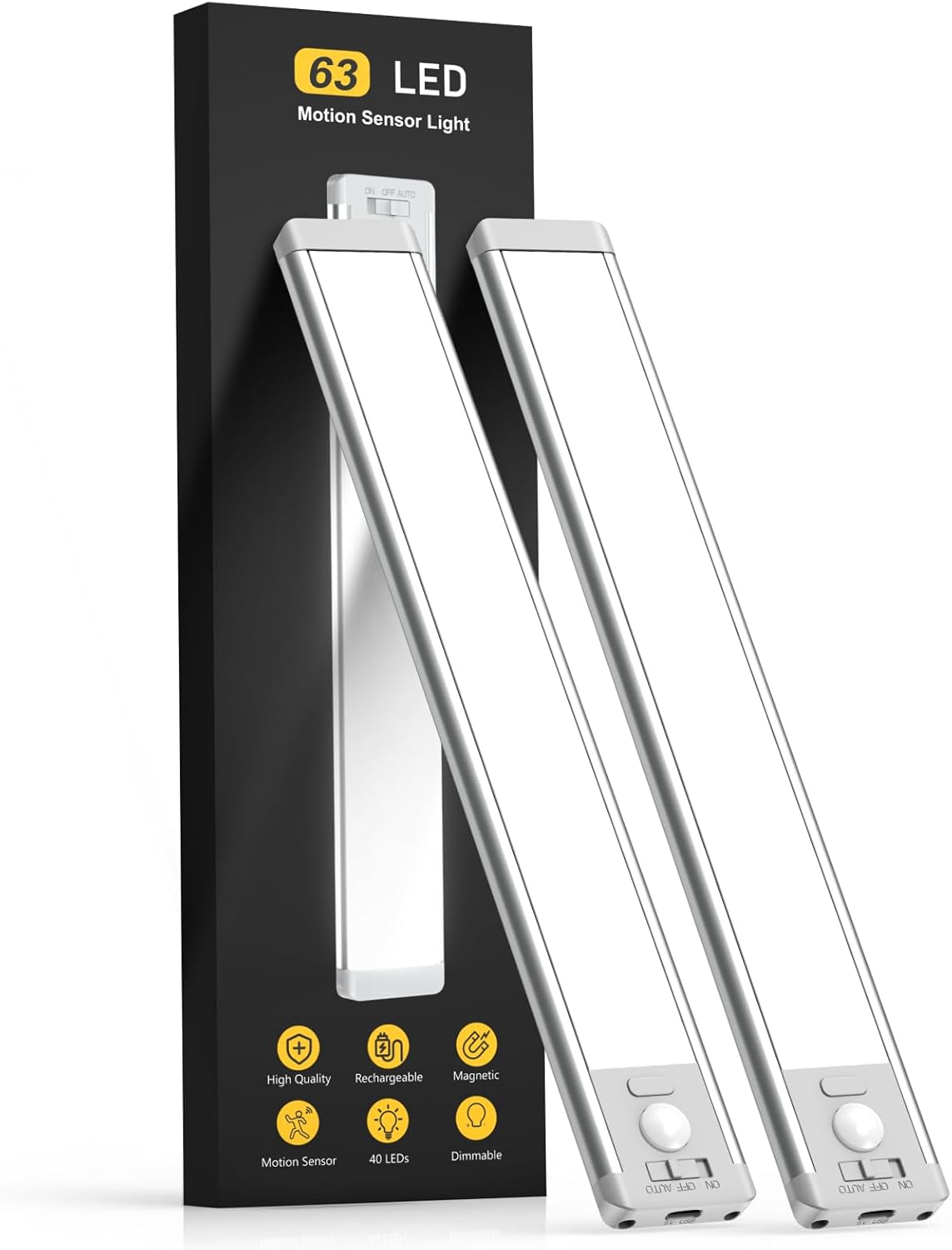
- Sensors: Motion sensors and light sensors are common features. Motion sensor lights automatically turn on when someone enters a room, while light sensors adjust brightness based on ambient light. Wireless motion sensors are especially popular for night lighting and hallways.
- Controls: From a simple light switch to advanced remote control or app-based systems, you can customize how your lights operate. Some products even allow you to set schedules or scenes for different times of day.
What Makes Automatic LED Lighting Stand Out?
Automatic LED lighting offers flexibility and convenience. You can choose from a range of products, including best seller light bulbs, sensor dimmable options, and color white or soft white LEDs. These systems are designed to fit every room, from the kitchen to the bedroom, and can be tailored to your lifestyle. Many lighting led products are also designed to be easy to install and integrate with other smart home devices, which will be explored further in this article.
For a deeper look at how smart lighting can transform your home experience, check out this guide on smart home lighting transformation.
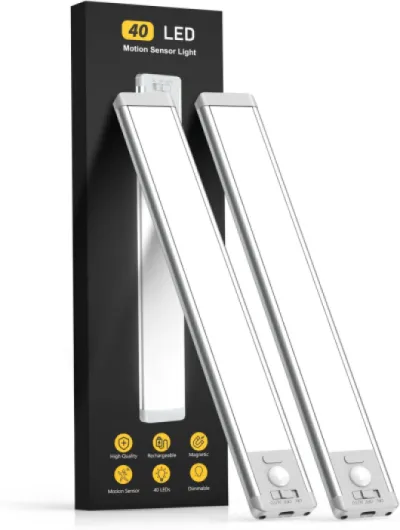
- + Rechargeable and wireless for easy installation
- + Motion sensor feature for automatic lighting
- + 5 levels of dimming for customizable brightness
- + Magnetic design for flexible placement
- + Compact size fits under cabinets or in closets

Benefits of using automatic LED lighting
Why homeowners are switching to automatic LED lighting
Automatic LED lighting is gaining popularity in homes for several reasons. One of the main drivers is energy efficiency. LED bulbs use less electricity compared to traditional incandescent or halogen bulbs, helping you save on your energy bills. When combined with sensors like motion or light sensors, these systems only turn on when needed, further reducing unnecessary energy use.
Key advantages of automatic LED lights
- Energy efficient: LED lights are known for their low power consumption. Automatic features, such as motion sensors or wireless motion detection, ensure lights are only on when someone is in the room.
- Long lasting: LED bulbs typically last much longer than standard light bulbs, reducing the frequency and cost of replacements.
- Convenience: With automatic lighting, you don’t have to worry about forgetting to turn off the light switch. This is especially useful in areas like the kitchen, hallway, or bathroom.
- Customizable options: Many products offer features like dimmable white, warm white, soft white, and color changing. You can adjust the color and brightness to suit your mood or activity.
- Enhanced safety: Automatic lights can act as a deterrent for intruders by simulating occupancy. Night lights with motion sensors also help prevent accidents in dark rooms.
- Remote control: Some LED lighting products come with remote control or app-based management, letting you adjust settings from anywhere in your home.
Comparing automatic LED lighting products
| Feature | Standard Bulb | Automatic LED Light |
|---|---|---|
| Energy Efficiency | Low | High |
| Sensor Options | None | Motion, Light, Wireless Motion |
| Color Options | White only | Warm white, Soft white, Color changing |
| Control | Manual switch | Remote control, App, Automatic |
| Price | Lower upfront | Higher upfront, but cost-saving over time |
| Lifespan | Short | Long lasting |
Where automatic LED lighting makes a difference
Automatic LED lighting is especially useful in high-traffic areas like the kitchen, hallway, or bathroom, and in rooms where you want to create a specific mood with color or dimmable white options. Many best seller packs include sensor dimmable features, making them suitable for both new installations and retrofits. For more on upgrading your existing lighting, check out this guide on how retrofit LED lights can transform your lighting experience.
With a wide range of products available, from single light bulbs to multi-pack options, it’s easy to shop products that fit your needs and budget. Whether you’re looking for a simple automatic light for the night or a full-featured lighting LED system with remote control, there are options to suit every room and preference.
Types of sensors used in automatic LED systems
How sensors make LED lighting automatic
Automatic LED lighting relies on a variety of sensors to deliver the right amount of light, exactly when and where you need it. These sensors are the backbone of modern smart lighting, helping to create energy efficient and convenient environments in any room, from the kitchen to the bedroom. Understanding the different sensor options can help you choose the best products for your needs and budget.
- Motion sensors: These are among the most popular features in automatic LED lights. A motion sensor detects movement and triggers the light to turn on or off, making them ideal for hallways, bathrooms, and entryways. Wireless motion sensors are especially convenient for areas where running wires is difficult. Many best seller packs include motion sensor dimmable or dimmable white LED bulbs for added flexibility.
- Ambient light sensors: Sometimes called daylight sensors, these measure the amount of natural light in a room and adjust the LED lighting accordingly. This helps maintain a consistent brightness level and saves energy by reducing unnecessary usage during the day. Products with this feature are often marketed as energy efficient and long lasting.
- Occupancy sensors: Similar to motion sensors, occupancy sensors detect when a room is in use and can automatically control the lights. These are especially useful in offices, conference rooms, or any space where lights are often left on by accident.
- Remote control and smart integration: Some automatic LED lighting systems include remote control options or can be integrated with smart home standards like Z-Wave. This allows you to customize lighting scenes, adjust color temperature (from warm white to soft white or color changing), and manage your lighting led products from your phone or voice assistant. For more details on integrating with Z-Wave, check out this guide to Z-Wave smart lighting systems.
When shopping for automatic LED lights, consider the sensor types that best fit your lifestyle. For example, a pack of motion sensor LED bulbs can be a simple upgrade for your hallway, while a full-featured product with remote control and color changing options might be perfect for your living room or kitchen. Many shop products offer a range of features at different price points, so you can find the right balance between convenience, style, and budget.
| Sensor Type | Best For | Key Features |
|---|---|---|
| Motion Sensor | Hallways, entryways, bathrooms | Automatic on/off, energy efficient, wireless motion options |
| Ambient Light Sensor | Living rooms, offices, kitchens | Adjusts brightness, saves energy, long lasting LED bulbs |
| Occupancy Sensor | Conference rooms, bedrooms | Detects presence, reduces wasted lighting |
| Remote/Smart Integration | Whole home, advanced users | Remote control, color changing, integration with smart home standards |
Customizing automatic LED lighting for your needs
Personalizing Your Lighting Experience
Automatic LED lighting offers a wide range of options for customizing how your home is illuminated. Whether you want a soft white glow in the bedroom, a bright white light in the kitchen, or color changing effects for the living room, today’s products are designed to adapt to your needs. Many LED bulbs and fixtures come with features like dimmable white, warm white, or even full spectrum color options, letting you set the mood for any room or occasion.- Sensor dimmable lights: These allow you to adjust brightness based on the time of day or activity, making your lighting both energy efficient and comfortable.
- Motion sensor lighting: Perfect for hallways, bathrooms, or closets, these lights turn on automatically when movement is detected, providing convenience and saving energy.
- Remote control and wireless motion options: Control your lights from anywhere in your home, or set them to respond to your presence without touching a light switch.
Choosing the Right Products for Each Room
Selecting the right LED light or automatic light bulb depends on the function of each space. For example, a kitchen often benefits from bright, long lasting lighting led, while a bedroom may need softer, dimmable white or warm white tones. Many brands offer best seller packs that include several bulbs or fixtures, making it easy to shop products for the whole house at a standard price.| Room | Recommended Features | Popular Product Types |
|---|---|---|
| Kitchen | Bright white, energy efficient, long lasting | LED light bulbs, sensor dimmable, remote control |
| Bedroom | Soft white, dimmable, color changing | LED bulb, color white, warm white |
| Hallway | Motion sensor, automatic, night light | Wireless motion, automatic light, light switch |
Exploring Advanced Customization
Some lighting led products offer advanced features like scheduling, scene setting, and integration with smart home systems. For example, you can program your lights to gradually brighten in the morning or switch to a soft night mode automatically. Many of these products are compatible with voice assistants and can be managed through mobile apps, making it easy to adjust your lighting preferences on the go. When choosing products, consider the pack size, compatibility with your existing fixtures, and whether you want features like color changing or sensor dimmable options. With so many choices available, finding the right automatic LED lighting for your home is easier than ever.Integrating automatic LED lighting with smart home systems
Making Your Smart Home Smarter with Automatic LED Lighting
Integrating automatic LED lighting with your smart home system is a practical way to boost convenience, energy efficiency, and comfort. Today’s lighting led products are designed to work seamlessly with a range of smart home platforms, making it easier than ever to control your lights, whether you’re in the kitchen, bedroom, or any other room. Many automatic light bulbs and fixtures come with built-in wireless motion sensors or can be paired with external sensors. These sensors detect movement and adjust lighting accordingly, which is especially useful for night lighting in hallways or soft white illumination in living spaces. Some options even offer sensor dimmable features, letting you set the brightness level based on the time of day or activity. Smart home integration allows you to:- Control your lights remotely using a smartphone app or remote control
- Set schedules for your led lights to turn on or off automatically
- Sync your lighting with other smart devices, such as thermostats or security systems
- Customize color changing and dimmable white settings for different moods or tasks
Troubleshooting common issues with automatic LED lights
Common Problems and Practical Solutions
Automatic LED lighting brings convenience and energy efficiency, but sometimes issues can pop up. Here are some of the most frequent challenges users face with automatic lights and how to address them:
- Lights Not Responding to Motion: If your motion sensor or wireless motion system isn’t triggering the lights, check if the sensor is blocked or dirty. Dust and objects can interfere with detection. Also, confirm that the sensor’s range covers the intended area, like your kitchen or hallway.
- Flickering or Unstable Light: Flickering can be caused by incompatible dimmable white LED bulbs or a faulty light switch. Make sure you’re using lighting products that match the standard for your system. If you’re using a sensor dimmable feature, ensure the dimmer is compatible with your LED light bulbs.
- Lights Staying On or Off: Sometimes, automatic lights remain on or off unexpectedly. This could be due to incorrect sensor settings or a malfunctioning motion sensor. Adjust the sensitivity and timer options, and check if the sensor is receiving enough power.
- Remote Control Not Working: For systems with remote control features, verify the batteries and ensure there’s no interference from other wireless devices. Some products may require re-pairing with the remote after a power outage.
- Color Changing or Brightness Issues: If your color changing or warm white LED bulbs are not displaying the correct color or brightness, check the app or control panel settings. Make sure the product supports the color or dimmable options you want to use.
Tips for Reliable Performance
- Use long lasting, energy efficient LED bulbs designed for automatic lighting systems.
- Shop products from reputable brands and check for best seller ratings or customer reviews to ensure quality.
- Consider a pack of bulbs or lights that are compatible with your existing smart home setup for easier integration.
- For rooms like the kitchen or bedroom, select lighting led options with adjustable color white or soft white features for comfort and flexibility.
- Regularly update your system firmware to access the latest features and bug fixes.
When to Seek Professional Help
If you’ve tried these troubleshooting steps and your automatic light system still isn’t working as expected, it may be time to consult a professional. Persistent issues with wiring, connectivity, or advanced features like sensor dimmable controls often require expert attention. Investing in professional installation can also help you get the most out of your lighting products, ensuring safety and optimal performance throughout your home.