
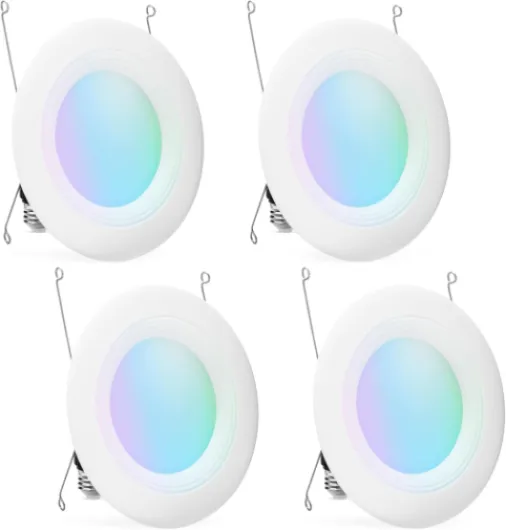
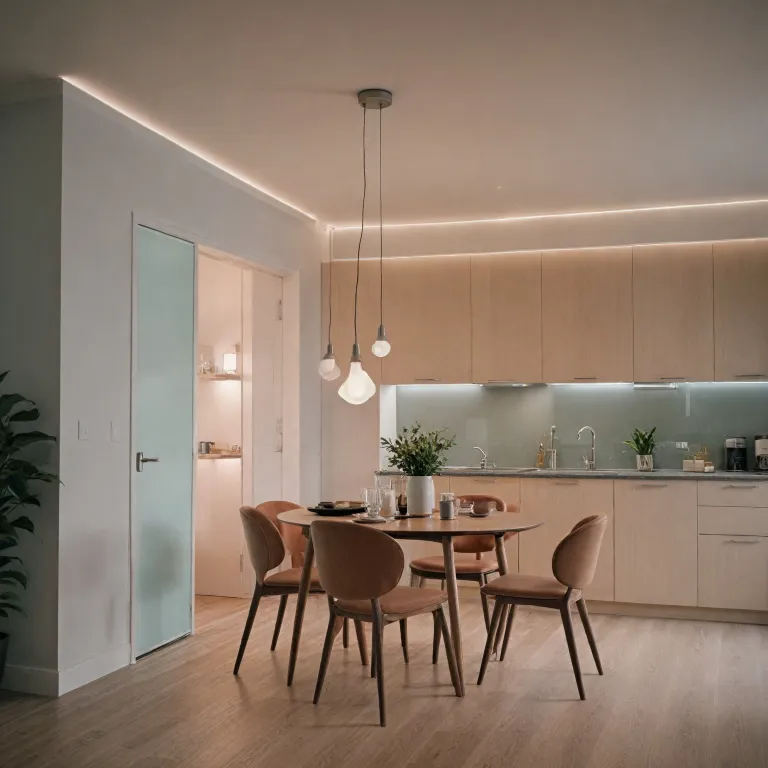
What is rohs light and why does it matter
Why RoHS Matters in Smart Lighting
When searching for smart lighting solutions, you might come across the term "RoHS" on product packaging or in online shop listings. RoHS stands for "Restriction of Hazardous Substances." It’s a European Union directive that limits the use of specific hazardous materials in electrical and electronic products, including LED lights, lamps, and light controllers. This regulation is important for anyone looking to buy safe, long lasting, and environmentally friendly lighting products for their home or business.
RoHS compliance means that a product—whether it’s a warm white LED bulb, a black and white lamp, or a smart light with app control—has been tested and certified to contain minimal levels of substances like lead, mercury, and cadmium. These substances can be harmful to both people and the environment if not properly managed. By choosing RoHS certified lighting, you’re helping reduce the impact of hazardous substances in your indoor and outdoor spaces.
For those interested in the technical side, RoHS applies to a wide range of lighting products, from small LED lights for accenting a room to larger, music sync-enabled lights for entertainment areas. The directive also covers products with advanced features, such as app-controlled lamps and light controllers. This ensures that even the most innovative smart lighting solutions are designed with safety and sustainability in mind.
As the market for smart lighting grows, so does the importance of understanding certifications like RoHS. It’s not just about the price or the number of stars a product gets in reviews. RoHS compliance is a key factor in making sure your lighting choices are safe, reliable, and future-proof. If you’re interested in how smart home technologies like thermostats also benefit from similar standards, you can learn more in this guide to Z-Wave thermostats.
- RoHS certified products help protect your health and the environment
- Look for RoHS labels when shopping for LED lighting, lamps, and smart light bulbs
- Compliance can affect the price and availability of certain lighting products

Key substances restricted by rohs in smart lighting
Hazardous Substances Targeted by RoHS in Smart Lighting
RoHS, which stands for Restriction of Hazardous Substances, plays a crucial role in the world of smart lighting. When you shop for smart LED lights, lamps, or light bulbs, you might notice labels like "RoHS certified" or "RoHS compliant." These terms mean the product meets strict European standards that limit certain hazardous materials. This is especially important for products like LED bulbs, indoor outdoor lighting, and even advanced lighting products with app control or music sync features.
- Lead (Pb): Commonly used in solder for electronic circuits, lead can be harmful if released into the environment. RoHS restricts its use in lighting products, including LED lights and controllers.
- Mercury (Hg): Found in some older lamps and bulbs, mercury is highly toxic. RoHS-compliant smart lights, especially white and warm white LED lighting, avoid mercury to reduce environmental impact.
- Cadmium (Cd): Used in some color LEDs and batteries, cadmium is limited to protect both users and the environment.
- Hexavalent Chromium (Cr6+): Sometimes used in metal coatings, this substance is restricted in RoHS LED products to prevent health risks.
- Polybrominated Biphenyls (PBB) and Polybrominated Diphenyl Ethers (PBDE): These flame retardants can be found in plastic parts of smart lighting products. RoHS restricts their use to ensure safer, long lasting LED lighting.
For anyone searching for reliable, safe, and eco-friendly lighting, understanding these restrictions is key. RoHS compliance means your smart lamp, LED light, or lighting controller is designed with fewer hazardous substances, making them safer for your home and the environment. This is especially important as more people look for smart lighting solutions that are both innovative and responsible.
When comparing products by price, weight lbs, or features like app control and music sync, checking for RoHS certification adds another layer of trust. Whether you want black white or warm white LED bulbs, RoHS-compliant options help reduce flicker, improve product safety, and support a healthier planet.
For a deeper understanding of how smart lighting connects with other home technologies, you might find this resource on the benefits of a Z-Wave thermostat helpful as you explore your options.
How rohs compliance benefits smart lighting users
Why RoHS Compliance Makes a Difference for Smart Lighting Users
RoHS compliance is more than just a label on your smart lighting products. It directly impacts your health, safety, and the environment. When you choose RoHS certified LED lights, you’re opting for lighting solutions that restrict hazardous substances like lead, mercury, and cadmium. This means your LED bulbs, lamps, and controllers are safer for indoor and outdoor use, especially in homes with children or pets.- Health and Safety: RoHS compliant lighting products reduce your exposure to toxic materials. This is crucial for LED lighting that operates for many hours each month, whether you use warm white or black white light bulbs.
- Environmental Impact: By limiting hazardous substances, RoHS certified lights help lower the environmental footprint. When it’s time to dispose of old LED light products, you can feel better knowing they’re less harmful to the planet. For more on how green lighting is changing homes, check out how green light bulbs are changing the way we light our homes.
- Product Quality and Longevity: RoHS compliant LED lights are often more reliable and long lasting. They’re designed to minimize flicker, which can cause eye strain, and to deliver consistent white or warm white light. This means fewer replacements and better value for your money.
- Smart Features with Peace of Mind: Many RoHS LED products come with advanced features like app control, music sync, and light controllers. Whether you shop for a small lamp or a full indoor outdoor lighting setup, you can search for RoHS certified options that fit your needs and budget.
Challenges manufacturers face with rohs light standards
Complexities in Achieving RoHS Certification for Smart Lighting
Manufacturers of smart lighting products face a range of challenges when working to meet RoHS standards. RoHS, which restricts hazardous substances in electrical and electronic equipment, directly impacts the design, production, and pricing of LED lights, lamps, and related products.- Material Sourcing: Finding RoHS compliant materials for LED bulbs, lamp housings, and controllers can be difficult. Suppliers must guarantee that plastics, metals, and electronic components are free from restricted substances like lead and mercury. This can limit sourcing options, especially for small or specialized lighting products.
- Testing and Documentation: Each lighting product, whether it’s a warm white LED bulb or a smart lamp with app control, must undergo rigorous testing to confirm it meets RoHS requirements. Manufacturers need to maintain detailed records and certifications, which adds to operational complexity and cost.
- Design Constraints: RoHS compliance can affect the performance and features of smart lighting. For example, some substances restricted by RoHS were traditionally used to improve the longevity or color quality of LED lighting. Manufacturers must find alternatives that do not compromise on quality, such as ensuring long lasting, flicker-free light in both indoor outdoor environments.
- Cost and Price Impact: The need for certified materials and additional testing can increase the price of RoHS compliant lighting products. This can be a challenge in a competitive market where consumers search for affordable yet high-quality options, from basic white LED lights to advanced music sync lamps.
- Global Market Variations: RoHS regulations may differ by region. A product certified in one country may need adjustments to meet another’s standards, complicating international sales for lighting brands and shops.
What to look for when buying rohs-compliant smart lights
How to Identify RoHS-Compliant Smart Lighting
When searching for smart lighting products, it’s important to check if they are RoHS certified. This ensures the lamp or LED light you choose is free from hazardous substances like lead and mercury. Look for the RoHS logo or mention of RoHS compliance on the product packaging, product description, or technical datasheet. Many reputable lighting brands clearly state this information to help buyers make informed decisions.
Key Features to Consider Beyond RoHS Certification
- Light Quality: Check for options like warm white or black white LED bulbs, which offer different lighting atmospheres for your space.
- App Control: Many RoHS-compliant smart lights come with app control, music sync, and light controller features for added convenience.
- Flicker-Free Performance: A good LED light should minimize flicker, which can impact comfort and eye health.
- Long Lasting: RoHS LED lighting products are often designed for durability, so look for those with high ratings for longevity.
- Indoor Outdoor Use: If you need flexibility, check if the product is suitable for both indoor and outdoor environments.
- Weight lbs: For certain installations, the weight of the lamp or LED bulb can be important, especially for ceiling or wall mounting.
- Price and Value: Compare prices and features, but remember that certified RoHS products may cost a bit more due to safer materials and quality assurance.
Where to Shop and What to Watch For
When you shop for RoHS-compliant LED lights or lamps, use filters in your favorite online shop to search for certified products. Look for customer reviews and star ratings to gauge real-world performance. Some platforms allow you to sort by features like app compatibility, color temperature (such as white or warm white), and even music sync capabilities.
Be cautious of products that do not clearly state RoHS compliance. If you’re unsure, contact the seller or manufacturer for certification details. Also, check if the product is listed as RoHS certified in the technical specifications or user manual.
Why RoHS Matters for Your Smart Lighting Experience
Choosing RoHS-compliant lighting products helps reduce the impact of hazardous substances in your home or office. It also supports a safer environment and ensures your LED lighting is up to current safety standards. Whether you’re buying a single LED bulb or outfitting an entire space with smart lights, RoHS certification is a mark of trust and responsibility in lighting innovation.
The future of rohs light in smart lighting innovation
Trends Shaping Tomorrow’s RoHS-Compliant Smart Lighting
The future of RoHS in smart lighting is closely tied to ongoing innovation in LED technology, stricter environmental regulations, and evolving consumer expectations. As more people search for lighting products that are both efficient and safe, RoHS compliance is becoming a standard feature in smart lights, from indoor-outdoor lamps to advanced app-controlled systems.
- Advanced Materials: Manufacturers are investing in new materials that meet RoHS standards while improving the performance of LED lights. This includes developing long lasting, energy-efficient LED bulbs and reducing hazardous substances in every product.
- Smart Features: The integration of app control, music sync, and light controller options is expanding. Consumers can now shop for RoHS certified lights that offer customizable white and warm white settings, flicker-free operation, and compatibility with smart home platforms.
- Design Flexibility: RoHS compliant lighting products are available in a wide range of styles, from small LED lights for accent lighting to black white fixtures for modern interiors. This flexibility allows users to find the right lamp or light bulbs for any space.
- Transparency and Certification: As awareness grows, more brands are highlighting their RoHS certified status, making it easier for buyers to search for and compare products based on safety, weight lbs, and environmental impact.
What This Means for Consumers and the Industry
For consumers, the shift toward RoHS compliant LED lighting means greater peace of mind. Products labeled as RoHS LED or RoHS compliant are less likely to contain hazardous substances, reducing risks in homes and workplaces. The price of these lights is also becoming more competitive as technology advances and demand increases.
For manufacturers, staying ahead of RoHS standards is both a challenge and an opportunity. It requires ongoing investment in research and development, but it also opens doors to new markets and customer segments. As regulations evolve, the industry will likely see even stricter controls on hazardous substances, pushing innovation further.
In summary, RoHS is not just a regulatory hurdle—it’s a driving force behind safer, smarter, and more sustainable lighting solutions. Whether you’re looking for a long lasting LED light for your living room or a music sync lamp for your next party, RoHS certified products are shaping the future of smart lighting.