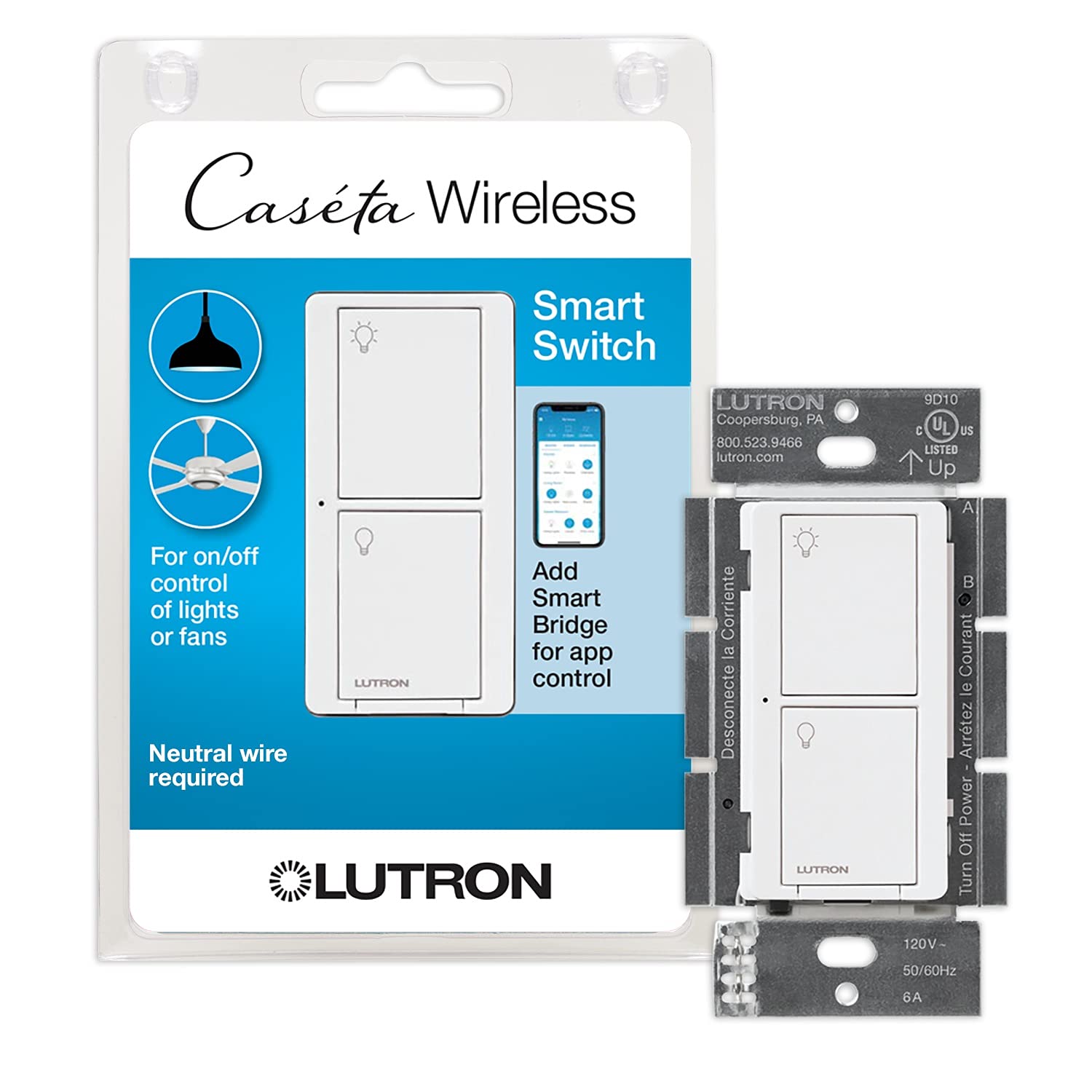



What is dali 2 and how does it work
How DALI 2 Brings Structure to Digital Lighting Control
DALI 2 is the latest version of the Digital Addressable Lighting Interface (DALI), a global standard for digital illumination control. The system is defined by the IEC 62386 standard, which describes how lighting devices communicate over a two-wire bus. This bus carries both data and power, allowing for streamlined installation and flexible control of lighting products in commercial and industrial environments.
At its core, DALI 2 builds on the original DALI protocol by introducing stricter certification processes, improved interoperability, and expanded device types. The DALI Alliance (DiiA) manages the certification and trademark process, ensuring that only products meeting the rigorous DALI certified criteria can display the DALI logo. This certification process helps guarantee that devices from different manufacturers will work together reliably on the same DALI bus.
- Control Gear: These are devices like LED drivers or ballasts that directly manage the power supplied to lighting fixtures.
- Control Devices: These include sensors, switches, and application controllers that send commands over the DALI bus to adjust lighting levels, scenes, or schedules.
- Bus Power Supply: The DALI bus requires a dedicated power supply to operate the communication network and connected devices.
With DALI 2, the interface alliance has expanded the protocol to support more advanced lighting control features, such as energy monitoring and diagnostics. The system is designed to be scalable, supporting up to 64 devices per bus, and can be integrated with building management systems for centralized control.
For those interested in how DALI 2 compares with other smart lighting technologies, such as Zigbee, you can explore a detailed comparison in this analysis of Zigbee smart lighting.
As the DALI Alliance continues to evolve the standard, DALI 2 remains a key player in the digital illumination interface landscape, offering a robust foundation for modern lighting control solutions.
Key benefits of dali 2 for smart lighting
Enhanced Interoperability and Standardization
DALI 2 brings a new level of interoperability to smart lighting by building on the original DALI protocol. The Digital Illumination Interface Alliance (DiiA) oversees the certification process, ensuring that devices and products meet strict standards. This means that lighting control gear, application controllers, and other devices with the DALI logo are tested for compatibility. The IEC describes the technical requirements for DALI version 2, which helps guarantee that certified products from different manufacturers work seamlessly together on the same DALI bus.
Improved Control and Flexibility
With DALI 2, users gain more precise control over their lighting systems. The protocol supports a wider range of control devices, including sensors and switches, allowing for advanced lighting control strategies. DALI 2 also introduces enhanced data exchange between devices, making it easier to monitor power consumption and adjust illumination levels in real time. This flexibility is especially valuable in environments where lighting needs change frequently, such as offices or retail spaces.
Reliable Certification and Quality Assurance
Certification is a key benefit of DALI 2. The DALI Alliance manages a robust certification process, ensuring that only products meeting the latest standards can display the DALI certified trademark. This gives end users and specifiers confidence in the reliability and performance of their chosen lighting products. The certification process covers both control gear and control devices, verifying that each product operates correctly on the DALI bus and interfaces properly with other certified devices.
Energy Efficiency and Cost Savings
- DALI 2 enables more efficient use of power by allowing precise control of lighting levels and schedules.
- Automated dimming and occupancy-based control reduce unnecessary energy consumption.
- Centralized data collection helps facility managers identify opportunities for further energy savings.
These features contribute to lower operational costs and support sustainability goals in both commercial and residential settings.
Scalability and Future-Proofing
DALI 2 is designed to support a wide range of lighting applications, from small installations to large-scale projects. The protocol’s digital interface and standardized communication steps make it easy to expand or upgrade systems as needs evolve. As more products become DALI certified, users can be confident that their investment will remain compatible with future innovations in digital illumination.
For a deeper look at how smart lighting can integrate with other smart home technologies, see this guide on the benefits of a Z-Wave thermostat.
Compatibility and integration with other systems
How DALI 2 Connects with Other Lighting Systems
DALI 2 stands out for its strong focus on interoperability and open standards. The system is built on the IEC 62386 standard, which describes the digital interface for lighting control. This means that DALI 2-certified products can work together, even if they come from different manufacturers. The DALI Alliance (DiiA) manages the certification process, ensuring that devices meet strict requirements for compatibility and performance.
When integrating DALI 2 into a lighting setup, the DALI bus acts as the backbone, carrying both data and power to connected devices. The bus power supply ensures that control gear, application controllers, and other devices communicate efficiently. DALI 2 supports a wide range of control devices and control gear, making it flexible for various lighting needs.
- Certification: Only products that pass the DALI certification process can use the DALI logo. This guarantees a certain level of quality and interoperability.
- Compatibility: DALI 2 is backward compatible with earlier DALI version products, but it also introduces new features for advanced lighting control.
- Integration: DALI 2 interfaces easily with building management systems and other digital illumination platforms, thanks to its standardized protocol.
For those looking to upgrade or replace existing lighting, understanding how DALI 2 works with other systems is crucial. For example, integrating DALI 2 with LED lighting can be straightforward if you choose the right LED products for your setup. This ensures seamless control and optimal performance.
| Feature | DALI 2 | Earlier DALI Version |
|---|---|---|
| Certification | Mandatory, managed by DiiA | Optional, less strict |
| Device Types | Control gear, control devices, application controllers | Mainly control gear |
| Interoperability | High, due to certification | Varies |
| Bus Power Supply | Standardized | Less defined |
Choosing DALI 2-certified products ensures a reliable and future-proof lighting control system. The DALI Alliance continues to expand the ecosystem, making it easier for users to find compatible devices and integrate them into their digital illumination interface.

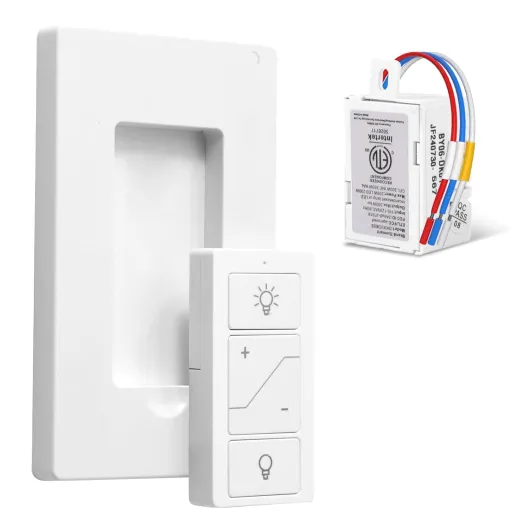
- + Wireless control from up to 100ft distance
- + Works with lights, fans, and small appliances
- + Up to 1200W/10A capacity
- + ETL & FCC Certified for safety
- + Learning Code feature for easy setup

Practical applications of dali 2 in real-world settings
How DALI 2 Delivers Value in Real-World Lighting Installations
When it comes to deploying smart lighting, DALI 2 stands out for its robust digital illumination interface and advanced control capabilities. In practical terms, DALI 2 is used in a wide range of environments, from commercial offices and retail spaces to hospitals and educational facilities. Its digital bus system allows for precise control over lighting levels, scenes, and schedules, making it suitable for both simple and complex installations.
- Office Buildings: DALI 2 enables flexible lighting control, supporting open-plan layouts and individual workspaces. Facility managers can adjust lighting levels and scenes based on occupancy or daylight, improving comfort and energy efficiency.
- Healthcare Facilities: Hospitals benefit from DALI 2’s reliable bus power and certified control gear, ensuring consistent illumination in critical areas. The system’s compliance with IEC standards and DALI certification processes adds a layer of trust and safety.
- Retail and Hospitality: Retailers use DALI 2 to create dynamic lighting scenes that enhance product displays and customer experiences. The digital interface allows for easy reconfiguration as store layouts change.
- Educational Institutions: Schools and universities leverage DALI 2’s application controllers to automate lighting schedules, reduce energy consumption, and maintain optimal learning environments.
Integration is streamlined thanks to DALI 2’s standardized interface, which ensures interoperability between certified products from different manufacturers. The DALI Alliance oversees certification, so products displaying the DALI logo have passed rigorous testing for compatibility and performance. This means that control devices, power supplies, and control gear from various brands can work together on the same DALI bus, simplifying upgrades and expansions.
Another practical advantage is the system’s scalability. Whether managing a single room or an entire building, DALI 2’s digital bus and data communication allow for granular control at every level. The certification process, managed by the DiiA (Digital Illumination Interface Alliance), ensures that each device meets strict requirements for reliability and interoperability.
| Setting | Key DALI 2 Benefits |
|---|---|
| Offices | Flexible control, energy savings, scene management |
| Healthcare | Reliable illumination, safety, certified devices |
| Retail | Dynamic scenes, easy reconfiguration, product focus |
| Education | Automated schedules, energy efficiency, optimal lighting |
Ultimately, DALI 2’s combination of digital control, certified interoperability, and scalable architecture makes it a strong choice for modern lighting control in diverse real-world applications. The system’s adherence to IEC standards and the DALI Alliance’s certification process provide assurance that products will perform reliably and integrate smoothly, supporting both current needs and future upgrades.
Challenges and considerations when implementing dali 2
Common Hurdles When Deploying DALI 2 Systems
While DALI 2 brings advanced digital illumination control and greater flexibility to lighting projects, there are practical challenges that organizations and installers should consider before implementation. Understanding these challenges can help ensure a smoother transition and more reliable operation of DALI 2-based solutions.
- Power Supply and Bus Power Management: DALI 2 systems rely on a dedicated bus power supply to operate control devices and control gear. Ensuring the correct power supply and bus power level is critical, as insufficient power can lead to unreliable communication or device failures. The DALI bus must be properly sized for the number of devices and the total cable length.
- Device Compatibility and Certification: Not all products labeled as "DALI" are fully interoperable. Only devices that have passed the DALI certification process and display the DALI logo, as managed by the DALI Alliance (DiiA), are guaranteed to work together. Mixing uncertified products with certified ones can cause unpredictable behavior or data errors on the bus.
- Complexity of Integration: Integrating DALI 2 with other building management systems or legacy lighting control solutions can be complex. The digital interface described by IEC standards allows for broad compatibility, but real-world integration may require additional gateways or interface modules, especially when combining DALI version 1 and DALI 2 devices.
- Installation and Wiring: DALI 2 uses a two-wire bus for communication and power. Careful planning is needed to avoid voltage drops and data loss, particularly in large installations. Incorrect wiring or exceeding the recommended number of devices per bus can compromise system reliability.
- Ongoing Maintenance and Updates: As with any digital system, firmware updates and regular maintenance of control devices, application controllers, and control gear are necessary to maintain optimal performance. Ensuring that all products remain compliant with the latest DALI version and certification requirements is important for long-term reliability.
Steps to Mitigate Implementation Risks
- Choose only DALI certified products and verify certification through the DALI Alliance database.
- Work with experienced professionals familiar with IEC standards and the DALI certification process.
- Plan the DALI bus layout carefully, considering bus power, cable lengths, and the number of devices.
- Allow for future scalability and updates by selecting products that support the latest DALI version and interface alliance requirements.
By addressing these considerations early in the project, organizations can maximize the benefits of DALI 2 lighting control while minimizing potential disruptions and ensuring a robust, future-ready digital illumination interface.
Future trends in smart lighting with dali 2
Emerging Developments in Digital Illumination
The smart lighting industry is witnessing rapid advancements, with DALI 2 positioned at the forefront of digital illumination. As more manufacturers pursue DALI certification, the ecosystem of interoperable lighting products continues to expand. The DALI Alliance (DiiA) plays a crucial role in maintaining standards, ensuring that devices such as control gear, application controllers, and control devices meet strict certification processes. This guarantees that products bearing the DALI logo offer reliable performance and compatibility across different brands.
Greater Interoperability and Integration
One of the most significant trends is the push for seamless integration between DALI 2 and other building automation systems. The interface alliance is working to harmonize the DALI bus with protocols described by the IEC, making it easier to connect lighting control systems with HVAC, security, and energy management platforms. This level of interoperability allows for centralized control and data-driven decision-making, which can optimize power supply usage and enhance overall building efficiency.
Advanced Features and Smarter Control
With the evolution of DALI version standards, new features are emerging. These include improved data reporting from control gear and devices, advanced dimming capabilities, and more granular control at the device level. The digital interface now supports sophisticated lighting scenes, occupancy-based adjustments, and energy monitoring, all managed over the DALI bus. These steps in DALI control are making smart lighting more adaptive and user-centric.
Focus on Sustainability and Energy Efficiency
As sustainability becomes a priority, DALI 2’s ability to provide detailed data on power consumption and device status is increasingly valuable. Facility managers can use this data to optimize lighting schedules, reduce unnecessary illumination, and extend the lifespan of lighting products. The DALI Alliance is also encouraging the development of energy-efficient control gear and bus power supplies, supporting global efforts to lower energy use in commercial and industrial settings.
Ongoing Certification and Quality Assurance
The DALI certification process remains a cornerstone of the technology’s credibility. Only DALI certified products can display the official DALI logo, signaling compliance with IEC standards and the DALI Alliance’s rigorous testing. This focus on certification dali ensures that new devices entering the market maintain high levels of reliability, safety, and interoperability, which is essential as the number of connected devices continues to grow.
Expanding Applications and Market Growth
Looking ahead, the adoption of DALI 2 is expected to accelerate across diverse sectors, from office buildings to industrial facilities and public infrastructure. As more products achieve dali certified status, end users benefit from a broader selection of compatible devices and solutions. The digital illumination interface is set to become a standard for smart lighting control, supporting the next generation of intelligent, energy-efficient environments.