

Understanding what a z wave plug is
What Makes Z Wave Plugs Stand Out in Smart Lighting?
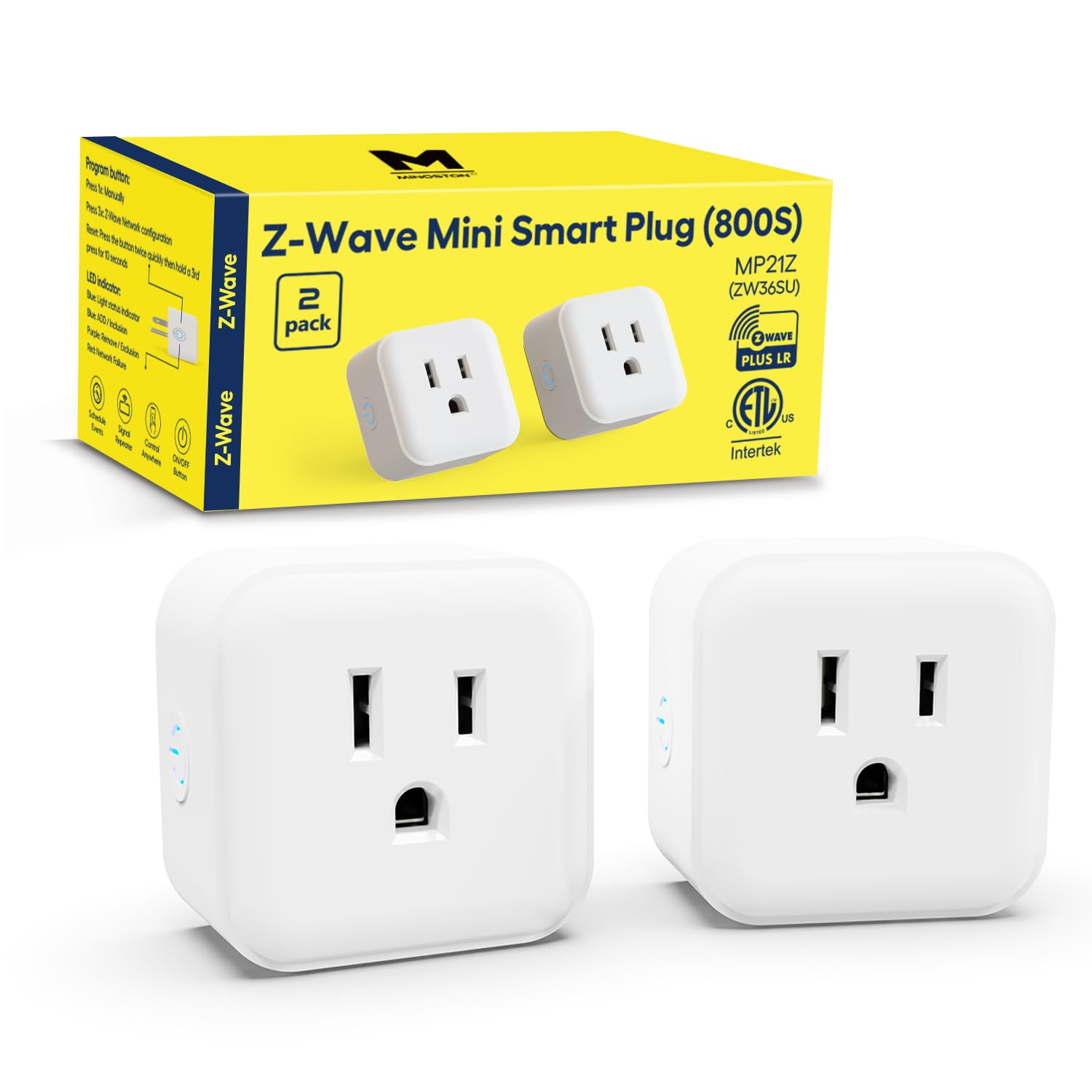
When exploring smart lighting, you’ll often come across the term “Z Wave plug.” But what exactly is a Z Wave plug, and why is it becoming a popular choice for smart home enthusiasts? In simple terms, a Z Wave plug is a type of smart plug that uses Z Wave technology to connect and communicate with other devices in your home. This wireless protocol is designed specifically for home automation, offering reliable long range communication and low power consumption.
- Smart Integration: Z Wave plugs work seamlessly with a variety of smart hubs, such as SmartThings, Wink, Hubitat, and Amazon Echo (with a compatible hub). This makes them a flexible option for those looking to expand their smart lighting system.
- Versatile Applications: Whether you want to automate your Christmas lights, control small appliances, or monitor energy usage, Z Wave smart plugs can handle it. Some models, like the Zooz Series or Decora Smart, even offer advanced features like energy monitoring and scheduling.
- Easy Expansion: Since Z Wave operates on a mesh network, adding more plugs or outlets can actually improve the overall range and reliability of your system. This is ideal for larger homes or setups where long range is required.
- Product Variety: There’s a wide list of Z Wave plug products available, from basic outlet wave models to advanced plug zen series. Many are available with free shipping and competitive price points on platforms like Amazon.
One of the key benefits of Z Wave technology is its compatibility with a wide range of smart home products, making it easier to build a connected environment. If you’re curious about how Z Wave plugs compare to other smart lighting solutions, or want to understand more about the benefits of modern lighting tech, check out this guide to tubular LED light bulbs for additional insights.
As you move forward, you’ll want to consider which features matter most, how these plugs work with your existing hub or box hub, and what installation steps are required. Each of these factors can influence your overall smart lighting experience.

Key features to look for in a z wave plug
Essential Qualities for a Reliable Z Wave Plug
When shopping for a smart plug that uses Z Wave technology, it’s easy to get overwhelmed by the product list on sites like Amazon. Not every plug is created equal, and the right choice depends on your specific needs—whether you want to automate your Christmas lights, control small appliances, or monitor energy use. Here are the most important features to consider:- Wave Series and Compatibility: Look for plugs that support the latest Z Wave or Z Wave Plus series. These offer better range, security, and reliability. Products like the Zooz Series or Decora Smart outlets are popular for their robust performance.
- Hub Requirements: Some smart plugs require a dedicated wave hub or box hub (like SmartThings, Wink, or Hubitat) to work. Make sure the plug you choose is compatible with your existing hub, or be prepared to invest in one. Not all plugs are truly hub free.
- Energy Monitoring: If you want to track power usage, select a plug with built-in energy monitoring. This is especially useful for managing the power consumption of small appliances and optimizing your smart lighting setup.
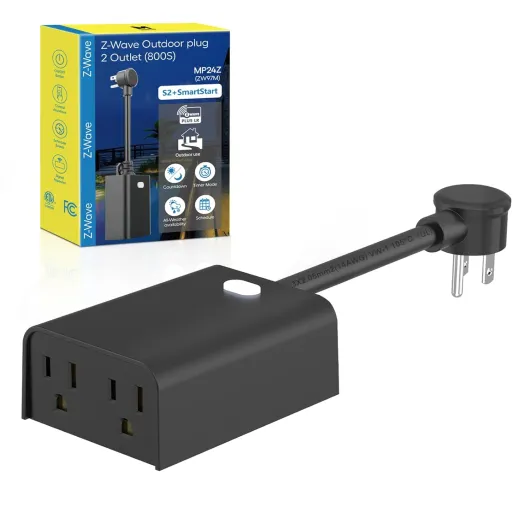
- Long Range and Signal Strength: Z Wave plugs with long range capabilities ensure your devices stay connected, even in larger homes. This is crucial if you plan to use smart plugs in distant outlets or outdoor settings.
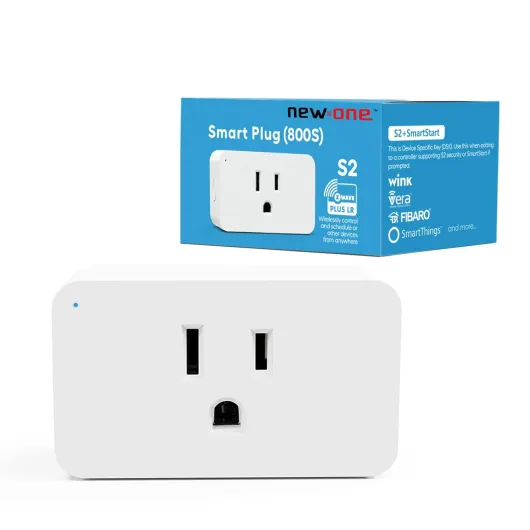
- Form Factor and Outlet Design: Consider the size and shape of the plug. Some models are bulky and may block adjacent outlets, while others, like the plug zen or outlet wave, are designed to be more compact.
- Price and Value: Compare the price and features across different brands. Some products offer free shipping or bundle deals, which can help you save if you’re buying multiple smart plugs for a series wave setup.
Additional Considerations for Smart Lighting
- Make sure the plug works with your preferred voice assistant, such as Alexa or Google Assistant, for hands-free control.
- Check if the plug supports scheduling and automation, which is key for routines like turning on your Christmas lights at sunset.
- Look for safety certifications and warranty information to ensure long-term reliability.
Compatibility with smart lighting systems
Ensuring Your Z-Wave Plug Works with Your Smart Lighting Setup
When selecting a Z-Wave plug for your smart lighting, compatibility is a crucial factor. Not every plug will work seamlessly with every smart home system or lighting product. Here’s what you need to know to avoid headaches and ensure your plug integrates smoothly with your setup.
- Check Hub Compatibility: Most Z-Wave plugs require a compatible hub, such as SmartThings, Wink, Hubitat, or a dedicated Z-Wave hub. Make sure your chosen plug is listed as compatible with your hub. Some plugs, like the Zooz Series or Decora Smart, are known for broad compatibility, but always verify before purchasing.
- Smart Lighting System Integration: If you use smart bulbs or outlets from brands like Amazon or other series wave products, confirm that your Z-Wave plug can communicate with them. Some systems may need a bridge or specific firmware to work together.
- Device Type and Power Requirements: Not all Z-Wave plugs are designed for the same load. For small appliances or energy monitoring, check the plug’s power rating. Overloading a plug can cause it to fail or even be unsafe.
- Long Range and Mesh Networking: Z-Wave technology uses mesh networking, so range smart features are important. Plugs like the plug zen or outlet wave can extend your network, helping your smart devices communicate over longer distances, which is especially useful for larger homes or when controlling outdoor Christmas lights.
- Firmware and Series: Newer Z-Wave series (like Z-Wave Plus) offer better range and security. If you’re building a new setup or expanding, look for plugs that support the latest series wave standards for future-proofing.
It’s also wise to review the product list on your hub’s website or community forums for real-world feedback. Some users share which smart plugs and outlet wave products work best with their systems, including details about energy monitoring, free shipping offers, or price comparisons.
For more on how smart lighting systems integrate with advanced controls, check out this guide on the benefits of 0-10V dimmable smart lighting.
Installation and setup tips for beginners
Getting Your Z Wave Plug Ready for Use
Setting up a Z Wave plug for your smart lighting system can be straightforward, even for beginners. Most smart plugs, including popular models like the Zooz series or Decora Smart, are designed to work with a wide range of hubs such as SmartThings, Wink, Hubitat, and Amazon Echo with Z Wave support. Here’s how to get started:
- Check the box: Ensure your product package includes the plug, user manual, and any required adapters. Some plugs offer free shipping or bundled deals, so review your order list for completeness.
- Choose the right outlet: Plug your Z Wave device into a standard wall outlet. For best results, use outlets close to your hub to maximize range, especially if you plan to control small appliances or holiday lights like Christmas decorations.
- Power up: Once plugged in, the device should power on automatically. Look for an indicator light or LED to confirm it’s receiving power.
- Pair with your hub: Open your hub’s app (such as SmartThings, Wink, or Hubitat) and follow the instructions to add a new device. Most Z Wave plugs have a button you’ll need to press to enter pairing mode. The process may vary slightly depending on the product series or brand.
- Test the connection: After pairing, use your app or voice assistant to turn the plug on and off. This confirms that the plug works and communicates with your hub.
Tips for a Smooth Setup
- Update firmware: Some smart plugs offer firmware updates through their app. Keeping your plug updated ensures compatibility and security.
- Use energy monitoring features: If your plug supports energy monitoring, enable this option to track power usage of connected devices. This is especially useful for managing the energy consumption of small appliances or a series of smart lights.
- Consider range: Z Wave technology is known for its long range, but obstacles like walls can reduce signal strength. If you experience issues, try moving your plug or adding a Z Wave repeater to extend coverage.
- Label your devices: For easy management, name each smart plug in your app according to its location or use, such as "Living Room Lamp" or "Christmas Tree Outlet." This helps when controlling multiple plugs in a series or group.
Remember, most Z Wave smart plugs are compatible with a variety of hubs and assistants, making them a flexible choice for smart lighting. Whether you’re using a plug zen, outlet wave, or another model, following these steps will help you get started quickly and enjoy the benefits of smart home automation.
Troubleshooting common issues with z wave plugs
Common Problems and How to Fix Them
Smart lighting setups using Z-Wave plugs can occasionally run into issues. Whether you’re using a Zooz series plug, a Decora smart outlet, or another product, troubleshooting can help you get back on track quickly. Here are some frequent problems and practical solutions:- Plug Not Responding to Commands
- Ensure your wave plug is within the range of your Z-Wave hub (like SmartThings, Wink, or Hubitat). Some models offer long range, but walls and appliances can interfere.
- Check if the plug is properly powered. Try plugging it into a different outlet.
- If using a series wave plug, confirm it’s included in your hub’s device list. Re-pair if needed.
- Ensure your wave plug is within the range of your Z-Wave hub (like SmartThings, Wink, or Hubitat). Some models offer long range, but walls and appliances can interfere.
- Hub Fails to Detect Plug
- Make sure your hub supports the specific Z-Wave series of your plug. Some older hubs may not work with newer wave technology.
- Reset the plug by following the manufacturer’s instructions. This often involves pressing a button on the plug for a set time.
- Double-check that your hub’s firmware is up to date.
- Make sure your hub supports the specific Z-Wave series of your plug. Some older hubs may not work with newer wave technology.
- Smart Plug Drops Connection
- Reduce distance between the plug and your Z-Wave hub or add another Z-Wave device to act as a repeater.
- Avoid plugging high-power small appliances (like heaters) into smart plugs not rated for them, as this can cause disconnections.
- Reduce distance between the plug and your Z-Wave hub or add another Z-Wave device to act as a repeater.
- Energy Monitoring Not Working
- Confirm your plug supports energy monitoring. Not all Z-Wave smart plugs include this feature.
- Some hubs require you to enable energy monitoring in their settings or app.
- Confirm your plug supports energy monitoring. Not all Z-Wave smart plugs include this feature.
- Plug Won’t Control Christmas Lights or Other Devices
- Check the maximum power rating of your smart plug. Some products are not designed for outdoor or high-wattage use.
- For outdoor use, look for a plug with weather resistance and free shipping options from trusted retailers like Amazon.
- Check the maximum power rating of your smart plug. Some products are not designed for outdoor or high-wattage use.
When to Seek Further Assistance
If basic troubleshooting doesn’t resolve your issue, consult the product manual or the manufacturer’s support site. Many brands, including Zooz series and Decora smart, offer detailed FAQs and live chat assistants. For more complex setups involving multiple smart plugs, outlets, or a box hub, community forums can also be a valuable resource. Remember, a reliable Z-Wave plug setup enhances your smart lighting experience, whether you’re automating holiday lights or managing energy use for small appliances.Maximizing the benefits of your z wave plug
Getting the Most Out of Your Z Wave Plug
Once your wave plug is installed and connected to your hub, there are several ways to maximize its benefits for your smart lighting and small appliances. Here are practical tips to help you make the most of your investment:
- Automate Schedules: Use your hub or assistant to set up schedules for your smart plug. For example, automate your christmas lights to turn on at sunset and off at bedtime. This not only saves energy but also adds convenience.
- Monitor Energy Usage: Many wave smart plugs, like the Zooz series or Decora Smart models, offer energy monitoring. Track the power consumption of connected devices through your hub’s app. This helps identify which appliances use the most energy and can guide you in reducing electricity costs.
- Group Devices: If you have several smart plugs or outlets, group them by room or function in your hub’s interface. This makes it easier to control multiple devices at once, such as turning off all kitchen appliances with a single tap.
- Leverage Voice Control: Integrate your wave plug with a compatible assistant for hands-free operation. Most wave plugs work with hubs like SmartThings, Wink, Hubitat, or Amazon Echo (with a required wave hub or bridge). This allows you to control your lights and outlets with simple voice commands.
- Take Advantage of Long Range: Z wave technology is known for its long range and mesh networking. Place your plug in a central location to help extend the network, ensuring reliable communication between your hub and other smart devices.
- Explore Advanced Automations: Use your hub’s automation features to create scenes or routines. For example, set your smart outlet to turn on a fan when the temperature rises, or have your plug wave trigger a night mode for your home.
- Check for Free Shipping and Price Deals: When purchasing additional plugs, look for free shipping offers or bundles on platforms like Amazon. Compare the price and features list to ensure you’re getting the best value for your needs.
By combining these strategies, your wave plug becomes more than just a simple outlet—it transforms into a powerful tool for smart home management. Whether you’re using it for lighting, small appliances, or seasonal decorations, the right setup and features can make a noticeable difference in convenience and energy savings.