
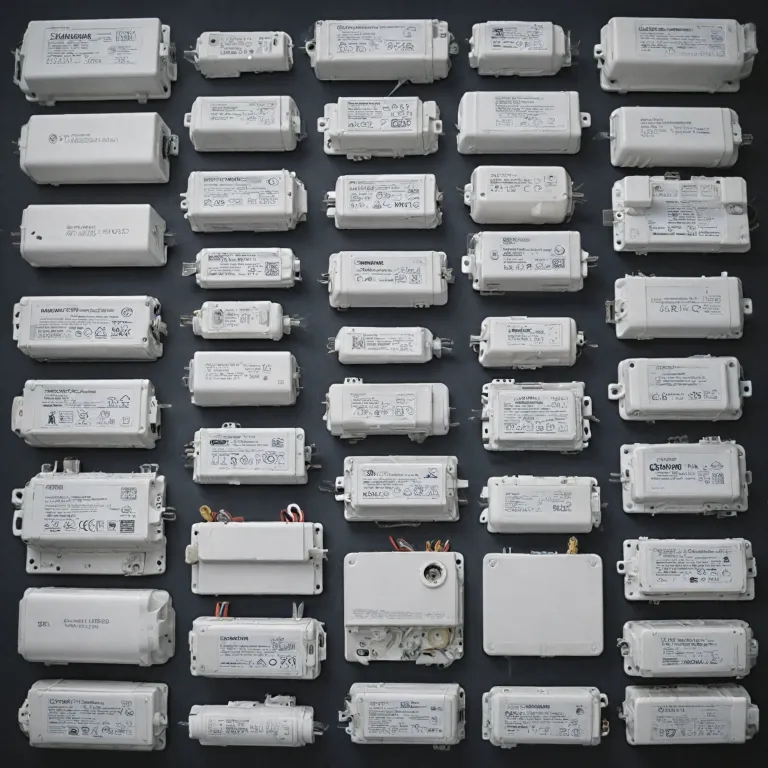
What is a ballast and why is it important for fluorescent lighting
How ballasts regulate fluorescent lamp operation
When you use a fluorescent lamp, a key component called a ballast is essential for safe and efficient operation. The ballast acts as a current regulator, controlling the voltage and current supplied to the lamp. Without a ballast, a fluorescent lamp would draw too much current once it starts, which could quickly damage the lamp or even create a safety hazard. This is especially important for both standard and compact fluorescent lamps, as well as specialty products like circline ballasts.
Why voltage control matters for fluorescent lighting
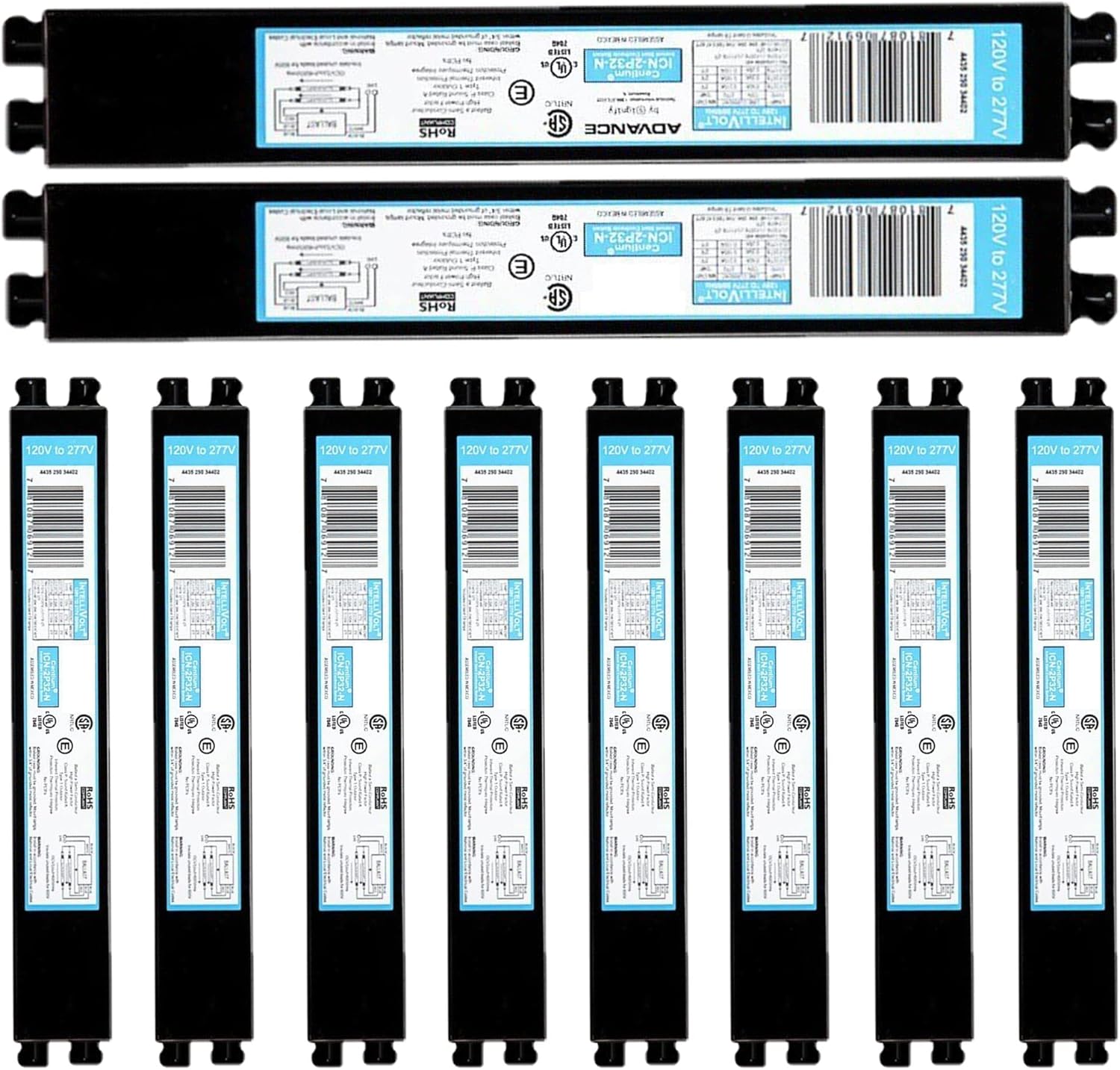
Fluorescent lighting requires a high voltage to start the lamp, but once the arc is established, the voltage needs to be reduced and stabilized. Ballasts—whether electronic, magnetic, or advanced types like programmed start or instant start—handle this transition. For example, electronic ballasts and dimming ballasts offer more precise control, improving energy efficiency and lamp life. Products from brands like Keystone Technologies, Fulham, and Advance are designed to meet these needs in various lighting applications, from office spaces to commercial signage.
Ballasts and their role in safety and performance
Ballasts not only help start the lamp but also maintain optimal performance throughout its life. They prevent flickering, buzzing, and premature lamp failure. Different types, such as rapid start, instant start, and programmed start ballasts, offer unique benefits depending on your lighting requirements. For example, instant start ballasts are often chosen for their energy savings, while programmed start ballasts are preferred in environments where lamps are frequently switched on and off.
Understanding how a ballast works is the first step in choosing the right product for your lighting needs. If you're interested in the technical side of how ballasts interact with wiring and voltage, you can learn more in this guide on the essentials of wiring for LED lighting. This knowledge will also help when comparing products by price, performance, and compatibility, which is covered in later sections.
Different types of ballasts for fluorescent lights
Key Types of Ballasts Used in Fluorescent Lighting
When choosing a ballast for your fluorescent lamp, understanding the different types is essential. Ballasts play a crucial role in starting and regulating the current for fluorescent lamps, and the type you select can impact performance, energy efficiency, and compatibility with your lighting system.
- Magnetic Ballasts: These are the traditional ballasts for fluorescent lights. They use electromagnetic coils to regulate current. While magnetic ballasts are reliable, they tend to be heavier and less energy efficient compared to newer options. They are often found in older installations and are generally less expensive in terms of price, but may not support advanced features like dimming.
- Electronic Ballasts: Electronic fluorescent ballasts have largely replaced magnetic types in modern lighting. They use electronic components to control voltage and current, offering benefits like quieter operation, lighter weight, and improved energy efficiency. Electronic ballasts can support features such as instant start, rapid start, and programmed start, making them suitable for a wide range of applications, from offices to commercial spaces.
- Instant Start Ballasts: These ballasts provide a high voltage to the lamp to ignite it instantly. Instant start ballasts are popular for their energy efficiency and are commonly used in areas where lights are not switched on and off frequently. However, frequent switching can reduce lamp life.
- Rapid Start Ballasts: Rapid start ballasts preheat the lamp electrodes before applying voltage, resulting in a smoother start and less stress on the lamp. This type is ideal for environments where lights are switched on and off regularly.
- Programmed Start Ballasts: These ballasts offer the most controlled start, carefully preheating the lamp electrodes before ignition. Programmed start ballasts are recommended for applications with frequent switching, as they maximize lamp life and efficiency.
- Dimming Ballasts: Dimming ballasts allow you to adjust the light output of your fluorescent lamps, providing flexibility and potential energy savings. They are often used in settings where lighting needs change throughout the day.
- Specialty Ballasts: There are also ballasts designed for specific lamp types, such as compact fluorescent, circline ballasts for circular lamps, and ballasts universal for compatibility with multiple lamp types. Brands like Keystone Technologies, Fulham, and Advance offer a wide range of products tailored to different needs.
Choosing the Right Ballast for Your Application
When selecting a ballast, consider the type of fluorescent lamp you are using, the required start method, and whether you need features like dimming. For example, a ballast lamp designed for instant start may not be ideal if your lights are switched on and off frequently. Product specifications, such as voltage (high voltage or low voltage), compatibility with compact fluorescent or circline lamps, and the reputation of brands like Keystone, Fulham, and Advance, should all factor into your decision.
For a deeper dive into how specific lamp designs, such as 4-pin lamp bulbs, interact with ballasts and smart lighting systems, check out this detailed guide.
Understanding these ballast types will help you make informed decisions as you explore energy efficiency, troubleshoot common issues, and consider integration with smart lighting systems in the following sections.
How ballasts impact energy efficiency and lighting quality
How Ballasts Influence Energy Use and Light Output
The type of ballast you choose for your fluorescent lighting system can make a significant difference in both energy efficiency and lighting quality. Ballasts regulate the voltage and current supplied to the lamp, ensuring the fluorescent lamp starts correctly and operates at optimal performance. This is true whether you use a traditional magnetic ballast or a more modern electronic ballast.
- Electronic ballasts are more energy-efficient than older magnetic ballasts. They operate at a higher frequency, which reduces flicker and improves the overall quality of light. Products from brands like Keystone Technologies, Fulham, and Advance are known for their reliable electronic fluorescent ballasts.
- Instant start ballasts provide immediate illumination but may reduce lamp life if switched on and off frequently. In contrast, programmed start and rapid start ballasts are gentler on the lamp, extending its lifespan, especially in environments where lights are cycled often.
- Some ballasts, such as dimming ballasts, allow you to adjust the light output, which can further enhance energy savings and provide flexibility in lighting design.
- Specialty ballasts like ballasts circline and ballasts universal support unique lamp shapes or voltages, such as compact fluorescent or high voltage applications.
Choosing the right ballast for your lamp and application can add up to significant savings on your energy bill. For example, switching from a magnetic to an electronic ballast can reduce energy consumption by up to 30 percent. Additionally, electronic ballasts produce less heat, which can help maintain a comfortable environment and reduce air conditioning costs.
Lighting quality is also affected by the ballast. Electronic ballasts eliminate the visible flicker and humming often associated with older magnetic ballasts, resulting in a more pleasant and productive space. This is especially important in settings like offices, schools, or retail environments where lighting quality directly impacts comfort and performance.
Integrating ballasts with smart lighting systems can further enhance efficiency and control. For example, pairing a compatible ballast with a smart switch can allow for remote control, scheduling, and automation. To learn more about how a lighted toggle switch can enhance your smart lighting experience, check out this in-depth guide on smart switches.
| Ballast Type | Energy Efficiency | Lighting Quality | Typical Application |
|---|---|---|---|
| Magnetic | Low | Flicker, hum | Older installations |
| Electronic | High | Smooth, quiet | Modern offices, retail |
| Instant Start | Very high | Immediate light, shorter lamp life | Areas with infrequent switching |
| Programmed Start | High | Longer lamp life | Frequent on/off cycles |
| Dimming Ballasts | Variable | Adjustable output | Conference rooms, classrooms |
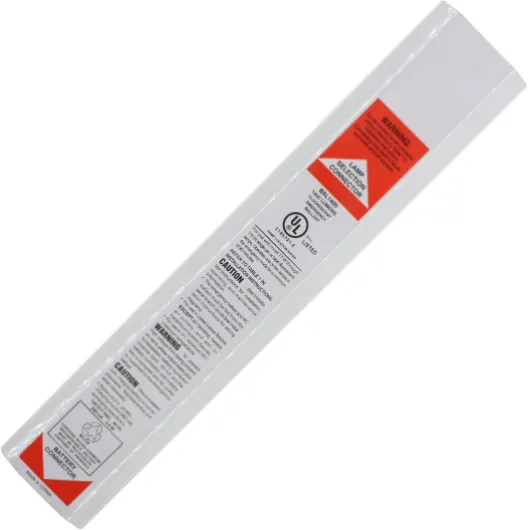
- + , Highly Efficient: Supports 1100 to 1400 Lumens
- + , Dual Lamp Capability: Works with one or two lamps
- + , Versatile Voltage Options: Compatible with 120/277v
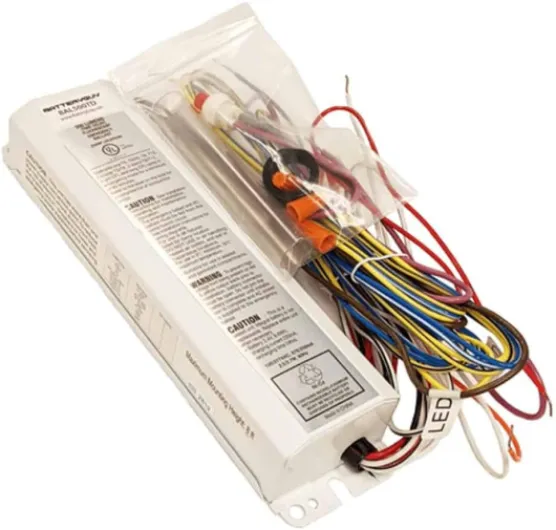
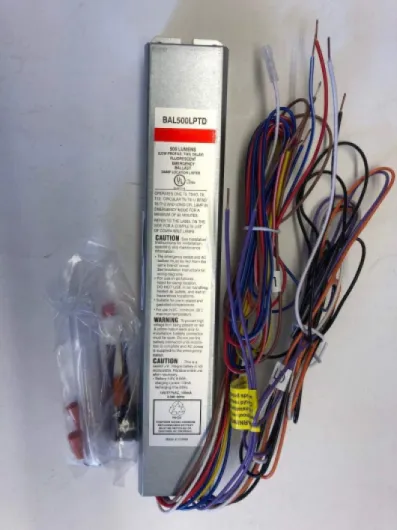
- + , Reliable Emergency Functionality: Ensures illumination during power outages

Common issues and troubleshooting with ballasts for fluorescent
Recognizing and Addressing Ballast Problems
Fluorescent lighting systems rely on ballasts to regulate voltage and current for proper lamp operation. However, ballasts—whether electronic, magnetic, or specialized types like instant start or programmed start—can develop issues over time. Identifying these problems early can help maintain lighting quality and avoid unnecessary costs.- Flickering or Delayed Start: If your fluorescent lamp flickers, takes too long to start, or fails to light, the ballast may be at fault. Instant start ballasts are designed for quick lamp ignition, but if you notice delays, it could indicate a failing electronic ballast or a voltage mismatch.
- Buzzing or Humming Sounds: A high-pitched noise from the fixture often points to a worn-out ballast, especially in older magnetic or rapid start models. Modern electronic ballasts, such as those from Keystone Technologies or Fulham, are generally quieter. Persistent noise is a sign to view the product specifications or consider a replacement.
- Burnt Smell or Discoloration: Overheating ballasts may emit a burnt odor or show signs of charring. This is a safety concern and requires immediate attention. Always check the voltage rating and compatibility with your lamps before adding a new ballast.
- Reduced Lamp Life: If lamps burn out faster than expected, the ballast could be supplying incorrect voltage or current. Using the right ballast—such as a programmed start ballast for frequent switching—can extend lamp life and improve energy efficiency.
Steps for Troubleshooting Ballast Issues
- Turn off power before inspecting any lighting fixture.
- Check for loose wiring or signs of corrosion on the ballast and lamp sockets.
- Test the voltage output with a multimeter to ensure it matches the lamp’s requirements.
- Swap in a known working lamp to rule out lamp failure.
- For electronic fluorescent ballasts, look for indicator lights or error codes if available.
- Compare the price and features of replacement products, such as ballast universal or ballast advance, to ensure compatibility with your lighting system.
When to Replace or Upgrade Your Ballast
If troubleshooting points to a faulty ballast, consider upgrading to a newer electronic model. Dimming ballasts, compact fluorescent-compatible ballasts, and circline ballasts offer improved efficiency and flexibility. Brands like Keystone, Fulham, and Advance provide a range of products to suit different lamp types and voltages. Always review the product part number and specifications before purchasing. For commercial signs or high-output applications, specialized ballasts such as high voltage or ballasts circline may be required. Consulting the manufacturer’s documentation or a qualified lighting professional can help ensure you select the right solution for your needs.Integrating ballasts with smart lighting systems
Smart Lighting Compatibility: What to Consider
Integrating ballasts with smart lighting systems can be a practical way to modernize existing fluorescent setups. However, not every ballast or lamp is compatible with smart controls. Electronic ballasts, especially instant start and programmed start types, are more likely to work with smart switches and dimming ballasts. Traditional magnetic ballasts may not support the digital signals required for smart lighting features.
Key Features for Integration
- Voltage Compatibility: Ensure the ballast matches the voltage requirements of your smart system. High voltage and low voltage options are available, so check product specifications.
- Start Method: Instant start, rapid start, and programmed start ballasts each interact differently with smart controls. Programmed start ballasts are often preferred for their lamp longevity and smoother dimming.
- Electronic Ballasts: These are generally more compatible with smart lighting, supporting features like remote on/off, dimming, and scheduling.
- Brand and Model: Products from keystone technologies, fulham, advance, and universal offer a range of electronic fluorescent ballasts designed for integration. Always check the manufacturer's documentation for smart compatibility.
Common Integration Challenges
Some ballasts, especially older models or compact fluorescent types, may not respond well to smart switches or dimmers. Issues can include flickering, delayed start, or even lamp failure. Ballasts circline and ballasts view models may require specific smart modules for reliable operation. If you notice problems, verify that your ballast lamp and smart device are compatible, and consider upgrading to a newer electronic ballast.
Practical Tips for Upgrading
- When adding smart controls, always check if your ballast supports dimming ballasts or instant start features.
- For commercial applications, sign lighting and high output lamps may need ballasts designed for higher wattages and voltages.
- Review the price and product specifications before purchasing. Some ballasts fluorescent models are labeled as 'universal,' but always confirm their smart compatibility.
By choosing the right electronic ballast and ensuring compatibility with your smart lighting system, you can enjoy improved control, energy savings, and a better lighting experience. Brands like keystone, fulham, and advance offer a wide view of options for both retrofit and new installations.
Choosing the right ballast for your fluorescent lighting needs
Factors to Consider When Selecting a Ballast
Choosing the right ballast for your fluorescent lighting setup is crucial for performance, safety, and efficiency. The market offers a wide range of products, from electronic ballasts to compact fluorescent ballasts, each designed for specific applications. Here are some key factors to keep in mind:
- Lamp Compatibility: Ensure the ballast matches your lamp type—whether it’s T8, T12, compact fluorescent, or circline. Not all ballasts are universal, so check the product specifications for compatibility with your lamp’s wattage and base type.
- Start Method: Ballasts come in instant start, rapid start, and programmed start varieties. Instant start ballasts are energy efficient and ideal for areas where lights are switched on and off infrequently. Programmed start ballasts are better for high-frequency switching, such as in offices or public spaces, as they extend lamp life.
- Voltage Requirements: Verify the input voltage (e.g., 120V, 277V, or high voltage options) to match your electrical system. Some ballasts, like those from Keystone Technologies or Fulham, offer multi-volt or universal voltage options for added flexibility.
- Energy Efficiency: Electronic fluorescent ballasts are generally more efficient than magnetic ones. Look for products with high energy ratings or those labeled as dimming ballasts if you want adjustable lighting levels.
- Quality and Certification: Choose ballasts from reputable brands such as Advance, Fulham, or Keystone. Certifications like UL or CSA indicate compliance with safety standards.
- Price and Warranty: Compare prices and check for warranties. While electronic ballasts may have a higher upfront price, they often deliver better long-term value through energy savings and reduced maintenance.
Matching Ballasts to Application Needs
Different environments demand different ballast features. For example, sign lighting may require ballasts designed for outdoor use or high output, while office lighting might benefit from dimming ballasts or programmed start ballasts to enhance comfort and extend lamp life. For specialty fixtures, such as ballasts circline or ballasts view, ensure the product is specifically rated for those lamp types.
| Application | Recommended Ballast Type | Key Features |
|---|---|---|
| General Office Lighting | Electronic, Programmed Start | Energy efficiency, long lamp life, dimming options |
| Sign Lighting | High Output, Weatherproof | High voltage, robust construction |
| Retail/Display | Instant Start, Dimming Ballasts | Quick start, adjustable brightness |
| Specialty Fixtures (Circline, Compact Fluorescent) | Circline Ballasts, Compact Fluorescent Ballasts | Specific lamp compatibility |
Evaluating Product Options
When reviewing ballast products, look for detailed product specifications and user reviews. Brands like Keystone Technologies, Fulham, and Advance offer a variety of options, including ballast lamp instant start, ballast fulham, and ballast advance. Consider the total cost of ownership, including energy use and expected lifespan. For those integrating with smart lighting systems, ensure the ballast supports any required controls or dimming features.