
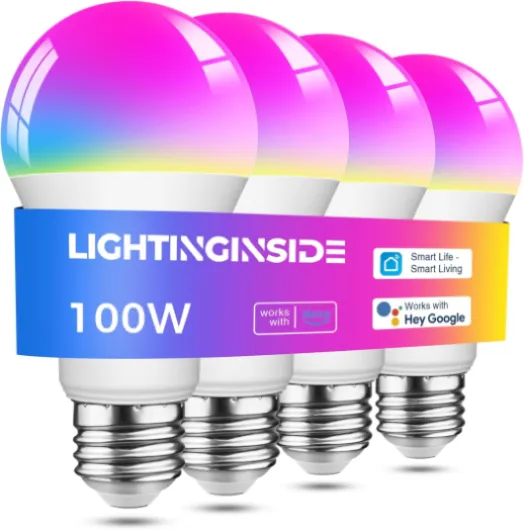

Understanding universal lighting technologies
What Makes Lighting Technologies Universal?
Universal lighting technologies are reshaping the smart lighting industry by offering compatibility across a wide range of lamps, ballasts, and control systems. Unlike older lighting solutions that required specific parts or brands, universal options are designed to work with various input voltages, lamp types, and control protocols. This means whether you have a fluorescent, compact fluorescent (CFL), or electronic lamp, universal lighting can often support your needs.
How Universal Ballasts and Lamps Work
At the heart of universal lighting are components like universal ballasts and electronic ballasts. These devices, such as the universal triad or iunvhp electronic models, allow for instant start, rapid start, and even programmed rapid start options. This flexibility means you can use different types of lamps—like electronic compact or ballast lamps—without worrying about compatibility issues. Many universal ballasts are designed to replace discontinued or older models, making upgrades easier and more cost-effective.
Key Terms in Universal Lighting
- Instant start: Lamps light up immediately, ideal for spaces where lights are frequently switched on and off.
- Rapid start: Lamps warm up quickly, extending lamp life and reducing flicker.
- Programmed rapid start: Combines energy efficiency with longer lamp life, suitable for commercial and residential use.
- Ballast: A device that regulates the current to lamps, essential for fluorescent and CFL lighting.
- Universal electronic: Ballasts and controls that support a wide range of lamp types and voltages.
Why Universal Lighting Matters for Smart Homes
Universal lighting technologies simplify the process of upgrading or expanding your smart lighting system. With options like universal basic and triad electronic ballasts, users can mix and match different lamp types and brands without worrying about input voltage or compatibility. This flexibility not only saves time but can also reduce the overall price of installation and maintenance.
For those starting their journey into smart lighting, universal options offer a practical path forward. They support both new and discontinued products, making it easier to find replacement parts or upgrade existing setups. If you're interested in how these technologies can transform your home environment, you can learn more about smart lighting solutions for modern homes.

Compatibility challenges in smart lighting
Why Compatibility Remains a Challenge in Smart Lighting
One of the biggest hurdles for anyone upgrading to smart lighting is ensuring that all components work together seamlessly. Universal lighting technologies aim to bridge the gap, but the reality is that compatibility issues still persist, especially when dealing with legacy systems and new smart devices.
- Ballast and Lamp Types: Many homes and businesses still use fluorescent lamps, which require specific ballasts. There are various types, such as instant start, rapid start, and programmed rapid start ballasts. Each type interacts differently with lamps, and not all are compatible with modern smart lighting controls.
- Electronic Ballasts: The move from magnetic to electronic ballasts (like iunvhp electronic or universal triad electronic models) improved efficiency, but also introduced more variables. Some electronic ballasts are discontinued, making replacements or upgrades difficult. Users often find themselves searching for compatible options when a ballast lamp fails.
- Universal Options: Universal ballasts and lamps are designed to work with multiple lamp types, such as compact fluorescent (CFL) and electronic compact lamps. However, not every universal product is truly plug-and-play. Checking input voltage, lamp wattage, and supported technologies is crucial before adding to your cart.
- Price and Availability: As some models like panasonic or triad ballasts become discontinued, price and availability fluctuate. This can make it hard to maintain a consistent lighting setup, especially if you rely on specific discontinued options.
For those looking to upgrade, the transition from traditional fluorescent ballast systems to universal smart lighting can be complex. The need to match ballast lamps with the right universal electronic ballast, or to replace outdated programmed rapid start units, often leads to confusion. Even with universal basic options, not all lighting technologies are supported equally.
To see how modern lighting is transforming living spaces and what compatibility means for your setup, check out this article on how space lights are transforming modern living spaces.
As universal lighting continues to evolve, understanding these compatibility challenges is key to making informed decisions about your smart lighting options.
Benefits of universal lighting for everyday users
Everyday Advantages of Universal Lighting Solutions
Universal lighting technologies are making it easier for people to upgrade their homes and businesses with smart lights. One of the biggest benefits is the ability to use a wide range of lamps and ballasts, including fluorescent, compact fluorescent (CFL), and electronic options. This flexibility means users are not limited by discontinued models or specific brands, such as Panasonic or Triad electronic. Whether you have a rapid start, instant start, or programmed rapid start ballast, universal lighting can often support your existing setup.
- Seamless Compatibility: Universal ballasts and lamps work with many input voltages and lamp types, reducing the hassle of finding the right match. This is especially helpful when replacing older fluorescent ballast lamps or upgrading to electronic compact fluorescent lighting.
- Cost Savings: By supporting both new and discontinued models, universal lighting options help users avoid the price of a full system replacement. You can keep using your current fixtures and simply swap out the ballast or lamp, making it easier to manage your cart and budget.
- Easy Upgrades: Universal electronic ballasts, such as the iunvhp electronic or universal triad, simplify the process of upgrading from traditional to smart lighting. You can choose from a variety of options universal to your needs, whether you want instant or rapid start features.
- Reduced Waste: Supporting multiple lamp types, including electronic fluorescent and ballast lamps, means fewer products end up discontinued or thrown away. This is a more sustainable approach to lighting technologies.
For those starting out with smart lighting, universal basic solutions make the transition smoother. You do not have to worry about technical compatibility or searching for hard-to-find parts. If you are interested in learning how to select the right smart plug for your setup, check out this guide on choosing the right Z-Wave plug for your smart lighting needs.
Overall, universal lighting technologies offer practical benefits for everyday users, making smart lighting more accessible, affordable, and sustainable.
Key features to look for in universal smart lights
What Makes a Universal Smart Light Stand Out?
When shopping for smart lighting, it’s easy to get lost in technical jargon like ballast, instant start, or electronic fluorescent. But understanding the key features of universal smart lights can help you make the right choice for your space and budget. Universal lighting technologies are designed to work with a wide range of lamps and ballasts, including compact fluorescent (CFL), rapid start, and programmed rapid start options. Here’s what to look for:
- Wide Compatibility: Universal smart lights are engineered to support various lamp types, such as fluorescent, electronic compact, and LED. This flexibility means you can upgrade your lighting without replacing all your fixtures or ballasts, even if some are discontinued models.
- Flexible Ballast Support: Look for products that mention compatibility with instant start, rapid start, and programmed rapid start ballasts. Universal triad and iunvhp electronic ballasts, for example, are known for their broad support of different lamp technologies.
- Multiple Input Options: The best universal lighting solutions offer a range of input voltages and control methods, making them suitable for both residential and commercial settings. This is especially useful if you have a mix of old and new lighting technologies in your building.
- Energy Efficiency: Modern universal electronic ballasts and lamps are designed to maximize energy savings, reducing your electricity bill while maintaining high-quality light output. Look for products that meet current energy standards and offer instant or programmed rapid start features for additional efficiency.
- Availability and Price: Some ballasts and lamps, like certain Panasonic or universal basic models, may be discontinued. Always check product availability and compare prices before adding items to your cart. Universal options often provide a good balance between cost and long-term flexibility.
Comparing Universal Smart Light Features
| Feature | Universal Smart Light | Traditional Smart Light |
|---|---|---|
| Ballast Compatibility | Supports instant start, rapid start, programmed rapid, and more | Limited to specific ballast types |
| Lamp Options | Works with fluorescent, CFL, electronic compact, and LED lamps | Usually limited to LED or specific lamp types |
| Input Flexibility | Multiple input voltage and control options | Standard input only |
| Availability | Often available, but check for discontinued models | Generally available, but less flexible |
| Price | Competitive, with long-term savings | Varies, may require more frequent upgrades |
Choosing a universal smart light means you get more options and future-proof your lighting setup. Whether you’re dealing with a mix of ballast lamps or want to upgrade to electronic fluorescent solutions, focusing on these features will help you find the right fit for your needs.
How universal lighting technologies support accessibility
Making Smart Lighting More Inclusive
Universal lighting technologies are playing a crucial role in making lighting more accessible for everyone, including people with disabilities and those who need adaptable solutions. By focusing on compatibility and flexibility, these systems help break down barriers that traditional lighting setups often create.- Easy-to-use controls: Universal options often support a range of input methods, from physical switches to voice commands and mobile apps. This flexibility is especially valuable for users with limited mobility or vision.
- Wide compatibility: Universal electronic ballasts and lamps, such as the triad electronic or universal triad models, work with various lamp types, including compact fluorescent (CFL), rapid start, instant start, and programmed rapid start lamps. This makes it easier to upgrade or replace lighting without worrying about discontinued products or specific brands.
- Adaptable brightness and color: Many universal lighting solutions allow for adjustable brightness and color temperature, which can support users with sensory sensitivities or specific visual needs.
- Simple installation: Products like universal basic ballasts or iunvhp electronic ballasts are designed for straightforward installation, reducing the need for specialized knowledge or tools. This is particularly helpful for those who want to add or change lighting options independently.
Examples of Accessible Features
| Feature | How It Supports Accessibility |
|---|---|
| Instant start and rapid start ballasts | Provide immediate, flicker-free lighting, reducing eye strain and making spaces safer for everyone |
| Universal input options | Allow users to control lighting through various devices, including smartphones and assistive tech |
| Electronic compact fluorescent lamps | Offer energy-efficient lighting that is compatible with many fixtures, making upgrades more accessible |
| Programmable settings | Let users customize lighting schedules and scenes to match personal routines or needs |
Future trends in universal smart lighting
Emerging Innovations in Universal Smart Lighting
The future of universal lighting technologies is shaped by ongoing advancements in both hardware and software. Manufacturers are focusing on developing electronic fluorescent ballasts and universal triad options that support a wider range of lamp types, including compact fluorescent (CFL) and LED. This means users can expect more flexibility when choosing between instant start, rapid start, and programmed rapid start ballast lamps, even as some older models like certain Panasonic or discontinued ballast options phase out of the market.
Greater Interoperability and Input Options
Universal electronic ballasts are increasingly designed to accept multiple input voltages, making them suitable for various regional requirements and reducing the need for multiple product lines. The iunvhp electronic ballast, for example, is gaining attention for its adaptability with different fluorescent and electronic compact lamps. This trend is likely to continue, with more universal basic and triad electronic solutions offering seamless integration across lighting systems.
Focus on Sustainability and Cost Efficiency
As lighting technologies evolve, there is a strong emphasis on energy efficiency and cost savings. Universal lighting options are being engineered to maximize lamp life and reduce power consumption, which can help lower the overall price of ownership. Features like programmed rapid start and electronic fluorescent compatibility are now standard in many universal lighting products, ensuring that users benefit from both performance and sustainability.
Expanding Accessibility and User-Friendly Features
Future universal lighting solutions will likely continue to prioritize accessibility. Expect more intuitive controls, compatibility with smart home platforms, and support for a broader range of ballast lamps and electronic ballast types. This ensures that users with different needs and preferences can find suitable options universal to their environments, whether upgrading a single lamp or managing a large-scale lighting system.
Market Adaptation and Product Availability
With some traditional products like certain ballast discontinued models, the market is shifting toward universal triad and electronic options that offer enhanced reliability and longer service life. As a result, users will find it easier to add new lamps to their cart, compare price points, and choose from a wider selection of universal lighting technologies that meet modern demands.