
Understanding what makes a light bulb green
What Defines a Green Light Bulb?
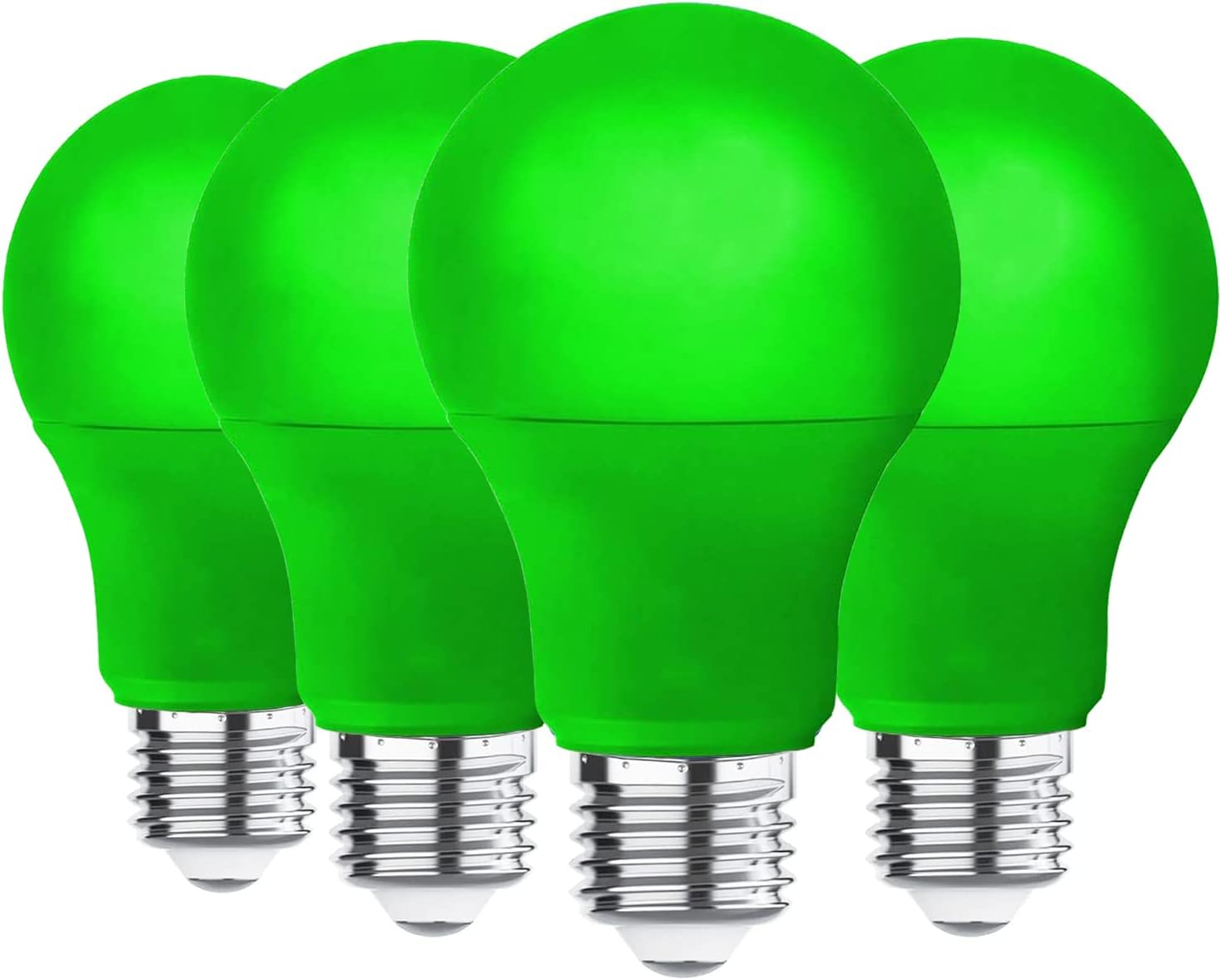
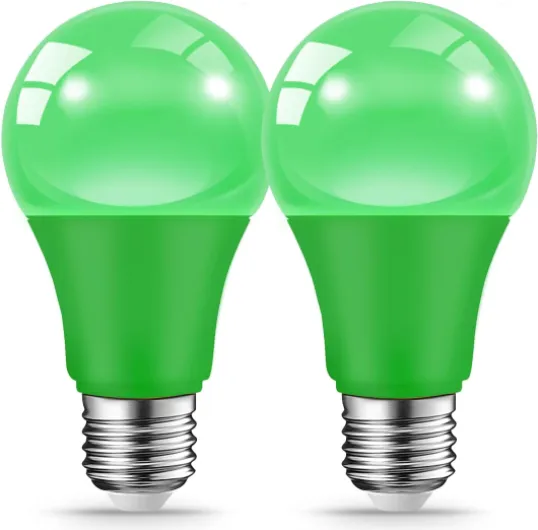
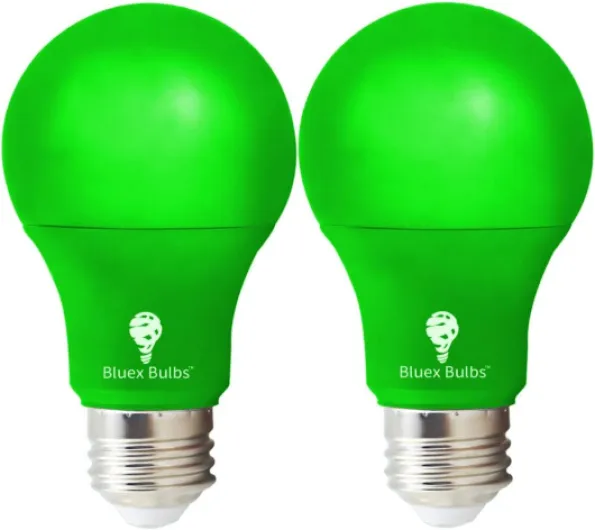
When people talk about a "green" light bulb, they often mean two things: the color of the light and the environmental impact. Green light bulbs can be colored bulbs that emit a green hue, often used for decorative lighting, signs, or special events. However, in the context of sustainability, a green light bulb refers to products designed to reduce energy use and environmental impact. These bulbs are typically LED-based, offering a lower watt equivalent compared to traditional incandescent bulbs while providing the same level of brightness.
Key Features That Make a Bulb Environmentally Friendly
- Energy Efficiency: LED green light bulbs use less electricity per watt, making them more efficient than standard incandescent or halogen bulbs. This means you get the same light output (measured in lumens) for a fraction of the energy.
- Longer Lifespan: Many LED products, such as Sunlite LED colored bulbs or LED filament bulbs, can last up to 25,000 hours or more. This reduces the frequency of replacements and the number of bulbs sold and discarded.
- Reduced Toxic Materials: Unlike some traditional bulbs, green LED bulbs do not contain mercury or other hazardous substances, making disposal safer for the environment.
- Versatility: Green bulbs are available in various base types, including medium base and standard base, and can fit most light fixtures. They come in different watt equivalents and are often dimmable, allowing for greater control over lighting and energy use.
Types and Applications of Green Bulbs
Green light bulbs come in several forms, including LED par bulbs, decorative bulbs, and colored light bulbs for both indoor and outdoor use. Packs are often sold in different counts, making it easy to find the right amount for your needs. Whether you need a single bulb for a sign or a pack for your home lighting, there are options to fit various price points and applications.
For those interested in how smart lighting can further enhance the benefits of green bulbs, exploring smart home lighting solutions can provide additional insights into energy savings and convenience.
How green light bulbs contribute to sustainability
Reducing Energy Use and Environmental Impact
Green light bulbs, especially LED options, are making a real difference in sustainability. Compared to traditional incandescent bulbs, LEDs use far less energy for the same light output. For example, a 9-watt LED bulb can provide the same brightness as a 60-watt equivalent incandescent, leading to significant energy savings. This lower energy use means less demand on power plants and a smaller carbon footprint for each home.
Longer Lifespan and Less Waste
Another key benefit of green bulbs is their long lifespan. Standard LED bulbs can last up to 25,000 hours, much longer than older bulbs. This means fewer replacements, less waste, and less hassle for homeowners. Many products, like Sunlite LED colored bulbs and dimmable options, are also designed to fit standard medium base fixtures, making upgrades easy without changing your lighting setup.
Materials and Manufacturing
Manufacturers are also improving how bulbs are made. Many green bulbs use recyclable materials and avoid hazardous substances found in some traditional bulbs. LED filament designs and decorative bulbs are now available in eco-friendly versions, offering both style and sustainability. Pack sizes, such as 4-count or 6-pack, help reduce packaging waste when buying in bulk.
Supporting Broader Sustainable Lighting Trends
Switching to green bulbs is part of a bigger shift in lighting technology. Universal lighting technologies and smart features are helping homes and businesses use energy more efficiently. For more on how these innovations are changing our use of smart lights, check out this guide to universal lighting technologies.
- LED green bulbs and colored light options are available for signs, decorative lighting, and standard fixtures
- PAR bulbs and dimmable products let you control brightness and energy use
- Medium base and base green bulbs fit most existing light fixtures
When considering price, green bulbs may cost more upfront, but their efficiency and long life often mean lower total costs over time. As more products are sold and technology advances, prices are becoming more competitive, making sustainable lighting accessible for more people.
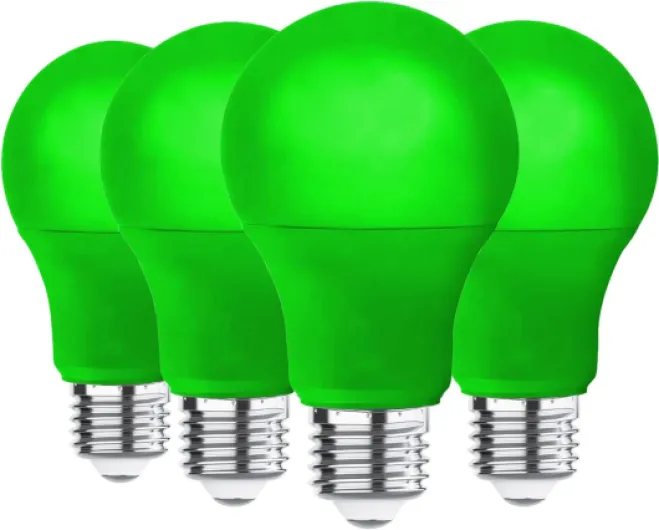
- + Energy-efficient: 9W equivalent to 60W
- + Versatile: Ideal for weddings, Halloween, and Christmas
- + Decorative: Great for home and party decor
- + Long-lasting: LED technology provides durability

Smart features in green light bulbs
Smart controls and automation features
Modern green light bulbs are not just about energy efficiency—they also come packed with smart features that make lighting more convenient and adaptable. Many LED green bulbs now offer wireless connectivity, allowing you to control your lighting through smartphone apps or voice assistants. This means you can adjust brightness, set schedules, or even change the color of your bulbs to suit your mood or activity, all without touching a switch.
- Dimmable options: Many green LED bulbs are dimmable, letting you fine-tune the light output for different spaces or times of day. This can help save even more energy and extend the life of your bulb.
- Color customization: Some products, like LED colored bulbs and Sunlite LED options, offer a range of colored light settings, including green, to create ambiance or highlight features in your home. These bulbs are especially popular for decorative lighting or for use in sign lighting and holiday displays.
- Integration with smart home systems: Many smart green bulbs are compatible with standard platforms, making it easy to add them to your existing smart home setup. For example, bulbs with a medium base or E26 base can fit most standard light fixtures, and features like Z-Wave or Zigbee connectivity allow for seamless integration. For more on integrating smart lighting with home security, check out this guide on choosing the right Z-Wave lock for your smart home.
Comparing features and price points
When shopping for smart green bulbs, you’ll notice a range of price points depending on features like watt equivalent, pack count, and whether the bulb is decorative or designed for standard lighting. LED filament bulbs and LED PAR bulbs often come in multi-packs, making it easier to upgrade several fixtures at once. Pay attention to the watt equivalent and lumens to ensure you’re getting the right brightness for your needs. Dimmable and color-changing features may add to the price, but they also offer greater flexibility and control over your lighting environment.
| Product Type | Base | Watt Equivalent | Features | Price Range |
|---|---|---|---|---|
| LED Green Bulb | Medium Base | 60W Equivalent | Dimmable, Smart Control | $$ |
| Sunlite LED Colored | Standard Base | 40W Equivalent | Color Changing, App Control | $$$ |
| LED PAR Bulb | Base Green | 75W Equivalent | Outdoor, Sign Lighting | $$ |
With so many options, it’s important to compare products based on your specific lighting needs, fixture compatibility, and budget. Whether you’re looking for a single bulb or a pack of bulbs green for decorative purposes, smart features can make your lighting more efficient and enjoyable.
Comparing green light bulbs to traditional options
Performance and Efficiency: Green Bulbs vs. Traditional Lighting
When comparing green light bulbs to traditional options, several factors stand out. The most common green bulbs today are LED-based, offering significant improvements over older incandescent and CFL bulbs. LEDs use less wattage for the same light output, making them more energy efficient. For example, a 9-watt LED green bulb can provide the same brightness as a 60-watt equivalent incandescent bulb, reducing energy consumption and utility bills.
- Price and Longevity: While the upfront price of LED green bulbs is often higher than traditional bulbs, their longer lifespan—sometimes up to 25,000 hours—means fewer replacements and lower long-term costs. Packs of green LED bulbs are commonly sold in standard medium base sizes, making them compatible with most light fixtures.
- Light Quality and Color: LED colored bulbs, including green, offer vibrant, consistent color output. Traditional bulbs often require colored covers or coatings, which can fade over time. LED filament technology ensures that the colored light remains bright and true, whether used for decorative purposes or as a sign light.
- Versatility: Green LED bulbs are available in various forms, such as dimmable, PAR, and decorative options. This flexibility allows them to fit different lighting needs, from accent lighting to outdoor displays. Traditional bulbs are more limited in their range of products and features.
- Environmental Impact: LEDs contain no hazardous materials like mercury, which is found in some older bulbs. Their lower energy use and longer life contribute to a smaller environmental footprint.
| Feature | Green LED Bulbs | Traditional Bulbs |
|---|---|---|
| Watt Equivalent | 9-12W (60W equivalent) | 40-60W |
| Base Type | Medium base, base green | Standard base |
| Color Options | LED colored, green, decorative | Limited, often requires covers |
| Lifespan | Up to 25,000 hours | 1,000-2,000 hours |
| Environmental Impact | Low, no hazardous materials | Higher, may contain mercury |
| Price | Higher upfront, lower over time | Lower upfront, higher replacement cost |
For those seeking sustainable lighting, green LED bulbs like Sunlite LED or other equivalent medium base products offer a compelling mix of efficiency, longevity, and vibrant colored light. They are available in various pack counts and wattages, making it easier to find the right fit for your home’s lighting needs.
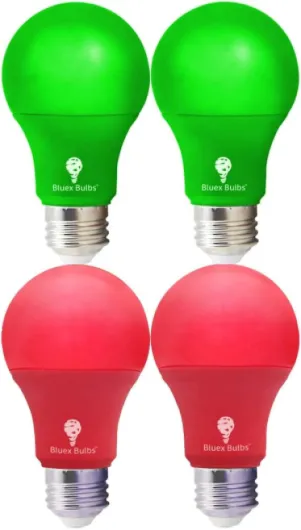
- + Energy efficient - only 9 watts
- + Dual color options - red and green
- + Versatile use - ideal for parties, Christmas, and home lighting
- + Standard E26 base - easy to replace
- + Bright illumination - 60-watt replacement equivalent
Tips for choosing the right green light bulb for your home
Key Factors to Evaluate Before Buying
When choosing a green light bulb for your home, it’s important to look beyond just the color. Consider the following aspects to make sure you get the best lighting solution for your needs:
- Watt Equivalent and Brightness: Check the watt equivalent to ensure the bulb provides enough light for your space. For example, a 9-watt LED green bulb can offer the same brightness as a traditional 60-watt bulb, making it energy efficient without sacrificing illumination.
- Base Compatibility: Make sure the bulb’s base matches your light fixtures. The medium base (E26) is standard in many homes, but always confirm compatibility, especially for decorative or specialty lighting.
- Type of Bulb: LED green bulbs are popular for their long lifespan and low energy use. Options like Sunlite LED, LED filament, and LED PAR bulbs offer different looks and functions, from classic shapes to colored spotlights.
- Dimmable Features: If you want to adjust the light intensity, look for dimmable bulbs. Not all green LED bulbs are dimmable, so check the product details before purchasing.
- Pack Size and Price: Bulbs are often sold in packs (such as a 4-pack or 6-count), which can be more cost-effective. Compare prices per bulb and consider the total number you need for your lighting project.
- Product Certifications: Look for bulbs with recognized certifications for energy efficiency and safety. This ensures you’re getting reliable products that contribute to sustainability.
Matching Bulbs to Your Lighting Needs
Different rooms and uses call for different types of green bulbs. For example, a standard green LED bulb works well for general lighting, while a PAR or sign bulb is better for accent lighting or highlighting features. Decorative bulbs can add a unique touch to fixtures in living spaces or outdoor areas.
- Outdoor vs. Indoor: Check if the bulb is rated for outdoor use if you plan to use it in exterior fixtures or signs.
- Colored Lighting: Some LED colored bulbs offer switchable colors, while others are dedicated green. Decide if you want flexibility or a consistent green light.
Assessing Long-Term Value
LED green bulbs generally have a higher upfront price compared to traditional options, but their lower energy consumption and longer lifespan often make them more cost-effective over time. Consider the total cost of ownership, including replacement frequency and energy savings.
By focusing on these factors—watt equivalent, base type, dimmable features, pack size, and product certifications—you can confidently choose the right green light bulb for your home’s lighting needs.
Common challenges and solutions with smart green light bulbs
Dealing with Compatibility and Installation Issues
One of the most common challenges with smart green light bulbs is ensuring compatibility with existing light fixtures and home automation systems. Not all bulbs fit every base or socket, so it's important to check if your chosen bulb has a medium base or another standard fitting. Some products, like Sunlite LED bulbs, are designed to be compatible with a wide range of fixtures, but always confirm the base green type before purchasing.
Managing Price and Value Concerns
Smart green bulbs often come at a higher price compared to traditional bulbs. While the initial cost may seem steep, consider the long-term savings from lower energy use and longer lifespan. Look for pack deals or count discounts to get better value. Also, compare the watt equivalent to ensure you're getting the right brightness for your needs. For example, a 9-watt LED can be equivalent to a 60-watt incandescent bulb, offering similar lighting output with less energy.
Addressing Connectivity and Control Problems
Smart features can sometimes be tricky to set up, especially if your Wi-Fi signal is weak or your smart home hub isn't compatible. Make sure your bulbs green or led colored products support your preferred control method, whether that's a mobile app, voice assistant, or remote. If you experience connection drops, try moving your router closer or using a mesh network to improve reliability.
Ensuring Dimmability and Color Accuracy
Not all smart green bulbs are dimmable, and some may not display the exact shade of green you expect. Check product specifications for "dimmable" features and look for bulbs with high color rendering indexes (CRI) for more accurate colored light. LED filament and led par bulbs often provide better color consistency and brightness control.
Solving Issues with Bulb Lifespan and Performance
Although LEDs are known for longevity, factors like heat, frequent switching, or poor-quality products can reduce lifespan. Choose reputable brands and check for certifications to ensure your bulb decorative or led light will last. If a bulb fails prematurely, check the warranty or return policy—many products are sold with guarantees.
- Always match the bulb watt and equivalent medium to your fixture's requirements.
- For outdoor sign or lighting needs, select par or weather-resistant models.
- Consider bulb watts and standard ratings for energy efficiency.