Understanding circadian lighting and its impact
The Science Behind Circadian Lighting
Our bodies are naturally tuned to the cycle of day and night, a process known as the circadian rhythm. This internal clock regulates sleep, alertness, hormone production, and even mood. Light exposure plays a crucial role in keeping this rhythm in sync. When we experience natural light during the day, especially blue and white light, our bodies receive signals to stay awake and alert. As evening approaches, the color temperature of natural light shifts, signaling the body to prepare for rest.
In greenhouses, artificial lighting systems often disrupt this natural rhythm. Traditional electric light sources may emit constant color and intensity, which can confuse the circadian rhythm of both plants and humans. Smart circadian lighting systems are designed to mimic the changing color temperature and intensity of natural daylight. By tuning the spectrum and brightness throughout the day, these systems help maintain a healthy sleep-wake cycle and support overall well-being.
Why Color Temperature and Timing Matter
Color temperature refers to the warmth or coolness of light, measured in Kelvin. During the day, higher color temperatures (cooler, blue-enriched light) promote alertness and productivity. In the evening, lower color temperatures (warmer, amber or red light) encourage relaxation and prepare the body for sleep. Smart bulbs and tunable white LED lighting systems can adjust these parameters automatically, aligning artificial lighting with the natural progression of daylight.
For greenhouse environments, this means both plants and people benefit from lighting that supports their biological rhythms. Human-centric lighting design not only enhances comfort but also contributes to health by reducing the negative effects of improper light exposure, such as disrupted sleep cycles and fatigue.
Integrating Smart Lighting for Better Health
Modern smart lighting systems offer features like color tuning, programmable schedules, and adaptive brightness. These allow for precise control over light exposure, supporting circadian rhythms throughout the day. When choosing a lighting system, consider how well it can replicate natural light patterns and adjust to the specific needs of your greenhouse environment.
For those interested in optimizing their lighting setup, integrating smart thermostats can further enhance the experience. Learn more about how a smart thermostat can enhance your smart lighting experience and contribute to a healthier, more productive greenhouse.

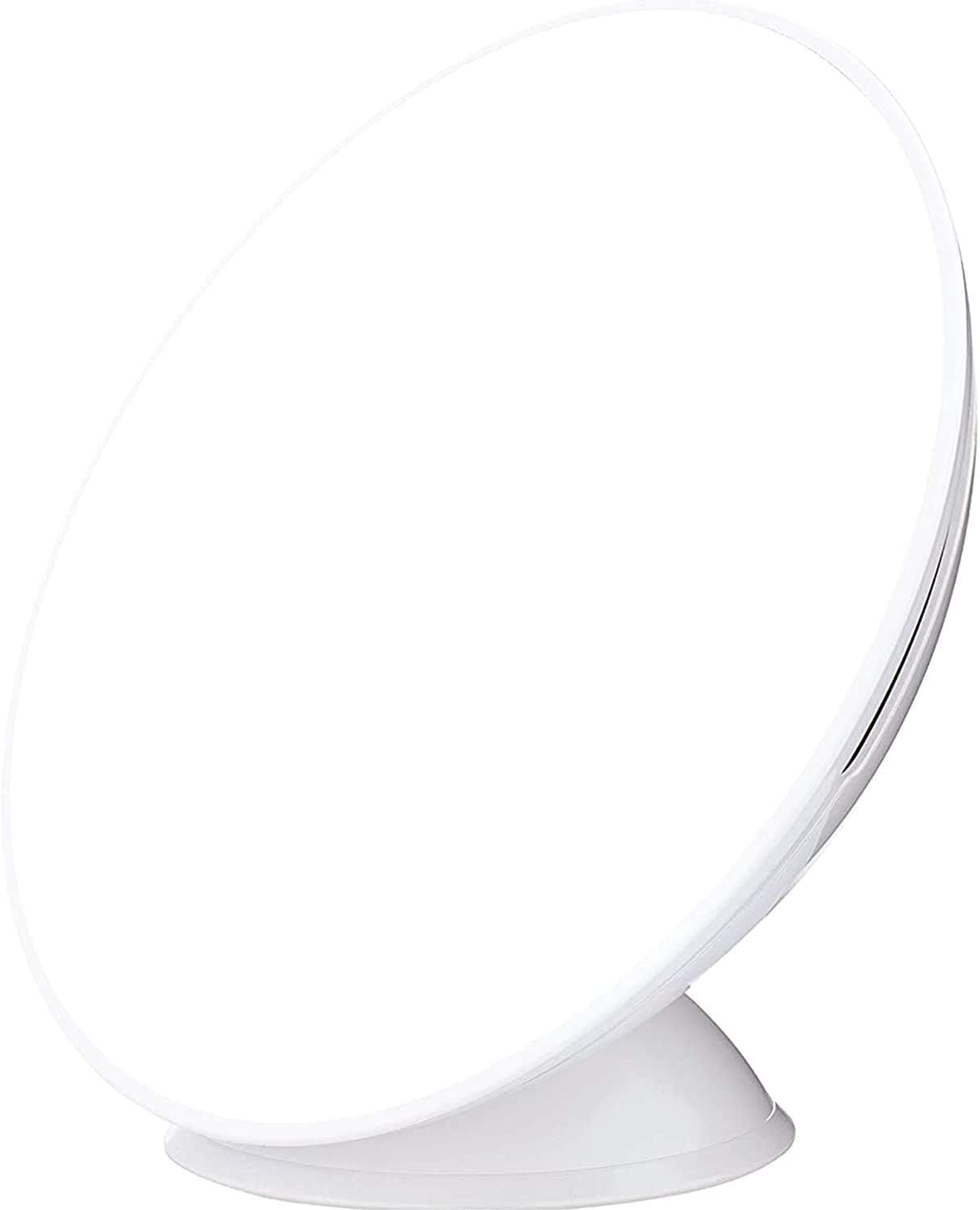
- + 10,000 LUX brightness for effective light therapy
- + Mimics noon day sun with 5500K color temperature
- + Improves mood, sleep, energy, and focus
- + Featured on Shark Tank for credibility

Benefits of circadian lighting in greenhouses
Enhancing Plant Growth and Human Well-being
Integrating circadian lighting into greenhouses does more than just illuminate plants. By mimicking the natural rhythm of daylight, these systems help support both plant development and the health of people working in these environments. The use of tunable white LED lights allows for precise control over color temperature and intensity, closely matching the natural progression of sunlight throughout the day. This approach helps regulate circadian rhythms, which are essential for optimal growth and productivity.
Optimizing Light Exposure for Productivity
Smart circadian lighting systems are designed to adjust the spectrum and intensity of light based on the time of day. During the morning, higher levels of blue light can stimulate alertness and promote healthy sleep-wake cycles for workers, while also encouraging robust plant photosynthesis. As the day progresses, the lighting system gradually shifts to warmer white light, supporting a more relaxed atmosphere and preparing both plants and people for the evening. This dynamic color tuning helps maintain a natural rhythm, reducing the negative effects of artificial lighting on sleep and overall health.
Energy Efficiency and Sustainability
Modern smart bulbs and LED lighting systems are engineered for efficiency. By tailoring light exposure to the actual needs of plants and humans, these systems reduce unnecessary energy consumption. The ability to fine-tune color temperature and intensity means less wasted electricity and a smaller environmental footprint. This aligns with the growing demand for sustainable greenhouse design and operation.
Supporting Human-Centric Greenhouse Design
Human-centric lighting is not just a trend—it’s a shift in how we think about artificial lighting in shared spaces. By prioritizing the circadian rhythm of both plants and people, greenhouse operators can create healthier, more productive environments. The right lighting system can help regulate body clocks, improve sleep cycles, and enhance overall well-being. For more insights on how innovative lighting is shaping modern environments, check out this resource on how space lights are transforming modern living spaces.
- Improved plant growth through natural light simulation
- Better worker health and productivity by supporting natural sleep-wake cycles
- Reduced energy costs with efficient LED and smart lighting systems
- Flexible color tuning for different times of day and specific needs

- + 10,000 LUX brightness for effective light therapy
- + 5500K color temperature mimics natural sunlight
- + Improves mood, sleep, energy, and focus
- + Compact design for desk use
- + As seen on Shark Tank adds credibility
Key features of smart circadian lighting systems
What Makes a Smart Circadian Lighting System Effective?
Smart circadian lighting systems are designed to mimic the natural progression of sunlight throughout the day, supporting the circadian rhythm of both plants and humans. These systems go beyond basic artificial lighting by offering features that adapt to the changing needs of a greenhouse environment.
- Tunable White and Color Temperature Control: The ability to adjust color temperature—from cool blue-white in the morning to warm white in the evening—helps simulate natural light patterns. This supports healthy sleep-wake cycles for staff and optimal growth for plants.
- Dynamic Light Scheduling: Advanced systems allow you to program lighting schedules that align with the time of day. This ensures consistent light exposure that matches the natural day-night rhythm, promoting better health and productivity.
- Smart Sensors and Automation: Integrated sensors monitor ambient light and adjust output automatically. This not only saves energy but also maintains a stable lighting environment that supports the circadian rhythms of both plants and people.
- Human-Centric Design: Modern lighting systems focus on the human body as much as on plant needs. Features like color tuning and blue light management help regulate sleep cycles and overall well-being for greenhouse workers.
- LED Technology: Most smart circadian systems use LED lights for their efficiency and flexibility. LEDs can deliver precise color and intensity control, making them ideal for circadian lighting applications.
- Compatibility with Existing Infrastructure: Many systems are designed to work with standard ballasts and fixtures. For more on how ballasts affect your setup, see this guide on understanding ballasts for fluorescent lighting.
Comparing Key Features at a Glance
| Feature | Benefit | Why It Matters |
|---|---|---|
| Tunable White | Adjusts color temperature for different times of day | Supports natural circadian rhythms |
| Dynamic Scheduling | Automates lighting changes | Ensures optimal light exposure |
| Smart Sensors | Monitors and adapts to real-time conditions | Improves energy efficiency and health |
| LED Technology | Delivers precise color and intensity control | Enables effective circadian lighting |
| Human-Centric Design | Considers sleep and well-being | Enhances staff comfort and productivity |
When evaluating smart bulbs or a complete lighting system for your greenhouse, consider how these features align with your goals for plant growth, energy savings, and human health. The right combination of natural light simulation, color tuning, and automation can truly transform your greenhouse experience.
Challenges in implementing circadian lighting
Complexities in Achieving True Circadian Lighting
While the promise of circadian lighting in greenhouses is compelling, several challenges can make implementation difficult. Creating a lighting system that truly supports the natural circadian rhythm of plants and humans requires more than just installing smart bulbs or LED fixtures. The design must consider the timing, color temperature, and intensity of light throughout the day to mimic natural light exposure and support healthy sleep-wake cycles.
Technical and Design Barriers
- Precision in Color Tuning: Achieving the right mix of blue and white light at different times of day is essential. Many systems struggle with accurate color temperature adjustments, which can impact both plant growth and human health.
- Integration with Existing Systems: Retrofitting older greenhouses with modern, human-centric lighting systems can be costly and complex. Compatibility issues between new smart lighting technology and existing electric light infrastructure are common.
- Control and Automation: Advanced lighting systems require sophisticated controls to adjust light exposure in real time. Not all smart lighting solutions offer seamless automation or user-friendly interfaces, making it harder to maintain optimal circadian rhythms.
Environmental and Operational Hurdles
- Energy Consumption: While LED and tunable white lights are more efficient than traditional options, running a dynamic circadian lighting system can still increase energy use, especially if not properly optimized for the time of day and natural light availability.
- Consistency of Natural Light: Variations in sunlight due to weather or seasonal changes can disrupt the intended lighting circadian patterns. Balancing artificial lighting with unpredictable natural light requires careful system design and ongoing adjustments.
- Cost and Maintenance: High-quality, human-centric lighting systems with advanced color tuning and automation features often come with higher upfront costs. Maintenance of these systems, including regular calibration and software updates, adds to the operational burden.
Knowledge and Training Gaps
Effective use of circadian lighting systems depends on understanding the science behind circadian rhythms and the impact of light exposure on sleep cycles, plant health, and human well-being. Without proper training, greenhouse operators may not fully leverage the benefits of tunable lighting or may inadvertently disrupt natural rhythms with poor scheduling or color temperature choices.
Practical tips for choosing the right system
What to Look for When Selecting a Circadian Lighting System
Choosing the right smart circadian lighting system for your greenhouse can feel overwhelming, but focusing on a few key factors will help you make an informed decision. The goal is to create a lighting environment that supports plant growth and aligns with natural circadian rhythms, benefiting both plants and people working in the space.
- Color Temperature and Tuning: Look for systems that offer tunable white and color tuning features. The ability to adjust color temperature—from cool blue light during the day to warmer white light in the evening—helps simulate natural light cycles, supporting healthy circadian rhythms for plants and humans alike.
- Smart Controls and Automation: A good lighting system should allow you to automate changes in light intensity and color temperature based on the time of day. This ensures consistent light exposure and supports the natural sleep-wake cycles of both plants and workers.
- LED Quality and Efficiency: High-quality LED lights are essential for energy efficiency and effective circadian lighting. LEDs with advanced design offer better color rendering and more precise control over light spectrum, which is crucial for mimicking natural daylight and supporting plant health.
- Integration with Existing Systems: Consider whether the lighting system can integrate with your current greenhouse controls or other smart systems. Compatibility with platforms that manage temperature, humidity, and electric light can streamline operations and improve overall results.
- Human-Centric Design: If your greenhouse is also a workspace, prioritize lighting systems that consider human health. Properly designed circadian lighting can improve alertness, mood, and sleep cycles for staff by reducing exposure to disruptive blue light at night and enhancing natural light during the day.
- Ease of Use and Maintenance: Choose systems with user-friendly interfaces and straightforward maintenance. Reliable support and clear documentation are important for long-term satisfaction.
Checklist for Evaluating Circadian Lighting Solutions
| Feature | Why It Matters |
|---|---|
| Color temperature range | Enables simulation of natural day-night cycles |
| Smart automation | Supports consistent circadian rhythm alignment |
| LED efficiency | Reduces energy costs and improves light quality |
| System compatibility | Ensures seamless integration with other controls |
| Human-centric features | Promotes health and productivity for staff |
| Ease of use | Simplifies daily operation and maintenance |
By focusing on these aspects, you can select a smart circadian lighting system that not only enhances plant growth but also supports the well-being of everyone in your greenhouse. Remember, the right lighting design is about more than just brightness—it’s about aligning with the natural rhythm of life.
Future trends in smart circadian lighting for greenhouses
Emerging Technologies Shaping Greenhouse Lighting
Smart circadian lighting systems for greenhouses are evolving rapidly, driven by advances in LED technology, sensor integration, and automation. As growers seek to mimic natural light patterns and support plant health, new trends are emerging that promise even more precise control over light exposure, color temperature, and timing.
Personalized Lighting Schedules and AI Integration
Artificial intelligence is beginning to play a role in optimizing lighting systems. By analyzing data on plant growth, environmental conditions, and the natural day-night cycle, AI-powered systems can automatically adjust light intensity, spectrum, and duration. This helps maintain a stable circadian rhythm for plants, supporting healthy growth and potentially improving yield quality.
Advanced Color Tuning and Dynamic Spectrum Control
Modern LED lights now offer tunable white and color tuning features, allowing growers to adjust the spectrum from cool blue to warm white light. This flexibility supports different stages of plant development and helps simulate the changing color temperature of natural daylight. Dynamic spectrum control also enables the reduction of blue light exposure at certain times, which can be beneficial for both plant and human health within the greenhouse environment.
Integration with Environmental Sensors
Next-generation lighting systems are increasingly connected to sensors that monitor temperature, humidity, and even CO2 levels. These sensors feed real-time data to the lighting system, allowing for automatic adjustments that align with the natural rhythm of the day and the specific needs of the plants. This integration supports a more human-centric and plant-centric approach to greenhouse management.
Focus on Energy Efficiency and Sustainability
Energy efficiency remains a top priority. Newer systems use advanced LED design and smart controls to minimize electric light usage while maximizing the benefits of natural light. Some solutions even incorporate solar harvesting or adaptive dimming, reducing energy costs and environmental impact.
Human-Centric Design in Greenhouse Environments
While the primary focus is often on plant health, there is growing awareness of the impact of artificial lighting on workers’ circadian rhythms and sleep cycles. Lighting systems are being designed to support both plant and human well-being, with features like adjustable color temperature and reduced blue light exposure during evening hours. This approach helps maintain a healthy sleep-wake rhythm for those working in the greenhouse, aligning with broader trends in human-centric lighting design.
| Trend | Benefit | Technology |
|---|---|---|
| AI-driven scheduling | Optimized light exposure for plant growth | Machine learning, data analytics |
| Dynamic color tuning | Supports circadian rhythms and plant stages | Tunable white LEDs, spectrum control |
| Sensor integration | Responsive to environmental changes | IoT sensors, automation |
| Energy efficiency | Lower costs, reduced environmental impact | Smart dimming, solar integration |
| Human-centric lighting | Improved worker health and comfort | Adjustable color temperature, blue light reduction |
As these trends continue, greenhouse operators can expect smarter, more adaptive lighting systems that enhance both plant growth and human health, while supporting sustainable practices.