
Understanding side lighting in smart homes
What Makes Side Lighting Unique in Smart Homes
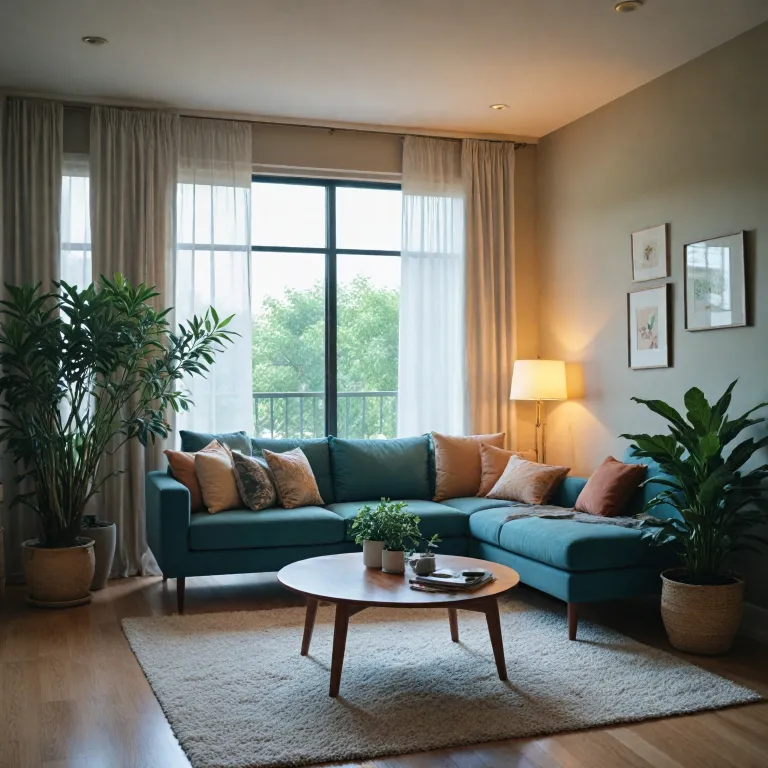
Side lighting is a lighting technique where the light source is positioned at an angle to the side of the subject or area, rather than directly above or in front. This approach is widely used in photography to add depth, contrast, and a dramatic tone to images. In smart homes, side lighting brings similar benefits, transforming the way spaces look and feel by emphasizing subject features and creating a more dynamic environment.
Unlike front light or overhead lighting, side light highlights textures and shapes, casting shadows that reveal the width and depth of objects. This is especially useful in lighting photography, where the angle and position of the light source can dramatically change the mood of a room or the appearance of a subject. For example, using a 45-degree angle can create a balanced fill light effect, while a sharper angle increases contrast and drama.
- Depth and Dimension: Side lighting helps grow the perception of space by casting shadows and strokes that define the edges of furniture, artwork, or architectural features.
- Versatility: With smart technology, you can adjust the stroke width, intensity, and color temperature of your side light to suit different activities or times of day.
- Photography Tips: Many lighting setups in landscape photography and portraiture use side lit techniques to achieve a full spectrum of tones and highlight the subject’s best features.
In smart homes, the integration of side lighting is not just about aesthetics. It’s about creating a flexible, well-lit environment that adapts to your needs. Whether you want to fill a room with soft, even light or add a dramatic stroke to a particular area, side lighting offers a wide range of possibilities. For more insights into how smart lighting can transform your home environment, check out this guide on smart lighting transformations.

Benefits of side lighting for daily living
Enhancing Everyday Spaces with Side Lighting
Side lighting is more than just a lighting technique borrowed from photography. When used in smart homes, it brings a new dimension to daily living by shaping the mood, comfort, and functionality of your spaces. Unlike front light, which can flatten subject features, side lighting adds depth and contrast, making rooms feel more dynamic and visually interesting.
- Creates Depth and Drama: By positioning the light source at a 90-degree angle or similar to the subject or area, side lighting casts gentle shadows that highlight textures and architectural details. This effect is often used in lighting photography to give images a dramatic tone, and it works just as well in your living room or hallway.
- Improves Visual Comfort: Side lighting reduces harsh glare and helps fill in shadows, creating a balanced environment. This is especially useful for reading nooks, workspaces, or areas where you want to avoid the flatness of direct front light.
- Highlights Key Features: Whether you want to showcase a piece of art, a plant, or a unique wall texture, side lighting draws attention to these elements by enhancing their form and stroke width. This technique is popular in both landscape photography and interior design.
- Supports Flexible Lighting Setups: Smart side lights can be adjusted for intensity, color temperature, and even stroke, allowing you to tailor the lighting setup to different activities or times of day. This adaptability is a core benefit of integrating smart technology into your lighting system.
For those interested in how smart lighting can transform your home environment, you may find more insights in this article on how Vista smart lighting transforms your home environment.
In lighting photography, the use of fill light and side light is crucial for controlling contrast and highlighting the subject’s features. The same principles apply in smart homes, where a well-placed side light can create a full spectrum of moods, from soft and inviting to bold and dramatic. Whether you’re looking to grow your collection of smart lights or simply want to experiment with new lighting techniques, understanding the angle and position of your light source will make a noticeable difference in your daily experience.
Integrating side lighting with smart technology
Smart controls for side lighting: unlocking flexibility
Integrating side lighting with smart technology opens up new possibilities for your home. With smart controls, you can adjust the angle, intensity, and even the color temperature of your side light sources. This flexibility is especially useful for tasks like photography, where you may want to experiment with different lighting setups, such as using a fill light or key light to highlight subject features or create a dramatic tone. Smart lighting systems allow you to fine-tune the stroke width and contrast, enhancing the depth and dimension of your images or living spaces.
Automating your lighting setup for daily routines
One of the main advantages of smart side lighting is automation. You can program your lights to adjust based on the time of day, activity, or even the presence of people in a room. For example, a side lit workspace can automatically increase brightness in the morning and shift to a warmer, softer light in the evening. This not only improves comfort but also supports productivity and well-being. For those interested in advanced automation, understanding Z-Wave and Z-Wave Plus for smart lighting systems can help you create a seamless, interconnected environment.
Personalizing your space with smart side lighting
Smart side lighting lets you tailor the lighting technique to suit your preferences. Whether you want to create a dramatic effect with a 45-degree angle or use a full spectrum light source for landscape photography, smart controls make it easy. You can set up different scenes for reading, relaxing, or entertaining, adjusting the position and width of the light to reduce harsh shadows and fill the space with balanced illumination. This level of personalization ensures that your lighting not only looks good but also functions well for every subject and activity.
- Adjust side lighting for optimal contrast and depth
- Automate lighting changes based on time or activity
- Personalize scenes for different moods and uses
- Enhance photography with precise control over fill light and angle
Design tips for effective side lighting
Choosing the Right Angle and Position
Getting the most out of side lighting in your smart home starts with the angle and position of your light source. Placing a light at a 45-degree angle to your subject or area can create depth and highlight features, much like in lighting photography. This technique helps to fill shadows and bring out the texture of surfaces, whether you’re illuminating a living room or setting up a space for photography tips at home. For a more dramatic tone, try a sharper angle, which will increase contrast and make subject features stand out.
Balancing Fill and Key Light
Effective side lighting often relies on a balance between key light and fill light. The key light acts as the main source, while the fill light softens shadows on the opposite side. In a smart lighting setup, you can adjust the intensity and stroke width of each light source to control how much shadow and contrast you want. This is especially useful in lighting photography or when you want to create a specific mood in your space.
Maximizing Depth and Reducing Flatness
One of the main advantages of side lighting is its ability to add depth to a room or image. Unlike front light, which can flatten subject features, side light creates a sense of width and dimension. This is a classic lighting technique in landscape photography and can be applied to your home to make spaces feel more dynamic. Try experimenting with the degree angle of your light to see how it affects the overall depth and drama.
Controlling Shadows for a Dramatic or Subtle Effect
Shadows play a crucial role in the effectiveness of side lit spaces. If you want a more dramatic effect, position your light source so that it casts longer, more defined shadows. For a softer look, increase the fill light or use a full spectrum bulb to reduce harshness. Smart lighting systems allow you to fine-tune these settings, making it easy to switch between a dramatic and a subtle atmosphere depending on your needs.
Practical Tips for Everyday Use
- Use adjustable fixtures to change the angle and width of your side light as needed.
- Combine side lighting with other lighting techniques for a balanced setup.
- Consider the subject and purpose—whether it’s for reading, growing plants, or enhancing interior design.
- Test different positions to see how shadows and contrast will affect the space or image.
- For lighting photography, use side lighting to highlight texture and add a professional touch to your images.
Common challenges and solutions with side lighting
Overcoming Placement and Glare Issues
Side lighting can sometimes create unwanted glare or uneven shadows, especially if the light source is positioned at a harsh angle. To address this, consider using diffusers or adjusting the stroke width of your light beam. This helps soften the light and reduce sharp contrasts, making the subject features more balanced. In lighting photography, a fill light can be added on the opposite side to minimize deep shadows and bring out the full spectrum of tones in your space.Managing Shadows and Contrast
A common challenge with side lighting is managing the depth and dramatic tone it introduces. While side light can add a three-dimensional effect and highlight texture, it may also exaggerate imperfections or create overly dramatic shadows. Using a key light in combination with side lighting can help control the degree angle of illumination, ensuring the image or room remains inviting rather than stark. For photography tips, try adjusting the position and width of your light source to achieve the desired balance between contrast and clarity.Balancing Multiple Light Sources
Integrating side lighting with other lighting techniques, such as front light or overhead lighting, can be tricky. Too many light sources may flatten the subject or reduce the dramatic impact of side lit setups. It’s important to experiment with your lighting setup, testing different angles and intensities. In landscape photography or when lighting a room, consider the width and placement of each light source to maintain depth without overwhelming the scene.Smart Control and Automation Hurdles
When using smart technology to control side lighting, connectivity or compatibility issues can arise. Some smart bulbs or controllers may not support the nuanced adjustments needed for effective side lighting. Ensuring your devices support features like adjustable color temperature and dimming will help you grow your lighting capabilities and adapt to different needs, whether for lighting photography or daily living. Regularly updating your smart lighting system’s firmware can also resolve many common issues.- Use diffusers to soften harsh side light
- Combine side lighting with fill light to reduce deep shadows
- Adjust the angle and stroke width for optimal subject illumination
- Test different lighting setups to find the best balance for your space
- Check smart device compatibility for advanced lighting control
Emerging trends in smart side lighting
Innovative Approaches Shaping Side Lighting
Smart side lighting is evolving rapidly, with new technologies and creative techniques changing how we use light in our homes. The latest trends focus on enhancing depth, contrast, and control, drawing inspiration from lighting photography and professional lighting setups. Here are some key developments making an impact:
- Adaptive Lighting Algorithms: Modern systems use sensors and AI to adjust the angle, width, and intensity of side lights throughout the day. This helps maintain a consistent mood, reduce harsh shadows, and highlight subject features, similar to techniques used in landscape photography.
- Full Spectrum and Tunable White LEDs: New bulbs offer a wider range of color temperatures and a full spectrum of light, allowing users to mimic natural daylight or create a dramatic tone. This flexibility supports both daily living and specialized needs, such as grow lighting or fill light for photography tips at home.
- Integrated Smart Controls: Voice assistants and mobile apps now let users fine-tune the position, stroke width, and degree angle of their side lighting. This means you can easily switch from a soft fill light for reading to a more dramatic, side-lit effect for entertaining guests.
- Modular Lighting Fixtures: Adjustable fixtures and panels let homeowners experiment with different lighting techniques. You can combine front light and side light sources to create layered effects, increase contrast, or fill in shadows, much like a professional lighting setup in photography.
- Energy Efficiency and Sustainability: The latest smart side lighting products are designed to use less energy while delivering high-quality illumination. This not only lowers utility bills but also supports eco-friendly living.
What to Watch For
As the smart lighting market grows, expect to see even more integration between lighting technology and home automation. Features like scene presets, dynamic stroke control, and advanced sensors will make it easier to create the perfect lighting for any subject or activity. Whether you want to highlight a piece of art, add depth to a room, or improve your lighting photography at home, staying updated on these trends will help you make the most of your smart side lighting setup.