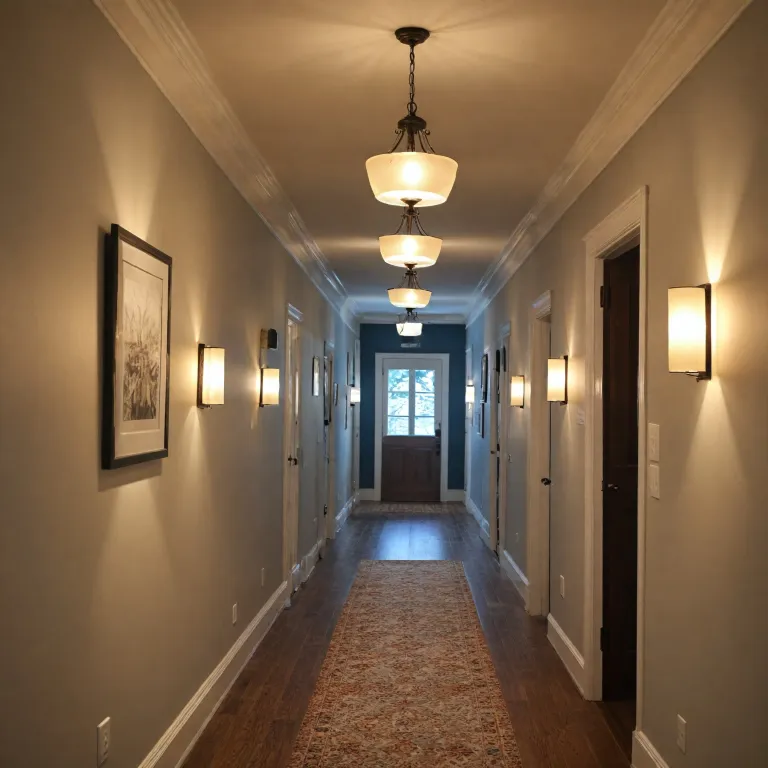
Understanding the importance of hallway lighting
Why hallway lighting matters for your home
When you think about home lighting, hallways are often overlooked. Yet, these spaces connect rooms and set the tone for your entire home. The right hallway lighting does more than just illuminate a path. It can make narrow hallways feel wider, highlight architectural features, and add a welcoming touch to your entryway. Proper lighting in hallways is essential for safety, especially in areas with low ceilings or long stretches. A well-lit hallway reduces the risk of trips and falls, particularly at night. Choosing the right light fixtures, such as flush mount ceiling lights or wall sconces, ensures even illumination without harsh shadows. Aesthetics also play a big role. Hallway lights, whether they are LED recessed lighting, pendant lights, or chandeliers, can transform a simple corridor into a stylish statement. The type of fixtures you select—like wall sconces for a narrow hallway or a bold pendant light for a spacious entry—can reflect your personal style and complement your home's design. Energy efficiency is another key factor. Modern LED light fixtures use less energy and last longer than traditional bulbs, making them a smart choice for spaces where lights are often left on. Smart lighting systems add convenience by allowing you to automate schedules or adjust brightness with your phone. If you want to learn more about optimizing lighting for unique spaces, check out this guide on achieving the best lighting for high ceilings with smart lights. It offers insights that can also apply to hallways with varying ceiling heights. In summary, hallway lighting is about more than just visibility. It’s about safety, style, and efficiency. The next steps involve choosing the right smart lighting solutions, finding the best placement, and exploring creative ideas to brighten your space.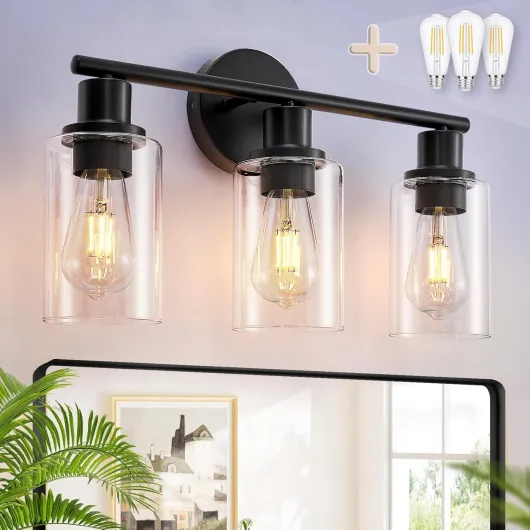
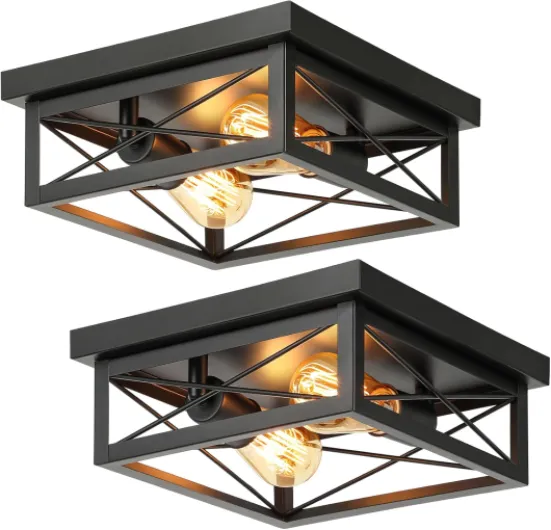
- + Modern Design - Sleek black finish with clear glass shades
- + Versatile Use - Suitable for bathroom, kitchen, living room, hallway, or porch
- + Easy Installation - Quick setup with standard E26 bulbs
- + Bright Illumination - Supports three light bulbs for ample lighting

Choosing the right smart lighting for your hallway
Smart Lighting Options for Every Hallway
When selecting smart lighting for your hallway, it’s important to match the right fixtures to your space and needs. Hallways can be narrow, long, or have low ceilings, so choosing the right lights will help you achieve both style and functionality. Here’s what to consider:
- LED Lights: LEDs are energy-efficient and offer a range of color temperatures. They’re ideal for hallways because they last longer and use less power than traditional bulbs.
- Ceiling Lights: For low ceilings, flush mount or semi-flush mount fixtures provide ample illumination without taking up much space. In longer hallways, consider installing multiple ceiling lights to avoid dark spots.
- Wall Sconces: Wall sconces or wall-mounted lights add both style and practical lighting. They’re great for narrow hallways, as they don’t intrude into the walking space.
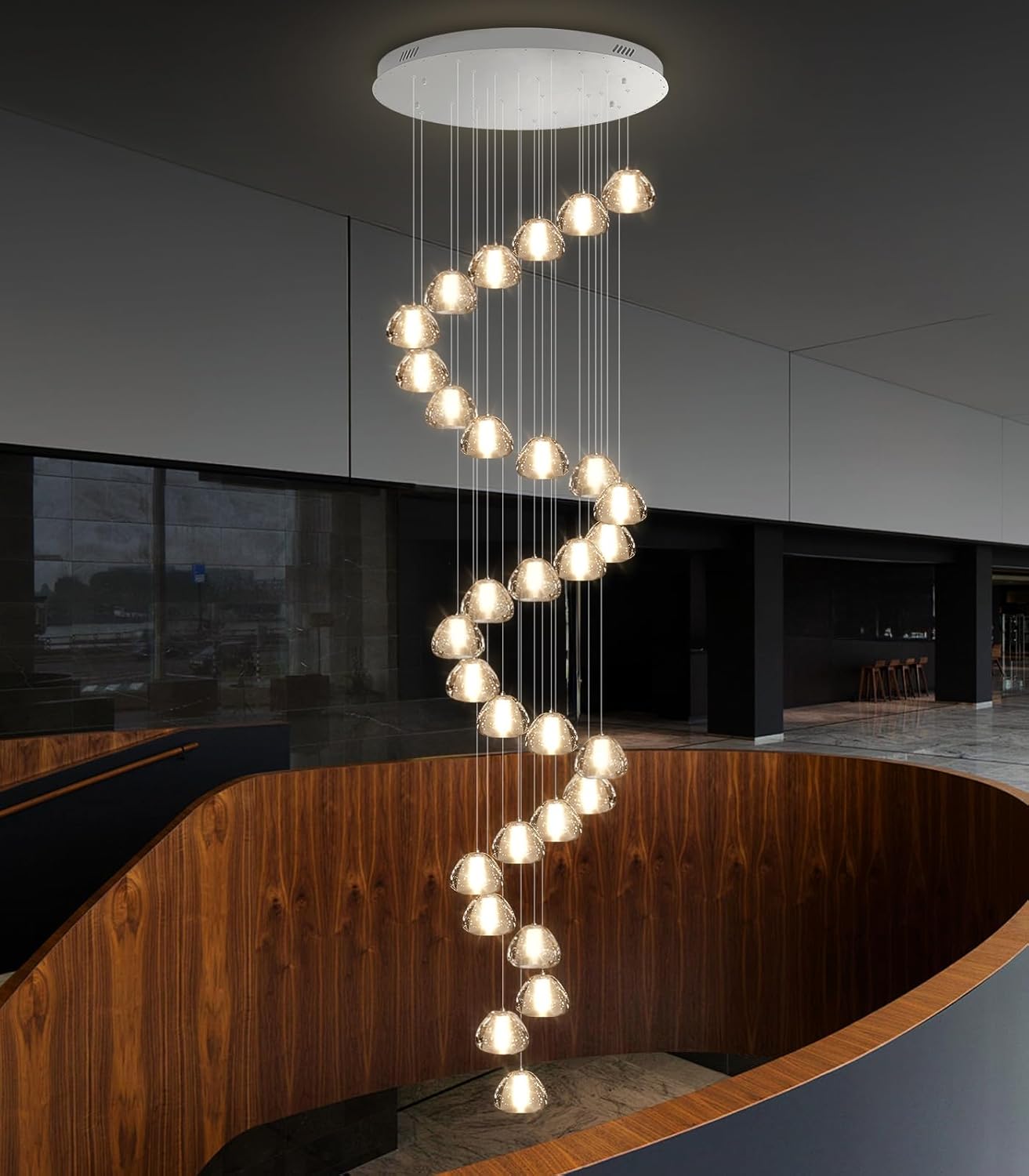
- Pendant Lights and Chandeliers: If your hallway has higher ceilings, pendant lights or small chandeliers can add a decorative touch. Choose fixtures that complement your overall design and provide enough light for the entire length of the hallway.
- Recessed Lighting: Recessed lights are a sleek option for modern hallways. They’re installed directly into the ceiling, making them perfect for spaces where you want a clean, unobtrusive look.
Key Features to Look For
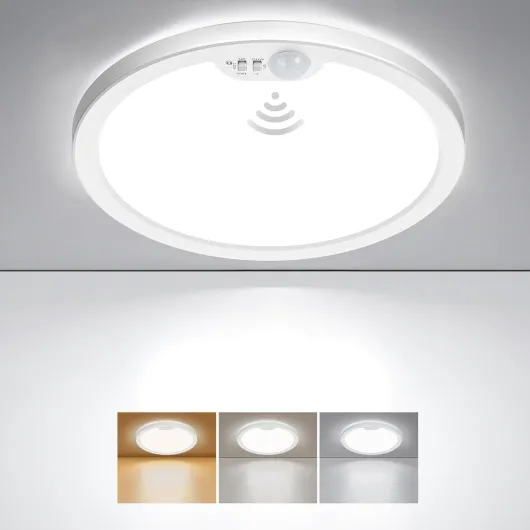
- Smart Controls: Look for lights that can be controlled via smartphone apps, voice assistants, or motion sensors. This makes it easy to adjust brightness or color temperature to suit different times of day.
- Dimmable Options: Dimmable LED light fixtures allow you to set the mood and save energy when full brightness isn’t needed.
- Compatibility: Make sure your chosen lights are compatible with your existing smart home system. Some fixtures work with popular platforms like Z-Wave, Zigbee, or Wi-Fi.
Installation Considerations
Before purchasing, measure your hallway’s dimensions and ceiling height. For a narrow hallway, opt for slim wall sconces or flush mount ceiling lights. In a long hallway, space your fixtures evenly for consistent illumination. If you’re considering hard-wired smart lighting solutions, check out this guide on how to connect puck lights directly to hard wiring for smart lighting solutions for practical installation tips.
Choosing the right smart lighting is a crucial step in transforming your hallway into a welcoming and functional space. Next, we’ll look at how to position your fixtures for the best effect.
Placement strategies for optimal illumination
Smart Placement for Maximum Impact
Getting the most out of your hallway lighting isn’t just about picking the right fixtures. Where you place your lights can make all the difference, especially in narrow or long hallways. The right strategy helps avoid dark spots and creates a welcoming atmosphere.
- Ceiling lights: For most hallways, evenly spaced ceiling lights or flush mount fixtures provide balanced illumination. In low ceilings, flush mount or recessed lighting works best to avoid a cramped feeling.
- Wall sconces: Adding wall sconces or a wall sconce at intervals along the wall can break up a long hallway and add visual interest. For narrow hallways, slim sconces or LED light strips keep the space feeling open.
- Pendant lights: Pendant lights or chandeliers can be a statement in wider hallways with higher ceilings. For a modern look, consider a row of small pendant lights instead of one large fixture.
- Layered lighting: Combine different types of fixtures—such as ceiling hallway lights with wall sconces—to add depth and flexibility. This approach lets you adjust the mood and brightness as needed.
- Accent lighting: Use LED strips or small spotlights to highlight artwork, architectural details, or even the floor. This adds dimension and guides the eye down the hallway long or short.
When planning your layout, consider the length and width of your hallway. For a long hallway, spacing lights led or fixtures about every 6 to 8 feet helps maintain consistent brightness. In a narrow hallway, wall-mounted fixtures or recessed lighting keep the area uncluttered.
Don’t forget about smart controls. With automation, you can set lights to turn on as you enter or adjust brightness throughout the day. For more inspiration on how to use lighting creatively in transitional spaces, check out this guide on enhancing your space with outdoor lighting—many of the same principles apply indoors.
Thoughtful placement of your hallway light fixtures not only improves visibility but also elevates the style and functionality of your home.
Energy efficiency and automation benefits
Smart lighting: Saving energy and simplifying your routine
Smart hallway lighting is not just about style or brightness. It can also help you cut down on energy bills and make daily life easier. With the right setup, your hallway lights can automatically adjust to your needs, reducing waste and boosting convenience.- LED technology: Most smart lights use LED bulbs, which are far more energy-efficient than traditional incandescent or halogen options. LEDs in hallway fixtures, wall sconces, or flush mount ceiling lights use less power and last much longer, so you replace bulbs less often.
- Automation features: Smart hallway lighting can be programmed to turn on only when needed. Motion sensors, for example, activate lights as you walk through a long hallway or a narrow space, then turn them off when the area is empty. This is especially useful for busy homes or hallways that see a lot of foot traffic.
- Scheduling and remote control: Many smart light fixtures let you set schedules or control them remotely through an app. If you forget to turn off a hallway light, you can do it from your phone. This helps avoid unnecessary energy use, especially in spaces like hallways where lights are often left on by accident.
- Adaptive brightness: Some smart lights adjust their brightness based on the time of day or ambient light. This means your hallway lighting is always at the right level, whether it’s early morning or late at night, and you’re not using more energy than needed.
Design tips for a stylish hallway
Blending Functionality with Style
When updating your hallway lighting, it's important to balance practical needs with visual appeal. The right light fixtures can make a narrow hallway feel more open or add a touch of elegance to a long hallway. Consider how each lighting choice will impact both the look and usability of your space.- Wall sconces: These fixtures are ideal for hallways, especially when space is limited. Wall sconces can create a welcoming glow and highlight artwork or architectural details along the wall.
- Pendant lights: For hallways with higher ceilings, pendant lights or even small chandeliers can serve as striking focal points. Choose a pendant light that complements your decor and provides enough illumination for the entire hallway.
- Flush mount and recessed lighting: In hallways with low ceilings, flush mount ceiling lights or recessed lighting are practical options. These fixtures offer ample light without making the space feel cramped.
- LED options: LED light fixtures are not only energy efficient but also available in a wide range of styles. From modern ceiling hallway lights to classic wall sconces, LEDs can help you achieve the look you want while keeping energy costs down.
Layering Light for Depth and Interest
Layering different types of lights can add depth and dimension to your hallway. Combine ceiling lights with wall sconces or use a mix of recessed lighting and pendant lights to avoid flat, uninspired illumination. This approach works well in both narrow and long hallways, allowing you to highlight specific areas or features.Choosing Finishes and Materials
The finish and material of your light fixtures can influence the overall style of your hallway. For a modern look, consider matte black or brushed nickel finishes. If your hallway features traditional decor, brass or bronze fixtures may be a better fit. Glass shades, fabric diffusers, and metal accents all contribute to the ambiance you want to create.Smart Lighting Features for Design Flexibility
Smart lighting systems allow you to adjust brightness, color temperature, and even color, giving you more control over the mood in your hallway. Dimmable LED lights or app-controlled fixtures let you switch from bright task lighting to a softer, more inviting glow for evening hours. This flexibility can enhance both the style and comfort of your hallway.Tips for Small or Challenging Spaces
If your hallway is especially narrow or has low ceilings, opt for slim-profile fixtures like flush mount LED lights or sleek wall sconces. Mirrors and light-colored walls can also help reflect light, making the space feel larger and brighter. For hallways that are long, consider spacing multiple fixtures evenly to ensure consistent illumination from end to end.Troubleshooting common smart lighting issues
Common Problems and Practical Solutions
Smart hallway lighting can transform your space, but sometimes issues arise that interrupt the seamless experience you expect. Here are some frequent challenges and how to address them:- Connectivity Drops: If your lights or fixtures lose connection, check your Wi-Fi signal strength in the hallway. Walls and long hallways can weaken signals. Consider a mesh network or Wi-Fi extender for better coverage, especially for ceiling lights or wall sconces far from your router.
- Unresponsive Controls: When your smart switches or apps fail to control the hallway lights, try resetting the device or updating the app. Ensure your smart bulbs, like LED or recessed lighting, are compatible with your chosen hub or voice assistant.
- Flickering or Dimming Issues: LED lights sometimes flicker if paired with incompatible dimmers or fixtures. Use dimmers designed for LED bulbs and check that your flush mount or pendant light fixtures support smart bulbs.
- Automation Not Working: If schedules or motion sensors don’t trigger as expected, double-check your automation settings. For long or narrow hallways, ensure sensors are positioned to detect movement effectively, especially near entrances or under low ceilings.
- Installation Challenges: Mounting wall sconces, chandeliers, or flush mount fixtures can be tricky in tight or awkward spaces. Always follow manufacturer instructions and consider professional installation for complex wiring or hard-to-reach ceiling hallway areas.
Tips for Reliable Smart Lighting in Hallways
- Regularly update your smart lighting devices and apps to benefit from the latest features and bug fixes.
- Label your hallway light fixtures in your app for easy identification, especially if you have multiple lights or zones.
- Choose quality LED bulbs and compatible fixtures, such as wall sconces or pendant lights, to minimize maintenance and maximize energy efficiency.
- For long hallways or those with low ceilings, opt for flush mount or recessed lighting to avoid obstructions and ensure even illumination.
- Keep your lighting setup simple at first, then add more features or automation as you become comfortable with the system.