
Understanding the circular light bulb in smart lighting
What Makes Circular Bulbs Unique in Smart Lighting?
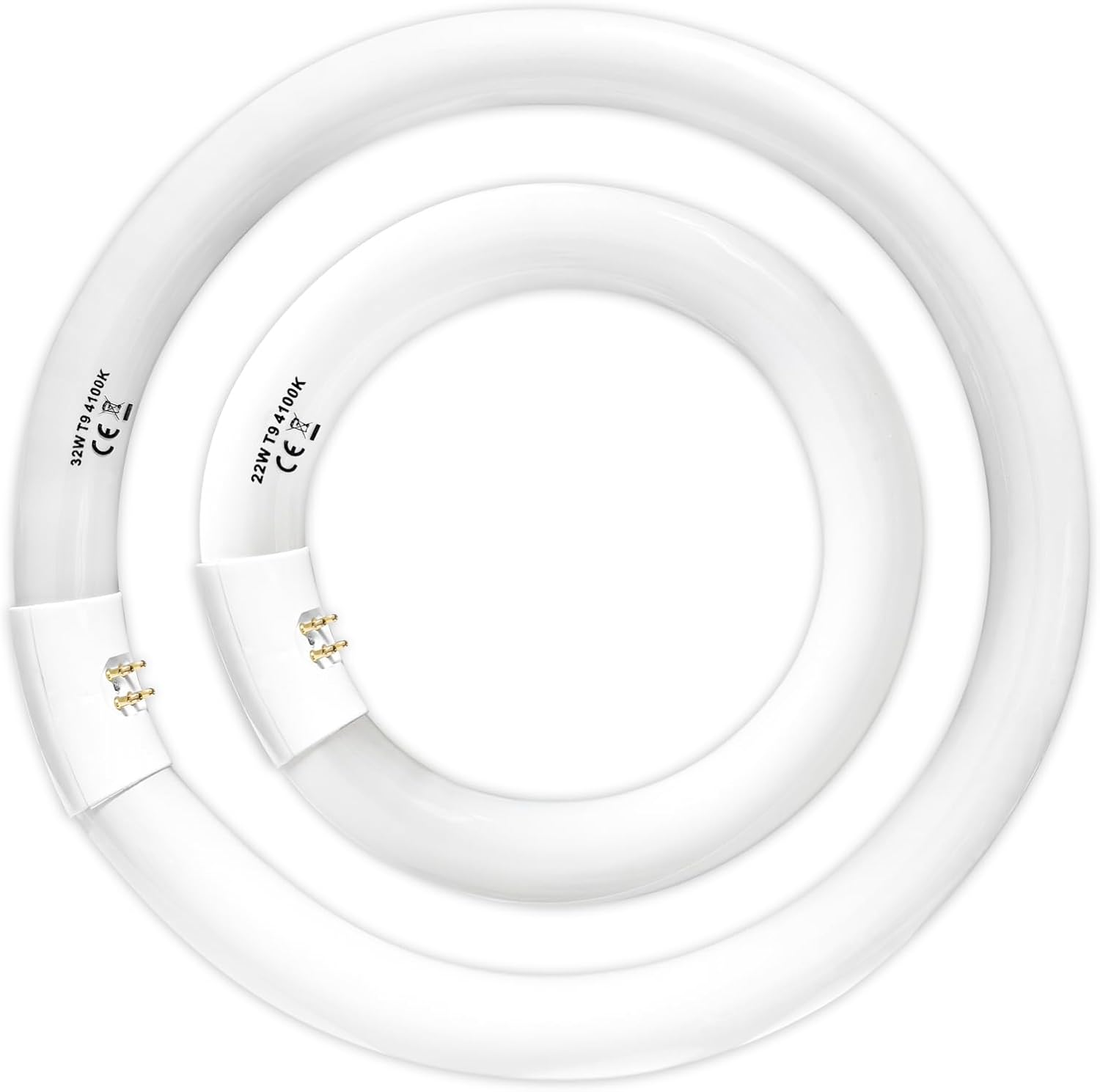
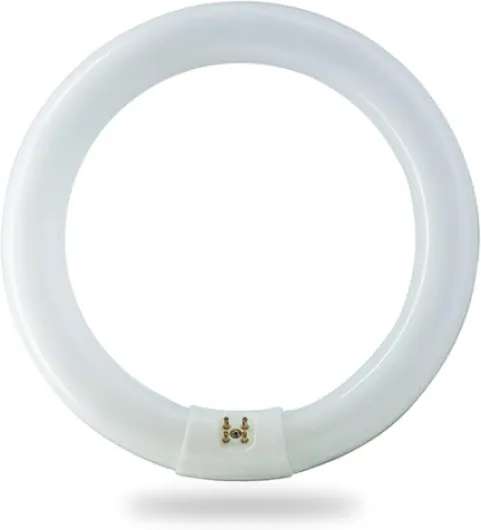
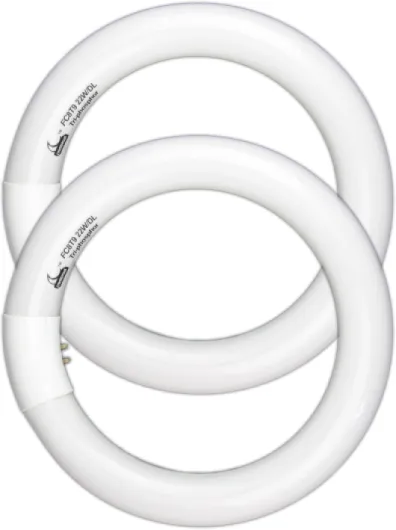
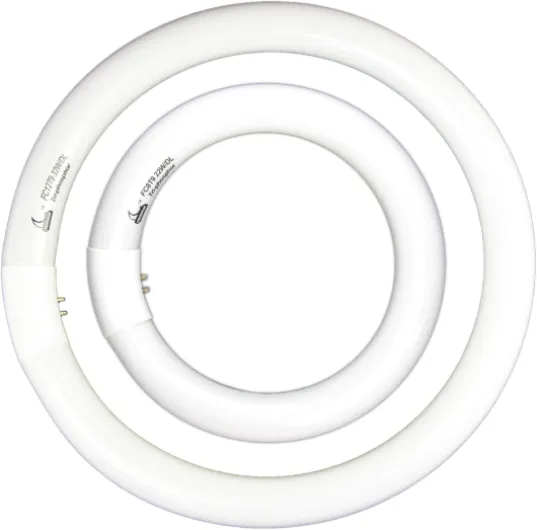
When exploring smart lighting options, the circular light bulb—often called a circline or round fluorescent—stands out for its distinctive shape and practical benefits. Unlike traditional straight or spiral bulbs, the circline lamp forms a closed loop, creating even light distribution that’s ideal for ceiling lights, especially in spaces where consistent illumination is important.
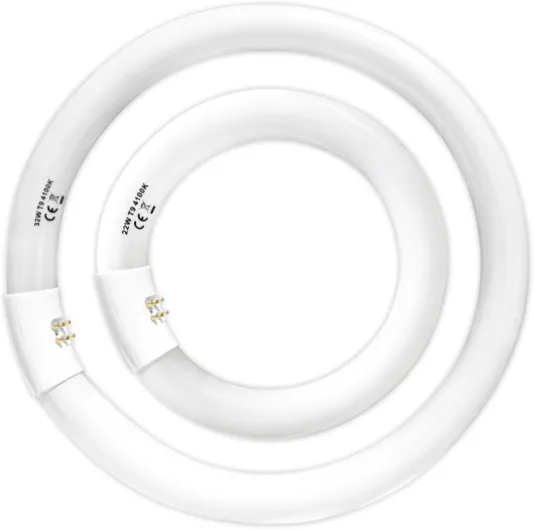
Circline bulbs come in various sizes, such as 8 inch, 12 inch, and 16 inch diameters, and are available in both fluorescent and LED versions. The base of these bulbs typically features a pin or double pin design, ensuring a secure connection in compatible fixtures. You’ll often see these bulbs labeled by wattage, like 22 watt circline or 32 watt fluorescent, which helps determine their brightness and energy use.
One of the main appeals of the circline light is its ability to provide soft, shadow-free lighting. Whether you choose cool white for task areas or warm white for a cozy atmosphere, these bulbs can adapt to different needs. Many modern circline lights are now available in LED, offering higher lumens per watt and longer lifespans compared to older fluorescent options.
For those interested in enhancing their space with color-changing features or smart controls, circular bulbs can be integrated into smart lighting systems, allowing you to adjust brightness and color temperature with ease. If you want to see how color-changing lighting can transform your environment, check out this guide on enhancing your space with color-changing lighting.
As you consider your options, remember that circline bulbs are available from trusted brands like Satco, with a range of models to fit different ceiling fixtures and price points. Whether you’re looking for a lamp cool white for your kitchen or a lamp warm white for your living room, understanding the basics of circline and round fluorescent bulbs is the first step in making an informed choice for your smart lighting setup.

Key advantages of circular light bulbs
Distinctive Benefits of Circline Bulbs in Smart Lighting
When considering smart lighting for your home or office, circular light bulbs, also known as circline bulbs, offer several unique advantages. Their round shape and even light distribution make them a standout choice for ceiling lights, especially in spaces where consistent illumination is needed. Whether you opt for a circline fluorescent or an LED circline lamp, these bulbs are designed to fit a variety of fixtures, including ceiling and wall-mounted lamps.
- Uniform Light Distribution: The circular design of circline bulbs ensures that light is spread evenly across the room. This is particularly beneficial for ceiling lights, as it reduces shadows and creates a balanced ambiance, whether you choose cool white or warm white options.
- Space-Saving Form Factor: Circline bulbs are compact and fit snugly into fixtures, making them ideal for areas with limited space. Their design also allows for double circline or round fluorescent configurations, maximizing brightness without taking up extra room.
- Versatile Color Temperatures: With options ranging from warm to cool white, circline lamps can be tailored to suit different moods and tasks. For example, a lamp cool white is perfect for workspaces, while lamp warm white creates a cozy atmosphere in living areas.
- Energy Efficiency: Circline LED bulbs are known for their low watt consumption and high lumens output, providing bright light while keeping energy costs down. Even traditional circline fluorescent bulbs are more efficient than many standard light bulbs.
- Long Lifespan: Both LED and fluorescent circline bulbs are designed for longevity. Many models, such as the Satco circline lamp, offer thousands of hours of use, reducing the need for frequent replacements and lowering maintenance costs.
- Easy Installation: Most circline bulbs use a pin base or fluorescent pin system, which simplifies installation and replacement. The bulb pin design ensures a secure fit in compatible fixtures.
When comparing watt circline and watt fluorescent options, it's important to consider the specific lighting needs of your space. For those interested in further enhancing their home lighting, exploring the benefits of C7 LED light bulbs can provide additional insights into creating the perfect ambiance.
Whether you are looking for a circline light for your ceiling, a round fluorescent for your office, or a base fluorescent bulb for your kitchen, the versatility and efficiency of these bulbs make them a smart choice for modern lighting needs.
Compatibility with smart lighting systems
How circular bulbs fit into smart lighting systems
One of the main concerns when upgrading to smart lighting is ensuring your chosen bulb type works seamlessly with your existing setup. Circular light bulbs, often called circline bulbs, are designed with compatibility in mind. Whether you’re using a traditional ceiling fixture or a modern smart lamp, these bulbs come in various sizes—like 8 inch, 12 inch, or even double circline—to fit most lighting needs.
Most circline bulbs are available in both fluorescent and LED options. LED circline bulbs, in particular, are favored for their smart lighting compatibility. They often feature standard pin bases or specific base fluorescent designs, making installation straightforward. Many smart lighting systems support these bulbs, allowing you to control brightness, color temperature (from cool white to warm white), and even scheduling through your smartphone or voice assistant.
- Pin base options: Circline bulbs typically use a 2-pin or 4-pin base, so check your fixture’s requirements before purchasing.
- Smart controls: Look for bulbs labeled as smart-compatible or that work with popular smart home hubs. Some circline LED bulbs can be integrated directly, while others may require a compatible smart ballast.
- Variety of lighting effects: You can choose between lamp cool, lamp warm, or even adjustable white options, depending on your preference for ambiance.
For those considering ceiling lights or round fluorescent fixtures, circline bulbs offer a modern, energy-efficient alternative. Brands like Satco provide a range of watt circline and watt fluorescent options, ensuring you can find the right lumens and price point for your space. If you’re interested in how smart ceiling lighting can transform your environment, explore this guide on canopy lighting for smart spaces.
When selecting a circline light for your smart system, always check the msrp, bulb pin configuration, and whether the bulb supports the features you need. This ensures a smooth integration and optimal performance in your smart lighting setup.
Energy efficiency and environmental impact
How circline bulbs help save energy
One of the main reasons people switch to circline bulbs for their smart lighting is energy efficiency. Whether you choose a circline LED or a circline fluorescent bulb, these round lamps are designed to use less wattage compared to traditional incandescent bulbs. For example, a 22 watt circline fluorescent light can produce the same amount of lumens as a much higher watt incandescent bulb, making it a smart choice for ceiling lights and other fixtures where energy savings matter.
Comparing LED and fluorescent circline options
LED circline bulbs are especially popular for their low energy consumption and long lifespan. They use advanced technology to deliver bright, even light while using a fraction of the power. On the other hand, circline fluorescent bulbs are still widely used, offering good efficiency and a range of color temperatures, from cool white to warm white. Both types are available in various inch sizes and pin base configurations, making them suitable for different lamp and ceiling applications.
Environmental benefits of choosing circline lighting
- Lower carbon footprint: Using less electricity means less demand on power plants, which helps reduce greenhouse gas emissions.
- Longer lifespan: Circline LED bulbs can last many years, reducing the number of bulbs that end up in landfills.
- Mercury content: While fluorescent circline bulbs do contain a small amount of mercury, proper recycling programs help manage this risk. LED circline lights, however, are mercury-free.
What to look for in energy-efficient circline bulbs
When choosing a circline lamp for your smart lighting system, check the lumens rating to ensure you get the brightness you need. Look for ENERGY STAR certified bulbs, which meet strict efficiency standards. Also, consider the color temperature—cool white for task lighting, warm white for a cozy atmosphere. Brands like Satco offer a range of circline bulbs with different watt, base, and price options, so you can find the right fit for your ceiling or lamp fixture.
Choosing the right circular light bulb for your space
Factors to Consider When Selecting a Circline Bulb
When choosing the right circular light bulb for your smart lighting setup, several factors can make a significant difference in both performance and satisfaction. Circline bulbs, available in various sizes and technologies, are designed to fit specific fixtures like ceiling lights and lamps. Here’s what to keep in mind:
- Size and Fit: Circline bulbs come in different diameters, commonly measured in inches. Double-check the size required for your fixture—whether it’s a 12-inch or 16-inch circline lamp, for example. The bulb pin base and pin configuration (such as 4-pin or 2-pin) must match your lamp or ceiling light for proper installation.
- Technology: Decide between LED and fluorescent options. LED circline bulbs offer longer life, higher energy efficiency, and lower heat output compared to traditional fluorescent bulbs. However, some fixtures are designed specifically for fluorescent pin bases, so compatibility is key.
- Light Output and Color Temperature: Consider the lumens rating for brightness. For general lighting, a higher lumen count is usually better. Color temperature is also important—warm white (around 3000K) creates a cozy atmosphere, while cool white (4000K and above) is ideal for task lighting or workspaces. Some circline lights offer adjustable color temperatures for added flexibility.
- Wattage and Energy Use: Check the wattage to ensure it matches your fixture’s requirements. LED circline bulbs typically consume less wattage than fluorescent bulbs for the same light output, making them more energy efficient and cost-effective over time.
- Brand and Price: Well-known brands like Satco often provide reliable performance and clear warranty terms. Compare the MSRP and price of different bulbs, but also consider longevity and energy savings. Sometimes, a higher upfront price for an LED circline light pays off in reduced replacement and electricity costs.
Matching Circline Bulbs to Your Space
The right circline bulb depends on where and how you plan to use it. For ceiling lights in kitchens or offices, a cool white or daylight circline fluorescent or LED lamp can enhance visibility. In living rooms or bedrooms, a warm white circline light bulb creates a more relaxing environment. Double circline fixtures may require two bulbs of the same wattage and color temperature for balanced lighting.
Always verify the base fluorescent or fluorescent pin type before purchasing. If you’re replacing a round fluorescent bulb, check the label for wattage and base details. For smart lighting systems, ensure your chosen circline lamp is compatible with your controls or dimmers, as not all bulbs support smart features.
| Feature | LED Circline | Fluorescent Circline |
|---|---|---|
| Energy Efficiency | High | Moderate |
| Color Options | Warm, Cool, Adjustable | Warm, Cool |
| Lifespan | Long | Shorter |
| Compatibility | Check smart system support | Check pin base and fixture |
| Price | Higher upfront, lower long-term | Lower upfront, higher long-term |
By considering these factors, you can select the best circline bulb—whether LED or fluorescent—for your ceiling lights, lamps, or other fixtures, ensuring both comfort and efficiency in your smart lighting environment.
Troubleshooting common issues with circular light bulbs
Common Problems and How to Fix Them
When using a circline bulb or circline lamp in your smart lighting setup, you might encounter a few typical issues. Here’s a practical guide to help you troubleshoot and keep your ceiling lights or lamps working efficiently.- Bulb Not Turning On
- Double-check the pin base connection. Circline bulbs, especially those with a fluorescent pin or double circline design, need to be securely seated in the base fluorescent socket.
- If you’re using a smart system, ensure the bulb is compatible with your lighting controls and that the system is powered on.
- For LED circline lights, verify that the wattage matches your fixture’s requirements. A mismatch can prevent the bulb from lighting up.
- Double-check the pin base connection. Circline bulbs, especially those with a fluorescent pin or double circline design, need to be securely seated in the base fluorescent socket.
- Flickering or Dimming
- Flickering is common with older fluorescent bulb models or when the ballast is failing. Consider replacing the ballast or upgrading to a circline LED bulb for more stable performance.
- If you notice dimming in your lamp cool white or lamp warm white settings, check for loose connections or try a different watt circline bulb.
- Smart lighting systems may also cause flickering if the bulb is not fully compatible. Review your system’s compatibility with circline fluorescent or round fluorescent bulbs.
- Flickering is common with older fluorescent bulb models or when the ballast is failing. Consider replacing the ballast or upgrading to a circline LED bulb for more stable performance.
- Color Temperature Issues
- If your circline lamp is not producing the expected cool white or warm white light, confirm you have the correct bulb type installed. Some fixtures require specific lumens or color temperatures.
- For smart bulbs, use the app or control system to adjust the color temperature settings. Not all circline lights support full color tuning.
- If your circline lamp is not producing the expected cool white or warm white light, confirm you have the correct bulb type installed. Some fixtures require specific lumens or color temperatures.
- Short Lifespan
- Frequent on-off cycles can reduce the lifespan of fluorescent light bulbs. Consider switching to LED circline bulbs, which handle cycling better and offer higher energy efficiency.
- Check the msrp and price of replacement bulbs to ensure you’re getting a quality product from a reputable brand, such as Satco.
- Frequent on-off cycles can reduce the lifespan of fluorescent light bulbs. Consider switching to LED circline bulbs, which handle cycling better and offer higher energy efficiency.
- Buzzing Sounds
- Buzzing is often caused by an aging ballast in ceiling lights or fixtures. Replacing the ballast or switching to a modern LED circline bulb can resolve this issue.
Tips for Reliable Performance
- Always match the watt fluorescent or watt circline rating to your fixture’s specifications.
- Use bulbs with the correct bulb pin or pin base for your lamp or ceiling light.
- For best results, choose bulbs with adequate lumens for your space, whether you prefer lamp warm or lamp cool white lighting.
- Regularly clean your light bulbs and fixtures to maintain brightness and efficiency.