


Understanding z wave camera technology
What Makes Z Wave Cameras Unique?
Z Wave cameras stand out in the smart security market due to their wireless communication protocol, which is designed for smart home devices. Unlike Wi-Fi cameras, Z Wave cameras use a mesh network that allows devices to communicate with each other, extending the overall range and reliability of your smart lighting and security system. This mesh network is especially useful for larger homes or spaces where long range connectivity is important.
How Z Wave Cameras Work with Smart Lighting
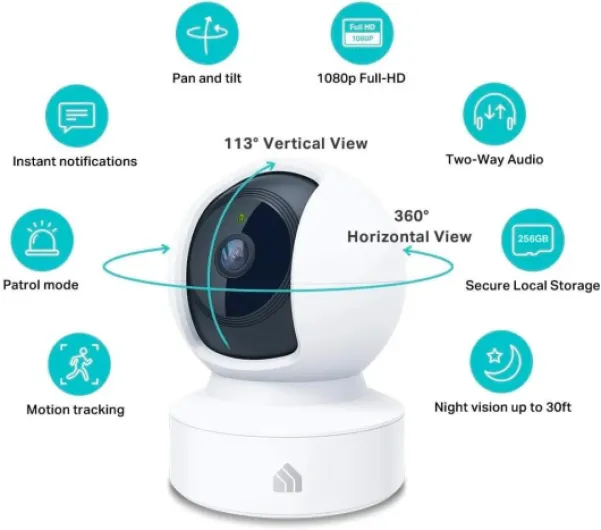
These cameras are not just about video monitoring. They often include built-in sensors, such as motion detection and night vision, making them ideal for both indoor and outdoor smart security setups. When a sensor detects movement, it can trigger your smart lights to turn on, providing both a deterrent and a clear video feed. This synergy between cameras and lighting is a key reason why many consider Z Wave technology the best choice for integrated smart security solutions.
Key Features to Look For
- Battery powered or wired: Some Z Wave cameras offer battery powered options, giving you flexibility in placement, while others require a wired connection for continuous power.
- Night vision: Essential for 24/7 security, night vision ensures your camera video remains clear even in low-light conditions.
- Indoor and outdoor compatibility: Look for models rated for both indoor and outdoor use, especially if you want to monitor entryways or yards.
- Motion sensors: Advanced sensors motion capabilities help reduce false alarms and can be fine-tuned for your environment.
- Brand and ecosystem support: Popular brands like Ring, Samsung SmartThings, and others offer Z Wave compatible cameras that work seamlessly with a wide range of smart lights and other devices.
Expanding Your Smart Home Network
Integrating Z Wave cameras with your smart lighting system is just one step toward a fully automated home. These cameras can connect with other Z Wave sensors, such as range sensors or the sensor ZSE series, to create a robust network that enhances both security and convenience. For more on how motion sensors can elevate your automation setup, check out this guide on enhancing home automation with ceiling motion sensors.
As you explore the world of Z Wave cameras, consider factors like free shipping offers, warranty, and customer support from your chosen brand. Whether you’re looking for a wireless outdoor cam, a smartthings indoor camera, or a long range solution, understanding the basics of Z Wave technology will help you make informed decisions as you build your smart security system.

Benefits of integrating z wave cameras with smart lights
Enhanced Security and Peace of Mind
Integrating a z wave camera with your smart lighting system brings a new level of security to your home or business. These cameras, often equipped with night vision and motion detection, work seamlessly with smart lights to deter unwanted activity. When a range sensor or motion sensor zse detects movement, your lights can turn on automatically, making it clear that the area is monitored. This is especially useful for indoor and outdoor spaces, as battery powered and wireless outdoor cameras can be placed almost anywhere within your wave network.Smart Automation for Convenience
A z wave camera can trigger your smart lights based on real-time events. For example, if your indoor security camera senses motion at night, your smart lights can illuminate the area, capturing clearer video and alerting you instantly. This automation is possible with many brands, including samsung smartthings and ring gen devices, offering flexibility whether you prefer indoor or outdoor setups. With long range sensors and wave long connectivity, you can cover larger properties without worrying about signal drop-off.Energy Efficiency and Cost Savings
Smart security systems that combine cameras and lights help you save energy by only activating lights when needed. This targeted approach, supported by sensors motion and dusk to dawn light sensor technology, reduces unnecessary power consumption. Many powered security cameras and smartthings indoor lights offer battery options, so you can choose the best setup for your needs. Some brands even provide free shipping or special offers, making it easier to upgrade your system.Improved Monitoring and Video Quality
When your smart lights and cameras work together, you get better camera video quality, especially in low-light conditions. White LED lights can enhance the clarity of your security camera footage, making it easier to identify details. Whether you use indoor outdoor cams or wireless outdoor security cameras, the synergy between lighting and video monitoring ensures you never miss important events. For more insights into how dusk to dawn sensors can further optimize your smart lighting and security setup, check out this guide on the benefits of a dusk to dawn light sensor.Compatibility considerations for smart lighting systems
Key Factors When Matching Z Wave Cameras and Smart Lights
When planning to connect a z wave camera with your smart lighting system, compatibility is crucial. Not all cameras, sensors, or smart lights work seamlessly together, especially across different brands or wireless protocols. Here are some important points to consider:- Protocol Support: Ensure your smart lights and camera both support the z wave protocol. Some smart security cameras use Wi-Fi or Zigbee instead, which may not communicate directly with z wave devices. Double-check your product specs for z wave compatibility.
- Hub and Network Integration: Many smart home setups require a central hub, like Samsung SmartThings, to connect cameras, sensors, and lights. The hub acts as a bridge, allowing devices from different brands to work together. Confirm your hub supports both your z wave camera and smart lights.
- Range and Signal Strength: Z wave devices have a limited range, typically up to 100 meters in open space, but walls and obstacles can reduce this. For larger homes or outdoor setups, consider using range extenders or choosing long range z wave products to maintain a reliable network.
- Power Source: Battery powered cameras and sensors offer flexible placement but may need more frequent maintenance. Powered security cameras and lights provide consistent performance but require nearby outlets.
- Feature Compatibility: Some advanced features, like motion detection or night vision, may only work with certain smart lights or sensors. For example, a camera with a range sensor or night vision might trigger indoor or outdoor lights differently than a basic model.
- Brand Ecosystem: Sticking to one brand can simplify setup and support, but mixing brands is possible if your hub supports them. Popular options include Ring, SmartThings indoor and outdoor devices, and other smart security brands.
| Device Type | Key Feature | Compatibility Tip |
|---|---|---|
| Indoor Security Camera | Night vision, motion detection | Check if your smart lights can respond to camera video or sensor triggers |
| Wireless Outdoor Cam | Battery powered, long range | Ensure outdoor lights are within z wave network range |
| Range Sensor ZSE | Motion, occupancy detection | Pair with compatible smart lights for automation |
Setting up your z wave camera with smart lights
Step-by-Step Guide to Connecting Your Z Wave Camera and Smart Lights
Setting up your Z Wave camera with smart lighting can seem complex, but following a clear process helps ensure a smooth integration. The goal is to create a secure, responsive system where your cameras and lights work together, enhancing both convenience and security.- Check Compatibility: Before starting, confirm that your smart lights and Z Wave camera are compatible with your chosen hub or controller. Popular brands like Samsung SmartThings often support a wide range of devices, including indoor and outdoor security cameras, motion sensors, and wave long range sensors.
- Power Up Devices: Install batteries or connect your battery powered security camera and smart lights to power. For wireless outdoor or indoor security cameras, ensure the battery is fully charged or the device is plugged in.
- Connect to Network: Add your camera and smart lights to your Z Wave network. This usually involves putting your hub into pairing mode and following the manufacturer's instructions for each device. Many brands offer free shipping and setup guides online to help with this step.
- Configure Motion Detection: Enable sensors motion or range sensor features on your camera. This allows your system to trigger smart lights based on detected movement, increasing security and energy efficiency.
- Set Automation Rules: Use your hub’s app or interface to create automation routines. For example, you can set your indoor or outdoor lights to turn on when your camera detects motion at night, leveraging night vision and smart security features.
- Test the System: Walk through your monitored area to ensure the camera video feed, motion detection, and smart lights respond as expected. Adjust sensitivity settings on your sensor zse or range sensor if needed for best performance.
Tips for Reliable Performance
- Place your camera and sensors within the recommended wave long range of your hub to maintain a strong, stable connection.
- Choose white or neutral colored indoor security cameras for discreet placement in living spaces.
- Consider powered security options for areas with frequent activity to avoid battery drain.
- For outdoor setups, select wireless outdoor cameras with weather-resistant features and night vision for round-the-clock monitoring.
- Brands like Ring Gen and SmartThings Indoor offer a variety of compatible devices for different needs and budgets.
Automation ideas using z wave cameras and smart lights
Creative Ways to Automate Lighting with Z Wave Cameras
Integrating Z Wave cameras with your smart lighting system opens up a world of automation possibilities. By leveraging the camera’s motion detection and sensor capabilities, you can create a more responsive and secure environment both indoors and outdoors. Here are some practical automation ideas that make the most of your wave network:- Motion-Triggered Lighting: Use your camera’s motion detection or range sensor to automatically turn on lights when movement is detected. This is especially useful for entryways, hallways, or outdoor areas where security is a priority. Many brands offer battery powered or wireless outdoor cameras with long range sensors for this purpose.
- Night Vision Activation: Pair your indoor security camera’s night vision feature with smart lights. When the camera switches to night mode, your system can automatically dim or brighten lights to enhance video clarity and security.
- Smart Security Scenes: Create scenes that combine lighting and camera video. For example, when your powered security cam detects motion at night, all nearby lights can turn white at full brightness, and a notification can be sent to your phone. This is a popular feature in smartthings indoor and ring gen setups.
- Energy Saving Schedules: Use sensors motion data from your cameras to turn off lights in unoccupied rooms, helping to save energy and extend battery life for battery powered devices.
- Free Shipping Alerts: Some smart security platforms offer free shipping on compatible sensors or cameras. Take advantage of these offers to expand your system with additional range sensors or indoor outdoor cams.
Tips for Reliable Automation
- Ensure your wave long range network is stable for consistent communication between cameras and lights.
- Choose the best brand for your needs, considering compatibility with samsung smartthings or other hubs.
- Test your automation routines with both indoor and outdoor security cameras to verify performance in different lighting conditions.
- Regularly check battery levels on wireless outdoor cameras and sensors to maintain uninterrupted operation.
Troubleshooting common issues
Common Problems and Practical Fixes
When integrating a Z-Wave camera with your smart lighting system, a few issues can crop up. Here are some of the most common challenges and how to address them, ensuring your security and lighting setup works smoothly.
- Connectivity Drops: If your camera or smart lights lose connection, check the Z-Wave network range. Walls and large objects can block signals, especially for indoor or indoor outdoor setups. Try relocating your hub or using a Z-Wave range sensor or extender to improve coverage. Long range models or powered security cameras often maintain a more stable connection.
- Motion Detection Delays: Sometimes, the sensor or camera video feed may not trigger your lights instantly. Ensure your sensors motion settings are calibrated, and check if the camera’s firmware is up to date. Battery powered cameras may have slight delays compared to wired models.
- Compatibility Issues: Not all brands work seamlessly together. Double-check that your Z-Wave camera, smart lights, and hub (like Samsung SmartThings) are compatible. Some brands, such as Ring Gen or SmartThings indoor cams, offer better integration with Z-Wave sensors.
- Night Vision or Low Light Problems: If your security camera struggles with night vision, ensure the camera lens is clean and unobstructed. White LED smart lights can help improve visibility for indoor security cameras. Adjusting the placement of your lights and camera can also enhance night performance.
- Battery Life Concerns: For battery powered or wireless outdoor cameras, frequent battery changes can be frustrating. Use high-quality batteries and check for unnecessary triggers that drain power, such as overly sensitive motion detection settings.
- Sensor ZSE or Range Sensor Malfunctions: If your Z-Wave sensor isn’t detecting motion or light changes, try resetting the device or re-pairing it with your network. Make sure the sensor is within the recommended range of your hub and not blocked by obstacles.
Tips for Reliable Operation
- Keep your Z-Wave network updated and free from interference by limiting the number of devices on the same frequency.
- Choose the best location for your cameras and sensors for optimal coverage and minimal signal loss.
- Regularly check for firmware updates from your camera and smart light brand to ensure compatibility and security.
- Take advantage of free shipping offers when purchasing additional sensors or cameras to expand your system.
By addressing these common issues, you can enjoy a seamless smart security experience, whether you’re using indoor, outdoor, or wireless outdoor cameras. A well-maintained Z-Wave network ensures your smart lights and security cameras work together for the best results.