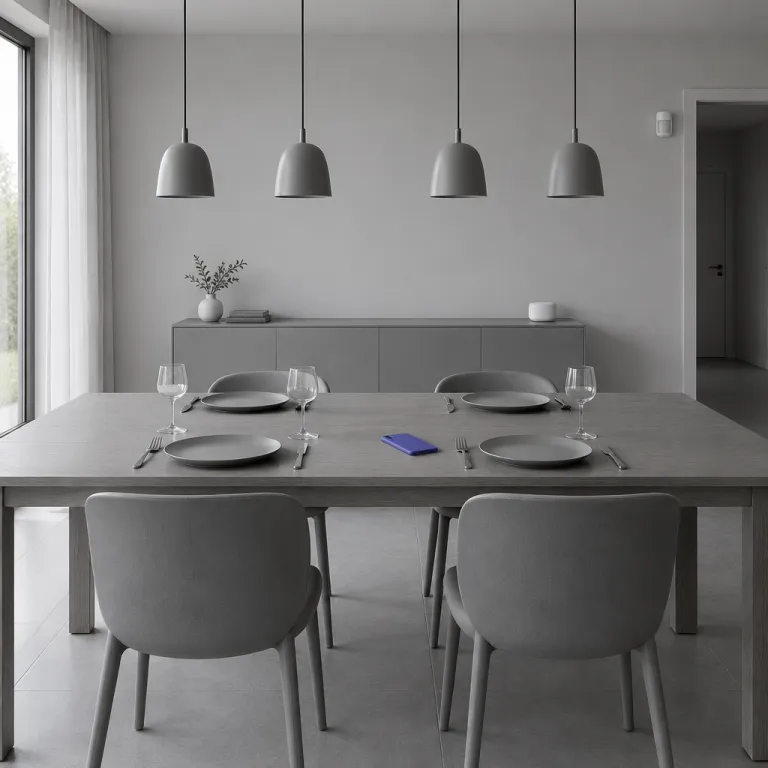
Why smart lighting matters for dinner party entertaining
Great hosting starts with light that feels intentional yet invisible. When you plan smart lighting for dinner party entertaining, you are shaping how guests move, talk, and relax without a single spoken instruction. The right mix of smart lights, led bulbs, and subtle controls turns an ordinary room into a sequence of living scenes.
Think of your living room, dining room, and kitchen as one continuous stage. Each space needs its own lighting ideas, but all the lights should cooperate so the evening flows naturally from arrival to late night. Smart lighting lets you choreograph those transitions, using color temperature, brightness, and placement of led lights instead of constantly fiddling with switches.
The goal is simple and ambitious at once. You want four clear scenes that guide the party, while guests barely notice that the light is changing around them. That means choosing reliable smart lights, planning where every party light goes, and deciding in advance how you will trigger each shift without pulling out your phone mid toast.
For most first time buyers, I recommend starting with Philips Hue White and Color Ambiance bulbs or Nanoleaf Essentials A19 led bulbs. Both offer precise control of warm white and rich colors, and they dim smoothly enough for a relaxed indoor party without flicker. Paired with a few led strips under cabinets or along a sideboard, you can turn a plain living room into a flexible entertaining space that feels tailored to every dinner party.
Scene 1 – arrival: bright, welcoming, and easy to navigate
The arrival scene sets the tone before anyone tastes the food. Aim for 3000 K at roughly 80 percent brightness on all main fixtures, so the lighting feels bright, clean, and confident without veering into harsh white glare. In practical terms, that means overhead smart lights on, wall sconces active, and any led strips or string lights used as subtle guides rather than the main show.
In the living room and hallway, keep the color temperature consistent so guests’ eyes adjust quickly. A mix of warm white in table lamps and slightly cooler white in ceiling fixtures works, as long as the overall color balance stays neutral and the room feels coherent. If you use fairy lights or string lights around a mirror or coat area, keep them on a steady setting, not flashing like party lights at a club.
For the dinner table, resist the urge to go too warm too early. At arrival, the dining room should be clearly visible, with bright but not blinding light that makes seating and place settings easy to read. If you have led strips under shelves or along a buffet, set them to a soft white color that matches the rest of the indoor lighting, so the dinner party feels unified from the first step inside.
This is also the best moment to lean on smart lighting automations in your ecosystem. In the Google Home app, for example, you can build a simple “Guests arriving” routine that sets every relevant room to the arrival scene with one tap or a silent trigger. For more advanced control of Google Home lighting automations you might be ignoring, detailed walkthroughs of buried routines in the app can help you squeeze more from your existing smart lights without adding new hardware.
Scene 2 – dinner: warm, intimate focus on the table
Once everyone is seated, the light should quietly shift toward intimacy. Drop to around 2700 K at roughly 50 percent brightness, and let the dinner table become the brightest island in the room while the edges soften. This is where smart lighting dinner party entertaining really earns its keep, because you can dim and warm the light without standing up or fumbling with a phone.
In the dining room, keep overhead fixtures on but lower, and add accent light from pendants, wall washers, or led strips under a sideboard. If you own color capable smart lights, set surrounding lamps to a very subtle amber color, avoiding saturated colors that make food look strange. The goal is a warm halo around plates and faces, with the rest of the room receding into a comfortable indoor glow.
Fairy lights and string lights can work beautifully here when used with restraint. A short run of warm white string lights along a shelf or in a glass vase adds texture without turning the space into a christmas market. For an indoor outdoor dinner party that spills onto a patio, mirror the same warm white party lighting outside, using outdoor rated led party bulbs or strip lights under railings so the transition between rooms feels seamless.
Triggering this scene should feel almost magical. A Hue Tap Dial switch hidden on a sideboard, a small smart button in your pocket, or an NFC tag under the dinner table edge can all shift the lights from arrival to dinner with a single discreet touch. For more ideas on automating your lights without pulling out your phone, including wall triggers and sensors that guests never notice, there are dedicated guides that focus on routines people actually keep using after the novelty wears off.
Scene 3 – after dinner: relaxed lounge and conversation zones
When plates are cleared, the light should signal that the formal part is over. Shift to around 2200 K at roughly 30 percent brightness, turn off most overhead fixtures, and let table lamps, led strips, and a few carefully placed party lights carry the mood. The room should feel like a relaxed lounge, with pools of warm light where people gather and darker gaps that invite quiet conversation.
In the living room, lean on smart lights in floor and table lamps rather than ceiling cans. Set them to a very warm white color, almost candlelike, and keep brightness low enough that screens and reflective surfaces do not glare. If you use fairy lights or string lights around a bookshelf or window, this is their moment to shine softly, especially in living rooms that double as the main indoor party space.
Accent led strips can define zones without shouting. A strip of led lights behind a sofa, under a media console, or along a floating shelf creates a gentle halo that feels more like architectural lighting than party lighting. For indoor outdoor entertaining, keep outdoor lights at similar warmth and brightness, using string lights or outdoor rated led strips to make the patio feel like an extension of the living room rather than a separate, brighter space.
At this stage, avoid voice assistants entirely. Alexa and Google voice triggers announce themselves and break the illusion that the light is simply following the evening, so rely on physical triggers or pre planned schedules with manual override. If your smart lighting sometimes drops offline between scenes, especially after router reboots, it is worth reading a technical guide on why smart bulbs disconnect from Wi Fi and which router settings keep every light stable throughout a long party.
Scene 4 – late night: gentle wind down and subtle exit cues
The final scene should feel like a soft landing, not a hard stop. Aim for around 2000 K at roughly 15 percent brightness, using only accent lights, led strips, and perhaps a single lamp near the exit. Guests should sense that the evening is winding down because the lighting has become low, warm, and calm, not because you announced it.
In the dining room, turn off overhead fixtures entirely and leave just one or two smart lights on near the dinner table, set to a deep amber color. In the living room, keep only a couple of table lamps or fairy lights glowing, ideally on the side of the room closest to the door so the flow toward leaving feels natural. If you have indoor outdoor spaces, dim outdoor string lights and party lights to match, so no area feels brighter than the main room.
This is where led party gear can easily go wrong. Avoid flashing modes, cycling colors, or overly bright party light effects that fight against the wind down mood and make it harder for guests to read the room. Instead, use static warm white or a single muted color on strip lights and led lights, keeping the overall lighting ideas consistent with a late night lounge rather than a lights party.
For triggers, scheduled automations work well as long as you build in a simple override. A smart button on a shelf can pause or delay the shift if conversation is still lively, while an NFC tag near the door can start the late night scene as you quietly tidy the dinner table. Over time, you will refine these smart lighting dinner party entertaining scenes so they match your own living rooms, your favorite colors, and the way your friends actually use your space.
Choosing the right hardware and avoiding common smart lighting pitfalls
All of these scenes depend on hardware that behaves predictably. For bulbs, I have had the most consistent results with Philips Hue White and Color Ambiance, Nanoleaf Essentials, and LIFX Color A19, which all offer smooth dimming, accurate warm white, and reliable integration with major smart platforms. Cheaper led bulbs can work for simple party lighting, but they often flicker at low brightness and shift color temperature unpredictably, which ruins carefully tuned dinner party scenes.
For led strips and strip lights, look for models that support warm white as well as RGB color, not just saturated colors. A strip that can move from 3000 K to 2000 K lets you match the four scene plan, while basic rgb strips force you into cartoonish hues that make food and skin tones look odd. In indoor outdoor setups, always choose outdoor rated led strips and string lights, so rain or humidity does not knock out half your party lights mid evening.
Smart buttons, dials, and wall controllers are the unsung heroes of smart lighting dinner party entertaining. A Hue Tap Dial, Aqara Wireless Mini Switch, or Lutron Aurora dimmer can each cycle through arrival, dinner, after dinner, and late night scenes with silent, tactile clicks. Place one discreetly in each room, so you never need to pull out a phone or shout at a voice assistant while guests are talking.
Network stability matters as much as bulb quality. If your smart lights regularly vanish from your app after a router reboot, you may need to adjust DHCP reservation or 2.4 GHz band settings to keep every light online. Once the technical foundation is solid, your lighting ideas become repeatable rituals rather than one night experiments, and every future dinner party benefits from the work you put into these four invisible scenes.
FAQ
How many smart lights do I need for a typical dinner party space ?
In an average open plan living room and dining room, plan on at least four to six smart bulbs plus one or two led strips. That usually means two or three smart lights in ceiling fixtures, two in table or floor lamps, and one strip under a sideboard or shelf. Larger living rooms or indoor outdoor layouts may need extra party lights or string lights to avoid dark gaps between zones.
Can I host a dinner party with only white smart bulbs, not color ones ?
Yes, you can create all four scenes using only tunable white smart lighting. Focus on bulbs that shift smoothly between 3000 K and 2000 K, so you can move from bright arrival to warm late night without visible jumps. Color capable led lights add flexibility for future indoor party themes, but they are not essential for elegant dinner table lighting.
What is the best way to control scenes without using my phone during the party ?
The most reliable options are physical triggers such as smart buttons, dials, or NFC tags. You can program a single button to cycle through arrival, dinner, after dinner, and late night scenes in order, with each press changing the room subtly. Wall mounted controllers near the dining room entrance also work well, because you can adjust party lighting while moving between spaces without drawing attention.
How do I balance indoor and outdoor lighting when guests move between spaces ?
Keep indoor and outdoor color temperatures similar for each scene, so guests’ eyes do not constantly readjust. For example, if the living room is at 2700 K during dinner, set outdoor string lights and led party bulbs to the same warm white. Match brightness too, because a very bright patio next to a dim dining room can pull people away from the dinner party before you are ready.
Are fairy lights and christmas style string lights appropriate for adult dinner parties ?
Fairy lights and christmas style string lights can feel sophisticated when used sparingly and kept on steady, warm white settings. Limit them to one or two focused areas, such as a shelf, window frame, or outdoor railing, so they read as texture rather than the main party light source. Combined with smart lights and led strips, they add depth to your lighting ideas without overwhelming the room.