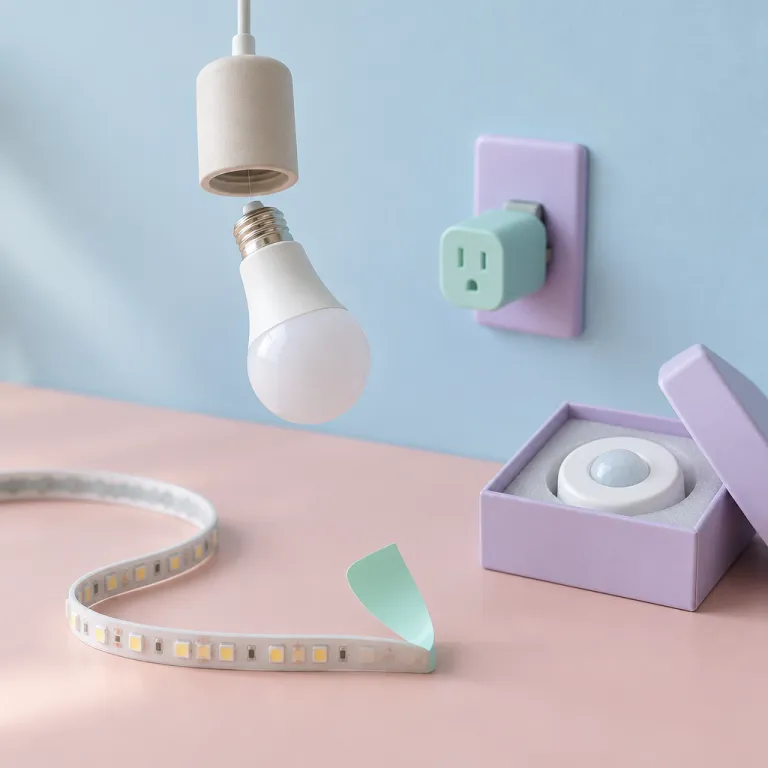
How smart lighting Black Friday deals prep 2026 actually saves you money
Planning your smart lighting Black Friday deals prep 2026 starts with a boring step that quietly saves real money. Walk through every room, count each existing light fixture, and write down bulb shapes, base types, and wattage equivalents so you do not panic buy random items on the big day. That simple list lets you target the best smart bulbs and strips instead of chasing every shiny tech deal that flashes across your screen.
For a budget conscious energy saver, the goal is not just cheap Friday discounts. The real win is replacing the most used lights with smart devices that cut wasted hours, dim automatically, and pay back their price in a few months of lower electricity use, which is why thoughtful smart lighting planning matters more than any single Black Friday lightning deal. Focus on your kitchen, living room, and hallway first, because those lights usually stay on for the longest stretches every day and drive most of your bill.
During early deal days, retailers push a flood of smart devices and accessories. You will see aggressive discounts on Wi‑Fi bulbs, smart plugs, and colorful LED strips, but not every low price is a big deal when the product will fail in a year or lock you into a weak app. Smart home sale prep for 2026 means deciding in advance which tech items you will actually buy and which ones you will ignore, no matter how tempting the percentage off looks or how fast the countdown timer ticks.
Patterns from past Black Friday events are clear for smart lighting. Govee LED strips and light bars, budget Wi‑Fi bulbs, and older generation starter kits almost always drop between twenty and forty percent. For example, the Govee RGBIC LED Strip Light M1 (model H61E1) often falls from around $79 to $49, and basic 4‑packs of 60 W equivalent Wi‑Fi bulbs from brands like Sengled or Kasa frequently slide from about $30 to the $18–$22 range, so waiting for those makes sense if your room is already usable. By contrast, premium ecosystems like Philips Hue, LIFX, and high end smart switches rarely see deep discounts on individual light bulbs, which is why you should not expect miracle prices on those devices even during the best Amazon promotions.
To make that prep faster, turn it into a short checklist you can finish in under an hour:
- Inventory every fixture and note bulb shapes, bases, and wattage equivalents.
- Prioritize rooms by how long lights stay on each day, starting with kitchen, living room, and main hallway.
- Set a realistic budget ceiling for the whole season so lightning deals do not derail your plan.
- Pick your main ecosystem (Amazon Alexa, Google Assistant, or a Matter hub) and stick to compatible devices.
- Flag a few specific models, such as a Govee strip or a Philips Hue starter kit, so you can recognize a real discount quickly.
The gear to buy now at full price versus what to wait on
Smart lighting Black Friday deals prep 2026 is not about delaying every purchase. If your main living room lamp is still a harsh incandescent light or a flickering compact fluorescent, buy one reliable smart bulb today and start saving on your next electricity bill instead of waiting for day deals. The cost of sitting in a dim or uncomfortable room for a month just to save a few dollars rarely beats the daily comfort and energy savings of acting now, especially when a single 9 W LED can replace a 60 W incandescent.
From months of testing, my rule is simple for budget minded buyers. Anything that controls core household safety or daily function, like hallway lighting, bedroom reading lamps, or entryway smart devices tied to security cameras, is worth paying full price for if you will use it every single day. I once tried to wait for a sale on a stairway light and ended up with two near falls in the dark; after that, I just bought a dependable Philips Hue White A19 bulb at full price and never looked back. Reserve your patience for nice to have tech gifts such as accent strips behind the TV, color changing bulbs for a guest room, or a second set of Govee light bars that can wait for Black Friday or the next Prime Day.
Voice control ecosystems complicate timing, especially if you are choosing between Amazon Alexa and Google Assistant. If you already own an Amazon Echo speaker, buying one or two compatible smart bulbs now lets you test routines like gradual dimming at night, then you can expand aggressively when Friday deals hit and you know which features matter. For deeper automation ideas, guides about advanced Alexa lighting routines that go beyond simple on and off can help you plan scenes before the rush of tech deals begins and keep you from buying features you will never use.
Hubs and bridges follow their own discount rhythm. The Philips Hue Bridge almost never gets a meaningful standalone price cut, while Hue starter kits that bundle the bridge with two or four bulbs often become the best smart entry point during Black Friday and Prime Big Deal events. A typical Hue White and Color Ambiance starter kit, for instance, might drop from around $199 to the $140–$160 range, while the bridge alone barely moves, so if you are serious about Hue, it is smarter to buy a small kit at a moderate discount than to chase a rare bridge only promotion on some future Amazon Prime Day.
As a rough guide from recent sales, mid range white and color bulbs from major brands often drop around twenty percent during big events, while older kits can fall closer to thirty. Matter compatible bulbs that support both Alexa and Google Assistant sometimes see smaller cuts, but the extra flexibility and local control usually justify paying a little more if you plan to keep them for years and want your setup to survive app changes.
What always drops hard on Black Friday and Prime Day
Smart lighting Black Friday deals prep 2026 really shines when you know which categories reliably crash in price. Govee LED strips, Govee light bars, and many no name Wi‑Fi bulbs are the classic examples, because they routinely fall by a third or more during Black Friday and the surrounding deal days. These are the smart devices where waiting usually pays, as long as you have already covered your essential fixtures with something dependable and are not sitting in a half lit room.
Amazon tends to push its own ecosystem heavily during every Prime Day and Black Friday cycle. Bundles that combine an Amazon Echo speaker with two smart bulbs or a pair of smart plugs often qualify as the best Amazon offers for beginners, especially when they undercut buying each item separately by a wide margin. A common pattern is an Echo Pop plus two 60 W equivalent smart bulbs dropping from roughly $65 to around $35, and if you are already committed to Amazon Alexa, these bundles can be the best prime opportunity to expand your setup without overthinking individual tech gifts or accessory prices.
Google Assistant users see similar patterns, though the branding differs. Many of the top smart lights compatible with Google Assistant, including Wi‑Fi bulbs from TP‑Link Kasa and budget strips from Govee, tend to show up in rotating tech deals across major retailers during the holiday season. Smart lighting Black Friday deals prep 2026 for that ecosystem means bookmarking a shortlist of Assistant ready bulbs and checking them whenever a new day of discounts lands, instead of scrolling aimlessly through pages of unrelated gadgets.
Do not forget the quieter categories that still matter for a smart home. Smart plugs, basic motion sensors, and entry level security cameras often join the Friday deals pile with surprisingly low prices, making them ideal add ons when you are already placing an Amazon Prime order. Just remember that a cheap plug or camera is only a big deal if it works reliably with your chosen voice assistant and does not require a sketchy third party cloud service to function or harvest unnecessary data.
When you compare offers, look for notes about Matter support, local control over Wi‑Fi or Zigbee, and explicit compatibility with Amazon Alexa or Google Assistant. A plug that keeps working even if the manufacturer’s cloud goes away is usually a better long term bargain than a slightly cheaper device that depends on a single app and remote server, and that resilience matters more than saving a couple of dollars on checkout day.
The traps to avoid and how to build a resilient setup
The ugliest side of smart lighting Black Friday deals prep 2026 is the pile of regret purchases. Deeply discounted bulbs from unknown brands can look irresistible on the day, but many lack Matter support, have clunky apps, and depend entirely on a cloud server that might vanish before your next holiday season. When that happens, your cheap light becomes a dumb bulb overnight, and the apparent savings evaporate along with your ability to control it from the couch.
To avoid that fate, prioritize ecosystems with a track record of updates and local control. Philips Hue remains the reference for reliability and smooth dimming, even if individual bulbs rarely see spectacular discounts, while Govee offers strong value for colorful strips and accent lighting when you catch the right promotions. If you are comparing recessed fixtures and can lights for a renovation, a detailed guide to choosing the most energy efficient smart recessed lighting can help you avoid overbuying the wrong form factor during a frantic sale and keep your ceiling layout flexible.
Another common trap is chasing every lightning deal without a plan. Smart lighting Black Friday deals prep 2026 should include a written hierarchy, starting with must have replacements for high use fixtures, then nice to have accent items, and finally experimental tech devices you will only buy if the price collapses. That structure keeps you from burning your budget on a third set of color changing bulbs while your hallway still runs on an old incandescent light that wastes power every evening.
Finally, think about how your system will feel to live with at nine in the evening. A handful of well chosen scenes, gentle dimming curves, and reliable voice commands through Amazon Alexa or another assistant will matter more than owning every gadget that ever appeared in tech deals. If you treat Black Friday and Prime Big Deal events as chances to complete a thoughtful plan rather than random shopping holidays, your smart lighting will feel calm, efficient, and future proof instead of chaotic and fragile.
Over a few seasons, that mindset builds a resilient setup: a mix of Matter ready bulbs, locally controlled switches, and a small number of trusted apps that keep working even when individual brands come and go, so your lights stay predictable long after the sale banners disappear.
FAQ
Are Black Friday smart lighting discounts really better than other sales?
For most mainstream smart lighting brands, Black Friday and the surrounding weekend still bring the steepest average discounts of the year. Govee strips, budget Wi‑Fi bulbs, and smart plugs in particular tend to drop twenty to forty percent, which usually beats typical day deals or mid season promotions. Premium ecosystems like Philips Hue see smaller percentage cuts, but starter kits still become more attractive than at almost any other time, especially when you factor in the included bridge.
Should I wait for Black Friday or buy smart bulbs now?
If a room you use daily feels too dim, too harsh, or simply inefficient, it usually makes sense to buy one or two smart bulbs now. The month of better comfort and lower energy use often outweighs saving a small amount during Black Friday or a future Prime Day. Save your patience for accent lighting, extra strips, or secondary rooms where waiting will not affect your daily life or safety.
Which smart lighting products almost always get the best discounts?
Year after year, the most aggressive discounts land on Govee LED strips and light bars, budget Wi‑Fi bulbs from lesser known brands, and older generation starter kits from major ecosystems. These categories are where retailers compete hardest on price, especially around Black Friday and Prime Big Deal events. If you already know the exact lengths and bulb shapes you need, you can safely plan to buy these during the holiday sale window and skip full price impulse buys.
Are ultra cheap smart bulbs from unknown brands worth it?
Ultra cheap bulbs can work for a while, but they carry real risks. Many lack Matter support, rely on unstable apps, and depend on cloud servers that may shut down, leaving you with non functional devices. For fixtures you use every day, it is usually smarter to pay a bit more for a brand with a clear update history and good integration with Amazon Alexa or other major platforms, even if the discount percentage looks smaller on paper.
How do I prepare my home for smart lighting deals efficiently?
The most efficient prep is to inventory every fixture, note bulb types, and rank rooms by how often their lights are on. Then set a budget, decide on your main ecosystem, and create a short list of must buy items and nice to have upgrades. When Black Friday and Prime Day arrive, you can move quickly on the right products instead of scrolling through endless tech gifts and random discounts, and your cart will match a plan instead of a moment of panic.