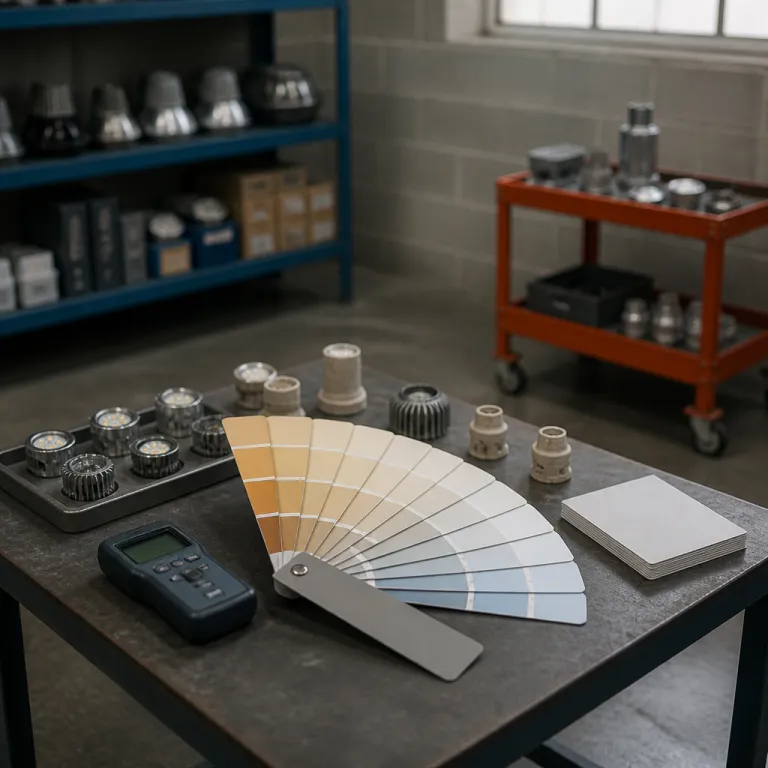
Why a led light color chart matters for everyday smart lighting
A clear LED light color chart turns confusing numbers into practical choices. When you understand how each light color affects mood, visibility, and skin appearance, you stop guessing and start shaping rooms with intention. This is especially important with smart LED lighting, where one bulb can shift from warm white to cool white in seconds.
Most LED lamps are labeled with a correlated color temperature in kelvin, usually between 2,200 K and 6,500 K. On a typical color chart, the low end of the Kelvin scale represents warm light colors that look yellowish or amber, while higher Kelvin temperatures create cool white or even slightly blue light. Reading this chart correctly helps you match LED color to each activity, from relaxing on the sofa to focused desk work.
Think of the LED light color chart as a map for your eyes and brain. Warm white LED lighting around 2,700 K feels cozy and flattering for skin tones, while neutral white near 4,000 K keeps colors accurate in kitchens or studios. Above 5,000 K, cool white light colors enhance contrast for tasks but can feel harsh if overused in living spaces, so many people reserve them for short bursts of detailed work.
Understanding kelvin, color temperature and how they shape your rooms
Color temperature, measured in kelvin (K), describes how warm or cool a light appears. On an LED light color chart, the Kelvin scale usually starts with candle-like warm white around 2,200 K and stretches to daylight-style cool white above 6,000 K. Lower color temperatures give a soft amber light color, while higher color temperatures push toward crisp, bluish tones.
For bedrooms and living rooms, warm white LED lights between 2,700 K and 3,000 K usually feel most comfortable. This range on the color chart softens facial features and makes skin look smoother, which is why many people prefer these light colors for evening relaxation. In contrast, neutral white around 3,500 K to 4,000 K keeps colors under LED lighting accurate for reading or hobbies without feeling too clinical, which is ideal when you follow a detailed buying guide for reading in bed such as the one on choosing the best smart lighting for reading in bed.
Task areas like home offices or workshops benefit from cooler light colors between 4,000 K and 5,000 K. On an LED light color chart, this part of the Kelvin scale is often labeled cool white, and it helps your eyes distinguish fine details and subtle color codes on documents or screens. Reserve the very cool temperatures above 5,500 K for short, focused tasks rather than all-day ambient lighting, because prolonged exposure can feel fatiguing and visually stark.
Choosing between warm white, neutral white and cool white for each space
Every room responds differently to warm white, neutral white, and cool white, even when the LED lights share the same lumen output. In a living room, an LED light color chart will usually point you toward warm white around 2,700 K, because this color temperature flatters skin and soft furnishings. The same warm light colors make wood, textiles, and red or green décor appear richer and more inviting.
Kitchens and bathrooms often benefit from neutral white around 3,500 K to 4,000 K on the Kelvin scale. This part of the chart balances warm and cool tones, so white tiles look clean without appearing blue, and food colors remain natural under LED lighting. When you select GU10 LED globes for spotlights, guides such as choosing the right GU10 led globes for smart lighting usually recommend neutral white for counters and mirrors.
Home offices, garages, and utility rooms often call for cool white LED color temperatures between 4,000 K and 5,000 K. On an LED light color chart, these light colors sit closer to daylight and help you read fine print, see wiring pin markings, and distinguish subtle RGB color differences on screens. Use dimmable LED lights so you can soften the light color in the evening, especially if the space doubles as a guest room or hobby area.
How rgb, color led strips and light therapy features fit into the chart
Smart RGB LED lights add another layer to the LED light color chart by mixing red, green, and blue diodes. Instead of only shifting along the Kelvin scale, these color LED systems create millions of light colors for ambience, accents, or notifications. In practice, you still rely on a chart or app interface to move between warm white, cool white, and saturated RGB color scenes.
For everyday use, many people keep RGB LED lighting in a neutral white or warm white mode, then switch to vivid LED colors for entertainment. A soft red or amber light color in the evening can feel calming, while gentle green or blue tones suit gaming or movie nights without overwhelming the eyes. When you compare LED color options in your app, look for presets that clearly label color temperatures and RGB codes, not just vague names like “relax” or “focus”.
Some smart LED light products also promote light-therapy-style features, such as simulated sunrise or cool white boosts in the morning. True clinical light therapy uses specific lux levels and color temperatures, usually in the cool white range, and should follow medical guidance rather than marketing claims. For everyday wellness, use your LED light color chart to avoid extreme blue-heavy light colors late at night, and favor warmer temperatures that support natural sleep patterns.
Reading packaging, color codes and charts when buying smart led lights
Packaging for LED lights often looks crowded with numbers, icons, and vague marketing terms. Focus first on the Kelvin temperature, then on the color rendering index (CRI), and finally on whether the bulb supports RGB or tunable white modes. A printed LED light color chart or small color bar usually shows where that product sits between warm white and cool white.
Many brands now include simple color chart graphics with labeled color temperatures such as 2,700 K, 3,000 K, 4,000 K, and 6,500 K. Use these codes to match new LED lighting to your existing fixtures, so one room does not mix overly warm and very cool white light colors. If you install multiple LED lights on the same circuit, keeping their color temperature within a narrow band prevents patchy, uneven lighting.
When you shop online, product photos can misrepresent light color, so rely on the written Kelvin scale and any provided LED light color chart instead. Look for clear descriptions of whether the bulb offers fixed warm white, adjustable color temperatures, or full RGB color control. For a curated overview of smart LED lighting options that explain these details, resources such as the guide to top smart lights for home automation can help you compare features without marketing noise.
Practical steps to match light colors, dimming and skin comfort at home
Start by walking through your home at night and noting where light feels too harsh, too dim, or oddly colored. Compare those impressions with a basic LED light color chart, then assign target color temperatures to each room, such as 2,700 K for bedrooms and 4,000 K for kitchens. This simple mapping helps you buy LED lights and LED colors with purpose instead of guesswork.
Next, prioritize dimmable LED lighting and tunable white bulbs in multipurpose spaces. Being able to shift from warm white to neutral white or cool white, while also dimming, lets you adapt the light color to reading, dining, or screen time. In rooms where skin appearance matters, such as bathrooms or dressing areas, choose neutral white around 3,500 K to 4,000 K so makeup colors and clothing tones remain accurate.
Finally, use your app or wall controls to create a few reliable scenes based on your color chart. For example, an evening scene might set all living area LED lights to 2,700 K at 40 percent brightness, while a work scene uses 4,000 K at 80 percent in the office. Over time, you will learn how small shifts in color temperature and brightness influence comfort, focus, and even how your skin looks in mirrors and photos.
Key statistics on led light color, efficiency and user preferences
- According to the International Energy Agency’s “Lighting” tracking report (2023), LED lighting accounted for more than half of global lighting sales, and the IEA notes that LEDs can cut electricity use for lighting by up to 50 percent compared with conventional technologies.
- Studies summarized by the Illuminating Engineering Society in its lighting design recommendations report that many office workers prefer neutral white light around 4,000 K for tasks, while warmer light colors are favored for break areas and lounges, supporting the use of a Kelvin chart when zoning open-plan spaces.
- Research highlighted by the American Medical Association in its guidance on high-intensity street lighting has raised concerns about very high color temperature outdoor lighting above 4,000 K, due to potential impacts on sleep cycles and glare, and recommends using the lowest practical color temperature for roadway lighting.
- Consumer surveys from major lighting manufacturers show that tunable white and RGB color features are increasingly used, but most daily usage still centers on a narrow band between 2,700 K and 3,500 K.
FAQ about led light color charts and smart lighting choices
How do I choose the right color temperature for each room ?
Use an LED light color chart to match activities with Kelvin ranges. Bedrooms and living rooms usually feel best with warm white around 2,700 K to 3,000 K, while kitchens and offices benefit from neutral white or cool white between 3,500 K and 4,500 K. Very cool temperatures above 5,000 K suit short, detailed tasks rather than all-day ambient lighting.
What is the difference between warm white, neutral white and cool white ?
Warm white has a lower color temperature and appears yellowish or amber, creating a cozy atmosphere. Neutral white sits in the middle of the Kelvin scale and keeps colors accurate without looking too warm or too blue. Cool white has a higher color temperature, looks crisp and slightly bluish, and works well for task lighting and garages.
Do rgb led lights replace regular white bulbs for everyday use ?
Most RGB LED lights can produce both colored effects and standard white light, but quality varies between brands. For everyday use, choose products that offer a dedicated warm white and neutral white mode with clear color temperature values. Use saturated RGB color scenes mainly for ambience, entertainment, or notifications rather than constant general lighting.
How does light color affect how my skin looks indoors ?
Warm white light around 2,700 K tends to soften shadows and make skin appear warmer and more flattering. Very cool white or blue-heavy light can emphasize blemishes and make skin look pale or tired. For makeup and clothing choices, neutral white around 3,500 K to 4,000 K usually gives the most accurate view of skin tones.
Can smart light therapy features replace medical light therapy devices ?
Smart bulbs with sunrise simulations or cool white boost modes can support daily routines, but they are not certified medical light therapy devices. Clinical light therapy uses specific intensities, exposure times, and color temperatures under professional guidance. If you are considering light therapy for a health condition, consult a healthcare professional rather than relying solely on consumer smart lighting features.
References
- International Energy Agency – “Lighting” tracking report (2023) on global lighting efficiency and LED adoption, including estimates of potential electricity savings from LED retrofits.
- Illuminating Engineering Society – lighting design recommendations and guidelines on color temperature for different spaces, summarizing user preferences for neutral white task lighting.
- American Medical Association – guidance on high-intensity, high color temperature outdoor lighting and health considerations, advising lower correlated color temperature for street lighting where feasible.
