How to choose the best smart LED light bulbs for your home
The most useful smart LED light bulbs start with a clear understanding of your rooms and habits. Before buying any connected lamp or LED bulb, walk through each space and note existing light fixtures, switch locations, and how often you actually use that light. This simple audit helps you match every bulb to the right brightness, color temperature, and smart control features.
For living rooms, a connected light that supports both warm white and full color usually works best. You can set a soft warm tone around 2,700 kelvins for relaxed evenings, then shift the light color to a cooler white for reading or working on a laptop. Look for smart bulbs with at least 800 lumens of brightness, which roughly matches a traditional 60-watt bulb while using far less energy thanks to LED technology.
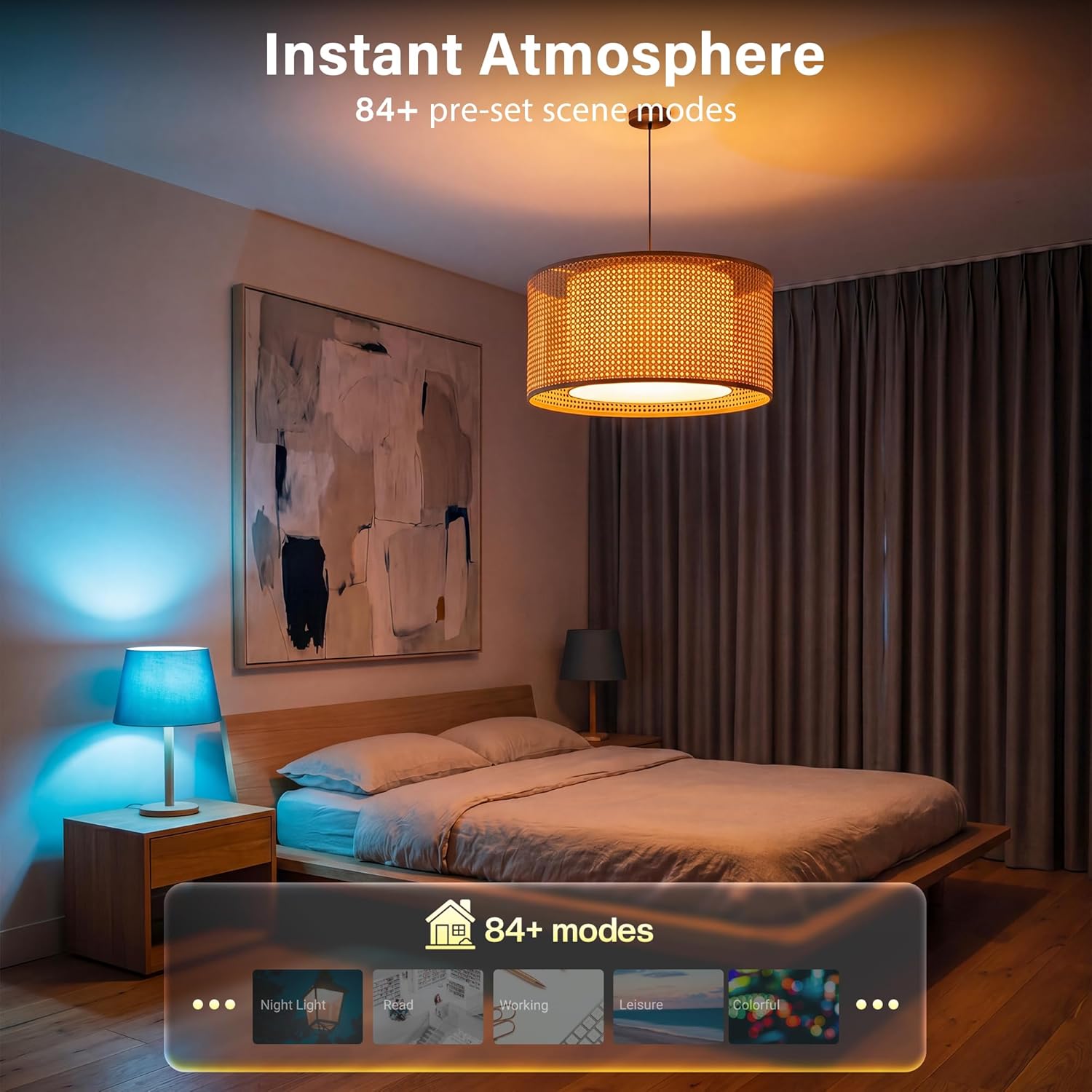
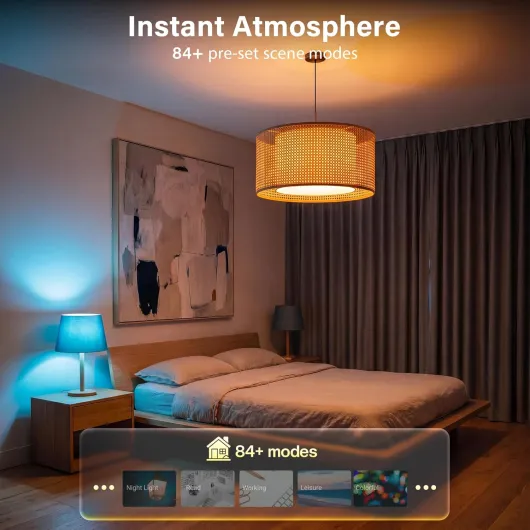
Bedrooms benefit from smart bulbs that handle low brightness smoothly and offer precise color temperature control. A dimmable smart LED bulb with a range from warm 2,200 kelvins to neutral 4,000 kelvins lets you create a calm pre-sleep routine without harsh light. If you want voice control, confirm that the smart bulb works with Amazon Alexa, Google Assistant, or Apple HomeKit before you commit to a brand.
In kitchens and workspaces, prioritize clarity and color quality over dramatic effects. The best connected bulbs for cooking or crafting usually offer high lumens, neutral white light, and accurate color rendering so food and materials look natural. Here, a white-only smart light can be more practical than full-color bulbs, especially if you want consistent light color across several fixtures.
Bathrooms and corridors raise different questions about safety and automation. Motion-activated smart bulbs or a smart LED setup linked to a presence sensor can turn on a low-brightness warm-white scene at night, reducing glare while guiding you safely. When you compare price, remember that a slightly higher upfront cost for a reliable LED bulb often pays back through longer life and lower energy use.
Comparing leading brands: Philips Hue, budget options, and tec bright challengers
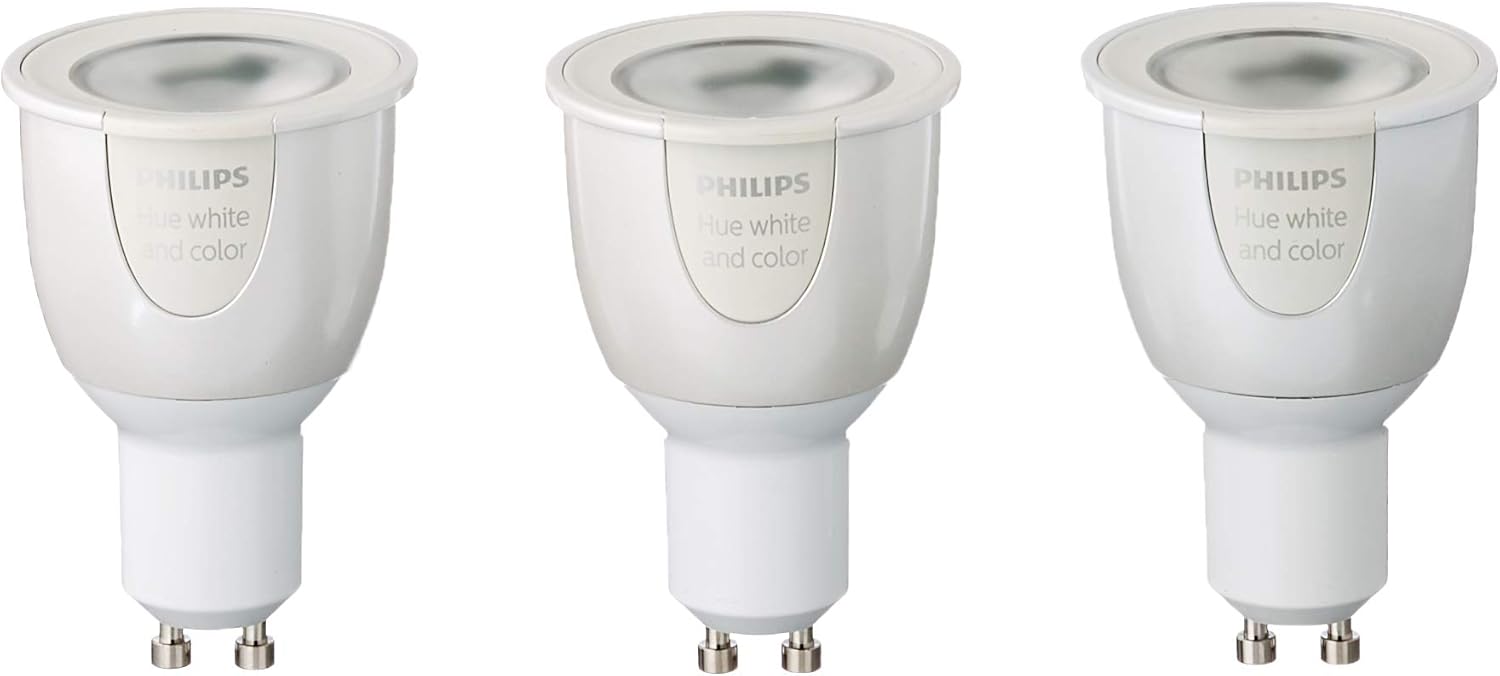
Brand choice shapes your experience with smart bulbs just as much as raw specifications. Philips Hue remains the reference name for premium smart light systems, especially if you want reliable dimming, rich full-color scenes, and a wide accessory ecosystem. The Philips Hue bridge adds extra stability and lets you control many light bulbs at once without overloading your Wi‑Fi network.
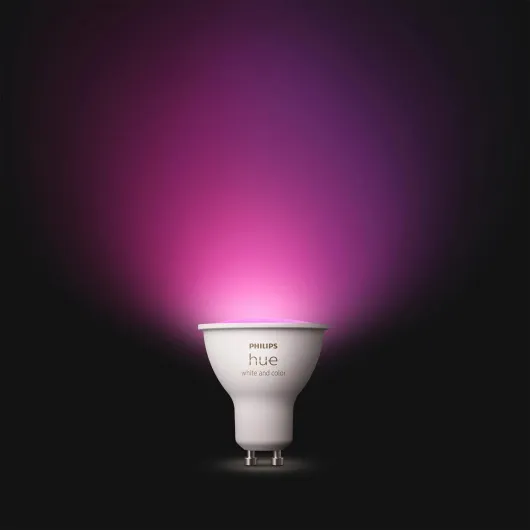
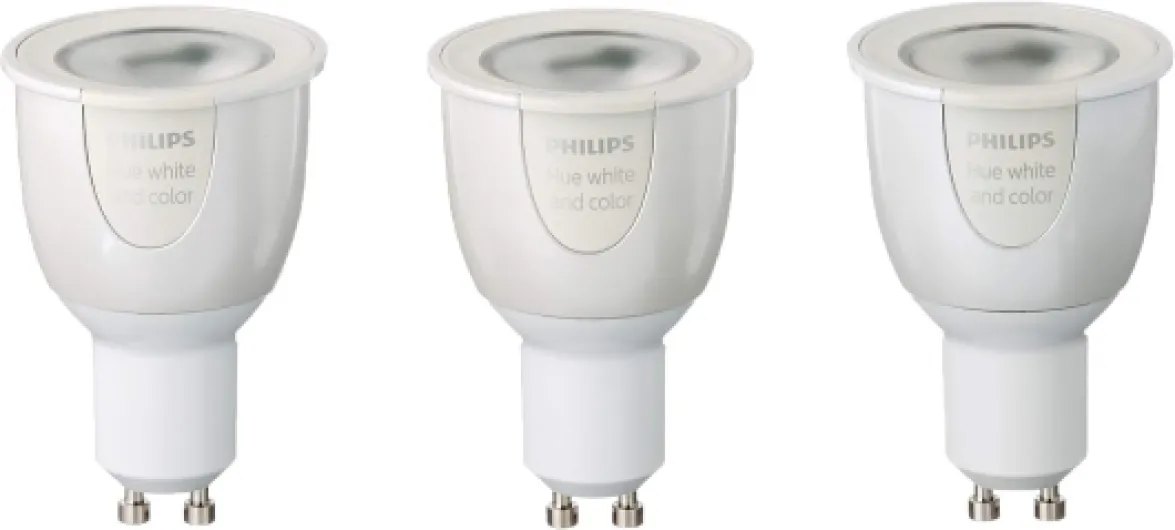
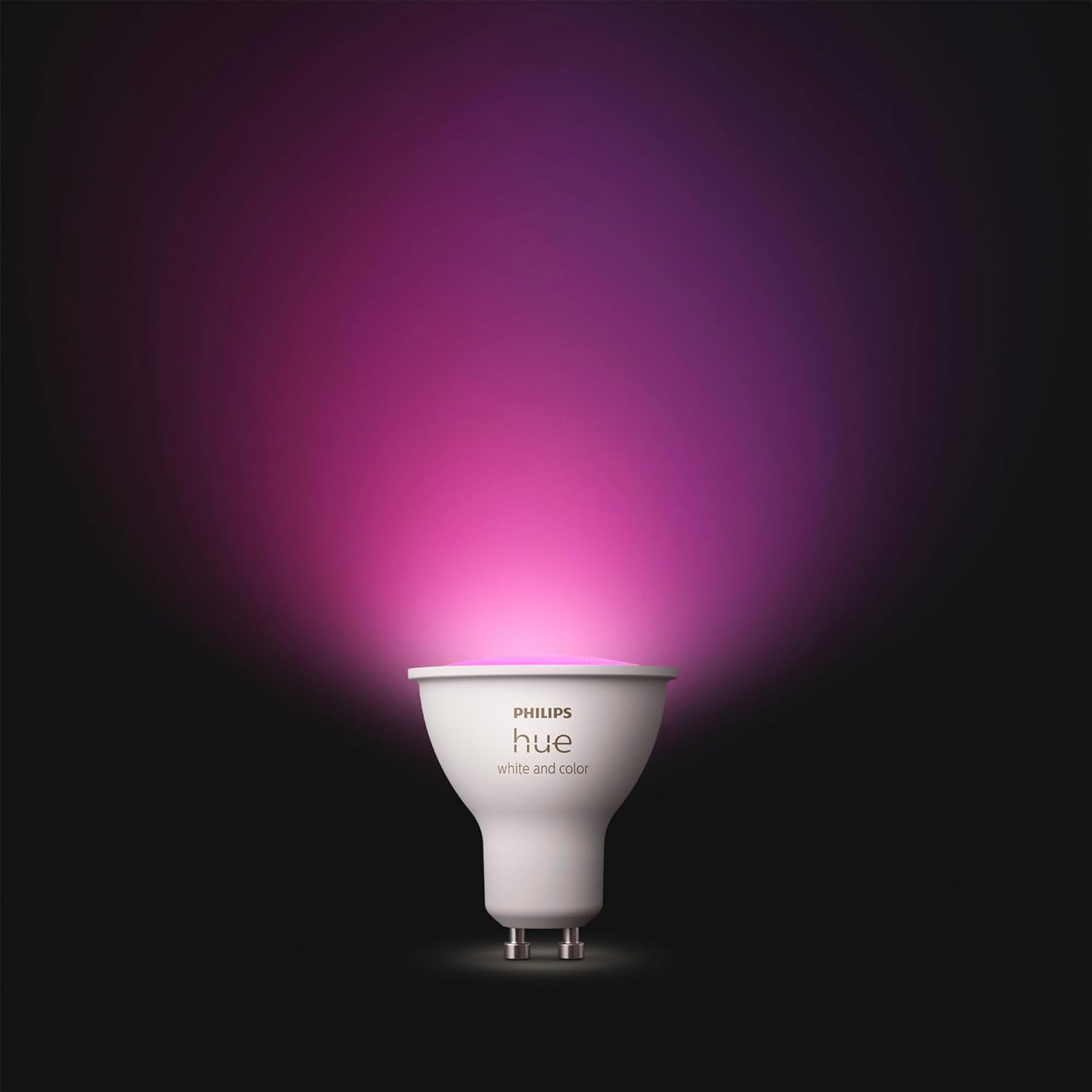
Philips Hue White bulbs focus on warm and cool white light, while Hue White and Color Ambiance bulbs cover millions of shades for mood lighting. These smart LED bulbs usually offer excellent color quality and smooth brightness transitions, which matters when you shift from a bright work scene to a soft evening scene. If you are considering a design-forward lamp, you might look at alternatives such as the Varmblixt donut lamp, which is discussed as a design-led alternative to a Hue Go in this analysis of an IKEA design smart lamp.
Budget brands and tec bright style challengers often advertise similar lumens and color temperature ranges at a lower price. Some of these smart bulbs perform surprisingly well, especially for basic white light or occasional color effects in secondary rooms. The trade-off usually appears in app polish, long-term firmware support, and how quickly the bulbs respond to Amazon Alexa or Google Assistant commands.
When you compare brands, look beyond headline brightness numbers and check how the light color actually appears on walls and furniture. Two smart LED bulbs with the same lumens can feel very different if one leans toward a harsh blue-white while the other offers a balanced warm-white tone. Reviews that include side-by-side photos of color quality and dimming curves are particularly helpful when you cannot test the bulbs in person.
For many households, a mixed strategy works best. Use Philips Hue or another premium smart light brand in high-use spaces where you care about perfect dimming, accurate color temperature, and reliable voice control. Then deploy more affordable smart bulbs or LED bulb multipacks in hallways, guest rooms, or utility areas where simple on/off control and basic brightness are enough.
Brightness, color temperature, and color quality explained
Understanding brightness and color temperature helps you read packaging and match each bulb to its role. Brightness is measured in lumens, and most recommended smart LED light bulbs for general use fall between 600 and 1,100 lumens. A 600-lumen smart bulb suits bedside lamps, while 800 to 1,000 lumens work better for ceiling fixtures or workspaces where you need stronger light.
Color temperature, measured in kelvins, describes whether a light bulb appears warm, neutral, or cool. Warm white around 2,700 kelvins creates a cozy atmosphere, while neutral white near 4,000 kelvins feels brighter and more energizing for tasks. Many smart bulbs and smart LED models now offer tunable white, letting you slide from warm to cool tones in the app or via voice control.
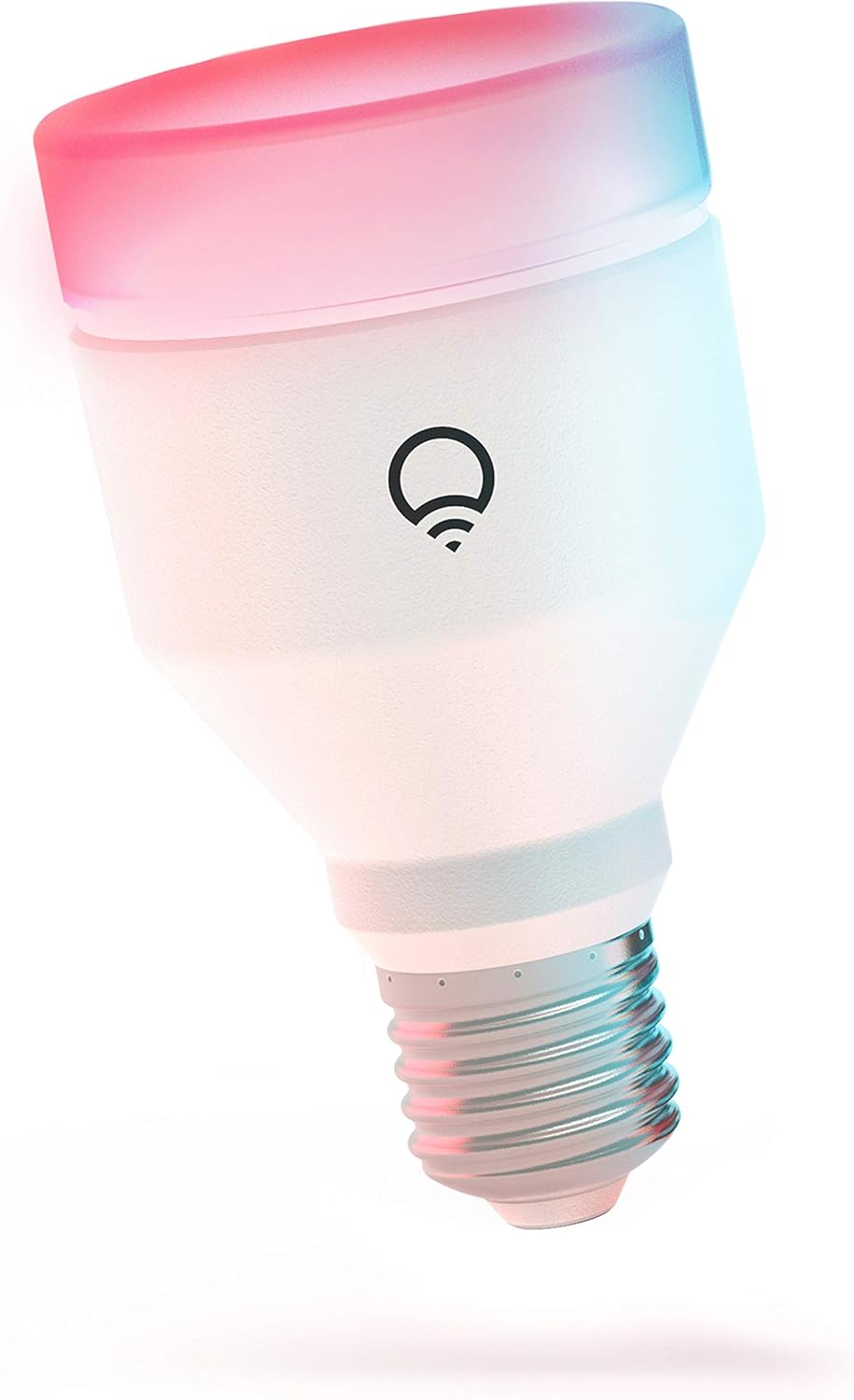
Full-color smart bulbs add another layer by letting you change the light color across millions of shades. These smart light options are ideal for accent lighting, movie nights, or subtle circadian routines that shift color temperature through the day. When you evaluate full-color bulbs, pay attention to color quality, especially how saturated reds and deep blues look at different brightness levels.
Some smart LED bulbs struggle to maintain accurate color at low brightness, leading to washed-out tones or uneven patches on walls. Premium brands like Philips Hue usually handle dimming and color consistency better, but even within a brand, not every LED bulb behaves identically. If you plan to use color scenes frequently, test a single smart bulb in your space before committing to a large pack of bulbs.
Remember that your room surfaces influence perceived brightness and color temperature as much as the bulb itself. Dark walls absorb light, so you may need higher lumens or more light bulbs to reach the same visual brightness as a pale room. Combine careful bulb selection with thoughtful placement to get the best balance between comfort, clarity, and energy efficiency.
Connectivity, dimmers, and avoiding flicker with smart LED bulbs
Connectivity is the hidden backbone of every smart light system, and it affects how reliable your daily routines feel. Wi‑Fi smart bulbs connect directly to your router, while Zigbee or Thread-based bulbs like many Philips Hue models use a dedicated hub for more stable control. Both approaches can work well, but mixing too many protocols without a plan can make troubleshooting difficult.
One common pain point is pairing smart LED bulbs with old wall dimmers that were designed for incandescent lamps. These dimmers often cause flicker, buzzing, or reduced lifespan for any LED bulb, even when the packaging claims dimmable performance. If you notice your expensive smart bulbs misbehaving, this guide on smart bulb dimmer compatibility explains why a 40 euro Hue bulb can still flicker on a 20-year-old dimmer.
The safest approach is usually to leave wall switches in the on position and use smart control through an app, voice control, or wireless remotes. Many high-quality smart LED light bulbs support scenes and schedules that gradually change brightness and color temperature without touching a physical dimmer. If you want tactile control, consider replacing old dimmers with smart-compatible switches that keep constant power flowing to each light bulb.
Network stability also shapes how responsive your smart bulbs feel. Too many Wi‑Fi smart LED bulbs on a weak router can lead to delays when you ask Amazon Alexa or Google Assistant to change a light color or turn off several light bulbs at once. A hub-based system or a mesh Wi‑Fi upgrade can restore snappy control and make your lighting routines feel effortless.
Security deserves attention as well, because every connected bulb is another device on your home network. Choose brands that offer regular firmware updates, clear privacy policies, and secure pairing methods in their app. Treat your smart light setup like any other connected tech product, using strong passwords and keeping both bulbs and control devices updated.
Price, value, and where smart LED bulbs make the most sense
Price differences between smart bulbs can be striking, but value depends on where and how you use them. A premium smart LED bulb with excellent color quality and long life makes sense in a living room where you use that light for several hours every day. In contrast, a basic white smart bulb may be the most sensible choice for a rarely used guest room or storage area.
When comparing price, calculate the cost per lumen and expected lifespan rather than just the sticker number. Many of the best smart LED light bulbs last 15,000 hours or more, which can translate into a decade of typical use for a single light bulb. Over that period, the energy savings from LED technology often outweigh the initial premium compared with older halogen or compact fluorescent bulbs.
Consider the hidden value of automation and voice control as well. Smart light routines that turn off all light bulbs when you leave home can reduce wasted energy, especially in large households. Being able to ask Amazon Alexa, Google Assistant, or Apple devices to adjust brightness or color temperature without walking to a switch also adds daily comfort that is hard to price precisely.
Multi-packs of smart LED bulbs or LED bulb starter kits with a hub often bring the best overall cost per bulb. These bundles usually include a mix of white and full-color bulbs, letting you experiment with light color in key rooms while keeping other spaces simple. Check whether the included smart bulbs support future expansion, so you can add more bulbs without replacing your entire system.
Finally, think about resale and flexibility. A well-known ecosystem like Philips Hue or a respected tec bright competitor is more likely to stay updated and compatible with future Alexa/Google or Amazon Alexa features. Investing in a stable platform today means your preferred smart LED light bulbs will keep working smoothly as your home and devices evolve.
Practical room by room recommendations for the best smart LED light bulbs
Turning specifications into a real plan is where many readers need clear guidance. In living rooms, start with one or two full-color smart bulbs in main lamps or ceiling fixtures, then add white smart LED bulbs in secondary lights for layered brightness. This mix lets you create dramatic color scenes for films while keeping everyday light color natural and comfortable.
For bedrooms, prioritize warm white smart bulbs with smooth dimming and quiet operation. A tunable white smart bulb that shifts color temperature from warm evening tones to slightly cooler morning light can support healthier sleep patterns. Pair these bulbs with simple voice control through Amazon Alexa or Google Assistant, so you can turn off every light bulb from bed without reaching for a switch.
Home offices and study areas benefit from higher lumens and neutral white tones. Choose efficient smart LED light bulbs that maintain stable brightness and accurate color quality at cooler color temperature settings around 4,000 to 5,000 kelvins. These settings keep documents and screens clear while reducing eye strain compared with very warm or very blue light.
In kitchens, focus on clarity and safety. Use bright white smart LED bulbs or LED bulb strips under cabinets to eliminate shadows on worktops, and reserve full-color effects for dining areas or breakfast nooks. Smart light scenes that gradually raise brightness in the morning can make early starts feel less abrupt while still giving you enough light to cook safely.
Hallways, staircases, and bathrooms are ideal places for automation. Motion-triggered smart bulbs that turn on at low brightness during the night reduce glare and help prevent trips, especially for children or older adults. In these spaces, a reliable white smart light with quick response often beats more complex color options, proving that the best smart LED light bulbs are the ones that quietly fit your daily life.
Key figures about smart LED light bulbs
- According to the International Energy Agency, LED lighting can use up to 75 percent less energy than traditional incandescent bulbs, while lasting up to 25 times longer, which explains why most best smart LED light bulbs now rely on LED technology.
- Market research from Statista indicates that the global smart lighting market surpassed 10 billion euros in annual revenue recently, with smart bulbs and smart light fixtures representing a rapidly growing share of residential spending.
- Independent lab tests from organizations such as Consumer Reports show that many smart LED bulbs reach 800 lumens while consuming around 9 watts, compared with about 60 watts for an equivalent incandescent light bulb.
- Surveys of smart home users by major platforms report that lighting is often the first or second most adopted category, with more than one third of respondents using at least one smart bulb or smart LED strip in their home.

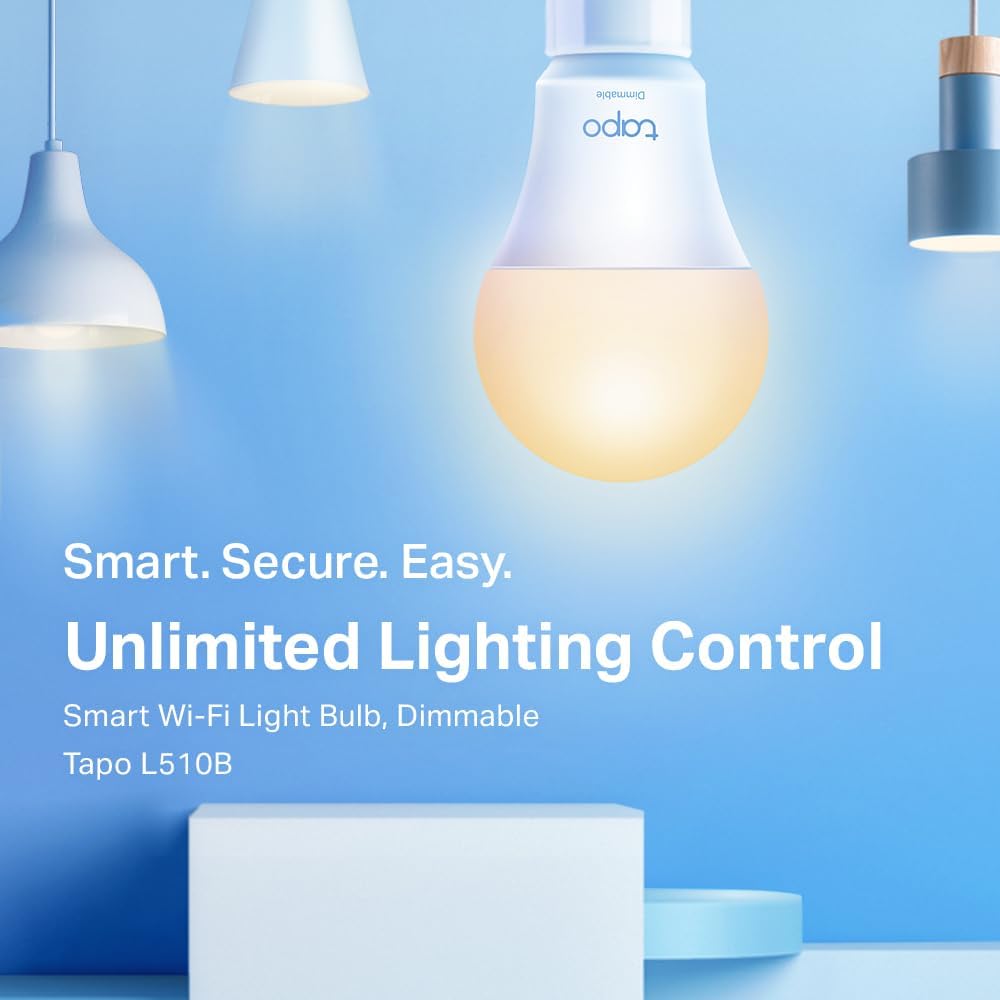
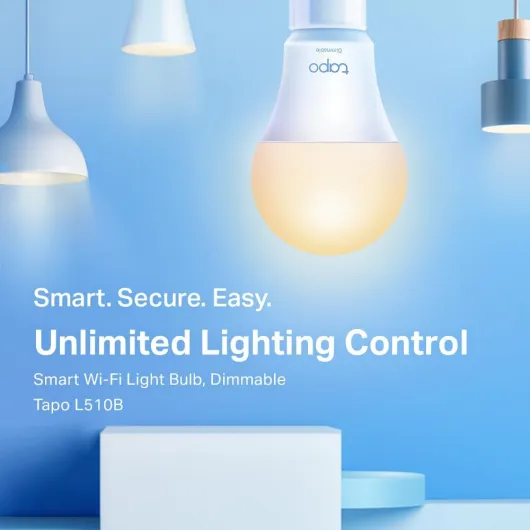
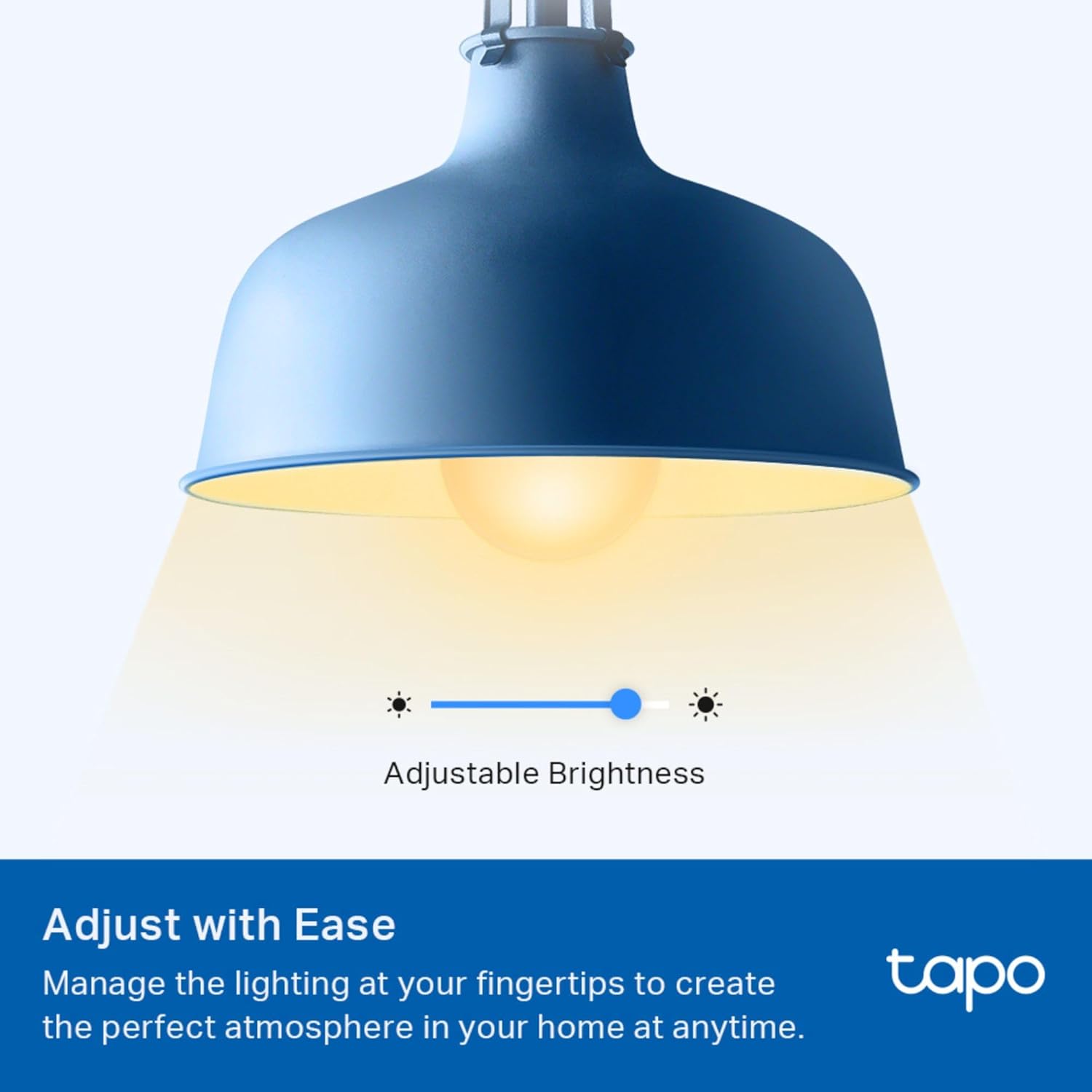
![L510E Smart Bulb, Smart WiFi LED Light, E27, Works with Amazon Alexa(Echo and Echo Dot), Google Home, Dimmable Soft Warm White, No Hub Required [Energy Class F] 1 Pack](https://www.smart-light-guru.com/storage/939180/conversions/71WGq8rBN-L._AC_SL1500_-medium.webp)

![L510E Smart Bulb, Smart WiFi LED Light, E27, Works with Amazon Alexa(Echo and Echo Dot), Google Home, Dimmable Soft Warm White, No Hub Required [Energy Class F] 1 Pack](https://www.smart-light-guru.com/storage/939180/71WGq8rBN-L._AC_SL1500_.jpg)