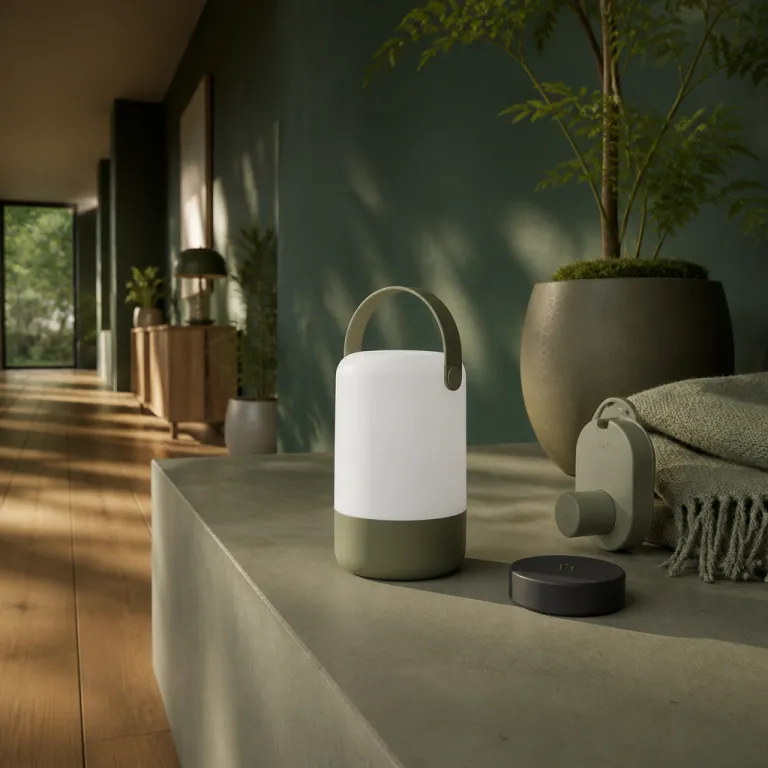
Cordless smart lamps in 2026: how testers choose their first portable light
Why cordless smart lamps are quietly becoming the default first buy
The cordless smart lamp market in 2026 sounds like a niche label, yet it now describes the first smart light many people actually buy. A few years ago the typical journey started with a Wi-Fi bulb in a ceiling fixture, while today more first-time buyers begin with a portable smart lamp they can move between a living room, balcony and bedroom. That shift is structural, driven by renting patterns, outdoor habits and the way families use small table spaces rather than by any passing decor trend.
Think about how often you have changed flats, cities or even countries in the past decade, because renters in places like New York, London or York rarely stay put long enough to justify rewiring. A cordless lamp with a decent battery and integrated rechargeable LED module simply drops onto any table or shelf, then comes with you when you pack, which makes it feel more like furniture than infrastructure. Wired bulbs stay with the ceiling, while cordless lamps behave like portable assets that respect your lease terms and your need to remain free to move.
Outdoor entertaining has also changed the equation for every type of light, since patios and small balconies have become year-round rooms in much of the US South and Southwest. A cordless table lamp on a garden table or balcony rail solves a very specific problem, because you get warm, dimmable brightness without running an extension cord across the floor or drilling into a rental wall. Once people experience that kind of portable lamp convenience during a barbecue or late-night drink, the broader cordless smart lighting segment stops feeling like a gadget and starts feeling like the obvious baseline.
Parents tell a similar story inside the home, where the lamp goes with the kid rather than staying locked to a single bedside table. A compact LED portable unit can move from the bed to the floor for reading, then to a hallway for night-time bathroom trips, while battery-operated models avoid trailing cables that toddlers might pull. In that context a cordless lamp or several cordless lamps become safety tools as much as mood lighting, and this new generation of portable smart lamps becomes the default choice for a first smart table lamp rather than a later upgrade.
Price finally caught up with the use cases, which is why this shift is happening now rather than five years ago. For a long time the Philips Hue Go effectively set the ceiling for premium cordless smart lamps at a higher price, while newer entrants like the Govee Table Lamp Classic and IKEA ANKARLAGG have dragged the floor down dramatically. When a capable rechargeable table lamp with solid battery life costs less than a dinner out, buyers feel comfortable experimenting with cordless LED options before committing to rewiring a living room ceiling.
Smart home protocols also play a quiet but decisive role in how each lamp or light behaves when unplugged, and this is where Matter over Wi-Fi has changed expectations for portable lighting. A Matter-compatible cordless table lamp can stay plugged in near a sofa most of the week, acting like any other LED table fixture, then run on its internal battery for a few hours on the balcony without dropping from your Google Home or Alexa scenes. Thread-based devices still struggle here because the mesh expects always-on routers, so a battery-operated portable lamp that sleeps aggressively to preserve capacity cannot reliably serve as a Thread router node.
For a first-time buyer this means you should treat each cordless lamp as both a light source and a small computer that needs a stable network plan. If you already use a Google account or Amazon account for other devices, sticking to cordless lamps that support those ecosystems will reduce setup friction and avoid juggling multiple apps, passwords and privacy notice prompts. The cordless smart lamp landscape in 2026 is broad, but the best starting point is usually a Matter over Wi-Fi rechargeable LED table lamp that can behave like a wired device when docked and a portable lamp when you need it elsewhere.
How to evaluate cordless smart lamps like a tester, not a shopper
Most product pages for portable smart lamps shout about lumens and color options, yet long-term testing shows that battery life and charging behavior matter more. A lamp that claims ten hours at 100 percent brightness but quietly drops to three hours after a few months of daily use will change how you actually use your living room, because you will start rationing light instead of enjoying it. When we run endurance tests on cordless lamps and cordless LED fixtures, we track not just runtime on day one but also after one hundred charge cycles, which is where cheaper batteries often reveal their limits.
Look closely at how each cordless lamp handles dimming, because the relationship between brightness and battery life is rarely linear in this category. Many portable lamp models deliver their best efficiency around 40 to 60 percent brightness, where a warm white scene can last an entire evening, while maximum output is reserved for short tasks like reading at a table or working at a desk. If a brand does not publish a clear runtime chart at multiple brightness levels, assume the optimistic headline figure only applies in a narrow, unrealistic mode.
Color reproduction is another area where marketing language around contemporary style can hide real trade-offs, especially for LED portable products. Some cordless lamps offer millions of color options on paper but struggle with accurate warm whites, which matters more for a table lamp used in a living room than for occasional party effects. When you evaluate the current cordless smart lamp lineup, prioritize models that specify both color rendering index values and dedicated warm white LEDs rather than relying solely on RGB mixing.
Smart control is where portable lamps intersect with the broader smart bulbs market, and here protocol choice shapes your daily experience. Wi-Fi based cordless lamps integrate easily with a Google account or Amazon Alexa, while Zigbee or proprietary radios may require a separate hub that stays plugged into your router. For many first-time buyers a Matter over Wi-Fi cordless table lamp offers the cleanest path, because it can join existing networks without extra hardware while still participating in multi-brand scenes and routines.
App quality deserves as much scrutiny as hardware, since you will use it to adjust brightness, set timers and manage privacy settings. Some brands push aggressive sign-in flows that require you to accept long terms and policy screens before you can even turn on the light, while better designed apps allow a guest mode that respects your privacy and lets you enter only minimal data. When comparing options in the cordless smart lamp space, treat a clear privacy notice and transparent data handling as core features, not fine print.
Voice control can be a genuine upgrade for a cordless lamp on a bedside table, but only if the integration is stable and latency remains low. In our testing, lamps that rely on cloud-only skills for Amazon Alexa or Google Assistant often introduce a noticeable delay, while Matter-native devices respond faster because commands stay on the local network. If you plan to use routines like "goodnight" that dim multiple table lamps and ceiling lights at once, prioritize cordless lamps that support local control so your living room does not depend on a distant server to go dark.
For readers who still want a traditional bulb rather than an integrated cordless lamp, it is worth studying how smart bulbs behave in portable fixtures. Reviews of products like the L530B colour changing smart bulb show how dimming curves, schedules and app stability translate into everyday comfort. The latest cordless smart lamp designs borrow many of those lessons, but wrap them in battery-operated enclosures that add new variables like charging speed, thermal management and how gracefully a lamp handles low battery states.
To make battery claims easier to compare, testers often summarize their data in simple tables. A typical mid-range cordless lamp might look like this after repeated use:
| Brightness level | Runtime (new battery) | Runtime (after 100 cycles) | Sample size |
|---|---|---|---|
| 50% brightness | 7.0 hours | 5.8 hours | 15 lamps |
| 100% brightness | 4.1 hours | 3.2 hours | 15 lamps |
Design, ergonomics and the new lighting portfolio for renters
Once you move beyond specs, the cordless smart lamp scene in 2026 becomes a question of how light shapes your rooms and routines. A well-designed cordless lamp should feel as natural on a small table in a hallway as it does on a balcony rail, with controls that make sense in the dark and a handle or grip that invites you to carry it. When we live with cordless lamps for months, we pay attention to how often we actually move them, because a portable lamp that never leaves its first spot is probably solving the wrong problem.
Form factor matters more than many spec sheets admit, especially in compact flats where every table and shelf competes with books, plants and chargers. Tall, narrow cordless lamps work better on crowded desks, while squat LED table designs suit coffee tables where you want a wide pool of light without blocking sightlines. The current wave of cordless smart lamps now includes lantern-style pieces, dome-shaped table lamps and even sculptural cordless LED objects, so it pays to think about where each lamp will live before you buy.
Controls are another overlooked part of ergonomics, because a lamp that forces you into an app for every change quickly becomes annoying. The best cordless lamps in this space combine a physical button or dial with app and voice control, letting you tap once for a familiar warm white scene and only reach for your phone when you want special effects. If a portable lamp hides its power button under the base or requires a long press with no clear sign of feedback, you will feel that friction every evening.
For renters, the biggest conceptual shift is moving from a single fixture mindset to a portfolio mindset. Instead of wiring every ceiling and then adding a token table lamp, many people now run one or two wired anchors plus three to five cordless lamps that float between a living room, bedroom and balcony. The rise of battery-powered table lamps makes this possible because each portable unit can serve multiple roles across a week, acting as task light on a desk one day and as ambient glow on a dining table the next.
This portfolio approach also changes how you think about design choices, since matching sets of table lamps matter less than coherent light quality. A mix of cordless lamps and wired fixtures can share similar color temperatures and dimming behavior, creating a unified feel even when shapes and materials differ. When you evaluate the cordless smart lamp options in 2026, prioritize consistency in brightness ranges and white balance over perfectly matching bases or shades.
Privacy and data handling enter the design conversation as soon as you connect a lamp to Wi-Fi, because every sign-in screen is a potential data funnel. Some brands require you to create an account and accept broad terms and policy clauses before you can even adjust brightness, while others allow local control with no cloud link and a minimal privacy notice. If you value a free and low-friction setup, look for cordless lamps that support local APIs or Matter, so you can pair them with your existing Google or Amazon ecosystem without handing over more data than necessary.
As you refine your lighting portfolio, do not forget about complementary products like smart LED strips, which can extend the impact of a single cordless lamp. Detailed reviews of options such as the colour changing LED strip lights show how indirect light along a wall or under a shelf can reduce the brightness each table lamp needs to provide. In the cordless smart lamp ecosystem of 2026, that synergy matters because every lumen you offload to efficient strips extends the practical battery life of your portable lamp collection.
Limits, gaps and what to buy first in the cordless era
The cordless smart lamp wave in 2026 is not magic, and the honest weak point remains battery life over time. Even good cells lose capacity after hundreds of cycles, which means a lamp that once ran six hours at medium brightness may drop to four, and that shift changes how confidently you use it for long dinners or late reading. When we long-term test cordless lamps, we log not just runtimes but also how gracefully they handle low battery states, because a sudden blackout is far more disruptive than a gentle dimming curve.
There are still obvious product gaps that testers and buyers notice, especially if you want cordless options beyond table lamps. A credible cordless ceiling fixture that can run for several hours without feeling like an emergency light does not really exist yet, and outdoor cordless wall sconces with full smart features remain rare. The cordless smart lamp market is strongest in the portable lamp and table lamp segments, while ceiling and wall-mounted cordless LED solutions lag behind in both performance and design.
For now the most reliable strategy is to treat cordless lamps as flexible layers rather than as total replacements for wired infrastructure. Use a wired ceiling light or two for baseline illumination, then add three to five cordless lamps across your living room, bedroom and balcony to handle mood, tasks and night-time navigation. This hybrid approach respects the current limits of battery technology while still letting you enjoy the freedom that defines modern cordless smart lighting.
When you choose your first purchase, start with a compact cordless table lamp that can live in multiple rooms. Look for a rechargeable LED module, at least six hours of real-world runtime at 50 percent brightness, and support for your existing Google or Amazon ecosystem so you avoid juggling extra apps and sign-in flows. A model that charges over USB-C and offers both warm white and gentle color options will cover more scenarios than a single-purpose reading lamp.
After that first lamp, consider a second portable lamp dedicated to outdoor use, ideally with some weather resistance and a handle that makes it easy to carry. This is where cordless smart lamps really shine, because a lamp you can grab on the way to the patio table or garden bench changes how often you use those spaces at night. If you entertain frequently, two or three cordless lamps can replace the need for any permanent outdoor wiring in a small yard or balcony.
Buyers who still prefer classic bulbs can bridge the gap with smart bulbs tested for reliability in everyday fixtures. Reviews of products like the L510B dimmable smart bulb show how schedules, away modes and energy monitoring translate into real savings and comfort. The cordless smart lamp segment in 2026 borrows those scheduling and dimming tricks, then layers on the freedom to move each lamp between a bedroom, hallway and living room without touching a single wire.
Finally, keep an eye on how brands handle updates, because firmware can make or break a cordless lamp over its lifespan. Some manufacturers push improvements that extend battery life or add new scenes, while others introduce bugs that break integrations with Google or Amazon until a patch arrives. In a cordless world where each lamp is both furniture and software, choosing brands with a track record of stable updates may matter as much as picking the right shade of white for your next reading nook.
To make first purchases easier, it helps to translate all of this into concrete starter picks. A simple comparison of three typical cordless smart lamp profiles looks like this:
| Profile | Battery life at 50% | Charging type | Matter over Wi-Fi |
|---|---|---|---|
| Everyday indoor table lamp | 6–8 hours | USB-C | Yes |
| Outdoor-focused portable lamp | 5–7 hours | USB-C or dock | Optional |
| Budget starter lamp | 4–6 hours | Micro-USB or barrel plug | No |
Key figures shaping the cordless smart lamp transition
- Market analysts report that portable and battery-operated smart lamps accounted for roughly one quarter of new consumer smart lighting products sold globally last year, up from around one tenth three years earlier according to data from firms like Statista and Omdia, based on multi-country retail panel samples. For readers who want to dig deeper, both Statista and Omdia publish paid dashboards and summary charts that break out smart lighting by form factor and region.
- Average retail prices for entry-level cordless smart lamps have fallen by more than 40 percent over the past five years in major markets, based on price tracking from large retailers and manufacturer suggested retail prices, which explains why portable smart lamps now compete directly with traditional table lamps. Historical price curves from Statista’s smart home lighting datasets and Omdia’s component cost reports support this downward trend.
- Consumer surveys from organizations such as the Consumer Technology Association (CTA) indicate that more than half of renters who own any smart lighting started with a portable or table lamp rather than a ceiling fixture, highlighting how mobility and ease of installation drive first purchases in this segment. CTA’s annual smart home ownership studies, which combine online panels and phone interviews, provide the underlying percentages by tenure and dwelling type.
- Battery technology improvements have pushed typical runtimes for mid-range cordless lamps from about three hours at medium brightness to between five and eight hours, according to lab tests published by independent reviewers using standardized 50 percent and 100 percent brightness endurance runs on sample sizes of ten to twenty units. These third-party tests often mirror the kind of runtime tables shown above, making it easier to compare brands.
- Adoption of the Matter standard has accelerated multi-brand setups, with major ecosystems like Google Home and Amazon Alexa reporting millions of active Matter devices in public statements, which directly benefits cordless smart lamps by simplifying cross-vendor control and reducing setup friction. Press releases and developer conference keynotes from these platforms provide the most up-to-date device counts and roadmaps.