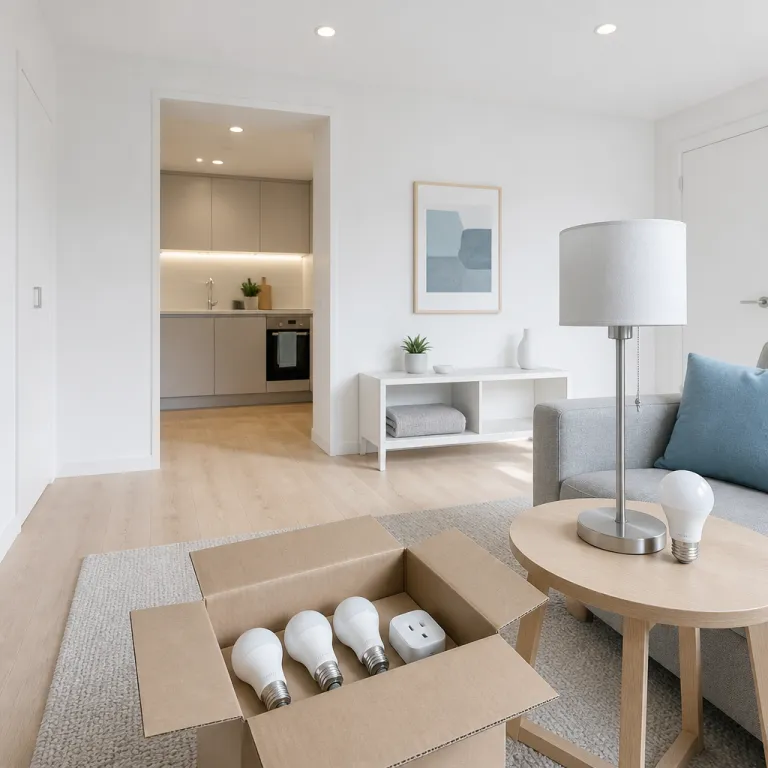
Why renters should think differently about smart bulbs and smart switches
Smart bulbs in a rental apartment change the rules for every renter. When you do not own the apartment, permanent changes to wiring or built in lighting can quietly threaten your deposit and your indoor security comfort. The smartest strategy is to treat every piece of smart technology as luggage that must either travel with you or leave no trace behind.
For most renters, smart bulbs beat smart switches because they avoid the plug wall box entirely. A smart bulb simply replaces an existing light bulb, while a smart switch usually needs an electrician, a neutral wire and sometimes approval from the landlord for any permanent changes. Smart bulbs also pair easily with smart devices such as smart plugs, smart thermostats and smart cameras, giving renters flexible control without touching the building’s security system or fixed wiring.
Smart switches still have a place, but mainly for long term renters who expect to stay. If your lease runs for several years and you control the apartment’s main lights, a well chosen smart switch can feel like the best smart upgrade for daily lighting. For everyone else, portable smart bulbs, battery powered motion sensors and renter friendly smart devices such as a doorbell camera or indoor security cameras will usually deliver better value and less stress at move out.
Smart bulbs versus smart switches: control, comfort and move out reality
When you compare smart bulbs with smart switches in a rental apartment, control is the first big difference. A smart bulb gives you app and voice control over each light, while the existing wall switch must stay permanently on for the bulb to remain smart. That is where the wall switch tape trick comes in, and it is the simplest renter friendly hack I have tested.
Place a small strip of black gaffer tape over the wall switch so nobody absent mindedly flips it off. This keeps power flowing to your smart bulbs, protects your lighting automations and avoids any permanent changes to the apartment, because the tape peels off cleanly when you leave. Pair that with a wireless remote such as a Philips Hue dimmer or a Lutron Pico mounted next to the original door switch using 3M Command strips, and you get physical control without touching the building’s electrical devices.
Smart switches, by contrast, usually require you to open the plug wall box and rewire the circuit. That can interfere with an existing security system, confuse smart smoke alarms or upset a landlord who does not want tenants altering fixed devices. For most renters, smart bulbs plus a few battery operated remotes, smart plugs for lamps and a compact smart plug for string lights or LED strips will feel like the best smart balance between comfort, control and a clean exit.
For more detail on choosing comfortable brightness and colour temperature for reading or relaxing, you can follow this practical guide to selecting the best smart lighting for bedside reading, which applies neatly to small rental bedrooms.
What actually travels with you: bulbs, strips, sensors and smart plugs
Every smart bulbs rental apartment renter should plan from day one which devices will travel to the next place. Smart bulbs are the obvious candidates, because they screw out in seconds and work in any standard lamp or ceiling light that you control. Focus on bulbs that join an open ecosystem such as Philips Hue, Ikea Dirigera or Apple Home rather than closed accounts that tie the light to a single app or Wi Fi hub.
LED strips are another renter friendly win when you mount them correctly. Ignore the adhesive that ships on most strips, because it often tears paint and leaves residue on the apartment walls or under kitchen cabinets. Instead, use 3M Command strips or clips so the lighting strips, string lights and even battery powered fairy lights can come down cleanly and move with you without risking your deposit.
Small smart devices such as motion sensors, contact sensors and smart plugs are also perfect for renters. Battery operated sensors from brands like Aqara or Eve stick to doors, windows or the fridge with removable pads, then peel off without marks when you leave. Smart plugs turn dumb lamps into smart lights, let you schedule a plug wall fan or a floor lamp and can even integrate with indoor security routines that flash the lights if smart cameras or security cameras detect motion at the door.
If you are choosing reflector bulbs for track lighting or compact fixtures, a focused guide to selecting the right GU10 LED globes for smart lighting will help you avoid dim or mismatched bulbs that you would not want to pack for the next apartment.
What should probably stay: switches, hardwired fixtures and security gear
Some smart devices feel tempting but rarely make sense for a short term rental apartment. Hardwired smart switches, recessed smart lights and integrated smart security systems usually require an electrician and landlord approval, and they blur the line between tenant property and building infrastructure. If you install a full smart security system with wired security cameras, a doorbell camera and a central hub, your landlord may expect those devices to stay for the next renters.
Battery powered gear gives you more freedom, especially for indoor security. A battery powered doorbell camera, battery operated smart smoke detector or portable smart cameras that sit on a shelf can all move with you, leaving only a couple of screw holes or a removable adhesive plate behind. The same logic applies to smart thermostats and Nest style heating controls, because many landlords treat those as permanent changes that must remain with the apartment once installed.
Think carefully before replacing any existing door hardware or wired lights with smart technology. A smart lock on the main door, a wired Nest camera or a built in smart light fixture may improve security and lighting, but they also complicate move out negotiations. For most renters, the best smart approach is to keep fixed devices simple, lean on portable smart bulbs, smart plugs, string lights and LED strips, and leave the next tenant a neutral, undamaged space that passes inspection easily.
When you weigh ecosystems, it is worth reading a clear analysis of how Matter has and has not reduced ecosystem lock in, because that directly affects whether your bulbs, plugs and cameras will still work smoothly in your next apartment.
Setting up renter friendly control: voice, apps and a clean exit plan
Control is where smart bulbs and smart switches intersect with daily life for every smart bulbs rental apartment renter. Voice assistants such as Google Assistant on a Nest Mini or Amazon Alexa on an Echo Dot give you hands free control of lights, smart plugs and some security devices without touching the walls. Because these speakers are portable, they move with you just like the bulbs, while hardwired hubs or panels usually stay with the apartment.
In a typical one bedroom apartment, I recommend grouping lights by room and by activity. Put ceiling bulbs, floor lamps and LED strips into scenes such as cooking, reading or video night, then link those scenes to voice commands and simple automations based on time or motion. Battery powered motion sensors near the bathroom door or hallway can trigger low level lights at night, improving safety and indoor security without waking anyone with full brightness.
Before you hand back the keys, run a clean move out checklist for all smart devices. Swap your original bulbs back into the fixtures, pack your smart bulbs, smart plugs, smart cameras and any portable security cameras, then remove all tape, 3M strips and wall mounted remotes. Finally, factory reset your smart technology in the app so the next renters do not inherit your schedules, and so your old apartment does not linger in your Google Home, Apple Home or Nest accounts as a ghost location.
Smart bulbs versus smart switches: which is best for different renters
Choosing between smart bulbs and smart switches in a rental apartment comes down to how long you will stay and how much you want to invest. For short term renters, smart bulbs, LED strips, string lights and portable smart devices such as smart plugs, smart cameras and battery operated sensors usually offer the best smart mix of comfort and portability. Long term renters who expect to renew the lease several times may justify a few smart switches in key rooms, but only with clear landlord approval and a written plan for what happens at the end of the tenancy.
Smart bulbs shine when you want flexible colour, dimming and per fixture control without touching the wiring. They integrate well with voice assistants, indoor security routines and even simple video automation, such as turning on the hallway light when a camera sees motion at the front door. Smart switches, by contrast, work better for whole room control with standard bulbs, but they blur ownership lines and can complicate both security and maintenance responsibilities between landlords and renters.
For most smart bulbs rental apartment renter situations, I recommend starting with bulbs, plugs and portable sensors, then reassessing after a full year of use. If you still feel limited, you can add a small number of renter friendly accessories such as wireless dimmers, battery powered remotes and non invasive door sensors that talk to your existing smart security setup. Rent does not mean you must accept dull lighting or weak security, it simply means designing a smart technology plan that respects the apartment, protects your deposit and lets your favourite lights come with you to the next place.
FAQ: smart bulbs and smart switches for renters
Are smart bulbs or smart switches better for a short term rental
For a short term rental, smart bulbs are usually better than smart switches. They install without wiring changes, work with most lamps and can be removed in minutes when you move out. Smart switches often require landlord approval and may need to stay in the apartment for the next tenant.
Can I use smart bulbs if my landlord forbids electrical work
Yes, because swapping a bulb is considered normal use rather than electrical work in most rentals. You simply replace the existing bulb with a smart bulb and keep the original in a box for move out. As long as you avoid rewiring switches or fixtures, you usually stay within typical lease rules.
How do I stop people turning off the wall switch for smart bulbs
The simplest method is to cover the switch with a small piece of removable tape. Many renters use black gaffer tape or a labelled cover to remind guests not to flip the switch. You can then mount a wireless remote or dimmer nearby to provide physical control without touching the original switch.
What smart devices are easiest to take to my next apartment
Smart bulbs, smart plugs, LED strips, portable smart speakers and battery powered sensors are the easiest to move. These devices do not require permanent installation and usually attach with screws or removable adhesive. Hardwired switches, thermostats and built in security cameras are much harder to relocate cleanly.
Do smart bulbs affect my apartment’s security system
Smart bulbs themselves rarely interfere with an existing security system, because they only replace the light source. Problems arise when tenants start rewiring switches, replacing door hardware or adding hardwired cameras that tie into the building’s infrastructure. If your apartment already has a monitored security system, keep your upgrades to portable, battery powered devices that do not touch the central wiring.