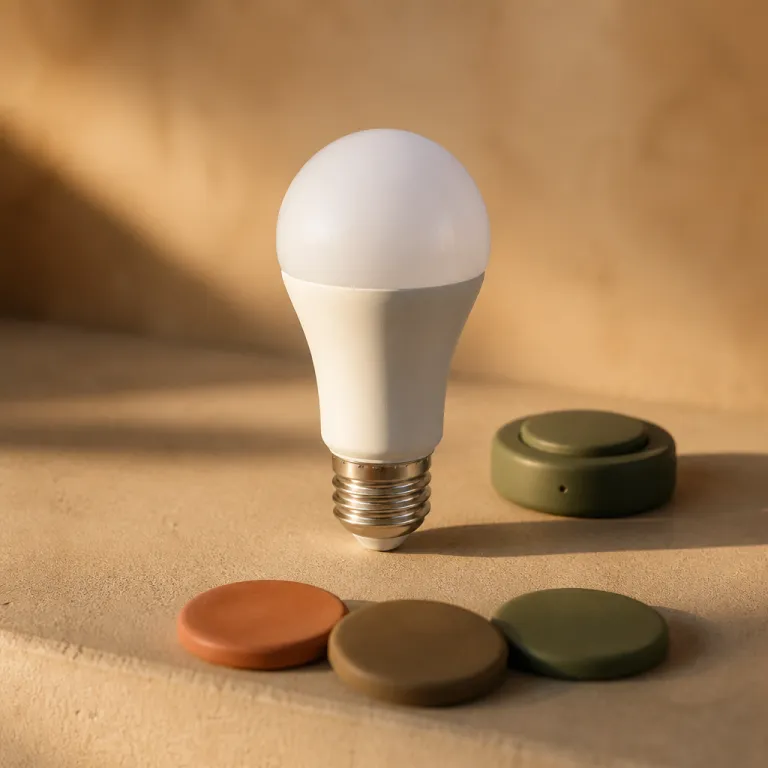
Why led light colors meaning matters more than you think
Every LED light in your home quietly shapes how you feel. When people understand what different LED light colors mean, they start to see lighting as a tool rather than a background detail. A smart, guide-led approach helps you choose hues and dimming options that truly match each space.
Engineers define each light color by its color temperature in kelvin (K), which describes how warm or cool the white light appears. At the same time, designers think in terms of the visible spectrum, balancing red, blue, and green LEDs to create specific moods and practical effects. This is why LED lighting now replaces many incandescent bulbs, giving people precise control over both brightness and color tone.
In everyday rooms, people mainly notice whether an LED lamp feels warm white, natural white, or cool white. Warm white and yellow light tend to feel softer and calmer, while a very white cool tone can make a space look sharper and more clinical. Understanding these differences in light color meaning is the first step before you choose any smart LED bulbs or dimming system.
From warm white to cool white: how color temperature changes a room
Color temperature, measured in kelvin (K), tells you whether a white light looks warm, neutral, or cool. A warm white LED light around 2700–3000 K mimics traditional incandescent bulbs and adds a gentle yellow light glow. Many people prefer this light color in living rooms, bedrooms, and relaxed spaces where they unwind.
Move up to 3500–4000 K and you reach natural white, which balances warm and cool tones for flexible spaces. This white light works well in kitchens, home offices, and multipurpose rooms where people need clarity without harshness. In a dedicated hobby room or man cave space, a natural white or slightly cool white LED lighting setup can keep colors accurate while still feeling comfortable, and a detailed guide to choosing the perfect man cave light for your space can help refine those choices.
Above 4000 K, cool white and very white cool LEDs create a crisp, energetic effect. This type of LED light suits garages, workshops, and task-heavy spaces where people need strong contrast and focus. When you compare several LED lamps, always check both the stated color temperatures and how the colors look on your own skin and furniture.
Understanding colored leds: red light, blue light, and beyond
Smart LED lights can shift across many colors, but red light and blue light deserve special attention. Red LED options often feel cozy and intimate, while deeper red light can also support certain light therapy devices used for skin treatments. In contrast, saturated blue light feels cooler and more alert, which can be helpful in short bursts but disruptive late at night.
Manufacturers create these colors by mixing different LEDs across the spectrum, sometimes combining red, green, and blue channels with a separate white light channel. Full-color light systems let people choose precise light colors for games, films, or focused work, while simpler tunable white systems only move between warm white and cool white. Before paying extra for full-spectrum features, it is worth reading a careful comparison such as this analysis of tunable white versus full-color RGB lighting.
For most homes, a mix of tunable white and a few full-color LED lamps gives enough flexibility. People often use colored LEDs at low brightness to accent architectural spaces, highlight art, or create a calm corner for evening light therapy sessions. When you experiment with LED color meanings in practice, keep brightness low at first and notice how each shade changes the feeling of the space.
Buying guide led: how to choose colors and dimming for each space
Choosing LED lighting starts with the function of each space, not the app features. In a bedroom, people usually want warm white or soft yellow light on dimmers, with perhaps a gentle red LED option for late night use. A flexible, guide-led approach means pairing dimmable white light for daily tasks with subtle colors for mood.
In kitchens and home offices, natural white or slightly cool white light colors keep work surfaces clear and colors accurate. Look for LED lights that specify both color temperature and dimming range, because some cheaper LEDs flicker or shift color when dimmed. For living rooms, a tunable white light color system that moves from warm to white cool can adapt from relaxed evenings to bright cleaning sessions.
Smart LED light ecosystems now let people group lights by rooms and scenes, which simplifies daily use. When you compare LED lighting brands, pay attention to how smoothly they dim, how consistent the white light looks between bulbs, and whether colored LEDs match across fixtures. If you plan to use voice control or automation, consult a dedicated overview of top smart lights with voice control to ensure your chosen system integrates cleanly.
Health, skin, and light therapy: using led light wisely
People increasingly ask how LED light colors meaning connects to health, sleep, and skin care. White light with a strong blue light component in the evening can delay sleep, while warmer yellow light and red light tend to be less disruptive. This is why many smart LED lights now offer evening modes that shift the light color toward warm white as bedtime approaches.
Light therapy is a separate field that uses carefully controlled spectrum and intensity for specific conditions. Medical-grade light therapy devices for seasonal affective disorder usually rely on bright white light around 10,000 lumens at a defined color temperature and minimal ultraviolet output, as described in clinical guidance from the Mayo Clinic. By contrast, cosmetic red LED panels for skin treatments use narrow-band red light or near infrared wavelengths, and they should be used according to manufacturer and clinician guidance.
In normal homes, the main health priority is managing exposure to intense blue light at night. People can set LED lighting scenes that reduce cool white and white cool tones after sunset, while keeping enough white light for safety and comfort. When you adjust your smart lights, think about how each space supports your daily rhythm, from bright natural white in the morning to softer colors and lower heat output in the evening.
Practical checks before you buy: spectrum, heat, and real world comfort
Before committing to any LED lights, test how they feel in your own spaces. A bulb that looks perfect in a store can cast a very different white light on your walls, furniture, and skin at home. Bring home a single LED light first, then check the light color at different dimming levels and times of day.
Modern LEDs run cooler than incandescent bulbs, but they still generate some heat at the base and in enclosed fixtures. Good LED lighting design manages this heat so that color temperatures stay stable and the LEDs last longer. When you compare products, look for clear information about spectrum, color temperature ranges, and whether the manufacturer specifies how the light colors shift over time.
People should also consider how different colors interact with paint, fabrics, and artwork in each space. Warm white and yellow light can flatter wood and skin tones, while very cool white or strong blue light may emphasize imperfections. By paying attention to these subtle effects, you turn a simple guide-led checklist into a thoughtful strategy for every room, using LED color meaning as a practical design tool rather than a marketing slogan.
Key figures about led lighting and color choices
- Many residential LED lights are sold between 2700 and 4000 K, because this color temperature range covers most living spaces from warm white to natural white.
- Studies on workplace lighting show that cool white light around 4000–5000 K can improve visual clarity for detailed tasks compared with warmer yellow light at the same brightness; for example, laboratory and office experiments reported in journals such as Lighting Research & Technology and Ergonomics describe better performance and alertness under higher correlated color temperatures.
- Energy agencies report that LEDs use significantly less power than incandescent bulbs, while also offering more precise control over spectrum and light colors for both comfort and efficiency; for instance, U.S. Department of Energy fact sheets on LED efficacy and European Commission energy-efficiency reports both publish comparative data on output and lifetime.
- Clinical guidance on light therapy from organizations such as the American Academy of Dermatology and the Mayo Clinic notes that red light devices for skin concerns should follow tested treatment protocols, including limits on exposure time, distance from the skin, and eye protection.
- Consumer surveys consistently find that people prefer warmer light color in bedrooms and living rooms, while choosing neutral or cool white light for kitchens, bathrooms, and workspaces; many popular A19 LED bulbs, such as 800-lumen, 90+ CRI models at 2700 K, are designed specifically to match these preferences.
FAQ about led light colors meaning and smart choices
What is the best color temperature for a bedroom
Most people find a warm white LED light between 2700 and 3000 K most comfortable for bedrooms. This range gives a gentle yellow light that relaxes the eyes and flatters skin tones. Pairing this light color with dimming lets you reduce brightness in the evening without switching to harsh colors.
Are colored leds good for everyday lighting
Colored LEDs such as red light or blue light are better for accents than for main lighting. For daily tasks, a stable white light in natural white or warm white is usually easier on the eyes. Many people use color light scenes at low brightness for mood, while relying on white light for reading, cooking, and work.
How do I choose between tunable white and full color led lights
Tunable white LED lighting lets you shift between warm white and cool white, which covers most practical needs. Full-color LED lights add saturated colors across the spectrum, useful for entertainment, gaming, or decorative spaces. If budget is limited, start with tunable white in key rooms, then add a few full-color lights where playful colors matter most.
Does blue light from leds damage skin
Normal household LED lights emit blue light within safety standards, and brief exposure is not considered harmful to skin. The main concern with blue light is its effect on sleep when used at high brightness late at night. For any intensive light therapy on skin, people should use certified devices and follow professional guidance.
Why do some led bulbs make my room look too cold
If a room feels cold, the LED light color temperature is probably too high, often above 4000 K. Cool white and white cool tones emphasize blues and grays, which can make spaces feel less cozy. Switching to a lower kelvin warm white or natural white bulb usually restores a more welcoming atmosphere.
