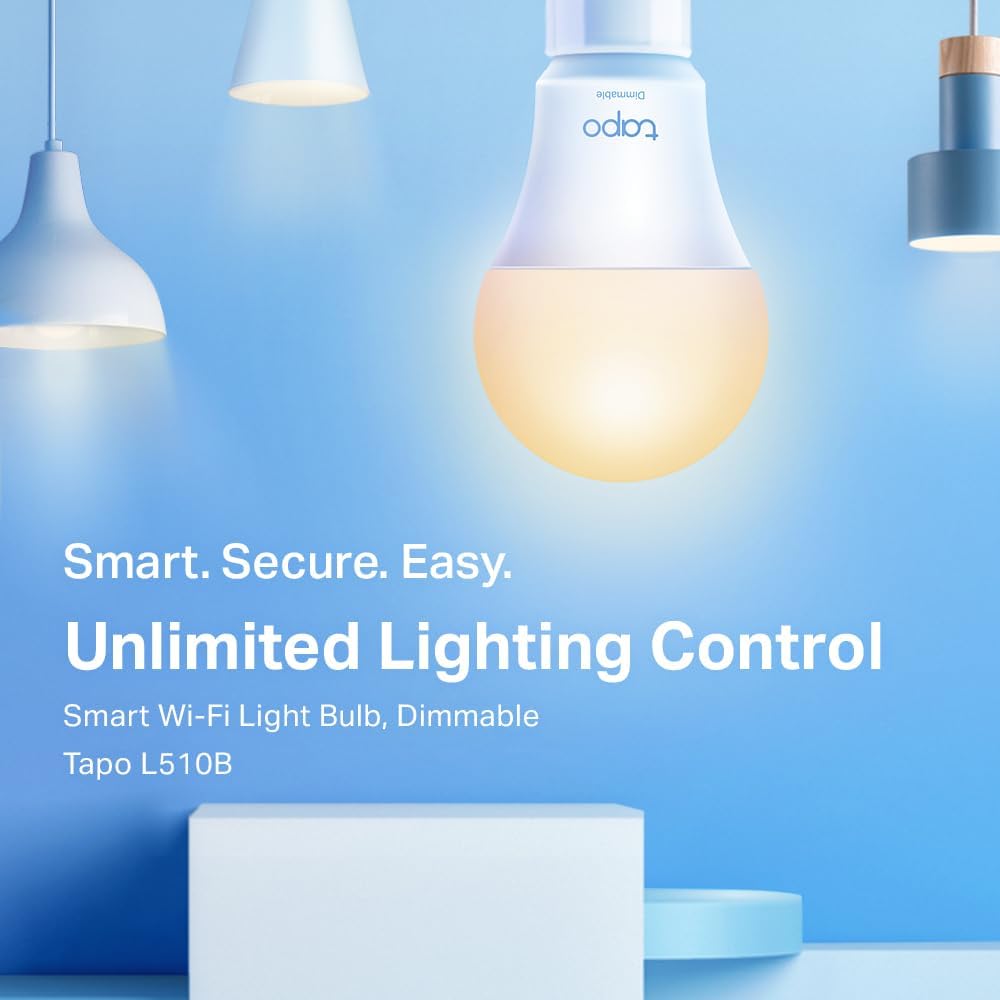
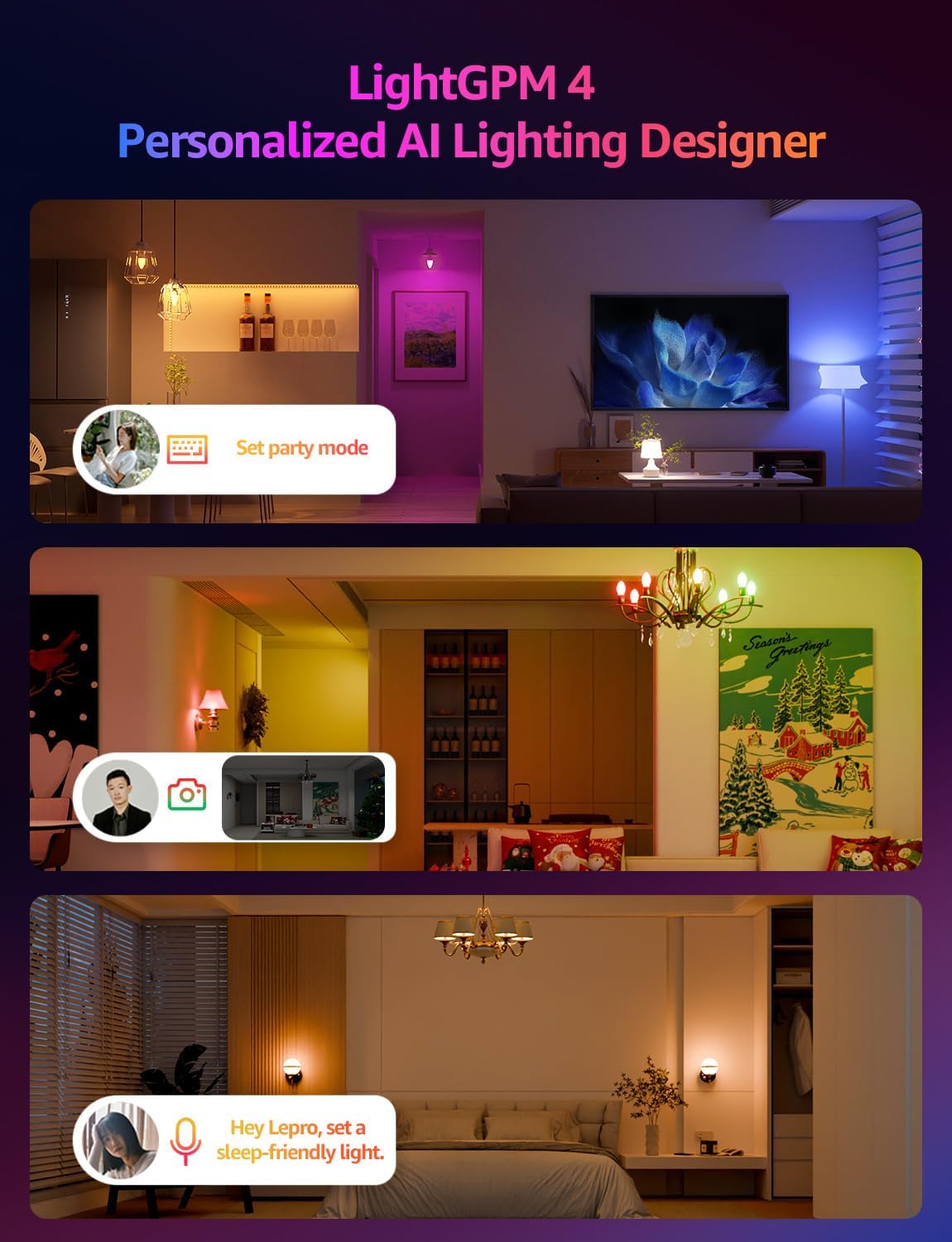
How to choose the best smart lights with voice control
Choosing among the top smart lights with voice control starts with checking which ecosystems your home already uses. If you already own an Amazon Echo or other Alexa speaker, then prioritise every smart bulb and LED strip that is clearly compatible with Alexa and that also works with both Alexa and Google ecosystems if you plan to mix platforms later. People who rely on Google Assistant or Apple Home should verify that each smart light or smart LED product they buy is compatible with their preferred hub before looking at any other options.
Next, compare the list price, typical street price, and any Prime Day discounts for each pack of bulbs or individual light bulb, because long term value matters more than a single promotion. A four pack of smart bulbs with adjustable color temperature and bright white modes may cost more upfront but often replaces several older light bulbs and reduces energy use. When you read buying guides that claim to rank the best smart lights with voice control, use a clear decision framework such as the one explained in this smart bulb decision guide so that marketing claims do not overshadow real performance.
Finally, look closely at how easy each product is to install and reset, because troubleshooting can otherwise become frustrating. A standard E27 smart bulb that screws into existing fittings and connects in under five minutes will suit most living room and bedroom lamps. More advanced users might prefer modular LED strip kits or recessed smart light bulbs, but the same rule applies, since the best smart lights with voice control are the ones you can maintain without calling a technician.
Voice platforms, compatibility and ecosystem lock in
Behind every smart light that responds to your voice, there is a platform deciding how commands travel from Alexa or Google Assistant to the bulbs. Products that are compatible with several ecosystems, such as those that work with Amazon Alexa, with both Alexa and Google, and with Apple Home, give you more freedom to change assistants later. When a smart bulb only works with one brand, you risk rebuilding your entire list of devices if you ever switch platforms.
Many of the best smart lights with voice control now support open standards that aim to reduce this lock in, but real world results are mixed. Some brands of smart LED bulbs and LED strip kits still reserve advanced color changing scenes or dynamic effects for their own apps, even when the basic on and off commands work with multiple assistants. Analyses of ecosystem changes, such as those discussed in this article on the limits of universal smart home standards, show that buyers should still check compatibility tables carefully.
For most households, the safest path is to build around one main assistant while keeping an eye on cross platform support. If you start with Amazon Alexa, choose smart bulbs and light bulbs that clearly state they work with Alexa and also list support for other systems on the box. This way, your living room, kitchen, and hallway lights can follow you if you later add a different speaker or upgrade to a new hub without replacing every bulb.
Comparing leading brands and product types
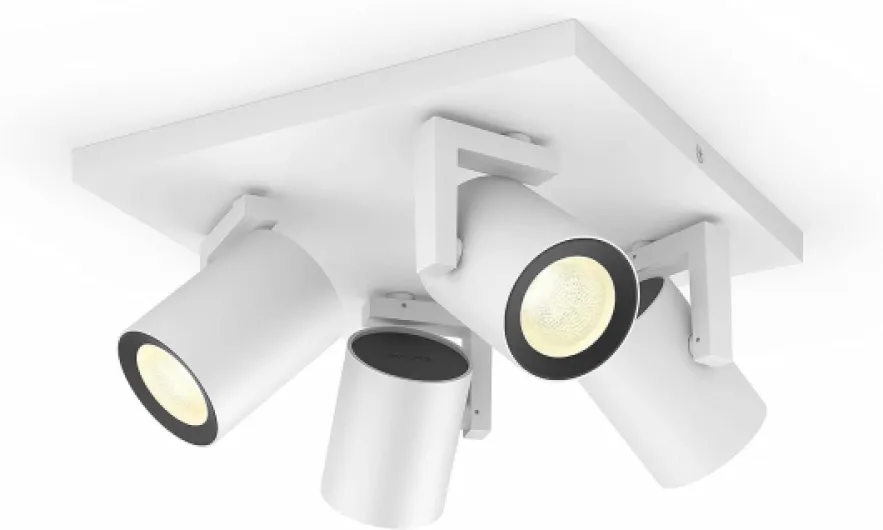
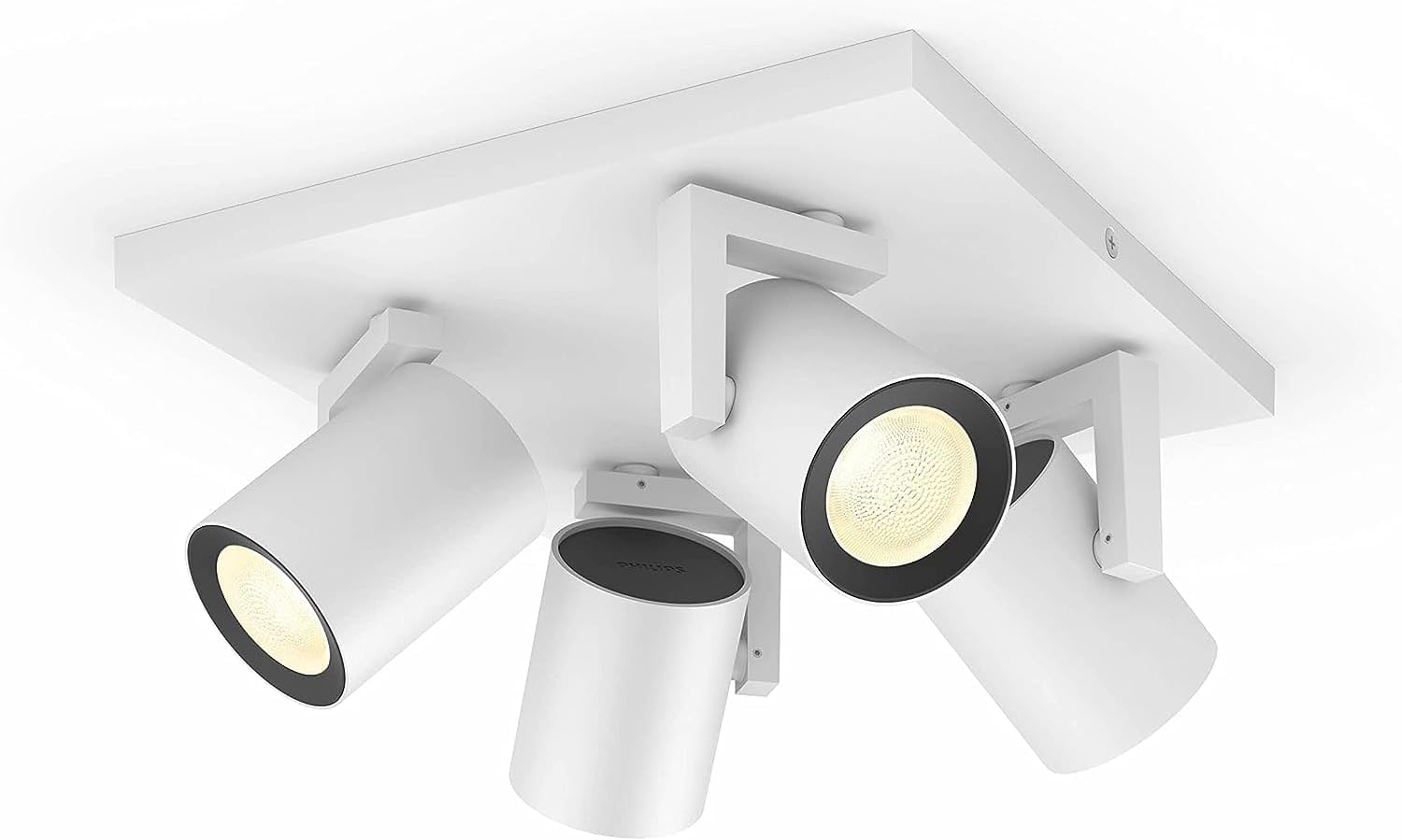
Among the best smart lights with voice control, Philips Hue remains the reference brand for reliability and rich features. Its smart bulbs and smart LED light strips offer precise color temperature control, deep color changing effects, and strong integrations that work with Amazon Alexa and other assistants. The higher list price of each bulb or starter pack reflects this maturity, but many users accept the premium for stable performance in key rooms such as the living room or home office.
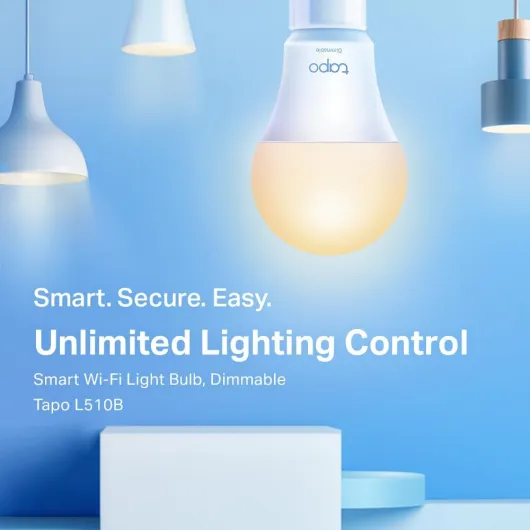
Budget focused brands on Amazon compete aggressively on price, often selling a multi pack of LED bulbs that are compatible with both Alexa and Google assistants and basic voice control. These bulbs usually connect directly over Wi‑Fi, which makes them easy to set up but can crowd weaker routers when many lights share the same network. When comparing such options, check whether the light output in lumens, the quality of white modes, and the smoothness of dimming match your expectations, not just the headline color changing feature.
Strip lighting and accent fixtures add another layer to your smart light list, especially for media rooms and gaming setups. A flexible LED strip behind a television or under cabinets can create indirect light that reduces eye strain while still responding to the same voice commands as your ceiling bulbs. The best smart lights with voice control in this category are those that work with your existing smart bulb scenes so that a single phrase can adjust both overhead light bulbs and subtle accent lights together.
Practical setups for each room and daily routine
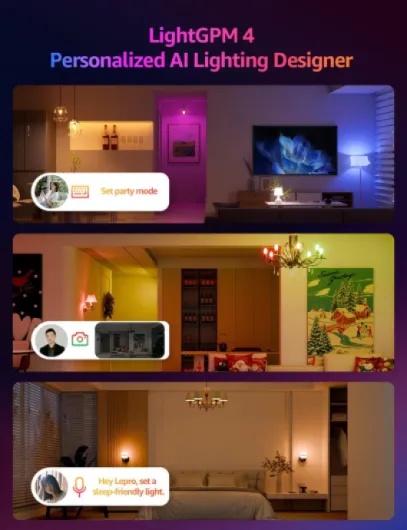
Planning room by room helps you turn a random list of gadgets into a coherent smart light system. In the living room, combine a bright ceiling light bulb with two or three smart bulbs in floor lamps so that you can switch between a clean white scene for chores and a warm color temperature scene for films using only voice control. Adding a short LED strip behind the TV or along a shelf completes the effect without overwhelming the space.
Bedrooms benefit from softer lights and simple routines that are easy to trigger when you are tired. A pair of bedside smart bulbs that work with Amazon Alexa or with both Alexa and Google assistants can fade from warm white to darkness over twenty minutes, helping your body wind down without harsh switches. In the morning, the same bulbs can gradually increase brightness while a smart LED strip under the bed provides low level light for early starts without waking a partner.
For kitchens, halls, and bathrooms, focus on reliability and quick response rather than dramatic color changing scenes. Choose standard shapes of light bulbs that fit existing fixtures, verify that each smart bulb is compatible with your preferred assistant, and test that commands like "turn on the hall light" work every time. When the best smart lights with voice control behave predictably in these functional spaces, you will trust them more for creative scenes elsewhere in the home.
Buying smart lights online: pricing, packs and delivery
Online marketplaces such as Amazon make it simple to compare many smart light products, but the variety can feel overwhelming. Start by filtering for bulbs and LED strip kits that clearly state they work with Amazon Alexa or with both Alexa and Google assistants, then sort by customer ratings rather than only by list price. Pay attention to whether the price shown is for a single bulb or for a multi pack, because this changes the real cost per light significantly.
Many brands adjust prices around major events such as Prime Day, when the best smart lights with voice control often drop well below their usual list price. During these periods, you might find a starter pack of Philips Hue bulbs or a bundle of smart LED strips and light bulbs that includes extra accessories for little more than the cost of individual items. Always check the estimated delivery time and return policy, since a slightly higher price from a seller with fast delivery and clear support can be worth the difference.
Once your order arrives, keep the packaging and quick start guides until every smart bulb and LED strip is installed and tested with voice control. If setup is not as easy as promised or a bulb is not compatible with your assistant despite the description, use the return window rather than forcing a poor fit into your system. Over time, this careful approach builds a curated list of the best smart lights with voice control in your home, instead of a drawer full of unused gadgets.
Key statistics on smart lights and voice control adoption
- According to data from the International Energy Agency, lighting accounts for roughly 15 % of global residential electricity use, which makes efficient LED and smart bulbs a significant lever for reducing household energy consumption. The IEA highlights this share in its residential energy use indicators, updated regularly in its online statistics database.
- Market research from Statista reports that smart lighting revenue worldwide exceeded 10 billion euros recently, reflecting rapid adoption of smart light bulbs, LED strip kits, and connected switches in both new builds and renovations. The Statista smart home lighting segment shows this growth trend in its latest annual report.
- Surveys by major voice assistant providers show that lighting is consistently among the top three most used voice control categories, alongside music and timers, which confirms that the best smart lights with voice control deliver everyday value rather than niche novelty. Usage breakdowns published in assistant transparency reports repeatedly place lighting scenes near the top of common commands.
- Energy Star data indicates that certified LED light bulbs use up to 75 % less electricity than traditional incandescent bulbs and can last up to 25 times longer, which offsets the higher upfront price of many smart LED products over their lifetime. The Energy Star product finder and consumer fact sheets summarise these efficiency and lifetime comparisons.
References
- International Energy Agency – Residential lighting energy use data, IEA Energy Efficiency Indicators for Buildings (latest edition).
- Statista – Global smart lighting market revenue figures, Smart Home Report: Smart Lighting segment (latest edition).
- Energy Star – Efficiency and lifetime comparisons for LED light bulbs, ENERGY STAR Certified Light Bulbs product finder and consumer fact sheets (accessed 2026).