Voice assistants, apps, and ecosystems that shape smart wall lighting
Once you know the type of wall lights you need, the next decision is ecosystem. Many of the best smart wall lights are designed to work with Amazon Alexa, Google Assistant, or both, and some also support Apple Home and Matter for broader compatibility. If you already use an Echo or Nest speaker, choose smart light products that clearly state they work with Amazon Alexa or that they work with Google Assistant to avoid frustration later.
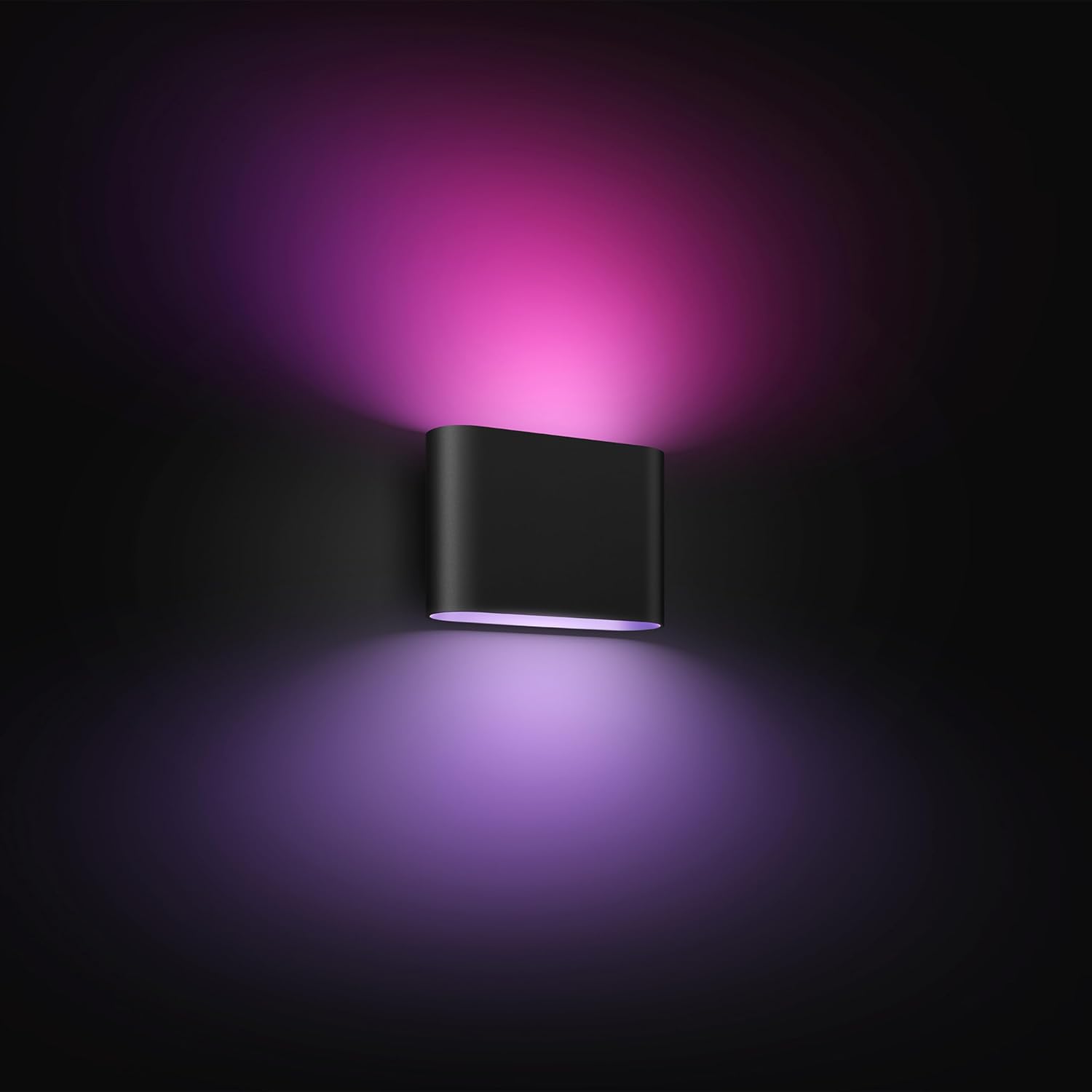
For example, Philips Hue wall lights and light strip kits often require a Hue Bridge for full functionality. With that bridge in place, your smart LED wall light can respond to Alexa or Google voice commands, integrate with a Hue Sync Box for TV bias lighting, and join complex scenes that mix ceiling lights, table lamps, and outdoor wall fixtures. Without the Hue Bridge you may still control some Hue products over Bluetooth, but you lose advanced automations and multi room sync.
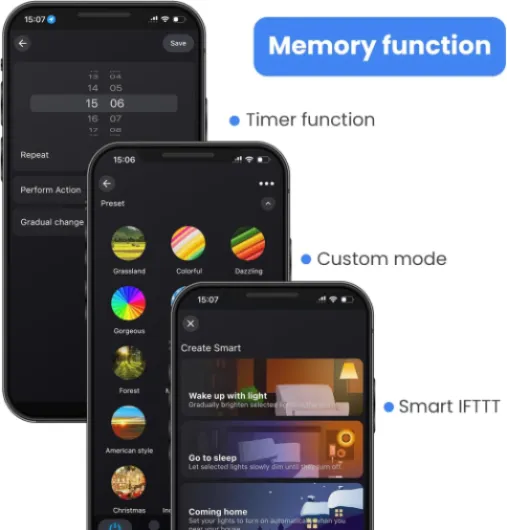
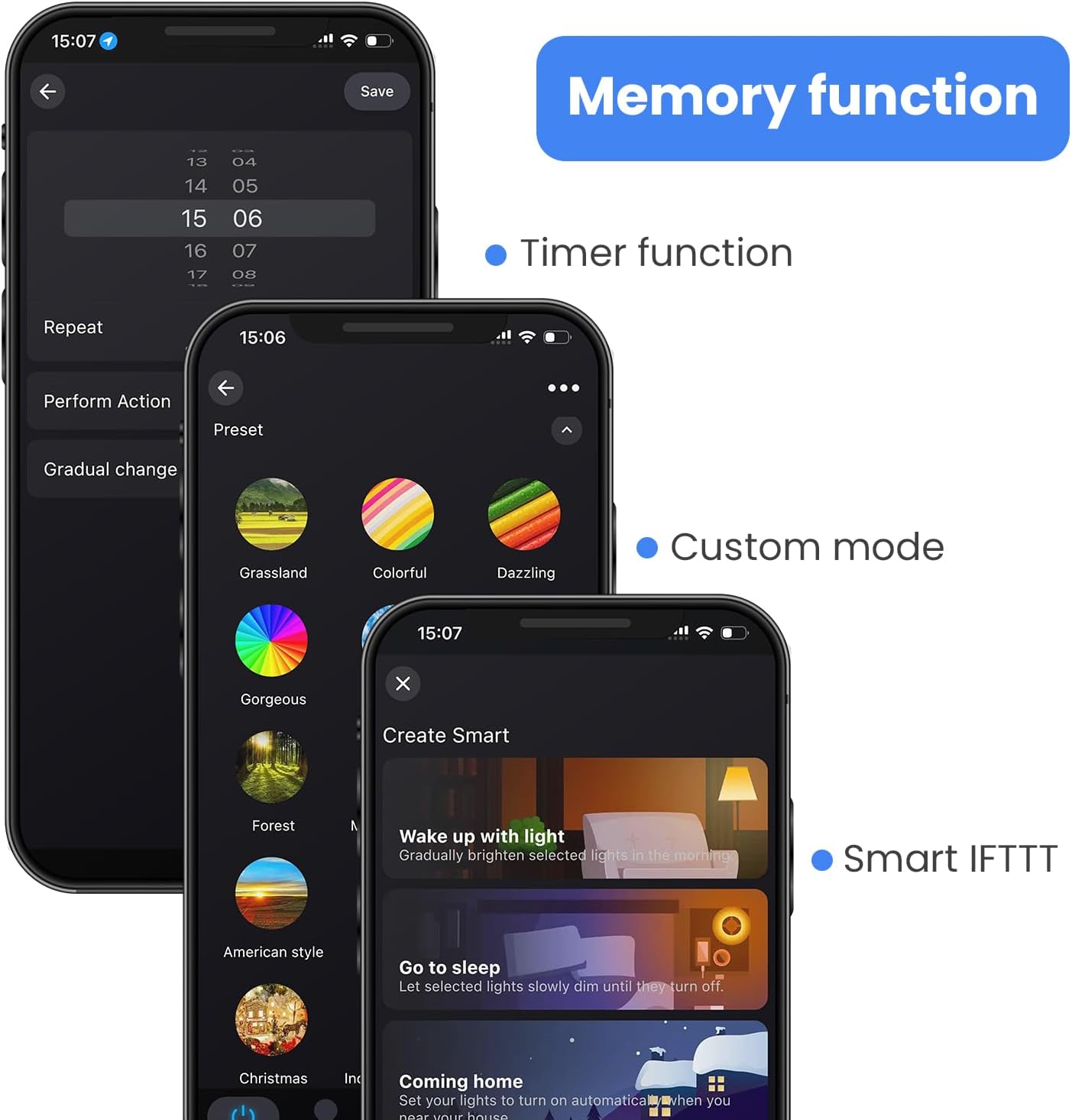
Govee smart wall lights take a different approach. Many Govee LED wall panels and light strip products connect directly over Wi Fi, offering music sync, camera based color sync, and rich scene libraries inside the Govee app without needing a separate hub. These smart lights often support Alexa and Google Assistant as well, so you can ask Amazon Alexa or Google Assistant to dim the living room wall light or change its color to warm white.
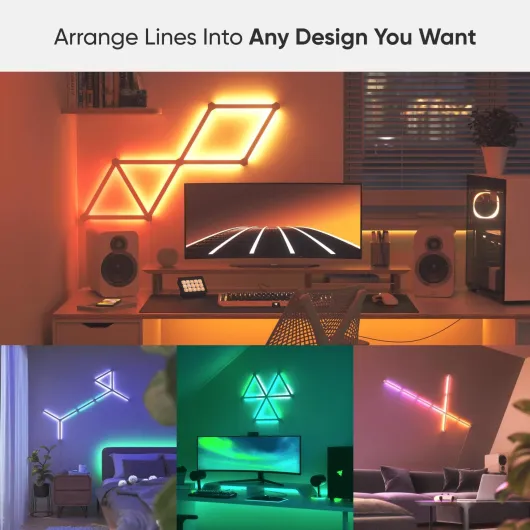
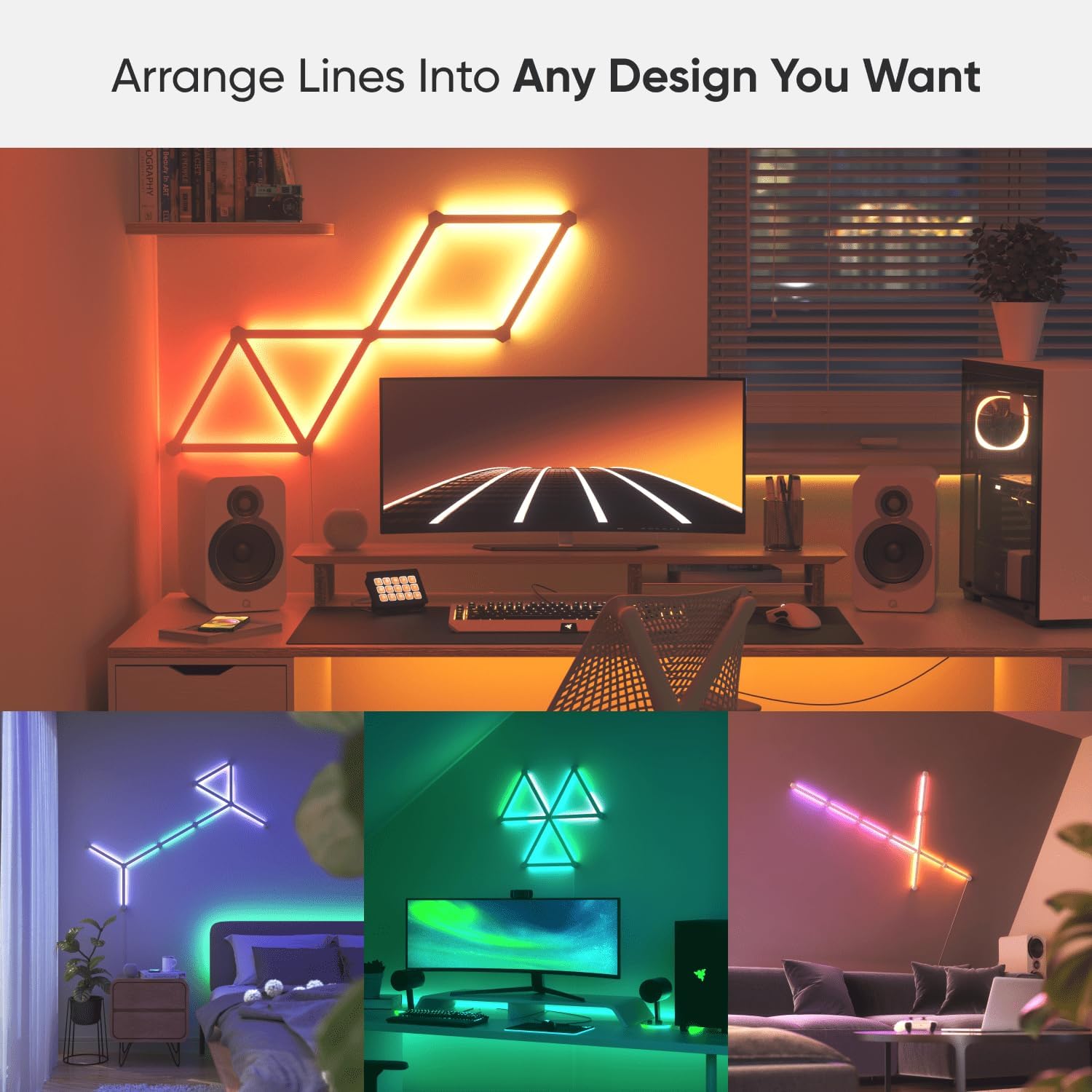
Nanoleaf panels and lines sit somewhere between décor and lighting. Their modular wall lights create geometric patterns that double as art, while the smart LED control allows dynamic color scenes, touch gestures, and music sync effects. Many Nanoleaf products now support Matter, which means a single set of panels can appear in multiple apps and respond to both Alexa and Google Assistant routines.
If you are building a new smart wall lighting setup from scratch, consider starting with the ecosystem rather than a single product. A focused Alexa smart lighting setup, for instance, can combine Philips Hue wall lights, Govee light strip accents, and Nanoleaf panels while still responding to one set of voice commands. For a deeper look at how different bulbs and wall lights behave with Echo speakers, see this detailed guide to the best smart bulbs for Alexa in a multi room setup at Alexa focused smart lighting tests.
When you compare ecosystems, think in terms of pros and cons rather than brand loyalty:
- Alexa centric homes: Excellent voice control, wide device support, strong routines, but some advanced lighting effects still require brand apps.
- Google Assistant setups: Natural language control and good scene handling, though certain niche smart wall lights appear later on Google than on Alexa.
- Matter first approach: Easier multi platform control and less lock in, but early firmware can feel rough and not every feature is exposed through Matter yet.
Comparing leading brands for the best smart wall lights
When people talk about the best smart wall lights, three names dominate the conversation. Philips Hue, Govee, and Nanoleaf each offer smart light products that cover LED wall fixtures, wall mounted panels, and flexible light strip kits. The right choice depends on how much you value color quality, ecosystem depth, and price.
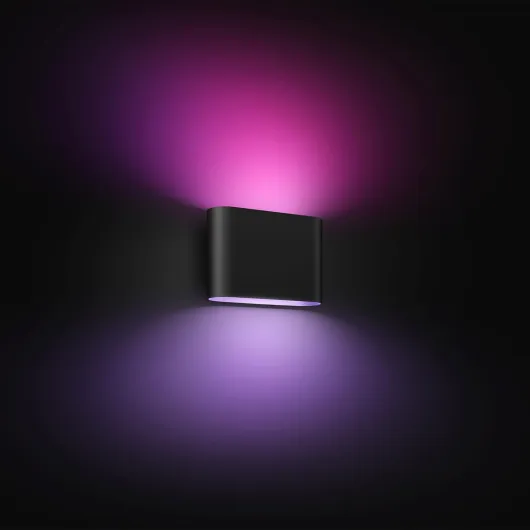
Philips Hue wall lights and outdoor wall fixtures are built around reliability and ecosystem maturity. With a Hue Bridge, your wall light becomes part of a low latency Zigbee mesh that keeps working even when Wi Fi is unstable, and the Hue app offers refined control over color temperature, white tones, and scenes. Hue products also integrate tightly with Amazon Alexa, Google Assistant, Apple Home, and many third party platforms, especially when paired with a Hue Sync Box for entertainment lighting.
Govee focuses on high impact visuals and aggressive pricing. Its smart LED wall lights, light strip kits, and music sync bars often cost less than comparable Hue products while offering more dramatic color effects. The trade off is that Govee relies on Wi Fi and cloud services for many features, so your smart lights may feel less responsive if your network is congested or if the internet connection drops.
Nanoleaf occupies the design forward end of the market. Its panels and lines turn a plain wall into a sculptural light installation, with each panel acting as an individually addressable LED light that can shift color in sync with music or on screen content. Nanoleaf products now support Matter and work with both Alexa and Google Assistant ecosystems, which helps reduce the old problem of ecosystem lock in that many smart wall buyers used to face.
That said, Matter has not completely erased ecosystem boundaries. Some advanced features, such as Hue entertainment sync or Govee camera based color matching, still require the brand’s own app and sometimes extra hardware. For a deeper analysis of how Matter changed smart lighting ecosystems and what it means for wall lights, see this investigation into ecosystem lock in and Matter at the reality of Matter in smart lighting.
To translate these differences into buying decisions, it helps to think in terms of quick pros and cons for each major brand:
- Philips Hue smart wall lights
Pros: Excellent color consistency, fast Zigbee or Thread response, strong outdoor range, long term software support.
Cons: Higher upfront cost, full features require a Hue Bridge and sometimes extra accessories.
- Govee smart LED wall lights
Pros: Striking music sync effects, competitive pricing, hub free Wi Fi setup, frequent app feature updates.
Cons: Heavier reliance on cloud services, performance tied to Wi Fi quality, fewer hard wired wall fixtures.
- Nanoleaf wall panels and lines
Pros: Unique modular design, touch controls, Thread and Matter support on newer models, strong ambient scenes.
Cons: Primarily decorative rather than task lighting, installation takes more planning, indoor only for most kits.
Design choices for living rooms, bedrooms, and outdoor walls
Good design decisions turn the best smart wall lights into a subtle backdrop rather than a distraction. In a living room, start with a pair of mounted lights on either side of the sofa or TV, then add a light strip behind furniture or along shelves to soften shadows. This layered lighting approach lets you mix functional white light for reading with gentle color accents that sync with movies or music.
Bedrooms benefit from indirect LED wall lighting more than harsh downlights. A slim smart wall light above the headboard, combined with a warm white light strip under the bed frame, creates a floating effect that feels calm at night. You can then use smart light scenes to shift from bright white in the morning to amber tones before sleep, controlled by voice through Amazon Alexa or Google Assistant.
For hallways and staircases, safety comes first. Choose smart LED wall lights with good white output and consider adding motion sensors so the lights turn on automatically when someone walks by. If your ecosystem supports it, you can create Matter automations that dim these wall lights late at night while keeping enough light to guide people safely.
Outdoor wall lighting introduces extra constraints. Look for a product with a proper IP rating, robust housing, and support for low temperature operation if you live in a cold climate, because not all LED wall lights handle weather equally well. Philips Hue outdoor wall lights, for example, combine solid build quality with smart control, while some Govee outdoor wall and light strip kits offer vivid color for patios at a lower price.
Color choice matters as much as hardware. Cool white light feels crisp and works well for task areas, while warm white and soft color scenes suit relaxation zones like the living room or bedroom. Reserve intense color effects and music sync scenes for entertainment corners or gaming setups, so the rest of your wall lights remain comfortable for everyday use.
As you sketch your layout, keep a simple checklist in mind: avoid glare at eye level, use indirect light for relaxation, keep brighter fixtures near work surfaces or reading spots, and confirm that outdoor smart wall lights match your climate and mounting height.
Connectivity, Matter, and long term reliability of smart wall lighting
Behind every smart wall light sits a web of connectivity decisions that affect daily reliability. Some wall lights use Wi Fi, others rely on Zigbee or Thread, and more recent products support Matter to bridge ecosystems. Understanding these layers helps you avoid the frustration of unresponsive lights or broken automations.
Wi Fi based smart LED wall lights, common among Govee products and many Amazon brands, connect directly to your router. This makes setup simple and often keeps the price low, but it also means each light competes with phones, laptops, and streaming devices for bandwidth. In crowded apartments, too many Wi Fi wall lights can slow down both lighting control and your general internet experience.
Zigbee and Thread based systems, such as Philips Hue with a Hue Bridge or some Nanoleaf panels, move lighting traffic onto a dedicated mesh network. Your wall light then talks to the bridge or border router, which handles communication with Amazon Alexa, Google Assistant, and other platforms. This design usually delivers faster response, better range for outdoor wall fixtures, and more stable control when your main Wi Fi struggles.
Matter sits on top of these transport layers as a unifying standard. A Matter compatible smart wall light can appear simultaneously in multiple apps, so you might control the same LED wall product from both Alexa and Google Assistant without complex workarounds. However, advanced features like entertainment sync, music sync visualizers, or camera based color matching still depend on brand specific apps and sometimes extra hardware such as a Hue Sync Box.
For long term reliability, treat firmware updates as part of ownership. Check how often the brand updates its smart light products, whether it publishes security notes, and how it handles privacy for cloud connected lights. A thoughtful overview of how Matter has changed, but not fully solved, ecosystem lock in for smart lighting is available in this analysis of Matter and ecosystems at Matter and smart lighting ecosystems, which is particularly relevant if you plan to mix wall lights from several brands.
In practice, a mixed setup often works best: use Zigbee or Thread based smart wall lights for critical areas like hallways and outdoor entrances, then add Wi Fi based accent lights where occasional lag is less of a concern.
Practical buying guide for choosing the best smart wall lights
Turning research into a shortlist of the best smart wall lights requires a structured checklist. Start with the basics by confirming that the wall light fits your voltage, mounting style, and indoor or outdoor rating. Then verify that the product supports your chosen ecosystem, whether that is Amazon Alexa, Google Assistant, Apple Home, or a Matter enabled mix of platforms.
Next, examine brightness and color capabilities. A good smart LED wall light should list lumens, color temperature range for white light, and whether it supports full RGB color. For a living room or main corridor, aim for enough lumens to comfortably read under the wall lights, then rely on dimming and scenes to soften the lighting when you want ambience.
Control options deserve as much attention as raw specifications. Check whether the wall light offers physical switches, app control, voice control, and automation through schedules or sensors, because relying only on a phone app quickly becomes annoying. Many people find that a mix of traditional switches, smart buttons, and voice commands through Amazon Alexa or Google Assistant delivers the most flexible experience.
Price comparisons should account for hidden costs. A Philips Hue wall light may seem expensive compared with a budget Amazon brand, but the Hue Bridge, mature software, and optional Hue Sync Box can unlock features that cheaper products never match. On the other hand, Govee and Nanoleaf often provide more dramatic color effects and music sync features at a lower entry price, especially for decorative panels and light strip kits.
Finally, read user reviews with a critical eye. Focus on comments about long term reliability, app stability, and how well the smart lights integrate with other products in a real home, not just in marketing photos. Pay attention to whether people mention issues with Alexa or Google Assistant integrations, because those details reveal how polished the smart light experience will feel once the wall lights are part of your daily routine.
As you narrow your list, it can help to assign each candidate a simple score for brightness, ecosystem fit, design, and price, then choose the smart wall light that best matches how you actually live rather than the one with the longest spec sheet.
Balancing ambience, energy efficiency, and sustainability in smart wall lighting
Smart wall lights are not only about convenience and color; they also shape your energy footprint. Modern LED wall fixtures use far less power than old halogen or incandescent wall lights, especially when paired with dimming and occupancy based control. Over time, a well tuned smart light setup can reduce both electricity use and bulb replacement waste.
Energy efficiency starts with choosing quality LED products that specify lumen output and power consumption clearly. A bright smart LED wall light that delivers 800 lumens at around 8 to 10 watts is significantly more efficient than legacy options that needed 60 watts for similar brightness. When you combine that efficiency with schedules, motion sensors, and daylight responsive dimming, the savings in a living room or hallway can be substantial.
Ambience and sustainability can work together rather than compete. Warm white scenes in the evening, for example, often use lower brightness levels, which naturally cuts energy use while creating a more comfortable atmosphere. Color scenes and music sync effects do not have to run at full intensity either; many people find that 40 to 60 percent brightness on their wall lights feels more pleasant than maximum output.
Smart platforms also enable smarter behavior. You can program outdoor wall lights to turn off automatically at sunrise, or have indoor wall light scenes fade out when everyone leaves the house, using presence detection from phones or sensors. Matter compatible products make it easier to coordinate these behaviors across brands, so a Philips Hue wall light, a Govee light strip, and Nanoleaf panels can all respond to the same away routine.
Finally, consider longevity and repairability as part of sustainability. A slightly higher price for a well supported smart light ecosystem often means longer firmware support, better security, and fewer devices ending up as e waste after a short life. When you choose the best smart wall lights with these factors in mind, you create a lighting system that feels elegant today and remains responsible for years to come.
Where possible, favor brands that publish clear energy data, offer replaceable power supplies, and commit to multi year software updates, because those details often matter more than a small difference in headline brightness.
Key figures about smart wall lights and smart lighting
- According to the International Energy Agency, LED lighting accounted for more than half of global lighting sales recently, reflecting a rapid shift away from inefficient bulbs toward LED wall and ceiling products.[1]
- Studies from major utilities show that replacing halogen wall lights with LED smart light fixtures can cut lighting electricity use by up to 70 percent in typical homes, especially when combined with dimming and occupancy control.[2]
- Market research from firms such as Statista indicates that smart lighting, including smart wall lights and light strip kits, represents one of the fastest growing segments of the connected home market, with double digit annual growth over several consecutive years.[3]
- Consumer surveys consistently report that integration with Amazon Alexa and Google Assistant ranks among the top three purchase drivers for smart wall lights, alongside price and design, underscoring the importance of clear Alexa and Google compatibility.[4]
- Field tests by independent reviewers have found that Zigbee or Thread based smart wall lights, such as those using a Hue Bridge, often respond 30 to 50 percent faster than comparable Wi Fi only products when executing multi room scenes.[5]
[1] International Energy Agency, lighting market reports. [2] Utility efficiency program evaluations on LED retrofits. [3] Statista smart home and smart lighting market data. [4] Consumer smart home adoption surveys. [5] Independent smart lighting benchmark tests comparing Zigbee, Thread, and Wi Fi systems.