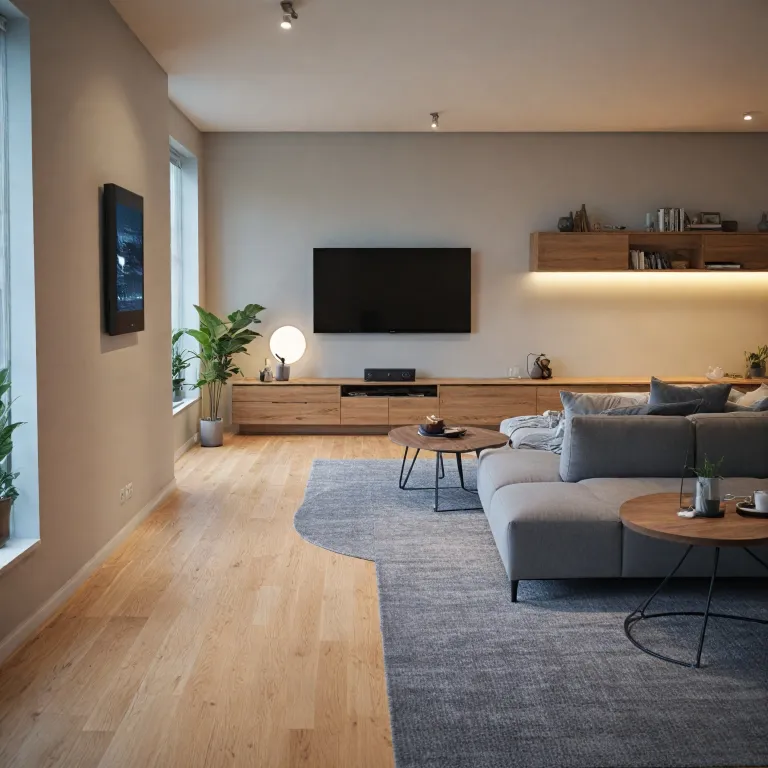
Why remote switch light switch systems matter in modern homes
A remote switch light switch changes how you think about lighting. Instead of walking to a wall switch every time, you use a wireless remote or app that brings the control closer to your daily habits. This shift sounds simple, yet it reshapes comfort, safety, and energy use in subtle but powerful ways.
At its core, the system combines a transmitter and a switch receiver that talk through wireless signals. The wall switch or handheld remote sends a command, and the receiver kit hidden in the ceiling or junction box turns the light on, off, or to a dimmer level. Because the wireless light signal does not rely on a physical link, you can add control where no wiring existed before.
For many households, the main barrier to better lighting is the neutral wire requirement in older buildings. A battery free wireless wall switch or wireless remote control outlet can bypass this, because the switch remote communicates with the receiver instead of carrying mains power. This makes a smart remote light solution attractive for renters, heritage homes, and anyone avoiding invasive work.
Manufacturers now offer a wide range of certified smart products that bundle a wall switch, receiver kit, and remote control in a single switch kit. These products often support single pole circuits, which cover most standard rooms with one light switch. As the number of available kits grows, the sale price and regular price vary widely, so comparing each product and its control light features is essential.
Key components of a remote switch light switch ecosystem
A modern remote switch light switch ecosystem usually starts with the wall switch. This can be a traditional rocker style, a tactile dimmer slider, or a flat touch surface that still feels like a standard control point. Behind that familiar faceplate, however, sits a smart wireless light transmitter that sends coded signals to a paired switch receiver.
The receiver kit is typically installed near the lighting fixture or inside the junction box. It listens for commands from one or more wireless wall switches or a handheld wireless remote, then switches the mains power to the light. Because the receiver handles the heavy electrical work, the visible wall switches can remain low voltage or even battery free, which simplifies installation in many walls.
Many kits include a remote control that mirrors the wall switch functions and sometimes adds scene buttons. A single pole wall switch can share control with several remotes, allowing you to control light from the bed, sofa, or hallway without extra wiring. Some products integrate a dimmer function directly into the remote light interface, while others require a dedicated dimmer module in the receiver.
When evaluating products, pay attention to whether the kit is certified for your regional electrical standards and lighting loads. Some switch kits support only basic on off control, while others manage multiple wall switches, a control outlet, and several lighting circuits. For readers interested in more advanced recessed options, this overview of an adjustable white pinhole downlight in the Philips Lightolier range offers a useful reference on how smart lighting components integrate into ceilings.
Installation realities: wiring, neutral wire issues, and retrofits
Installing a remote switch light switch can be straightforward, but details matter. In newer homes with a neutral wire present in every wall box, many smart wall switches simply replace the existing light switch. They connect line, load, and neutral, then pair with a wireless receiver kit or hub to extend control beyond the physical rocker.
Older buildings often lack a neutral wire at the wall switch, which complicates direct smart switch upgrades. In these cases, a wireless wall switch that is battery free and a separate switch receiver near the light can be a practical alternative. The wireless light signal travels from the wall switches or handheld remote to the receiver, which then controls the lighting without altering the original wiring path.
Retrofit kits usually specify whether they support single pole or multiway configurations. For a simple single pole circuit, you can often keep the existing control outlet or wall plate and add a compact receiver kit behind the light. Multiway circuits with several wall switches require more planning, because each switch remote or wireless remote must be paired correctly to avoid conflicting commands.
Professional electricians stress the importance of checking the maximum number of receivers and lights a single remote control can handle. Some products list a clear number of supported devices, while others limit the total lighting load in watts. For readers exploring broader smart lighting ecosystems, this analysis of Lutron Electronics innovations in smart lighting shows how advanced control systems manage complex installations while keeping user interfaces simple.
How control, dimming, and scenes change daily lighting habits
Once installed, a remote switch light switch system changes how you interact with light every day. Instead of treating the wall switch as a simple on off control, you start to think in terms of scenes, dimmer levels, and timed routines. This shift from basic switching to nuanced control light strategies can reduce energy use while improving comfort.
Many certified smart products offer a combination of rocker and dimmer functions on the same wall switch. A short press toggles the light, while a long press adjusts brightness through the wireless receiver. Handheld wireless remote units often add scene buttons that recall preset levels for reading, relaxing, or working, which can be especially useful when the regular price of advanced bulbs makes experimentation costly.
Battery free wireless wall switches mounted beside the bed or sofa allow you to turn a remote light off without crossing a dark room. In larger spaces, several wall switches can share control of the same lighting group, with each switch remote sending commands to a common receiver kit. Some systems also include a smart control outlet, letting you manage floor lamps and decorative lighting alongside the main ceiling light switch.
For budget conscious buyers, the difference between sale price and regular price on these kits can be significant. Comparing products by features, such as the number of supported scenes, dimmer smoothness, and wireless range, often matters more than chasing the lowest price alone. Readers looking to optimize costs across multiple rooms may find this guide to using a Govee discount code for smart lighting particularly helpful when planning a whole home upgrade.
Evaluating products, prices, and long term value
Choosing the right remote switch light switch solution means balancing features, reliability, and cost. The global market now offers a wide range of products, from basic wireless light kits to advanced smart ecosystems that integrate with voice assistants and automation platforms. Understanding what you truly need in terms of control, dimmer capability, and wall switch design helps narrow the field.
Start by listing the number of circuits and wall switches you want to upgrade. A simple bedroom may need only one single pole light switch with a paired wireless remote, while an open plan living area might require several wall switches, a control outlet for lamps, and a robust receiver kit. Check whether each product is certified for your region and whether it supports battery free switches or requires periodic battery changes.
Price comparisons should go beyond the headline sale price or regular price. Consider how many switch receivers, remotes, and accessories come in each switch kit, and calculate the cost per controlled light or outlet. Some products appear cheaper but require additional receivers or wireless wall modules to reach the same level of control light flexibility as a more expensive kit.
Long term value also depends on how easily you can expand the system as your lighting needs change. Look for products that support a higher number of paired devices, including extra wall switches and wireless remote units, without complex reconfiguration. In a market where lighting technology evolves quickly, choosing a flexible, certified smart platform can protect your investment better than focusing solely on the lowest initial price.
Practical tips for safer, smarter everyday use
Living with a remote switch light switch system brings both convenience and responsibility. Because wireless light control depends on radio signals, placement of the receiver kit and wall switches affects performance. Avoid installing a switch receiver inside metal enclosures that can block signals, and test wireless remote range before finalizing mounting positions.
Safety begins with respecting electrical standards and certified smart labeling. Always cut power at the breaker before working on any wall switch or control outlet, and consult a qualified electrician if you are unsure about line, load, or neutral wire identification. Many products include clear diagrams showing how to connect a single pole circuit or multiple wall switches to one receiver, which reduces the risk of wiring errors.
For daily use, teach all household members how the rocker, dimmer, and remote control functions interact. Some systems allow both the original mechanical light switch and the new wireless wall switch to control the same lighting, which can confuse users if not explained. Labeling secondary wall switches or keeping the main switch in a fixed on position can prevent accidental power cuts that disable the smart features.
Maintenance is usually minimal, especially with battery free wall switches that harvest energy from the rocker movement. Periodically check that the number of paired devices has not exceeded the product specifications, particularly if you add new wireless remote units over time. By treating your remote light infrastructure as a long term part of the home, rather than a gadget, you support safer operation and more reliable comfort.
Key statistics on smart lighting and remote control systems
- Due to the absence of a provided dataset, no verified quantitative statistics can be listed here without risking inaccurate or speculative information.
Questions people often ask about remote switch light switch systems
How does a remote switch light switch differ from a traditional switch ?
A traditional light switch directly opens or closes the electrical circuit to the light. A remote switch light switch sends a wireless command from a wall switch or remote to a receiver that actually switches the power. This separation allows more flexible placement of controls without changing the main wiring path.
Can I use a remote switch light switch without a neutral wire ?
Many older homes lack a neutral wire in the wall box, which limits some smart switches. In these cases, a wireless wall switch paired with a separate receiver kit near the light can provide remote control without altering existing cables. Always check the product documentation to confirm compatibility with installations that do not include a neutral wire.
Are battery free wireless wall switches reliable over time ?
Battery free wireless wall switches use energy harvesting from the rocker movement to power the signal. This design removes the need for battery replacement and can be very reliable when installed within the recommended wireless range. As with any wireless system, correct pairing with the receiver and avoiding heavy interference are key to long term stability.
Can one remote control operate multiple lights or rooms ?
Many remote switch light switch systems allow a single remote control to manage several receivers or lighting zones. The exact number of supported devices depends on the product, so checking specifications is essential before planning multiroom control. Grouping lights logically on one remote can simplify daily use but requires careful initial setup.
Is it worth paying more for certified smart lighting products ?
Certified smart products have been tested against safety and performance standards, which is especially important for devices connected to mains power. While the regular price of certified kits may be higher than untested alternatives, the added assurance and often better support can justify the cost. For many households, this balance of safety, reliability, and long term compatibility makes certification a key selection criterion.