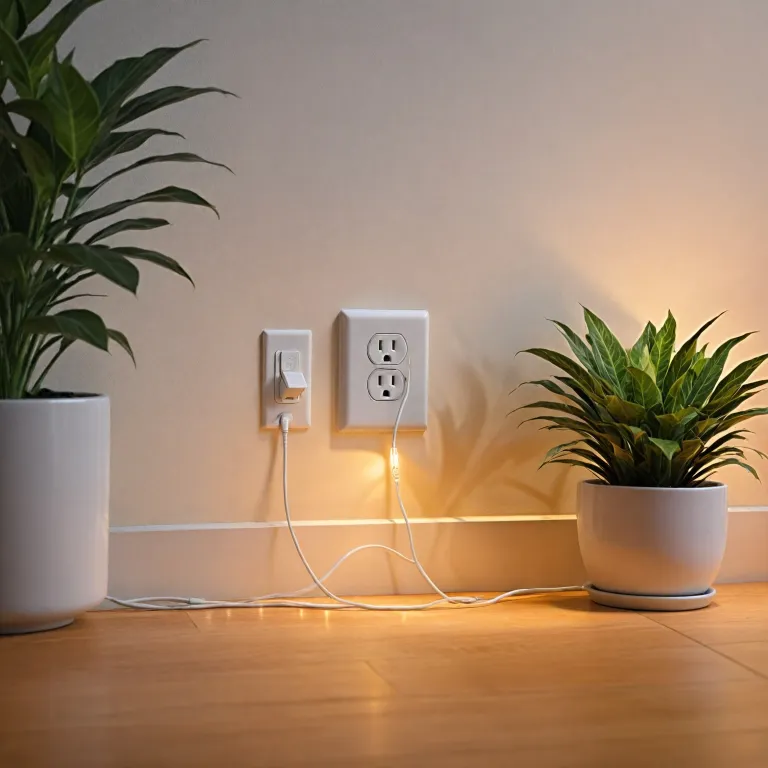
Understanding what a tamper proof outlet really is
To understand what a tamper proof outlet is, start with the basic design of modern electrical outlets. A tamper resistant outlet, often called a safety tamper outlet, looks like a standard electrical outlet but hides internal shutters that block access to the live contacts. These shutters only open when a proper plug with two or three prongs is inserted evenly, which prevents children from pushing foreign objects into the electrical receptacles.
When people ask what tamper protection means, they are really asking how these resistant receptacles reduce electrical safety risks. The answer lies in the spring loaded mechanism inside the resistant outlet, which keeps the shutters closed until equal pressure is applied on both slots by a plug. If children try to insert objects like keys, hairpins, or toy parts into one slot, the shutters remain locked and the outlet tamper feature stops them from being able to contact live parts.
In many regions, the national electrical and local building regulations now treat tamper resistant outlets as the default choice for new homes. These electrical code requirements reflect years of data showing that regular outlets allowed too many accidents involving children and foreign objects. When homeowners ask what is a tamper proof outlet, electricians explain that it is not a gadget but a code compliant electrical outlet designed to make everyday power access much safer.
How tamper resistant outlets protect children and smart devices
Parents often first hear the phrase what is a tamper proof outlet when they start babyproofing a nursery or smart playroom. Traditional plastic caps for electrical outlets can be forgotten, removed by curious children, or lost during cleaning, which leaves regular outlets exposed again. By contrast, tamper resistant outlets build the safety mechanism directly into the electrical receptacles, so protection is always present whenever power is available.
These resistant outlets are especially important in homes filled with smart lights, connected speakers, and chargers that draw power from many different electrical outlets. Each resistant outlet reduces the chance that children will insert foreign objects near the cords and plugs that feed these devices. When homeowners combine tamper resistant receptacles with smart controls managed through a reliable Zigbee hub for lighting control, they gain both automation and a higher baseline of electrical safety.
Electricians explain that what tamper protection offers is not only defense against shocks but also fewer chances of short circuits that can damage sensitive smart equipment. If a child or adult accidentally pushes metal objects into an electrical outlet, the shutters in a safety tamper design help prevent arcs that might harm connected smart bulbs or hubs. In this way, installing tamper resistant outlets supports both the well being of children and the long term reliability of smart lighting systems that depend on stable power.
Comparing tamper resistant outlets, GFCI outlets, and regular outlets
Many homeowners feel confused when they hear about gfci outlets, tamper resistant outlets, and regular outlets in the same conversation. The key is to understand what each electrical outlet type does and how these functions can work together. A tamper resistant outlet focuses on blocking foreign objects, while a GFCI outlet focuses on cutting power quickly if it detects a ground fault that could cause a shock.
When people ask what is a tamper proof outlet compared with a GFCI device, electricians clarify that these features are different but compatible. You can buy gfci outlets that also include tamper resistant shutters, which means the electrical receptacles both prevent children from inserting objects and protect adults from ground fault shocks. In contrast, regular outlets lack both the safety tamper shutters and the gfci trip mechanism, so they provide power without these modern layers of electrical safety.
From a national electrical and local building perspective, codes often require GFCI protection in wet areas and tamper resistant outlets in most living spaces. This means that installing tamper resistant gfci outlets in bathrooms or kitchens can satisfy multiple electrical code requirements at once. For smart home enthusiasts, combining a tamper resistant outlet with a smart hub such as the one reviewed in this all in one smart home hub guide helps ensure that both people and connected devices stay safer around power.
Why codes now favor tamper resistant receptacles in smart homes
When regulators updated the national electrical and local building rules, they focused on how children interact with electrical outlets in real homes. Data showed that many injuries came from children inserting foreign objects into regular outlets, often in living rooms where smart lights, televisions, and chargers were plugged in. By requiring tamper resistant receptacles in more rooms, the electrical code aimed to reduce these accidents without relying on removable plastic caps.
For homeowners planning a smart lighting upgrade, understanding what is a tamper proof outlet becomes part of responsible project design. Electricians now routinely specify resistant outlets for new circuits that will feed smart switches, connected dimmers, and Wi Fi enabled lamps. This approach ensures that every electrical outlet serving smart devices also includes safety tamper shutters that protect children who might play near cords and plugs.
Compliance with national electrical standards also helps when selling a property, because inspectors check whether electrical outlets meet current safety expectations. If a home still uses many regular outlets without tamper resistant features, buyers may face additional costs for installing tamper resistant replacements. For anyone asking what tamper requirements apply to smart homes, the answer is clear ; combining modern resistant outlets with smart controls creates a safer and more future ready electrical system.
Practical guidance for installing tamper resistant outlets
Homeowners who are comfortable with basic tools sometimes ask what is a tamper proof outlet in terms of installation steps. In practice, installing tamper resistant outlets is similar to replacing regular outlets, but the work still involves contact with live circuits if safety rules are ignored. Because of this risk, many people choose to hire a licensed electrician who understands both the national electrical and local building requirements.
Before installing tamper resistant receptacles, power must be turned off at the main panel and verified with a tester at the electrical outlet. The electrician then disconnects the old regular outlets, checks the condition of the conductors, and connects the new resistant outlets according to the electrical code. During this process, they ensure that the grounding path is intact, because even the best safety tamper design cannot fully protect users if the earth connection is missing or damaged.
For smart lighting projects, professionals often pair tamper resistant outlets with smart switches or dimmers that control power to connected luminaires. A detailed review of a Wi Fi dimmer switch compatible with smart assistants shows how stable power from resistant receptacles supports reliable automation. When homeowners ask what tamper features they should prioritize, experts consistently recommend upgrading the most used electrical outlets first, especially in rooms where children play or where many smart devices draw power.
Everyday use, maintenance, and smart lighting considerations
Once installed, tamper resistant outlets require little maintenance beyond the usual care given to any electrical outlet. Homeowners should periodically check that plugs insert smoothly and that the shutters in the resistant receptacles move freely when a proper plug is used. If a plug feels unusually tight or the outlet tamper mechanism seems stuck, an electrician should inspect the resistant outlet rather than forcing objects into the slots.
In homes with extensive smart lighting, what is a tamper proof outlet becomes a question about long term reliability as well as safety. Smart bulbs, hubs, and routers often run continuously, so the electrical outlets feeding them must provide stable power without overheating or loose connections. Regular visual checks for discoloration, damaged plugs, or foreign objects around the face of the outlets tamper design help maintain both electrical safety and smart system performance.
Parents should also teach children what electrical safety means in simple language, explaining that they must never insert objects into any electrical outlets. Even though tamper resistant outlets greatly reduce the chance of contact with live parts, education remains a vital second layer of protection. When families combine safety tamper hardware, smart lighting controls, and clear rules for children, they create a home where power, technology, and everyday life can coexist more safely.
Key statistics about tamper resistant outlets and electrical safety
- Percentage of child related electrical injuries linked to foreign objects inserted into outlets before widespread use of tamper resistant receptacles.
- Reduction in such injuries reported after electrical code updates required tamper resistant outlets in most living areas.
- Share of new residential constructions now using tamper resistant outlets instead of regular outlets as the standard electrical outlet type.
- Typical lifespan in years of a quality tamper resistant outlet when installed according to national electrical and local building requirements.
- Average additional cost per resistant outlet compared with a regular outlet during a whole home smart lighting upgrade.
Common questions about tamper proof outlets and smart lighting
What is a tamper proof outlet in simple terms ?
A tamper proof outlet is an electrical outlet with internal shutters that block access to the live slots unless a proper plug is inserted. These shutters prevent children from pushing foreign objects into the receptacle and reduce the risk of shocks. It looks similar to a regular outlet but provides a higher level of electrical safety for everyday use.
How do tamper resistant outlets work with smart lights ?
Tamper resistant outlets supply stable power to smart bulbs, hubs, and switches while protecting children from accidental contact with live parts. The resistant receptacles do not interfere with wireless communication, so smart lights function normally. By combining tamper resistant outlets with smart controls, homeowners gain both automation and improved safety around power.
Are tamper resistant outlets required by electrical code ?
In many regions, the national electrical and local building codes require tamper resistant outlets in most areas where children may be present. These rules often apply to new construction and major renovations, especially in living rooms, bedrooms, and hallways. Electricians can explain the specific electrical code requirements that apply to each home and recommend where installing tamper resistant outlets is mandatory or strongly advised.
Can I replace regular outlets with tamper resistant ones myself ?
Replacing regular outlets with tamper resistant outlets involves working on circuits that may still contact live power if safety steps are missed. Some experienced homeowners perform this work after turning off power and following electrical safety guidelines, but many prefer to hire a licensed electrician. Professional installation ensures that each resistant outlet meets national electrical standards and functions correctly with existing smart lighting equipment.
Do tamper resistant outlets replace the need for GFCI outlets ?
Tamper resistant outlets and GFCI outlets address different safety risks, so one does not replace the other. A tamper resistant outlet prevents foreign objects from reaching live contacts, while a GFCI outlet quickly cuts power if it detects a ground fault. In many cases, the safest option is to use GFCI outlets that also include tamper resistant shutters, especially in areas with both moisture and children present.
