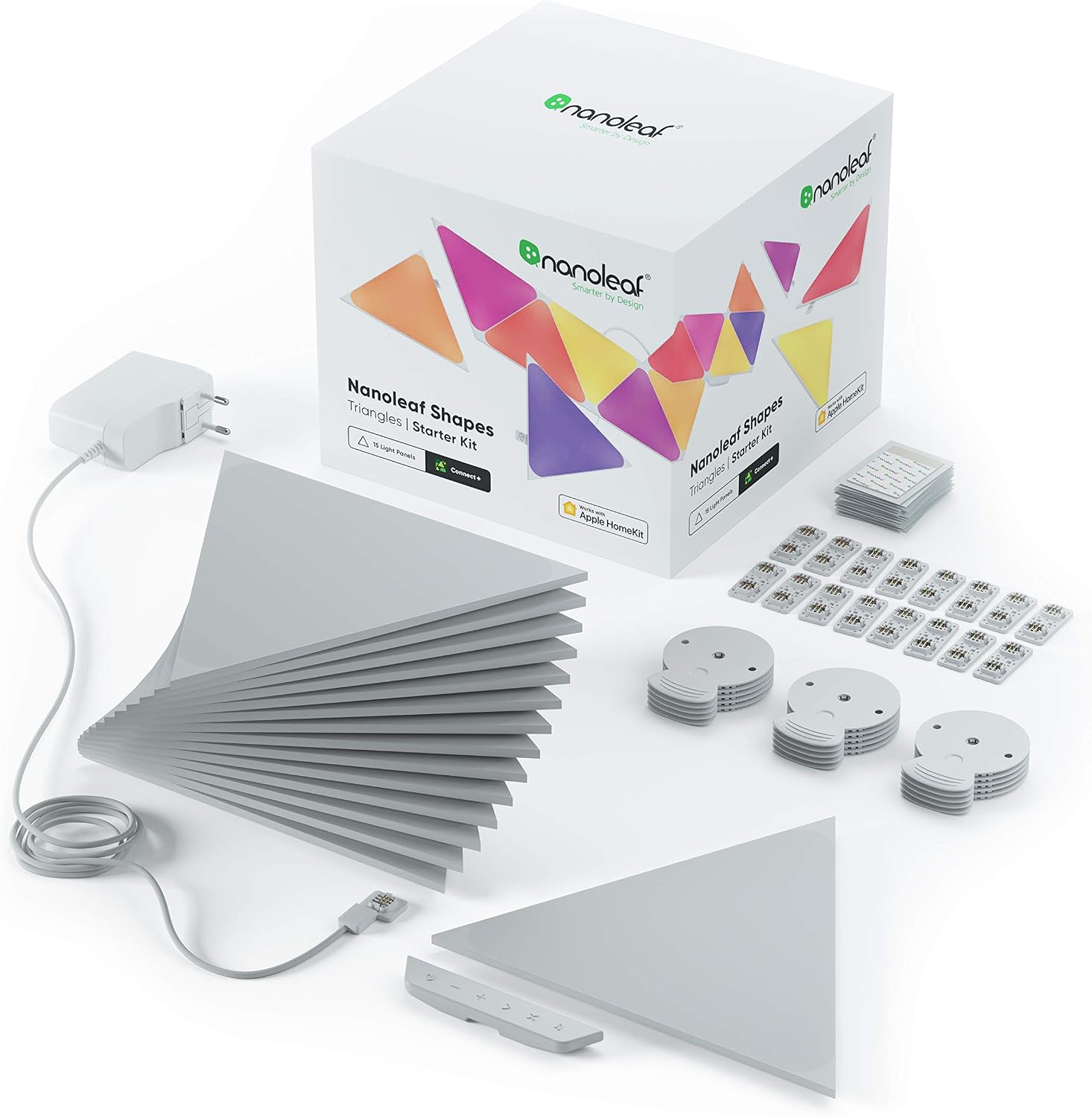
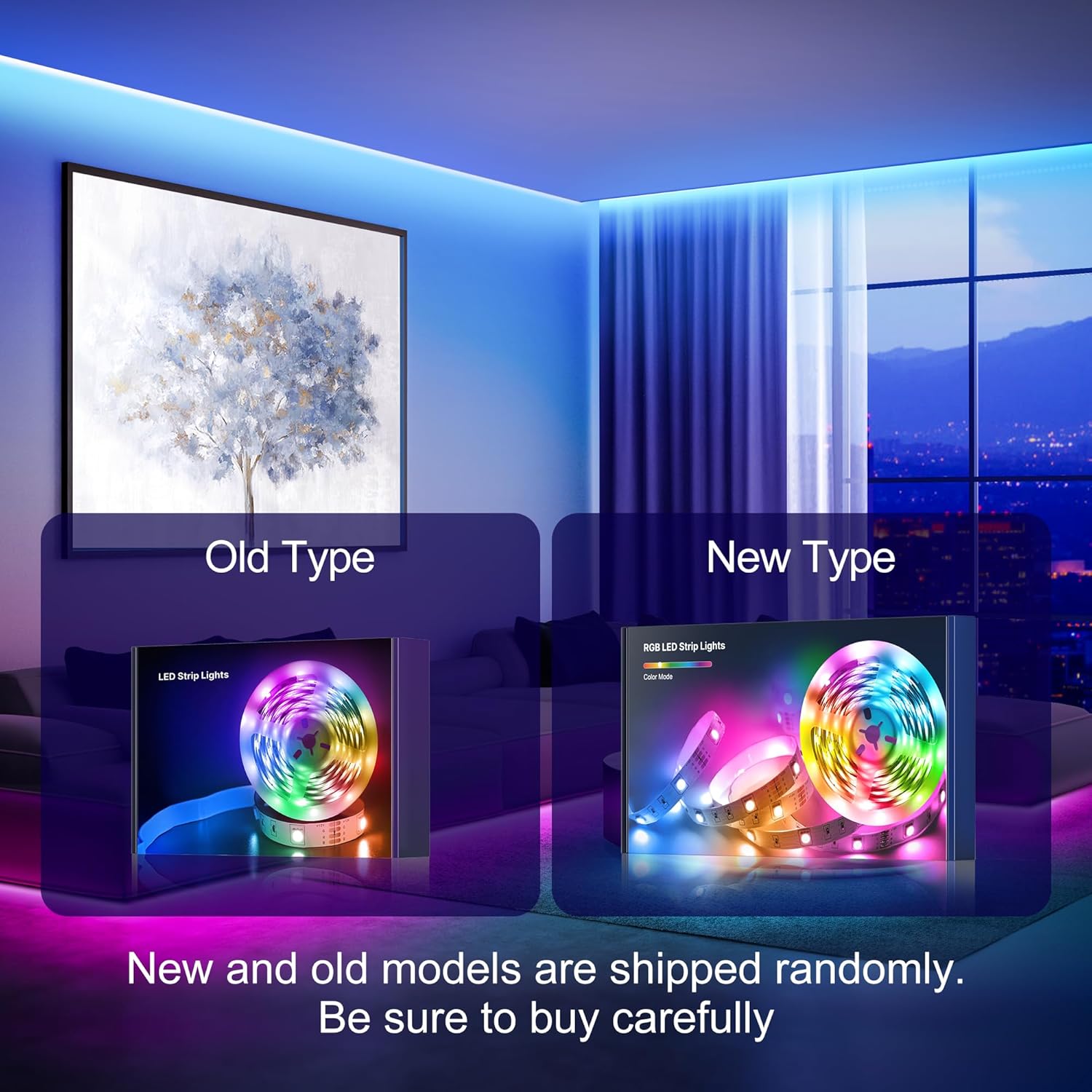
Key features that define the best smart lights with app control
To judge the best smart lights with app control, start with connectivity and compatibility. A smart bulb that works with Amazon Alexa, Google Assistant, and Apple HomeKit gives you freedom to change ecosystems later. Check whether the smart bulbs support Wi Fi, Bluetooth, or a dedicated hub such as Philips Hue, because each option affects reliability and range.
Color performance is another pillar of a great smart light experience. High quality smart LED bulbs offer millions of color options, smooth dimming, and adjustable color temperature from warm white to cool white. When a smart bulb handles both vivid light color and subtle white color, you can create scenes for reading, relaxing, or focused work.
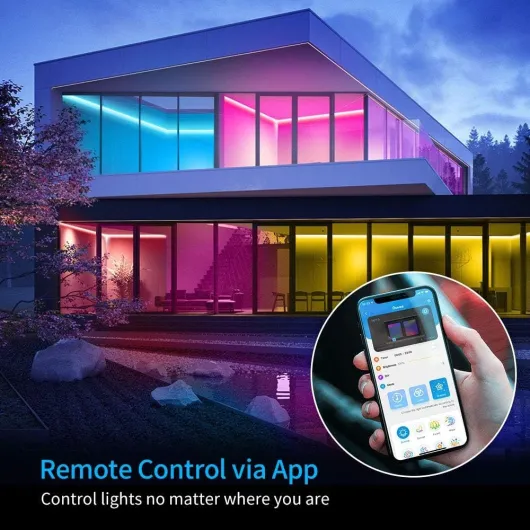
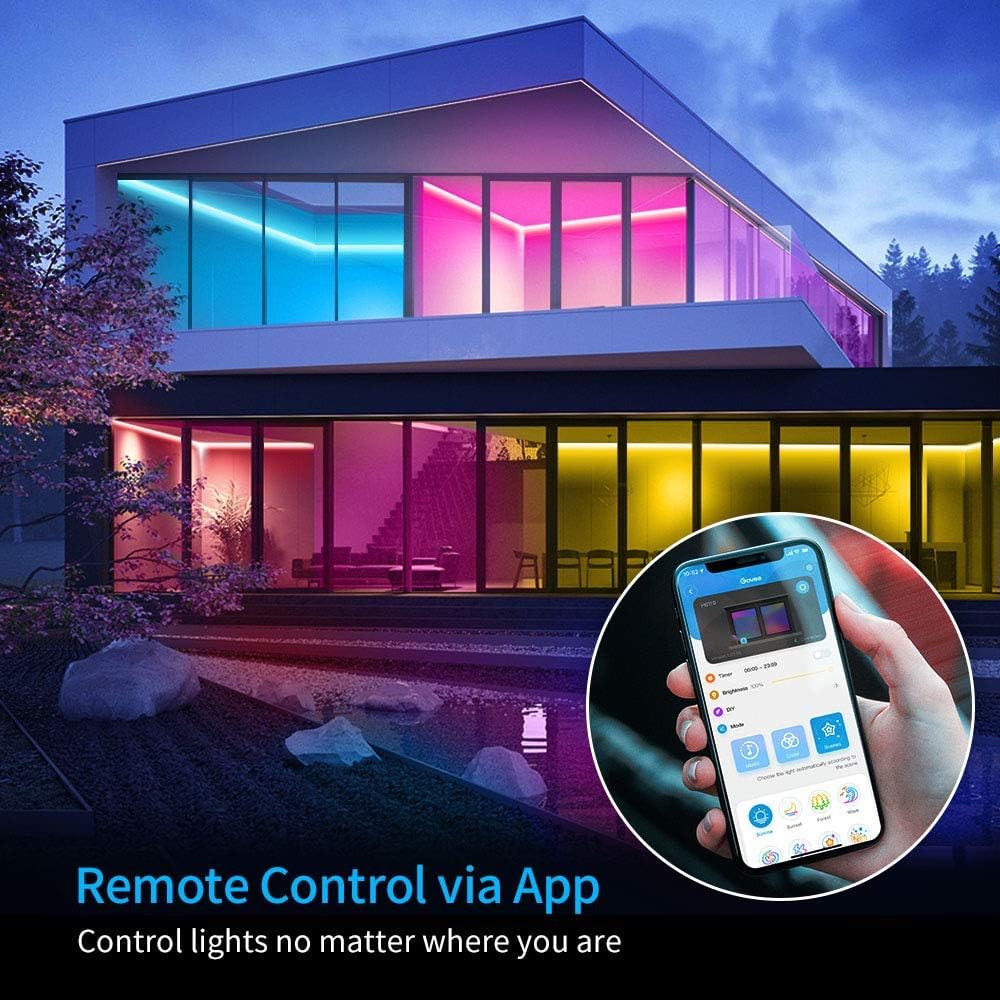
Look closely at the app design, because the best smart lights with app control rely on intuitive software. The app should make it easy to rename each light bulb, group smart bulbs by room, and set timers or routines. Advanced apps also let you copy settings from one smart bulb to others in a pack, so your devices stay synchronized.
Some smart light ecosystems, such as Philips Hue, include accessories that extend control beyond the app. Wireless dimmer switches, motion sensors, and smart buttons can trigger scenes without opening your phone, while still syncing with the app and voice assistants. These devices often work with Matter, which helps them integrate with other brands and platforms.
When shopping on Amazon or other retailers, pay attention to product details such as lumens, rated lifetime, and energy consumption per LED bulb. A Tec Bright smart LED pack might offer strong brightness at a lower cost, while Philips Hue bulbs emphasize premium features and ecosystem depth. For budget conscious buyers, using a smart lighting discount code can make higher quality smart bulbs more accessible.
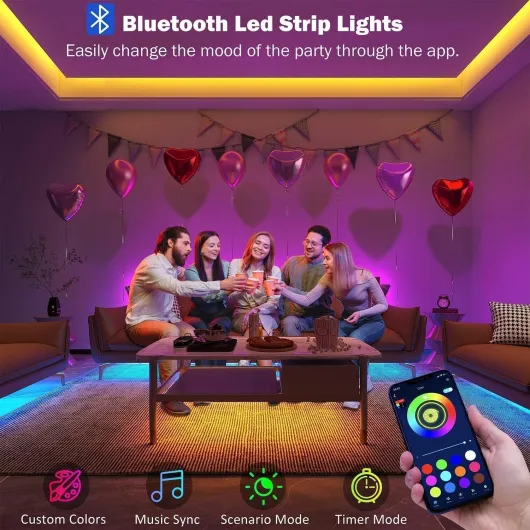
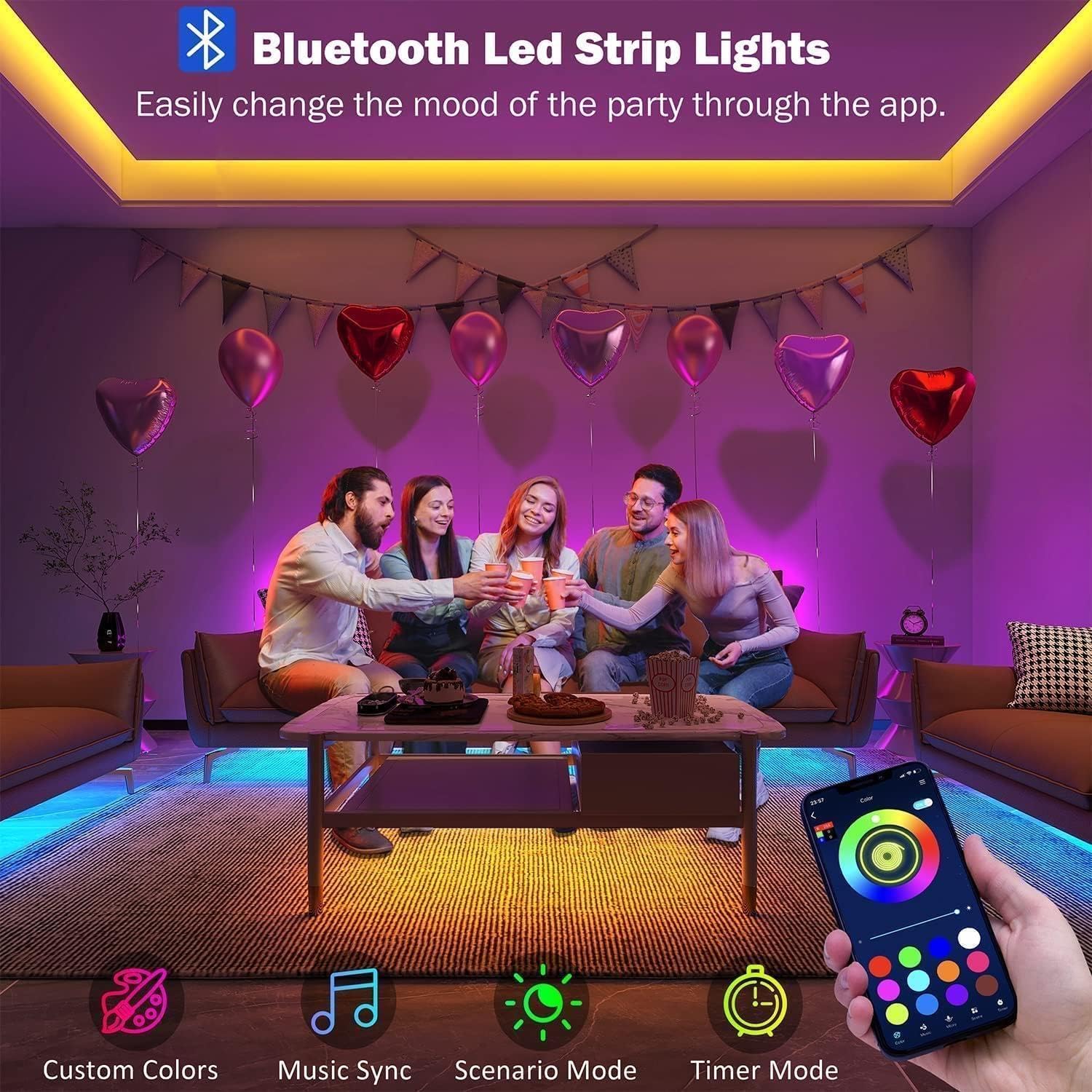
Finally, examine whether the smart bulbs and other devices support advanced options such as music sync, sunrise alarms, or geofencing. These features rely on the app to adjust light color and brightness automatically based on time, sound, or your location. When implemented well, they elevate the best smart lights with app control from simple gadgets to meaningful lifestyle upgrades.
Comparing ecosystems such as Philips Hue, Tec Bright, and platform specific options
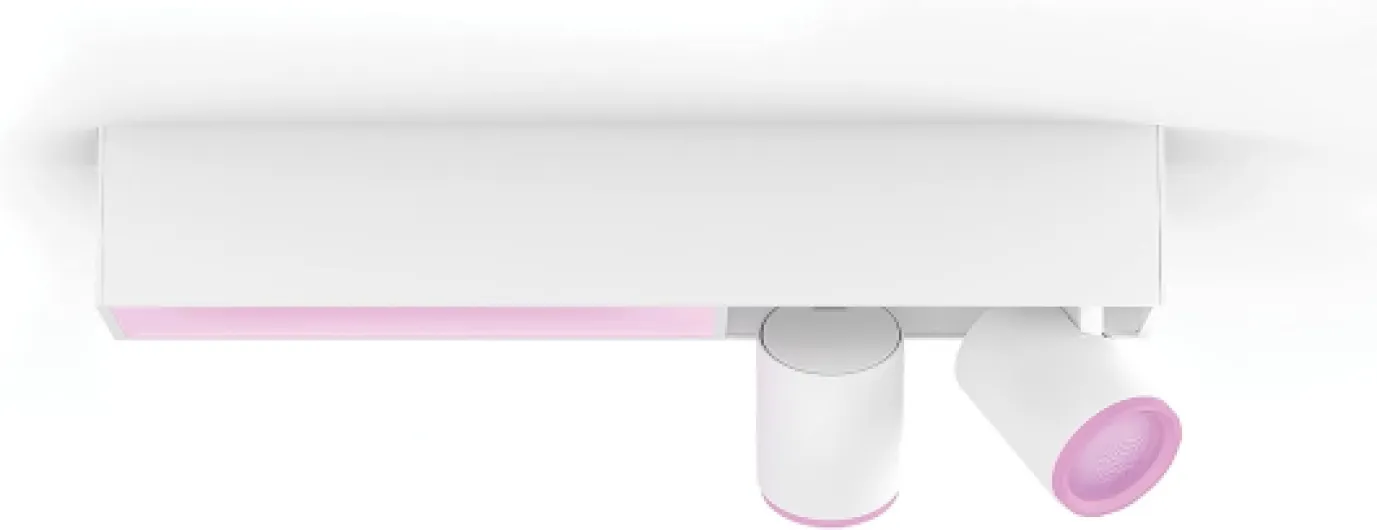
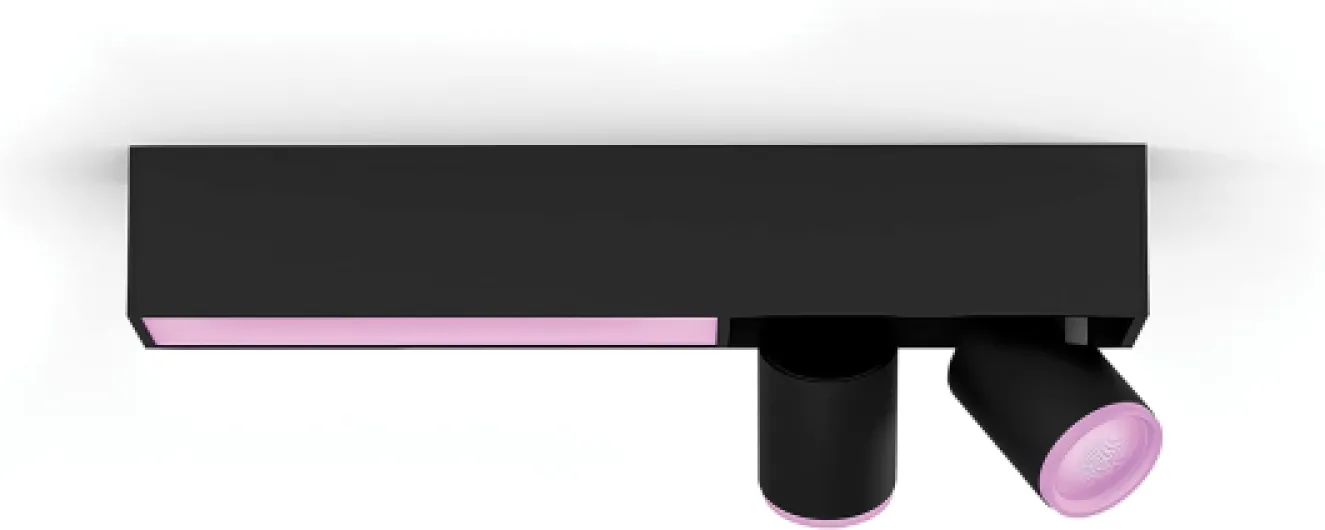
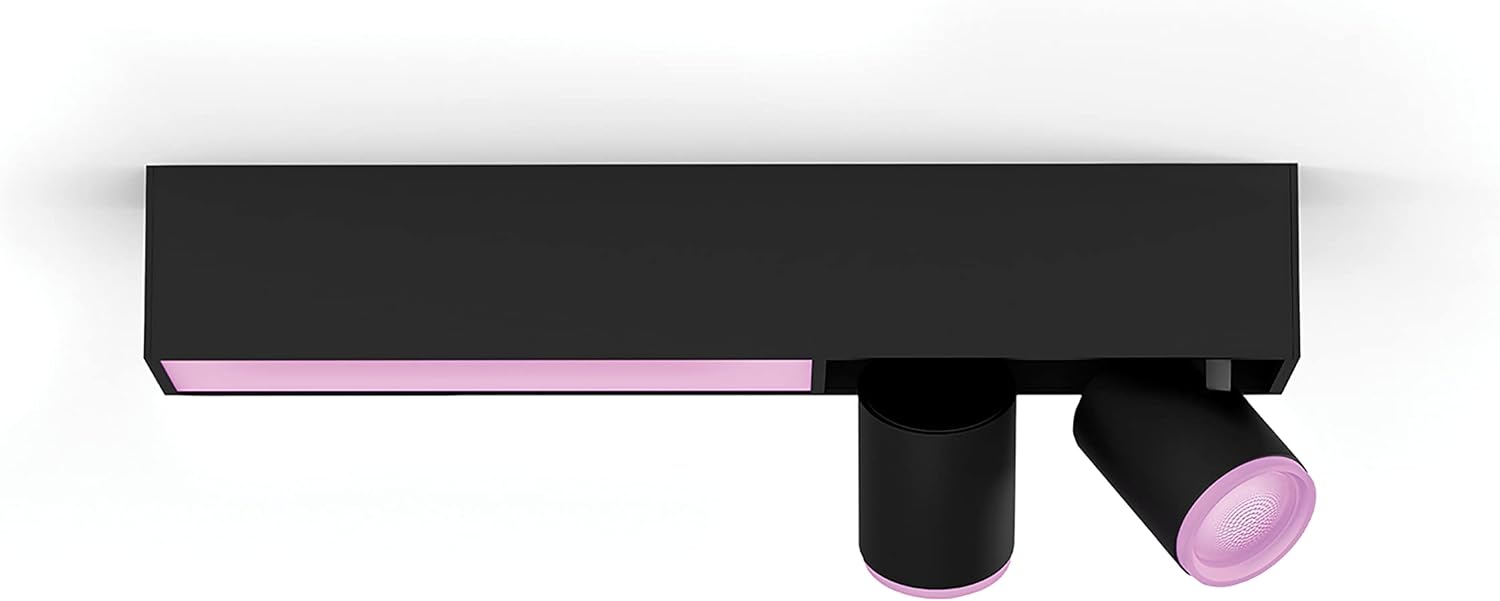
Choosing the best smart lights with app control often means choosing an ecosystem. Philips Hue remains a benchmark for smart light quality, offering robust apps, reliable bulbs, and deep integration with Amazon Alexa, Google Assistant, and Apple HomeKit. The Philips Hue bridge connects many smart bulbs and accessories, ensuring low latency control even when your Wi Fi is busy.
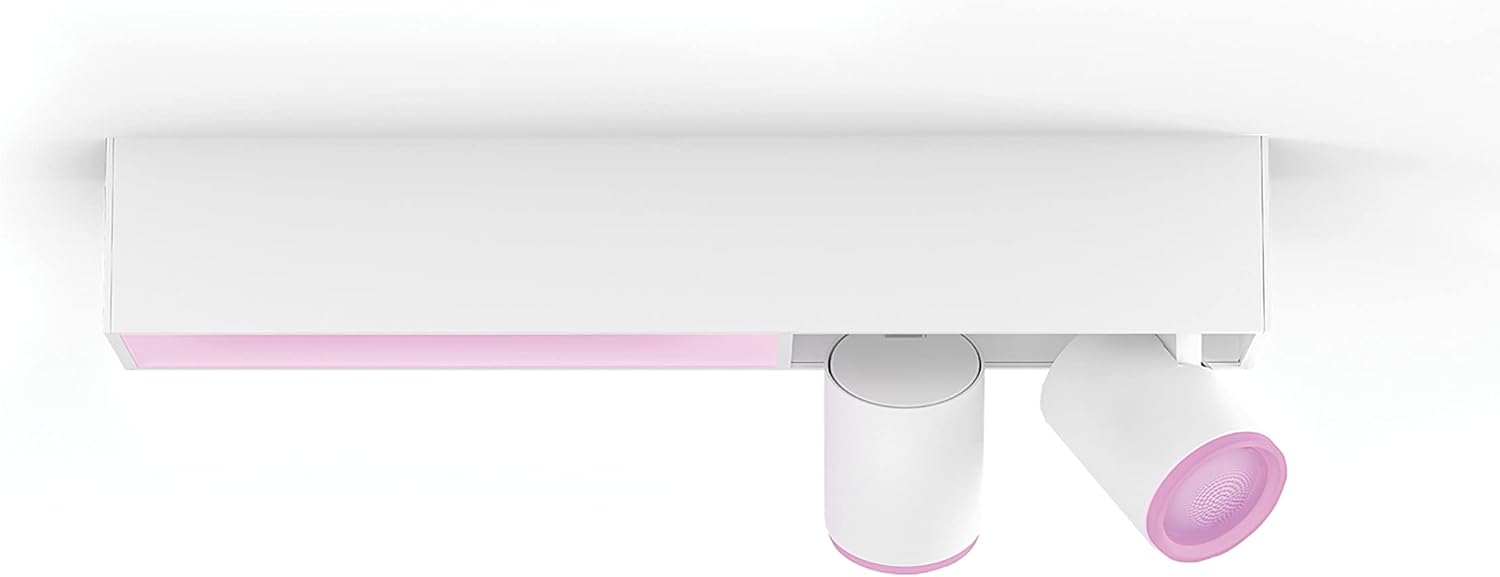
Philips Hue smart bulbs support rich color, precise color temperature tuning, and advanced automation scenes. The app lets you adjust each light bulb individually or manage entire rooms, while also integrating with Matter for broader device compatibility. For many households, this combination of smart LED performance and ecosystem stability justifies the higher price per LED bulb or pack.
By contrast, Tec Bright and similar brands on Amazon focus on value oriented smart bulbs and smart LED strips. Their apps usually provide core functions such as on off control, dimming, and basic light color changes, along with support for Amazon Alexa and Google Assistant. These smart bulbs may not match Philips Hue in nuanced color rendering, but they can still deliver a satisfying smart light experience for less.
Platform specific options, such as bulbs that work with only Apple HomeKit or only Google Assistant, can suit users deeply invested in one ecosystem. A HomeKit focused smart bulb might prioritize privacy and local control, while a Google Assistant oriented smart LED could emphasize routines tied to other Google devices. However, limiting compatibility can make it harder to mix devices later, especially as Matter gains traction.
When reading honest reviews, such as those for a smart torchiere floor lamp, pay attention to how the app behaves day to day. Users often highlight whether the smart bulbs stay online, how quickly the app responds, and whether voice commands through Amazon Alexa or Google Assistant work reliably. These practical details reveal more about the best smart lights with app control than technical specifications alone.
Regardless of brand, ensure that your chosen smart bulbs and other devices clearly state that they work with Amazon Alexa, Google Assistant, and Apple HomeKit if you need cross platform flexibility. This “works with” labeling, combined with Matter support, helps you avoid dead ends as your smart light setup grows. Over time, a consistent ecosystem will make managing multiple smart bulbs, LED bulb packs, and accessories far easier.
Understanding technical terms such as color temperature, Matter, and app design
Many buyers feel overwhelmed by technical jargon when comparing the best smart lights with app control. Color temperature, measured in kelvins, describes whether a white light bulb appears warm and cozy or cool and energizing. Smart bulbs that allow you to tune color temperature from warm white to cool white give you more control over mood and visual comfort.
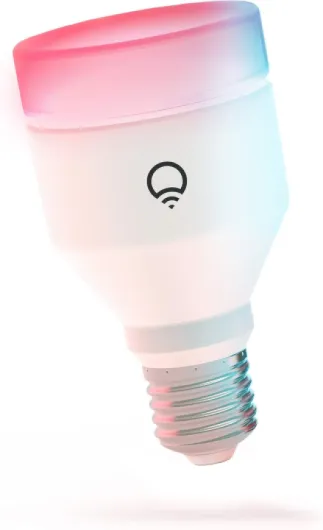
Light color, by contrast, refers to the full spectrum of colors beyond white, such as red, blue, or purple. High quality smart LED bulbs and smart light strips can reproduce millions of colors while maintaining consistent brightness. When evaluating a smart bulb or pack, look for smooth transitions between colors and minimal flicker, especially at low brightness.
Matter is a connectivity standard designed to help smart bulbs and other devices from different brands work with each other. A Matter compatible smart bulb can typically be controlled from multiple apps, including those tied to Amazon Alexa, Google Assistant, and Apple HomeKit. This reduces the need for separate apps for each smart light brand and simplifies long term maintenance.
Within some technical documentation, you may encounter terms such as CLS, CLS fill, stroke width, or jump details, especially when visualizing smart light layouts or app interfaces. In practice, these terms relate more to how graphics and icons are rendered than to how a smart bulb behaves. However, a well designed app that handles visual elements cleanly often feels more intuitive when you manage many smart bulbs and LED bulb packs.
App design is central to the best smart lights with app control, because every interaction flows through your phone or tablet. Look for clear icons that distinguish each light bulb, simple sliders for brightness and color temperature, and accessible options for grouping devices. When the app makes it easy to adjust a single smart bulb or an entire pack, you are more likely to use advanced features regularly.
For readers interested in the broader evolution of smart light technology, resources that explain innovations in smart lighting can provide helpful context. These discussions often show how standards such as Matter, and integrations with Amazon Alexa, Google Assistant, and Apple HomeKit, shape the future of smart bulbs and other devices. Understanding these trends helps you choose the best smart LED solutions that will remain relevant for many years.
Practical setup tips for smart bulbs, packs, and voice assistants
Setting up the best smart lights with app control starts with a clear plan for rooms and zones. Decide where each smart bulb or LED bulb pack will go, and whether you need color capable smart bulbs or only adjustable white color. In living rooms and bedrooms, many people prefer smart LED bulbs with both light color effects and warm white color temperature for relaxation.
Begin by installing one light bulb at a time, following the manufacturer instructions in the app. Most smart bulbs require you to connect them to Wi Fi or a hub, then assign them to a room and name them clearly. Using descriptive names such as “kitchen smart light” or “desk smart bulb” makes voice commands through Amazon Alexa or Google Assistant more natural.
Once your smart bulbs are online, link them to your preferred voice assistants and platforms. Enable the relevant skills or services for Amazon Alexa, Google Assistant, or Apple HomeKit, then authorize the app to share devices. After this step, you can say commands such as “turn off the bedroom smart light” or “set the living room light color to blue.”
For households with many devices, Matter support can simplify setup by allowing multiple platforms to control the same smart bulbs. This is especially useful when some family members use Apple devices while others rely on Google or Amazon ecosystems. Matter helps ensure that each smart bulb works with all major assistants without repeated configuration.
When configuring scenes, think about daily routines rather than novelty effects. A “morning” scene might raise color temperature and brightness on your smart LED bulbs, while an “evening” scene lowers brightness and shifts the light color to warm tones. Over time, these subtle adjustments from the best smart lights with app control can support better sleep and focus.
Finally, remember that firmware updates for smart bulbs, hubs, and apps are essential for security and stability. Check periodically within the app for updates to your smart bulbs, Philips Hue bridge, or Tec Bright devices. Keeping everything current reduces connectivity issues and ensures that your smart light system continues to work with Amazon Alexa, Google Assistant, and Apple HomeKit smoothly.
Balancing cost, quality, and long term flexibility in smart lighting
Evaluating the best smart lights with app control requires balancing upfront cost against long term value. Premium ecosystems such as Philips Hue often cost more per smart bulb or LED bulb pack, but they deliver consistent performance, strong apps, and wide compatibility. Budget brands such as Tec Bright or certain Amazon smart bulbs can still offer solid smart LED features at a lower price.
When comparing prices, consider not only the cost per light bulb but also the lifespan and energy efficiency of each LED bulb. A slightly more expensive smart bulb that uses less power and lasts longer can provide better value over time. Look for clear labeling of lumens, wattage, and expected lifetime to make informed comparisons.
Think about how many devices you plan to add over the next few years. If you expect to expand from a single smart bulb to dozens of smart bulbs, strips, and lamps, an ecosystem that supports Matter and multiple platforms may be worth the investment. This flexibility ensures that your smart light setup continues to work with Amazon Alexa, Google Assistant, and Apple HomeKit even as technology evolves.
Check whether the smart bulbs and accessories you choose clearly state that they work with Amazon Alexa, Google Assistant, or Apple HomeKit. This “works with” information, combined with Matter support, reduces the risk of buying devices that cannot join your existing system. It also helps ensure that voice commands and app control remain consistent across brands.
For many households, a mixed strategy can be effective, using Philips Hue bulbs in key rooms and more affordable Tec Bright or Amazon smart bulbs elsewhere. As long as the devices support Matter or share a common app, you can still coordinate scenes and schedules. This approach allows you to enjoy the best smart lights with app control where it matters most, without overspending.
Finally, remember that the value of smart bulbs lies not only in technology but in daily experience. A well planned combination of smart LED bulbs, thoughtful color temperature settings, and reliable app control can make your home feel more comfortable and efficient. By focusing on real needs rather than gimmicks, you can select the best smart light solutions that remain satisfying for many years.
Advanced use cases and future trends in smart light technology
Once you have the best smart lights with app control in place, you can explore advanced automations. Many smart bulbs and smart LED strips support dynamic scenes that change light color gradually over time. For example, a reading scene might start with a cooler color temperature for focus, then shift to warmer white color as bedtime approaches.
Integration with other devices, such as sensors and smart thermostats, can further enhance your smart light system. Motion sensors can trigger a low brightness light bulb at night, while daylight sensors adjust smart bulbs near windows to maintain consistent brightness. These automations rely on robust app control and standards such as Matter to coordinate devices from different brands.
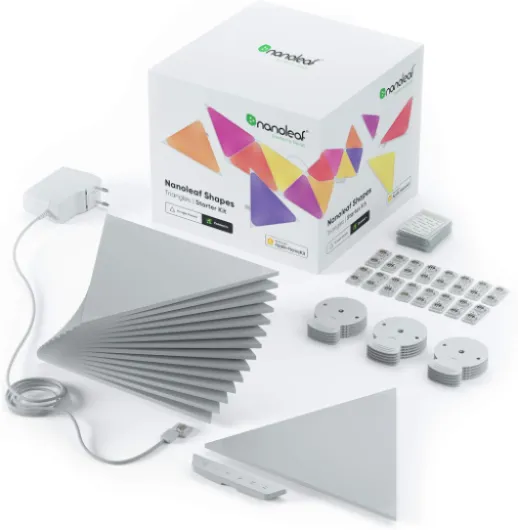
In creative spaces, smart bulbs and LED bulb panels can respond to music or on screen content. Some apps analyze audio to change light color and brightness in sync with rhythm, turning a living room into an immersive environment. While these features are not essential, they showcase how flexible smart light technology has become.
As manufacturers refine their apps, expect better visualization tools that may reference concepts such as CLS, CLS fill, stroke width, or jump details in design documentation. These terms describe how icons, timelines, and animations appear when you manage many smart bulbs and scenes. A cleaner interface makes it easier to adjust each smart bulb or pack without confusion.
Looking ahead, Matter is likely to strengthen the promise that every smart bulb works with Amazon Alexa, Google Assistant, and Apple HomeKit seamlessly. This will reduce fragmentation between Philips Hue, Tec Bright, Amazon brands, and other smart LED manufacturers. For consumers, the result should be simpler setup, more reliable app control, and broader choice among the best smart lights with app control.
As you refine your system, periodically review which smart bulbs, LED bulb packs, and accessories you actually use. Retiring older devices that lack Matter or modern “works with” certifications can streamline your setup and reduce troubleshooting. Over time, a curated collection of smart light devices will deliver a smoother, more elegant experience across every room.
Key statistics about smart lighting and app controlled bulbs
- Global adoption of smart bulbs and smart LED devices has grown rapidly, with millions of households now using at least one app controlled light bulb.
- Energy efficient LED bulb technology can reduce lighting electricity consumption by more than half compared with traditional incandescent bulbs.
- Surveys show that compatibility with Amazon Alexa, Google Assistant, and Apple HomeKit is among the top decision factors when choosing the best smart lights with app control.
- Color temperature tuning and adjustable light color are now standard features in a large share of new smart bulbs and smart light products.
- Matter compatible devices are projected to represent a growing portion of smart light sales as consumers seek systems that work with multiple platforms.
Common questions about the best smart lights with app control
Are smart bulbs worth it compared with regular LED bulbs ?
Smart bulbs cost more than basic LED bulbs, but they add app control, scheduling, and automation that can improve comfort and convenience. When used thoughtfully, smart LED bulbs can also support energy savings by dimming or turning off lights automatically. For many users, these benefits justify the higher price, especially in main living areas.
Do I need a hub for the best smart lights with app control ?
Some ecosystems, such as Philips Hue, use a dedicated hub, while many Tec Bright or Amazon smart bulbs connect directly to Wi Fi. A hub can improve reliability and allow more devices, but it adds cost and complexity. If you plan a large system with many smart bulbs and accessories, a hub based or Matter compatible setup can be advantageous.
Can smart bulbs work with multiple voice assistants at the same time ?
Many of the best smart lights with app control support Amazon Alexa, Google Assistant, and Apple HomeKit simultaneously. Once linked, the same smart bulb can respond to commands from different assistants in the home. Matter aims to make this multi platform compatibility even more seamless across brands.
What is the difference between color temperature and light color in smart bulbs ?
Color temperature describes the shade of white light, ranging from warm to cool. Light color refers to the full spectrum of colors, such as red, green, or blue, that a smart bulb can display. High quality smart LED bulbs usually offer both adjustable color temperature and rich light color options.
How many smart bulbs can I control from one app ?
The number of smart bulbs you can control depends on the ecosystem, hub, and network capacity. Philips Hue systems can manage dozens of bulbs through a bridge, while Wi Fi based Tec Bright or Amazon bulbs may be limited by router performance. In practice, most households can run all their smart light devices from a single app without hitting these limits.