How to evaluate the best Matter compatible smart lights
Choosing the right Matter-capable lighting starts with checking your existing ecosystem. If you already use Alexa or Google Assistant speakers, confirm that any smart bulb or LED light you buy clearly states Matter support and the underlying radio (Wi‑Fi, Thread, or bridge) on the box or product page. This simple label ensures that your new lights will join your current setup smoothly and respond reliably to voice commands.
Next, look at brightness, measured in lumens, rather than only wattage for each bulb. A typical living room often feels comfortable with around 800 to 1,000 lumens per main ceiling light, while task areas like a desk may need a brighter 1,100–1,600 lumen smart bulb or two focused directly on the work surface. Matching lumens to room size and activity helps your lighting deliver both comfort and energy efficiency.
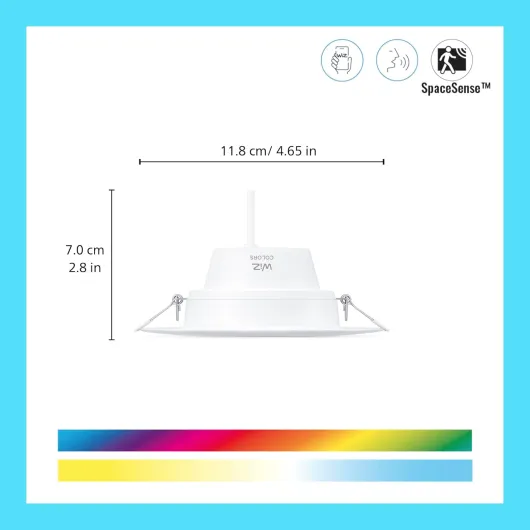
Color temperature is another critical specification, especially when comparing white light options in different product ranges. Warm white colors around 2,700 to 3,000 Kelvin feel relaxing for bedrooms, while cooler white color temperatures near 4,000 to 5,000 Kelvin suit kitchens or home offices. The most versatile Matter compatible smart lights usually offer tunable white (for example 2,200–6,500 K) and full color-changing modes, so one set of bulbs can shift from calm evening ambience to bright, focused work lighting.
Color, music sync, and advanced lighting effects
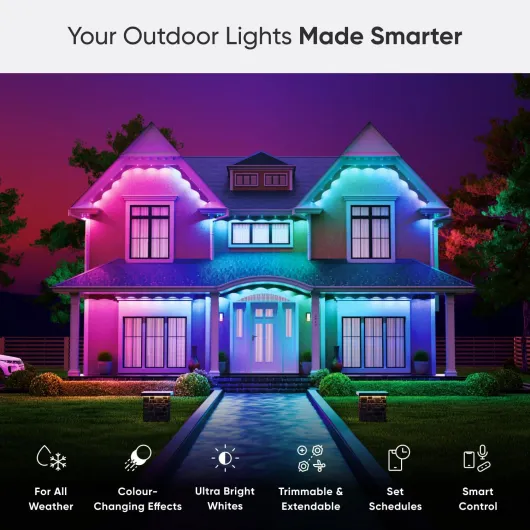
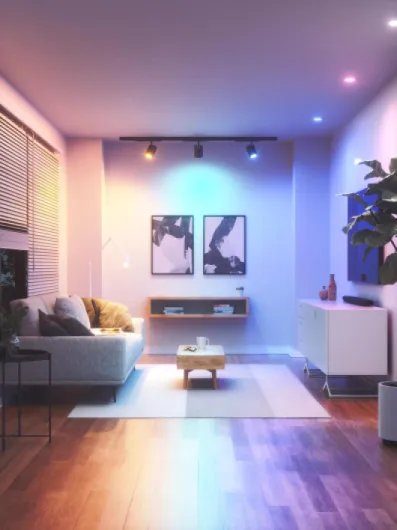
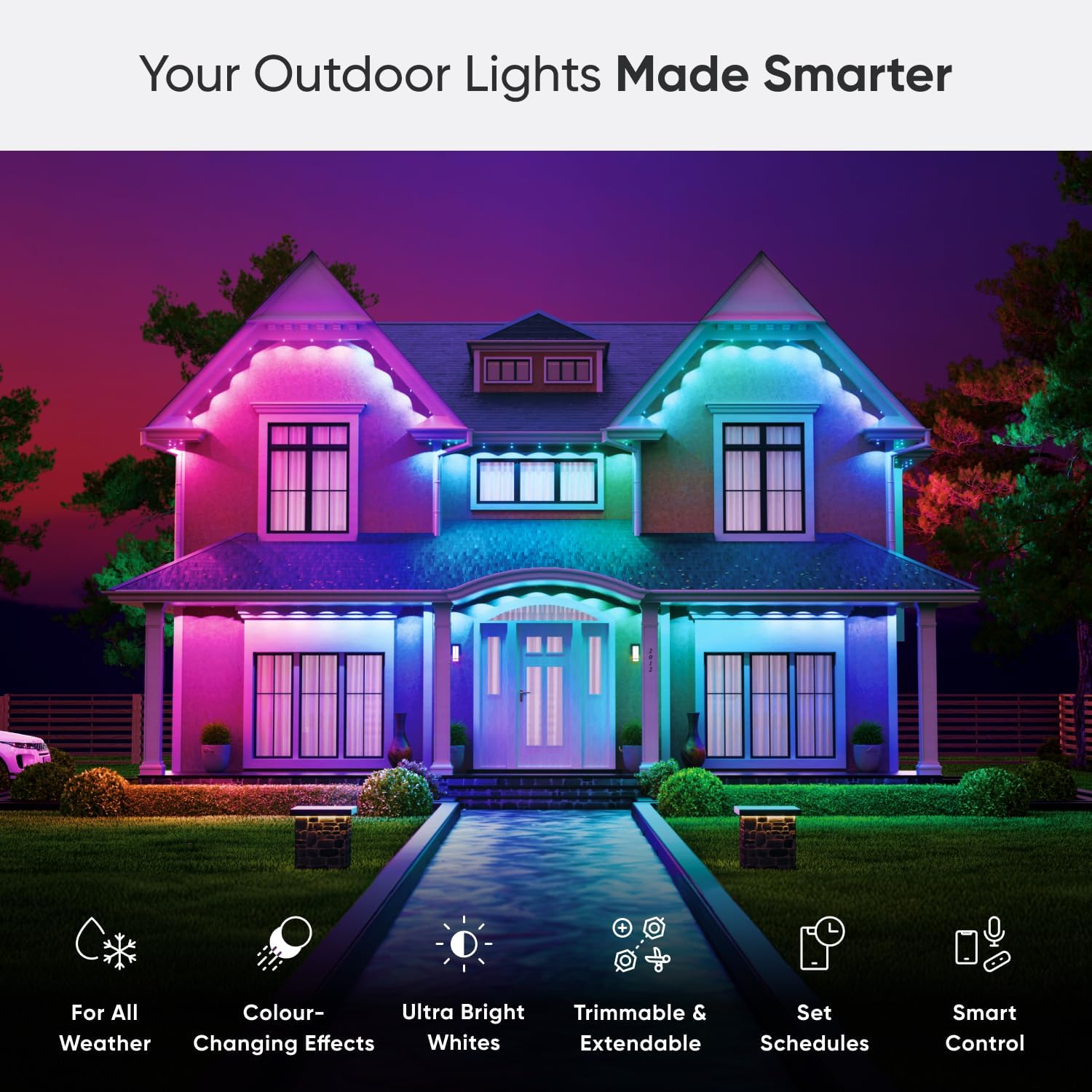
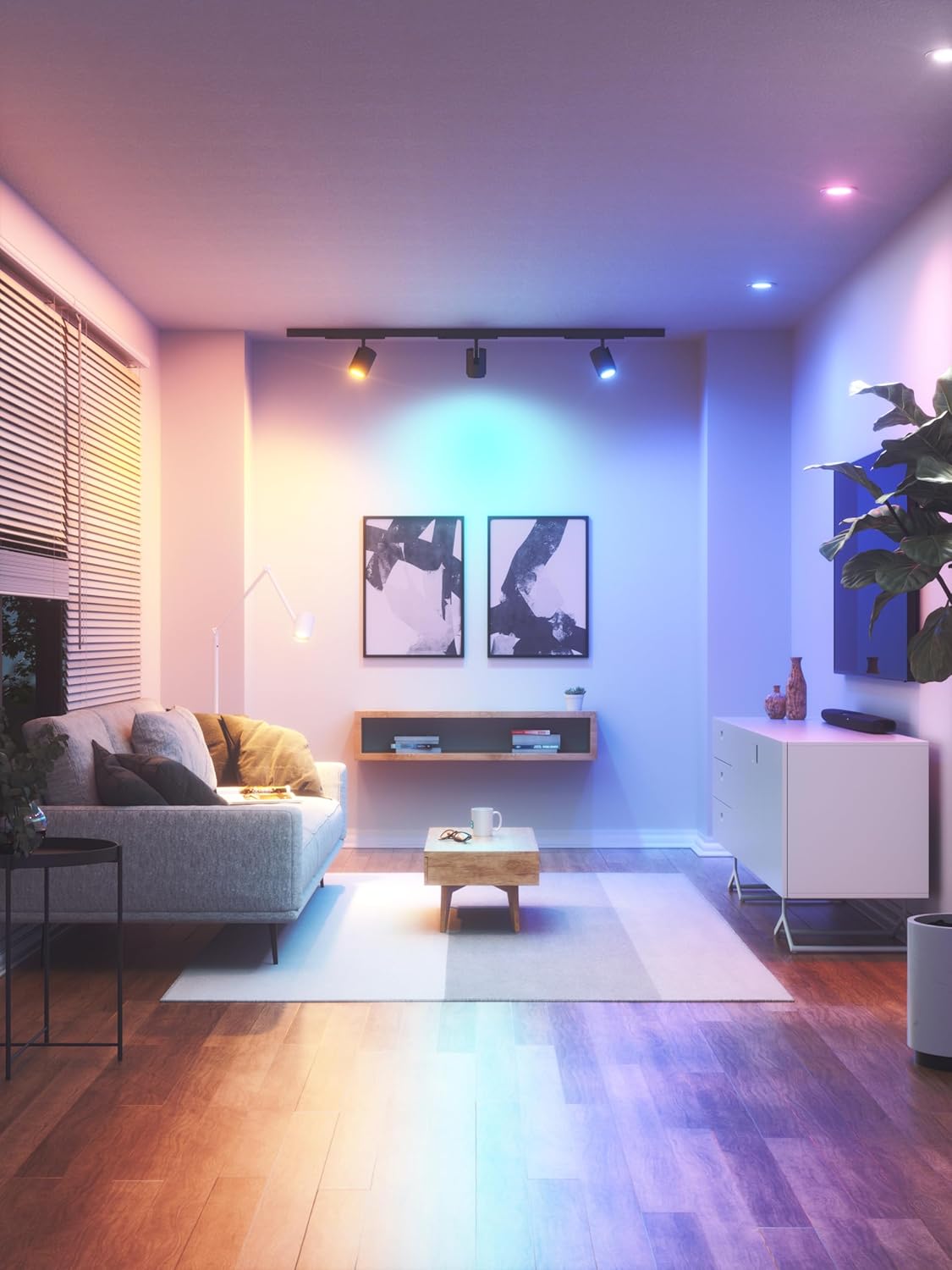
Modern connected lights go far beyond simple on and off control. Many Matter smart products support rich color-changing effects, letting you pick from up to 16 million colors for a single bulb or synchronize multiple lamps across a room. This flexibility turns a basic LED light into a dynamic design tool for mood, entertainment, or focused productivity.
Look for smart LED products that combine full colors with precise white control, because you will use both modes regularly. A good color-changing light bulb should shift smoothly between saturated colors and neutral white, without flicker or strange tints at lower brightness levels. When evaluating different Matter-ready models, try to test how quickly the app responds when you drag a color wheel or adjust color temperature sliders; in practice, the most polished systems feel almost instant, while slower ones introduce a noticeable lag that breaks immersion.
Music sync features add another layer, especially for living rooms or gaming setups where atmosphere matters. Some smart light systems can analyze audio from your device or microphone and drive color-changing patterns that pulse with the beat, which works best with LED strips behind screens or along walls. If music sync is important, confirm that the app supports it on your platform, that the bulbs transition smoothly between colors for fluid effects, and that the Matter-enabled devices still respond reliably to voice control while scenes are running.
Apps, voice control, and everyday usability
Even the brightest smart bulbs feel frustrating if the software is clumsy. A strong lighting ecosystem offers a clean app with clear room organization, fast access to scenes, and reliable remote control when you are away from home. When comparing different Matter-compatible ranges, install the app before buying many bulbs to see whether its design suits your habits and whether it supports essentials like schedules, groups, and firmware updates.
Voice control remains central for many households that use Alexa, Google Assistant, or Apple Siri daily. With Matter support, a single smart bulb can appear in multiple apps, so you might set up routines in the Alexa app while still adjusting color temperature from Apple Home or Google Home. Check that each light responds quickly to voice commands like dimming, changing colors, or activating scenes; delays longer than about one second quickly feel annoying in everyday use, and this sub‑second target is similar to the responsiveness described in many smart speaker product guides.
Ratings on Amazon and other large retailers can also reveal how well smart lights behave in real homes over time. Pay attention to how many stars users give to connectivity, app stability, and voice responsiveness, not just brightness or color quality. A product with slightly fewer lumens but consistently high scores for reliability and low reported dropout rates often serves better as a daily driver than a brighter but flaky alternative.
Comparing Philips Hue, Linkind Matter, and other brands
Philips Hue has long been a reference point for premium smart bulbs and fixtures. Its ecosystem now includes a Matter-enabled Hue Bridge, which lets many existing Hue light bulbs join a Matter smart home while keeping advanced features like rich scenes, entertainment sync, and low-latency effects. According to Signify’s published product documentation for Hue, most bulbs still connect to the bridge over Zigbee, while the bridge itself exposes them to Matter over Ethernet or Wi‑Fi, so you still need the hub for the full feature set; newer Hue bulbs that advertise native Matter over Wi‑Fi can join some controllers directly but may not yet mirror every bridge-only capability.
Linkind Matter products target people who want reliable LED performance at a more accessible price. A Linkind smart bulb or light strip that supports Matter over Wi‑Fi or Thread can join Apple Home, Alexa, and Google Home without a proprietary hub, which simplifies installation for apartments or smaller homes. When evaluating Linkind options, compare lumens, stated color temperature range, Color Rendering Index (CRI—aim for 80+ or 90+ for more accurate colors), and app reviews against Philips Hue or other brands to see whether the savings justify any feature trade-offs.
Other manufacturers also offer Matter-certified bulb lines, often sold as single units or multi-packs. Look closely at whether these ranges support full RGB color, tunable white, and music sync, because some cheaper models only offer fixed white at around 2,700–3,000 K. In many cases, mixing a few Philips Hue lamps in key areas with more affordable Matter bulbs in less critical rooms gives a balanced combination of quality, coverage, and cost, as long as all devices clearly list Matter compatibility and their required network type.
Room by room buying guide for Matter smart lighting
Start with your main living area when planning a Matter-based upgrade. A central ceiling fixture using a bright 800–1,100 lumen LED bulb, paired with two or three 400–800 lumen accent lamps, usually provides flexible layers of illumination. Choose products from the same Matter-enabled family where possible so scenes, dimming curves, and color temperatures behave consistently across all light sources.
In bedrooms, prioritize warm white color temperatures and gentle dimming curves. A smart bulb with smooth low-level control down to about 1–5 % brightness helps you wind down at night, while color-changing options can add subtle tones for reading or relaxation without harsh glare. Many of the better Matter-compatible lights also support wake-up routines, gradually increasing brightness over 15–30 minutes to simulate sunrise, a pattern similar to the schedules described in Philips Hue and other manufacturer manuals.
For kitchens and workspaces, focus on high brightness and accurate white color rendering. A smart LED panel or bright light strip under cabinets, combined with ceiling bulbs delivering 1,000+ lumens each and a CRI of 80 or higher, can provide clear visibility for cooking or detailed tasks. In these rooms, you may use voice commands less often, so prioritize fast app control, reliable wall switch behavior, and quick recovery after power cuts to keep the space practical for every household member.
Energy efficiency, longevity, and total cost of ownership
Most modern smart bulbs use LED technology, which dramatically reduces energy consumption compared with older incandescent lamps. A typical smart LED consumes around 8 to 10 watts while delivering the same brightness as a 60 watt traditional bulb (roughly 800 lumens), which lowers electricity bills over the long term. When you multiply this saving across many fixtures in a home, the difference becomes financially meaningful.
Look for clear energy labels and estimated lifetime hours on each item before purchase. Quality Matter-ready products often advertise lifespans of 15,000 to 25,000 hours, meaning a bulb used three hours per day could last more than a decade; these figures align with ranges commonly cited in LED manufacturer datasheets and ENERGY STAR guidance for residential lighting. While premium brands like Philips Hue may cost more upfront than some Linkind or other budget options, their longer life, higher claimed switch-cycle ratings, and stronger reliability in independent reviews can reduce replacement costs.
Automation also contributes to efficiency, because schedules and motion sensors prevent lights from staying on unnecessarily. With Matter-enabled devices, you can create cross-platform routines that dim or switch off bulbs when you leave home, using either an app or voice triggers. Over time, these small adjustments help a well-planned smart lighting setup pay back part of its purchase price through lower energy use and fewer premature replacements.
Key figures about Matter compatible smart lights
- According to major lighting manufacturers and programs such as ENERGY STAR, LED-based smart bulbs typically use around 80% less electricity than equivalent incandescent light bulbs, which significantly reduces household lighting costs over several years.
- Industry surveys from groups like the Connectivity Standards Alliance report that a growing share of smart home users now expect cross-platform compatibility, and Matter-enabled devices are rapidly increasing their presence in new product lines across major brands.
- Many smart LED products advertise lifespans between 15,000 and 25,000 hours, which can translate into more than ten years of typical residential use at three hours per day.
- Consumer reviews on large marketplaces consistently highlight app stability and voice control responsiveness as top factors, often rating reliable smart lights with higher stars even when they are slightly less bright.