Core features that define the best smart floor lamps
Every contender for the title of best smart floor lamp should start with safe, stable hardware. A weighted base keeps a tall lamp upright on hard floors or low‑pile carpet, while quality materials prevent a slim modern design from bending or rattling when moved. If you plan to place lamps in a busy living room, hallway, or child’s room, stability and build quality matter more than any animated effect in the app.
Next comes the light itself. LED technology now dominates connected floor lamps because it offers high brightness with low energy use and long life. A good LED floor lamp will specify lumens for brightness, color temperature ranges in kelvins, and sometimes full RGB color for mood lighting. When you compare products, check whether color transitions look smooth, whether the light strip or uplighter head produces even illumination, and whether the shade or diffuser hides glare when you sit nearby.
Finally, evaluate how smart the lamp really is in daily use. Well‑designed models support app control, physical buttons on the lamp, and voice control through platforms such as Google Assistant and Amazon Alexa, not just one of these options. Look for features such as music sync, scene presets for each room, and multi‑lamp grouping, then read user reviews to see if those features work reliably or feel unfinished in practice.
Govee, Philips Hue and other leading smart floor lamp ecosystems
Among the brands competing for the title of best smart floor lamp, Govee and Philips Hue stand out for different reasons. A typical Govee floor lamp focuses on immersive color effects, strong music sync, and relatively simple assembly at a mid‑range price. Philips Hue floor lamps, by contrast, integrate deeply with the wider Hue ecosystem and excel at reliable control and long‑term support, but usually cost more per product.
Govee smart floor models such as the Govee Lyra Corner Floor Lamp use segmented LED light strips to create multiple colors at once. This approach turns a plain corner into a dynamic lighting feature that can match on‑screen content or music beats. Many users appreciate how the Govee app exposes fine‑grained color and brightness control, although some reviews mention that the more advanced effects and automation options can feel overwhelming at first.
Philips Hue smart floor lamps take a different path by prioritizing ecosystem stability and consistent performance. A Hue‑compatible floor lamp or uplighter connects through a Hue Bridge or Bluetooth, then slots into routines with other Hue bulbs, LED light strips, and wall fixtures. If you already use Philips Hue in your living room or bedroom, adding a Hue floor lamp keeps everything under one app and one voice control setup with Google Assistant, Amazon Alexa, or Apple HomeKit.
Design choices; from corner lamps to modern floor statement pieces
Design is where the best smart floor lamps either blend into your décor or become a distraction. A slim corner lamp with a vertical LED light strip can tuck neatly behind a sofa, washing the wall with color while staying almost invisible. In contrast, a sculptural modern floor lamp with a wide uplighter head can become a focal point in the living room, especially when the brightness and color are tuned carefully.
Think about how each room uses light before choosing a lamp style. For a reading nook on a quiet landing or in a bedroom, a simple design with a focused LED head and warm white light (around 2700–3000 K) might be ideal, because it keeps glare off screens while illuminating pages clearly. In a gaming or media room, a Govee corner floor lamp with music sync and multi‑zone color can extend the screen experience into the surrounding lighting.
Height and footprint also matter more than many people expect. A tall smart floor lamp with a narrow base may look elegant but feel unstable on uneven floors, especially near children or pets. When you read specifications, compare base diameter, total height, and cable length, then picture how the lamp will sit in your actual room layout rather than in a studio photo.
Connectivity, apps and voice control for smart floor lighting
Connectivity is the invisible backbone that separates the best smart floor lamps from frustrating ones. A connected lamp should pair quickly with your Wi‑Fi or Bluetooth network, then stay online without frequent resets or missed commands. When a lamp loses connection, even the most beautiful lighting scenes or music sync effects become useless.
Most leading smart lamps now offer app control with scene presets, timers, and granular brightness sliders. The Govee app, for example, lets you paint color onto different segments of a Govee uplighter or corner lamp, while also enabling music sync through your phone’s microphone or a built‑in mic. Philips Hue uses its own app to group every Hue floor lamp, bulb, and light strip into rooms and zones, then exposes those groups to Google Assistant, Amazon Alexa, and Apple HomeKit for voice control.
Before you buy, check which ecosystems each product supports. Some floor lamps work only with a proprietary app, while others integrate with Google Assistant, Amazon Alexa, and sometimes Apple HomeKit or Samsung SmartThings for broader smart‑home control. If you plan to expand beyond a single lamp, choosing a platform‑friendly product now will save you from replacing incompatible lamps later when your smart lighting ambitions grow.
Practical buying guide for choosing the best smart floor lamps
Start your search for the best smart floor lamps by defining the role of each lamp in your home. Do you need a bright reading lamp for the living room, a subtle corner light for ambient color, or a flexible smart uplighter for general illumination? Once the purpose is clear, you can match brightness, color features, and design to each room instead of chasing generic “best” labels.
Next, compare specifications and real‑world feedback side by side. Look at lumens for brightness, wattage for energy use, and whether the LED modules are replaceable or sealed, then read reviews about build quality and assembly. Pay attention to how people describe base stability, the feel of the physical controls, and the reliability of app and voice control with Google Assistant or Amazon Alexa.
Finally, think long term about your lighting ecosystem and budget. A single Govee floor lamp might be cheaper than a Philips Hue floor lamp today, but mixing too many incompatible products can complicate control later. Choosing a consistent family of lamps, bulbs, and light strip accessories will make it easier to expand smart lighting across every floor and room of your home without juggling multiple apps.
Key figures about smart floor lamps and connected lighting
- Industry reports from firms such as Statista and MarketsandMarkets estimate that global smart lighting revenue is already in the multi‑billion‑euro range, driven partly by demand for connected floor lamps that combine LED efficiency with app control.[1][2]
- According to the U.S. Department of Energy, LED lighting typically uses at least 75% less electricity and lasts up to 25 times longer than incandescent bulbs, which can significantly reduce long‑term energy costs for living room and bedroom lighting.[3]
- Consumer surveys from organizations like the Consumer Technology Association indicate that more than half of smart‑home users now expect voice control through platforms such as Google Assistant or Amazon Alexa for any new lamp or light strip purchase.[4]
- Average lifespans for quality LED modules often exceed 20,000 operating hours, meaning a smart floor lamp can run several hours every day for many years before dimming noticeably, provided it is used within its rated conditions.[3]
- In many households, replacing three or four traditional floor lamps with dimmable smart LED lamps can cut lighting‑related electricity consumption for that room by roughly one third, depending on usage patterns and the efficiency of the original bulbs.[5]
Specific smart floor lamp recommendations to consider
To make the buying process more concrete, it helps to look at a few well‑known smart floor lamps and how they differ in brightness, color temperature, and reliability. The following examples illustrate common options at different price points rather than serving as an exhaustive list.
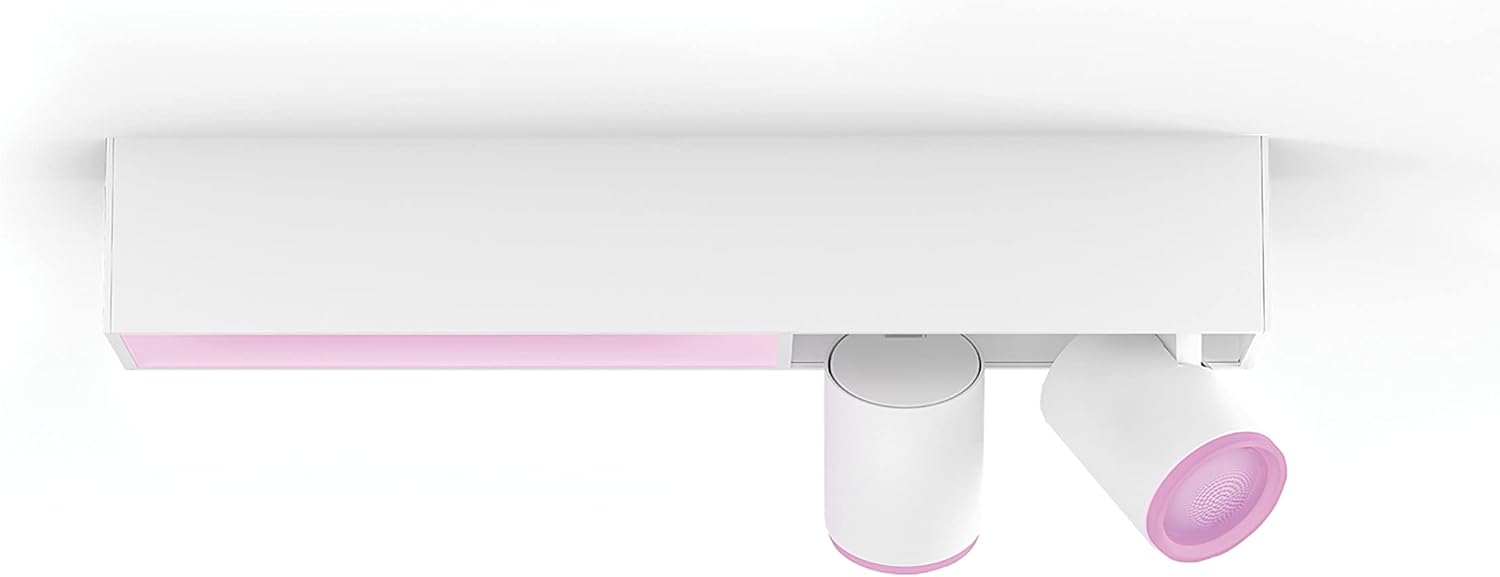
The Govee Lyra RGBIC Corner Floor Lamp typically offers around 1,500 lumens of brightness with full RGB color and tunable white from roughly 2200 K to 6500 K. It sits in the mid‑range price bracket and is frequently praised in user reviews for vivid colors and strong music sync, though some owners note that Wi‑Fi setup can take a couple of attempts. For a more reading‑focused option, the Philips Hue Signe Floor Lamp delivers up to about 2,500 lumens with tunable white and color, integrates with the Hue Bridge, and commands a premium price, but reviewers consistently highlight its smooth dimming and rock‑solid reliability over time.

![Signe White and Colour Ambiance Gradient Table Lamp [Black], Smart Bedroom Lighting with Bluetooth, Plug-in Lamp Works with Alexa, Google Assistant and Apple Homekit - Signe Table Lamp Black](https://www.smart-light-guru.com/storage/797086/conversions/71a1fMzwXxL._AC_SL1500_-medium.webp)


![Signe White and Colour Ambiance Gradient Table Lamp [Black], Smart Bedroom Lighting with Bluetooth, Plug-in Lamp Works with Alexa, Google Assistant and Apple Homekit - Signe Table Lamp Black](https://www.smart-light-guru.com/storage/797086/71a1fMzwXxL._AC_SL1500_.jpg)