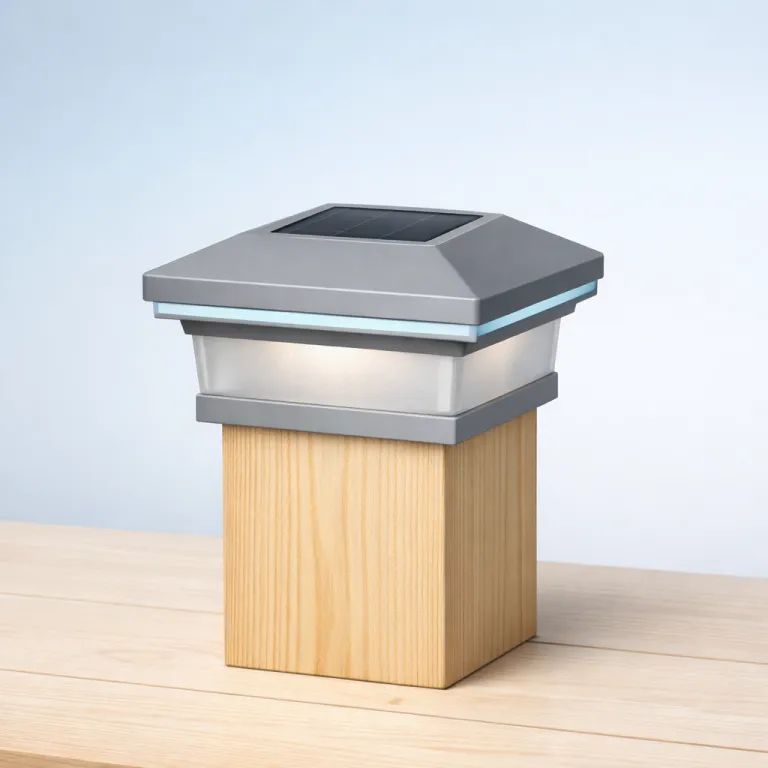
Why solar post cap lights matter for modern outdoor spaces
Solar post cap lights sit quietly on posts yet transform an outdoor space. These compact fixtures use a solar source instead of grid power, which makes each post light both energy efficient and budget friendly. On a typical deck post or fence deck line, a single cap light can redefine how people move, gather, and feel after dark.
Each solar post cap combines a photovoltaic solar panel, a battery, and LED lights in one product. During the day, the solar post panel charges the battery, then the light outdoor component turns on automatically at dusk for warm, low glare lighting. Because these products are self contained, homeowners can add post lights to remote posts solar locations without trenching cables or hiring an electrician.
Designers appreciate how a standard post cap becomes a subtle architectural accent. When you line several post caps along deck posts, the repeated cap lights create rhythm and guide the eye across the outdoor space. This approach works equally well for a small deck post corner or a long fence deck boundary that needs both security and style.
From a sustainability perspective, solar lights reduce reliance on fossil fuel based electricity. A single row of solar post cap lights along multiple posts can offset many hours of traditional lighting every month. Over time, that shift supports more environmentally friendly habits while still delivering reliable outdoor lighting where people actually live and relax.
Key components, materials, and weather resistant performance
Behind the simple shape of a post cap lies a carefully balanced set of components. The solar source on top must capture enough daylight to power the lights, while the internal battery needs sufficient capacity for long evenings. A well designed solar post cap also includes a controller that manages charging, discharging, and automatic light outdoor activation.
Material choices strongly influence durability, aesthetics, and price over the product lifetime. Common materials for post caps include powder coated aluminum, stainless steel, engineered plastics, and glass solar diffusers that soften the beam. When comparing products, pay attention to whether the cap light housing is labeled as weather resistant, because this determines how well it handles rain, snow, and UV exposure.
Glass solar elements look premium but can add weight to posts and may cost more per post light. Plastic lenses are lighter and often cheaper, yet they can yellow over time if the materials are not UV stabilized. For fence deck lines in harsh climates, many experts recommend metal post caps with sealed solar lights to protect the electronics.
Warm white lighting remains the most popular option for residential deck posts and garden posts. A warm tone makes the outdoor space feel inviting, while still providing enough light for steps, edges, and gate posts. If you plan seasonal themes such as Halloween house lights, check whether the product offers multiple lighting options or color changing modes.
Design options, aesthetics, and matching posts and decks
Solar post cap lights come in many options so they can match different posts and railings. Some products mimic traditional lantern shapes, while others use clean lines that suit a modern deck post or minimalist fence deck. The goal is to let each post cap complement the architecture rather than compete with it.
When planning a layout, start by counting the number of posts along your deck posts and boundary lines. Many homeowners place one cap light on every post, but you can also alternate posts solar to create a softer rhythm. On wide stairs, a post light at each side of the landing helps define edges and improves safety without overwhelming the lighting.
Brands such as classy caps focus specifically on decorative post caps that integrate solar lights. A single classy caps product can turn a plain post into a focal point, especially when paired with coordinated post caps on adjacent posts. For creative inspiration, some people look at ideas for magical outdoor lighting and then adapt those concepts using solar post fixtures.
Think about how cap lights interact with other light outdoor sources such as wall sconces or path lights. A warm solar post cap glow can soften the contrast between brighter fixtures and dark garden areas. By layering different products thoughtfully, you create a cohesive outdoor space where every post light and deck post feels intentionally placed.
Performance, runtime, and smart light integration
Performance for solar post cap lights depends on panel quality, battery capacity, and local climate. In sunny regions, a standard solar post can often power its lights for most of the night, even during shorter winter days. In shaded gardens, you may need to adjust the number of post lights or choose options with larger panels and higher capacity batteries.
Many homeowners now expect smart light features even from simple outdoor products. While most post caps remain stand alone, some advanced products integrate with app controllable systems or voice assistants. For example, a multi light setup that includes smart deck fixtures similar to a dimmable color ambiance light can work alongside non connected solar lights to create layered scenes.
Runtime claims on product packaging usually assume ideal solar conditions and a specific number of hours. In practice, factors such as dirt on the glass solar surface, snow cover, or nearby trees can reduce charging efficiency. Regular cleaning of the cap light panel and occasional battery replacement help maintain consistent lighting across all posts.
Smart planning also includes considering how many products you truly need for your outdoor space. Too many post caps can create glare, while too few post lights may leave dark gaps along deck posts or fence deck lines. Aim for a balance where each solar post cap contributes useful, warm illumination without overwhelming the night environment.
Buying guide, price ranges, and how to choose options
When comparing solar post cap lights, start with fit and compatibility for your posts. Measure each deck post or fence deck upright carefully, because post caps come in several standard sizes such as 90 millimetres or 100 millimetres. A loose post cap can wobble, while a tight one may crack the material or stress the product housing.
Next, evaluate the material and build quality relative to the price you are willing to pay. Weather resistant metals and thick glass solar lenses usually cost more, but they often outlast cheaper plastics in harsh outdoor conditions. Look for clear information about the product warranty, expected battery life, and whether replacement post caps or parts are available.
Online retailers often present a grid where you can choose options such as color temperature, cap shape, and pack number. Some interfaces even include an add cart button directly under each post light image, which makes it easy to compare multiple products quickly. Before you add cart, read user reviews that mention long term performance of the solar lights and how well they stay attached to posts.
For many households, a mid range price bracket offers the best balance between aesthetics, durability, and lighting output. If you prioritize a premium look, classy caps style designs with metal post caps and warm LEDs may justify a higher price. Whatever you select, ensure the product clearly states that it is weather resistant and suitable for continuous outdoor space exposure.
Installation, maintenance, and long term value of solar post caps
Installation of solar post cap lights is usually straightforward, even for beginners. Most products slide over existing posts or post caps and secure with included screws or adhesive pads. Because each solar post is self powered, you avoid running cables along deck posts or drilling through a fence deck structure.
Before mounting, check that every post light receives several hours of unobstructed sun. If trees or buildings shade certain posts, consider rotating the cap light slightly so the solar source faces the brightest direction. For posts solar that remain heavily shaded, you may need alternative lighting or a different product type.
Routine maintenance focuses on keeping the glass solar or plastic lens clean and checking for moisture ingress. Wipe each cap light with a soft cloth a few times per season, and inspect weather resistant seals after heavy storms. Replacing rechargeable batteries every few years helps maintain consistent lighting levels across all post caps.
Over time, the long term value of solar lights becomes clear in reduced energy bills and minimal wiring costs. A well chosen set of cap lights can operate for many seasons with only basic care, while continuing to enhance the outdoor space. By treating each post cap as both a functional light outdoor tool and a design element, you create a resilient, people friendly environment around your home.
Key statistics about solar post cap lights
- Global adoption of solar lights for residential outdoor space projects has grown steadily, driven by falling panel costs and improved LED efficiency.
- Many modern solar post cap products can provide between 6 and 10 hours of lighting after a full day of sun exposure.
- Weather resistant housings significantly extend the service life of post caps, especially in regions with frequent rain or snow.
- Warm white lighting remains the preferred choice for deck posts and fence deck applications, due to its comfortable visual appearance.
- Standardized post sizes simplify installation, allowing one product line of cap lights to fit a wide range of posts.
Frequently asked questions about solar post cap lights
How long do solar post cap lights typically last?
Most solar post cap lights offer several years of service when properly maintained. The LEDs themselves can last tens of thousands of hours, while batteries may need replacement after a few seasons. Choosing weather resistant materials and cleaning the solar source regularly helps extend overall product life.
Can solar post caps work in shaded outdoor spaces?
Solar post caps perform best with direct sunlight for several hours each day. In partially shaded areas, they may still provide useful lighting, but runtime can be shorter and brightness reduced. For heavily shaded posts, consider alternative post lights or repositioning the cap light to capture more sun.
Are solar post cap lights difficult to install on existing posts?
Installation is usually simple, because most products are designed to fit standard post sizes. After measuring your deck posts or fence deck uprights, you select compatible post caps and secure them with screws or adhesive. No electrical wiring is required, which makes these lights deck friendly for many homeowners.
What maintenance do solar post cap lights require?
Routine maintenance includes cleaning the glass solar or plastic lens and checking seals for damage. Replacing rechargeable batteries every few years keeps the lighting consistent across all posts solar. Inspecting each cap light after severe weather also helps preserve the weather resistant performance of the product.
How should I choose options when buying solar post cap products?
Start by matching the post cap size to your existing posts and deck posts. Then compare material quality, lighting color, and price, while ensuring the product is clearly labeled as weather resistant. Finally, review user feedback on different cap lights and solar lights to select the options that best fit your outdoor space.