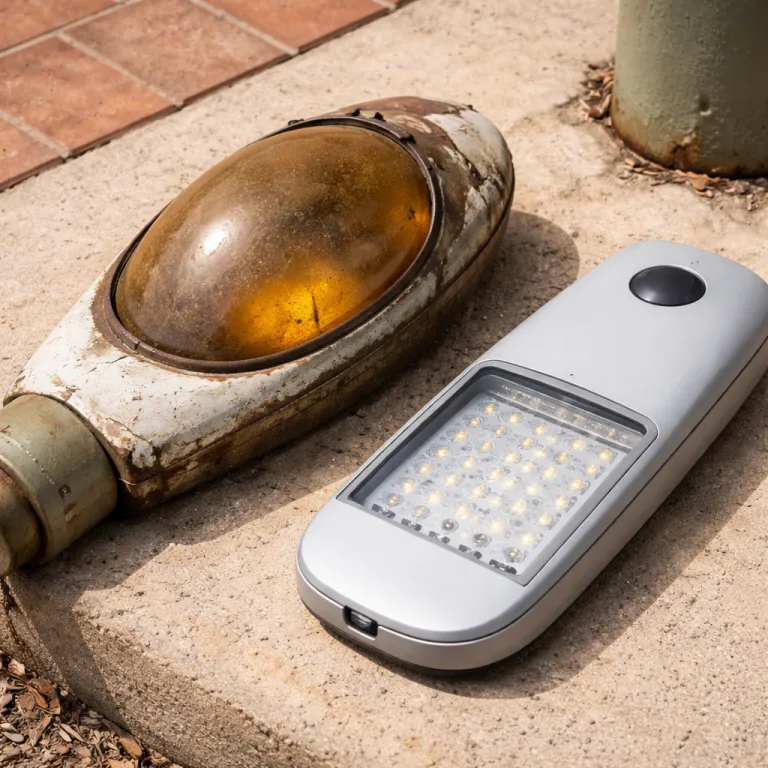
From sodium vapour light to smart lighting ecosystems
Sodium vapour light has long illuminated roads, tunnels, and industrial sites. As smart lighting evolves, this traditional technology still shapes how engineers think about pressure, efficiency, and high intensity discharge lamps. Understanding the legacy of sodium vapor lamps helps consumers compare old infrastructure with new connected products.
Classic high pressure sodium vapour light relies on an electric arc inside an arc tube filled with sodium and other gases. This arc generates a characteristic golden sodium light that is efficient but offers poor colour rendering compared with modern LED light bulb systems. The same physics of discharge lamps, from mercury vapor to sodium lamps, informs how we evaluate brightness, life hours, and energy use in today’s smart lights.
In many cities, high pressure sodium lamp installations still dominate highways and car parks. These lamps high in output use a robust mogul base or sometimes a bulb medium base, and their long life reduces maintenance costs despite a higher initial price. When planners assess whether to retrofit with LED products, they must weigh the remaining life of existing vapor lamps against the benefits of networked control and adaptive dimming.
Low pressure sodium vapor lamps, although less common now, once offered exceptional efficacy. However, their monochromatic sodium light makes colour recognition almost impossible, which is a serious drawback for modern urban design and smart surveillance systems. This tension between raw efficiency and visual quality continues to influence how smart light products are specified for streets, campuses, and logistics hubs.
How sodium lamps work and why they mattered for cities
At the heart of every sodium lamp is a carefully engineered arc tube. When voltage is applied, an electric arc forms through vaporized sodium and other elements, creating high intensity discharge that produces the familiar amber light. This process made sodium vapor lamps a preferred choice for large scale outdoor lighting where efficiency and long life were critical.
High pressure sodium lamps use a compact arc tube that operates at elevated pressure and temperature. This design increases light output and improves colour rendering slightly compared with low pressure sodium vapor lamps, while still keeping energy consumption relatively low. The combination of a durable ceramic arc tube and a sturdy mogul base or medium base allowed these lamps to withstand harsh outdoor conditions.
Municipalities valued sodium vapour light because of its long rated life hours and predictable performance. A single sodium light could operate for many thousands of hours, reducing the frequency of maintenance visits and the overall price of ownership. For budget constrained cities, these products offered a compelling balance between upfront lamp price and long term operational savings.
Today, when urban planners read reviews of a modern smart torchiere or connected street light, they still compare performance against the benchmark set by sodium lamps. Guides such as an honest review of a Govee torchiere floor lamp help frame expectations for light quality, dimming, and control, even if the underlying technology has shifted from intensity discharge to solid state LEDs. The historical role of sodium vapor lamps remains a reference point for evaluating new lighting products.
Comparing sodium vapour light with LED based smart lighting
For people seeking information about smart light, comparing sodium vapour light with LED systems is essential. Sodium lamps excel in lumen output per watt, especially in high pressure configurations, but they fall short in colour rendering and controllability. LED products, by contrast, integrate easily with sensors, wireless controls, and automation platforms.
High pressure sodium vapor lamps typically require warm up time before reaching full intensity. This behaviour limits their suitability for dynamic smart lighting scenarios where instant on, frequent switching, or adaptive dimming are required. LED light bulb designs eliminate warm up delays, enabling responsive control strategies that save additional energy beyond basic efficacy gains.
Another difference lies in form factor and compatibility with smart hardware. Traditional sodium lamps high in wattage use large mogul base sockets and heavy discharge lamps gear, while many smart fixtures rely on compact bulb medium bases or integrated LED modules. When retrofitting, engineers must consider whether existing pressure sodium luminaires can accept new smart products without compromising safety or performance.
Consumers exploring smart ceiling pendants or connected outdoor lights often evaluate price, life hours, and delivery options alongside technical specifications. Resources explaining how to find and use a Govee discount code for smart lighting illustrate how cost sensitive buyers balance initial product price against long term energy savings. In this context, the historical cost effectiveness of sodium vapor lamps provides a useful baseline for judging whether premium smart features justify their higher price.
Technical anatomy of sodium vapor lamps and their components
The performance of any sodium vapour light depends on the precise interaction between sodium, pressure, and the arc tube materials. Inside the discharge lamps, a mixture of sodium and sometimes mercury vapor is sealed within a ceramic or glass arc tube. When energized, the electric arc excites these vapors, producing high intensity radiation that is converted into visible sodium light.
In high pressure sodium lamp designs, the arc tube is compact and operates at elevated pressure, which broadens the sodium emission spectrum. This broadening improves colour rendering slightly compared with low pressure sodium vapor lamps, though the light still appears strongly amber. The surrounding outer bulb, often with a mogul base or medium base, protects the arc tube and helps maintain the necessary thermal conditions.
Low pressure sodium lamps use a different geometry, with a long tubular discharge path operating at lower pressure. These vapor lamps achieve exceptional luminous efficacy but produce nearly monochromatic sodium light, which severely distorts perceived colours. For smart city applications that rely on accurate camera imaging and pedestrian comfort, this trade off has become increasingly unacceptable.
Modern smart luminaires sometimes retain the mechanical footprint of older intensity discharge fittings while replacing the internal engine with LEDs. Installers must understand the original sodium lamps high wattage ratings, ballast requirements, and life hours to design safe retrofits. Detailed knowledge of legacy products, including sku references, arc tube dimensions, and bulb medium or mogul base types, ensures that upgrades respect both electrical codes and user expectations.
From legacy street lights to connected smart light networks
Many existing street lights still rely on sodium vapour light, especially in regions where large scale retrofits are only beginning. These installations often use high pressure sodium vapor lamps with long life hours and proven reliability. Transitioning them into smart light networks requires careful planning around controls, sensors, and communication protocols.
One strategy involves replacing only the lamp with an LED light bulb while keeping the original luminaire and wiring. However, because sodium lamps high in wattage were designed for specific ballasts and thermal conditions, such partial upgrades can be complex. Engineers must verify that any new products match the electrical characteristics and do not over stress the existing intensity discharge infrastructure.
Another approach is full luminaire replacement, where the entire sodium light fitting is swapped for a smart ready product. Here, planners compare the price of new fixtures, expected life hours, and the benefits of adaptive dimming, occupancy sensing, and remote monitoring. Detailed sku level planning helps coordinate delivery, installation sequencing, and integration with city asset management systems.
For indoor environments, consumers might move directly from traditional discharge lamps to advanced smart pendants or floor lamps. A detailed test of a white ambiance smart ceiling suspension pendant shows how features like dimming, scene presets, and voice control contrast with the simple on off behaviour of sodium vapor lamps. Even in these modern products, the legacy of pressure sodium technology remains a reference for durability, output, and total cost of ownership.
Evaluating price, performance, and lifespan in the smart light era
When evaluating any lighting product, whether a sodium vapour light or a connected LED lamp, three factors dominate decisions. These are price, performance, and life, all of which interact with maintenance and energy costs. For municipalities and facility managers, the balance between upfront investment and long term savings is particularly critical.
Sodium vapor lamps historically offered an attractive combination of low price per lumen and long life hours. High pressure sodium lamp models could operate for many thousands of hours before replacement, reducing labour costs for relamping. However, their limited controllability meant that additional energy savings through dimming or adaptive control were difficult to achieve.
Modern smart lights, by contrast, may have a higher initial product price but offer granular control over intensity and scheduling. This capability allows operators to reduce output during low traffic periods while maintaining safety, something impossible with traditional intensity discharge systems. Over time, these operational savings can offset the higher purchase price, especially when combined with incentives or bulk delivery contracts.
Consumers comparing sodium lamps with smart bulbs should also consider qualitative aspects such as colour quality and user experience. A sunlite high performance LED light bulb, for example, can emulate the warm tone of sodium light while providing better colour rendering and instant control. In many cases, the improved visual comfort and flexibility of smart products justify their higher price, particularly when integrated into broader home automation ecosystems.
Future relevance of sodium vapour light in a smart lighting world
Although LEDs dominate new installations, sodium vapour light will remain relevant wherever existing infrastructure still functions reliably. Many road networks and industrial sites continue to operate high pressure sodium vapor lamps with acceptable performance. Replacing these systems prematurely may not always deliver the best financial or environmental outcome.
In some cases, hybrid strategies emerge, where critical zones receive smart LED upgrades while secondary areas retain sodium lamps. This approach allows operators to focus investment where adaptive control and high intensity modulation deliver the greatest benefits. Over time, as sodium light fittings reach the end of their life hours, they can be replaced systematically with connected products.
Manufacturers still support a range of sodium lamps, vapor lamps, and compatible components, including mogul base and bulb medium options. These products ensure that legacy discharge lamps installations remain safe and functional during the transition period. Careful sku management, coordinated delivery, and transparent price structures help asset owners plan multi year upgrade paths.
For individual consumers, the lessons from sodium vapor technology inform smarter choices about modern lighting. Understanding how pressure sodium systems balanced efficiency, durability, and cost provides context when selecting a sunlite high efficiency LED bulb or other smart products. As smart light ecosystems expand, the story of sodium vapour light remains a foundational chapter in the evolution of artificial lighting.
Key statistics about sodium vapour light and smart lighting
- Global street lighting still includes a significant share of high pressure sodium lamps, especially on highways and industrial roads.
- Typical life hours for many high pressure sodium vapor lamps range from several thousand to well over ten thousand hours, depending on operating conditions.
- Low pressure sodium lamps historically achieved some of the highest luminous efficacy values among discharge lamps, although with very poor colour rendering.
- Modern LED based smart lights can reduce energy consumption by a substantial percentage compared with legacy sodium light systems when combined with adaptive controls.
Frequently asked questions about sodium vapour light and smart lighting
How does sodium vapour light differ from LED smart lighting
Sodium vapour light uses an electric arc through sodium and other gases, while LED smart lighting relies on solid state semiconductors. Sodium lamps offer high efficacy and long life but limited control and poor colour rendering. LED smart lights provide better colour quality, instant dimming, and integration with sensors and automation platforms.
Is it worth replacing high pressure sodium lamps with smart LEDs
Replacing high pressure sodium lamps with smart LEDs is often worthwhile when energy prices are high and lighting operates many hours per day. Smart LEDs enable dimming, scheduling, and occupancy based control, which can significantly reduce energy use. However, asset owners should compare remaining life hours of existing lamps with the cost and benefits of new products.
Can existing sodium lamp fixtures be converted to smart lighting
Many existing sodium lamp fixtures can be converted to smart lighting, but the process requires careful engineering. Some retrofits replace only the lamp and control gear, while others involve full luminaire replacement. Safety, electrical compatibility, and thermal performance must be verified before any conversion.
Why do sodium vapour street lights look orange
Sodium vapour street lights look orange because the sodium emission spectrum is concentrated in the yellow to orange region. High pressure sodium lamps broaden this spectrum slightly but still produce a warm amber tone. Low pressure sodium lamps are even more monochromatic, which makes colours appear distorted under their light.
Are sodium vapour lights still being installed today
Sodium vapour lights are still installed in some projects, particularly where cost and proven reliability outweigh the need for advanced control. However, most new public lighting projects now specify LED based systems, often with smart features. Existing sodium installations will likely remain in service for many years as they are gradually replaced.