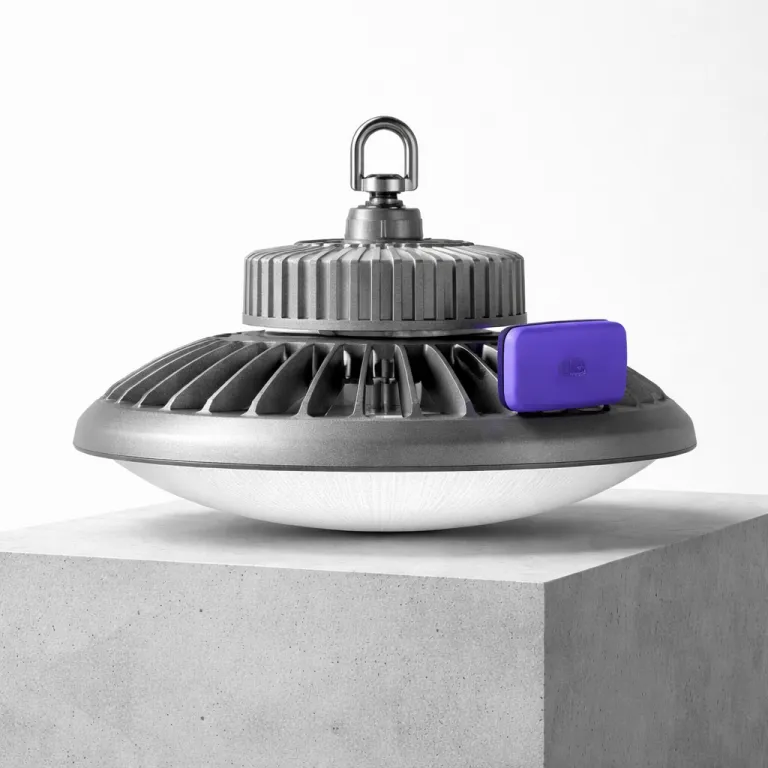
Lbled smart lighting as a high performance standard for modern spaces
The term lbled now refers to a family of smart light solutions that reshape how large interiors are illuminated. In many projects, an lbled product is specified as a high performance source that must meet a strict lumen standard while staying energy efficient. Facility managers compare lbled products with conventional light fittings to evaluate performance, warranty conditions, and long term operating costs.
In warehouses and retail halls, a bar led format often replaces bulky fixtures and enables continuous row mounting along bays indoor. This lbled low profile design supports both high bay and low bay installations, creating a distribution ideal for aisles, dock bays, and indoor perimeter zones. When several bar led luminaires are connected in a continuous row, the lighting distribution becomes more uniform and reduces shadows between racks.
Manufacturers position each lbled product as a price product that balances initial investment and high impact energy savings. The same lbled products also offer multiple lumen packages, so designers can match the lumen output to specific applications stand such as lighting dock areas or indoor perimeter corridors. In many tenders, the seller must document how each lbled product and its lumen packages comply with the relevant lighting standard for safety and visual comfort.
Because lbled solutions are smart by design, they integrate sensors and controls that adapt light levels to occupancy and daylight. This smart capability turns every lbled product into a responsive source that maintains high performance while avoiding unnecessary energy use. For buyers, the combination of smart control, robust warranty, and flexible bar led formats makes lbled lighting a compelling standard for modern projects.
Metalux lbled systems, asymmetric distribution and perimeter applications
Within the lbled universe, Metalux lbled systems illustrate how smart lighting can address complex layouts. A typical Metalux lbled product is engineered for high performance in both high bay and low bay environments, with optics that shape the light distribution ideal for specific tasks. When these Metalux lbled products are installed as a bar led line, they can create a stand continuous configuration that simplifies wiring and control.
One of the key strengths of these lbled products is the option for asymmetric distribution that targets indoor perimeter and perimeter applications. An asymmetric lbled light source throws more lumen output toward shelves or walls, reducing wasted light in the central aisle. In plural form, asymmetric distributions from several lbled products can be combined to achieve a high impact visual effect while maintaining energy efficiency.
Designers often specify lbled lighting with asymmetric distribution for lighting dock zones and dock bays, where vertical surfaces and loading doors must be clearly visible. In these bays indoor, a smart lbled product with tuned lumen packages can meet the lighting standard for safety while limiting glare for drivers. For more insights into advanced smart lighting controls, many professionals review this detailed guide on innovations in smart lighting control platforms.
Because lbled systems are smart, they can be grouped into zones that respond differently in indoor perimeter corridors versus central high bay areas. This zoning allows each lbled product to deliver high performance only where needed, extending the effective warranty period by reducing operating hours. Over time, the combination of asymmetric distribution, smart zoning, and robust lbled products helps facilities maintain a consistent lighting standard across varied applications stand.
High bay and low bay strategies with lbled bar led luminaires
High bay and low bay spaces present different challenges, yet lbled bar led luminaires can address both. In a high bay warehouse, each lbled product must project sufficient lumen output from a great height while preserving uniform light on the floor. These lbled products often use narrow beam optics to concentrate the source output and meet the required lighting standard with fewer fittings.
In low bay environments such as workshops or retail areas, lbled low bay luminaires prioritize visual comfort and reduced glare. Here, a bar led format with wider distribution ideal for close working distances ensures that the light feels softer while still delivering high performance. When several lbled low bay products are installed in a continuous row, they create a stand continuous line that visually organizes the ceiling and simplifies maintenance.
Smart controls further enhance lbled performance in both high bay and low bay scenarios by adjusting lumen packages according to occupancy patterns. For example, lighting dock areas and dock bays can remain at a lower lumen level until sensors detect movement, then the lbled products ramp up quickly. Readers interested in how smart lamps behave in real homes often consult an independent review such as this smart light starter kit test.
Because lbled systems are smart, they can log operating hours and support predictive maintenance based on real usage. This data driven approach helps the seller and end user manage warranty claims more effectively for each lbled product. In practice, combining bar led formats, tuned lumen packages, and smart monitoring creates a high impact strategy for both high bay and low bay lighting.
Smart lbled controls, white tuning and content management for users
Beyond hardware, lbled lighting stands out through its smart control capabilities and white tuning options. A modern lbled product can shift from warm white to cool white light, allowing users to adapt the source to different tasks or times of day. When multiple lbled products are grouped, this tunable white feature can create zones of focused light or relaxed ambience within the same space.
Smart platforms associated with lbled lighting also manage content such as schedules, sensor data, and energy reports. Facility teams can access this content through dashboards that show how each lbled product and its lumen packages contribute to overall performance. Over time, this content helps refine settings so that the lighting standard is met with the minimum necessary lumen output.
In retail or industrial environments, bar led luminaires arranged in a continuous row can be controlled as a single lbled low bay or high bay group. These groups can respond to occupancy in bays indoor, dimming when areas are empty and brightening when workers enter lighting dock zones. For readers evaluating smart fixtures for homes or small offices, an in depth review such as this analysis of a smart floor lamp and its control features can provide useful context.
Because lbled systems are smart, they can integrate with building management platforms that coordinate heating, ventilation, and security. This integration allows each lbled product to act as both a light source and a sensor node, increasing the high impact value of the installation. For users, the combination of tunable white, detailed content, and integrated controls makes lbled lighting a flexible tool rather than a static product.
Evaluating lbled products, warranty terms and price product positioning
When comparing lbled products, buyers must balance performance, warranty, and price product considerations. A high performance lbled product typically offers higher lumen packages, better optics, and a longer warranty, but it may cost more initially. Conversely, an entry level lbled product might be positioned as a price product with fewer features yet still meet the basic lighting standard.
To make an informed choice, specifiers examine how each lbled product performs in real applications stand such as high bay warehouses, low bay workshops, and lighting dock areas. They assess whether the bar led format supports continuous row mounting, stand continuous layouts, and flexible row mounting for future changes. They also verify that the lumen packages and asymmetric distribution options can handle indoor perimeter and perimeter applications without over lighting.
Another key factor is the reliability of the seller and the clarity of warranty terms for both singular lbled product units and larger lbled products portfolios. Buyers look for transparent documentation that explains how smart features, such as dimming and sensors, affect warranty coverage. They also consider whether the lbled products have been tested for high impact resistance in demanding environments like dock bays and bays indoor.
In many tenders, lifecycle cost analysis shows that a higher priced lbled product with robust smart controls and a strong warranty can outperform a cheaper price product over time. Energy savings from optimized lumen packages and smart scheduling often offset the initial investment. As a result, lbled lighting is increasingly viewed as a strategic asset rather than a simple commodity product.
Designing lbled layouts for bays indoor, dock bays and perimeter zones
Effective lbled lighting design begins with understanding how people use bays indoor, dock bays, and perimeter applications. In bays indoor, a high bay lbled product may be needed to project sufficient lumen output onto the floor and shelving. In contrast, dock bays often benefit from lbled low bay luminaires with asymmetric distribution that emphasize vertical surfaces and loading doors.
Designers frequently use bar led luminaires in a continuous row to create a stand continuous line of light along aisles. This approach ensures that each lbled product contributes to a uniform distribution ideal for tasks such as picking, packing, or vehicle maneuvering. When multiple lbled products are arranged in rows, careful row mounting and spacing help maintain the required lighting standard without wasting energy.
Indoor perimeter corridors and perimeter applications require a different strategy, often relying on asymmetric lbled light sources. Here, the goal is to direct lumen output toward walls and signage while avoiding glare into adjacent spaces. By selecting lbled products with suitable lumen packages and smart controls, designers can tailor light levels to occupancy patterns and security needs.
Because lbled systems are smart, they can adapt over time as layouts change in bays indoor or dock bays. A seller can reprogram each lbled product or groups of lbled products to match new racking, machinery, or traffic flows. This flexibility, combined with durable construction and clear warranty terms, makes lbled lighting a resilient choice for evolving industrial and commercial environments.
Key statistics about smart lbled lighting
- Smart lbled high bay and low bay systems can reduce lighting energy consumption by up to 50 % compared with conventional non smart fixtures when combined with sensors and scheduling.
- Projects using lbled products with optimized lumen packages often achieve payback periods between 3 and 7 years depending on operating hours and local energy prices.
- Facilities that implement smart lbled controls in bays indoor and dock bays typically report lighting related maintenance cost reductions of 20 % to 30 % over the warranty period.
- In large warehouses, continuous row bar led installations with lbled products can improve measured task area uniformity by more than 25 % compared with legacy point source luminaires.
Questions people also ask about lbled smart lighting
How does lbled lighting differ from traditional LED high bay fixtures ?
Lbled lighting differs from traditional LED high bay fixtures through its integrated smart controls, flexible lumen packages, and advanced optics. While a conventional LED high bay product may simply switch on and off, an lbled product can dim, respond to sensors, and adjust white light to suit different tasks. This combination of smart features and high performance optics allows lbled systems to meet strict lighting standard requirements with fewer luminaires and lower energy use.
Can lbled products be used in both high bay and low bay applications ?
Lbled products are specifically designed to serve both high bay and low bay applications through tailored optics and mounting options. A single lbled product family may include narrow beam versions for high bay spaces and wider distribution ideal variants for low bay areas. This versatility allows designers to maintain a consistent visual language and warranty framework across bays indoor, dock bays, and indoor perimeter zones.
What role do smart controls play in lbled lighting performance ?
Smart controls are central to lbled lighting performance because they manage when and how each light source operates. By using occupancy sensors, daylight harvesting, and scheduling, an lbled product can deliver the required lumen output only when needed. Over time, this smart behavior reduces energy consumption, extends component life, and helps facilities maintain compliance with their chosen lighting standard.
How should buyers evaluate the warranty and price product balance for lbled systems ?
Buyers should evaluate lbled systems by comparing warranty length, coverage conditions, and the total cost of ownership rather than focusing solely on initial price product. A higher priced lbled product with a longer warranty and proven high performance may offer better value over the system lifetime. Considering maintenance savings, energy reductions from optimized lumen packages, and the reliability of the seller helps clarify which lbled products provide the best long term investment.
Are lbled bar led luminaires suitable for continuous row mounting in industrial spaces ?
Lbled bar led luminaires are well suited to continuous row mounting in industrial spaces because their linear form factor supports stand continuous layouts. When installed in rows, each lbled product contributes to a uniform light distribution ideal for aisles, workstations, and lighting dock areas. This approach simplifies wiring, enhances visual guidance in bays indoor, and allows smart controls to manage entire rows as coherent lighting zones.