Philips Hue and premium ecosystems for demanding users
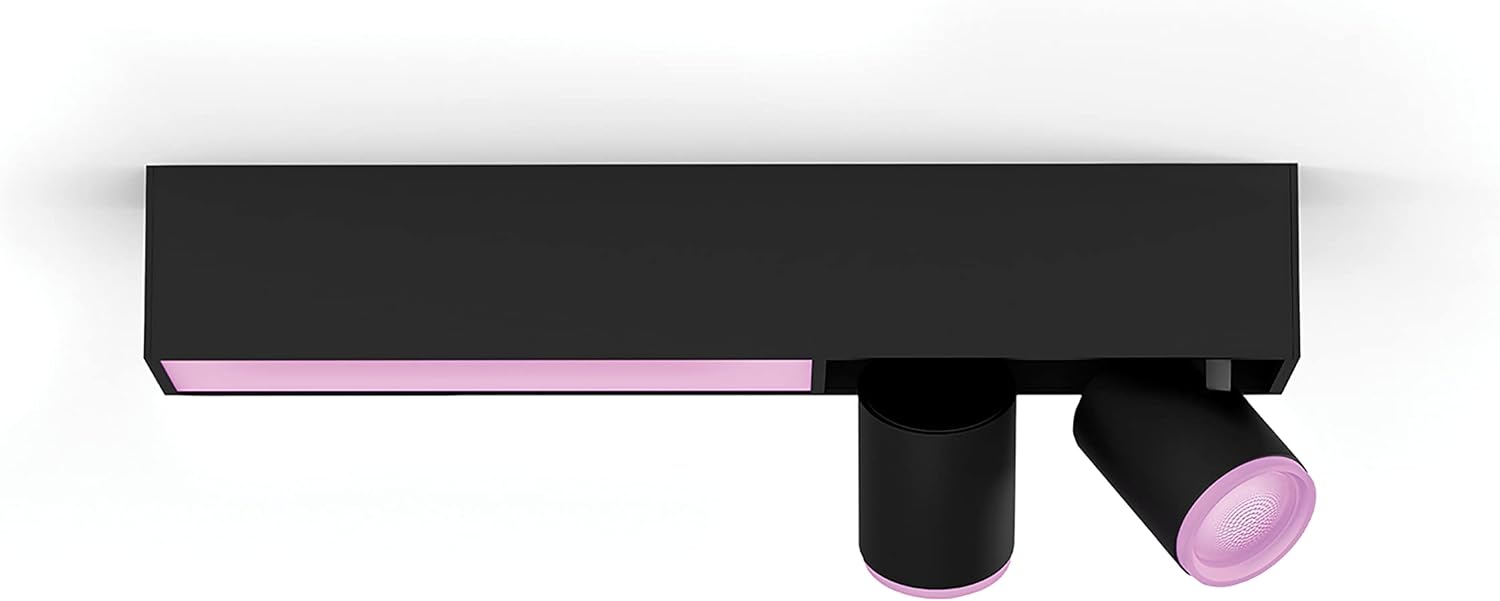
Philips Hue remains the reference point whenever experts compare the best smart lights compatible with Alexa. The Hue range covers almost every format, from classic E27 light bulb models to GU10 spots and LED light strips, all of which work with Alexa and also integrate with Google Assistant and Apple HomeKit. This breadth of product choice makes it easier to keep the same colour ambience and white tone across an entire flat or house.
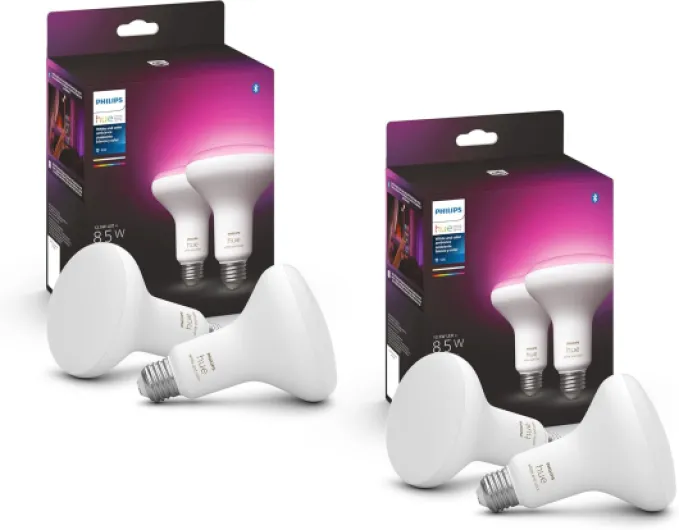
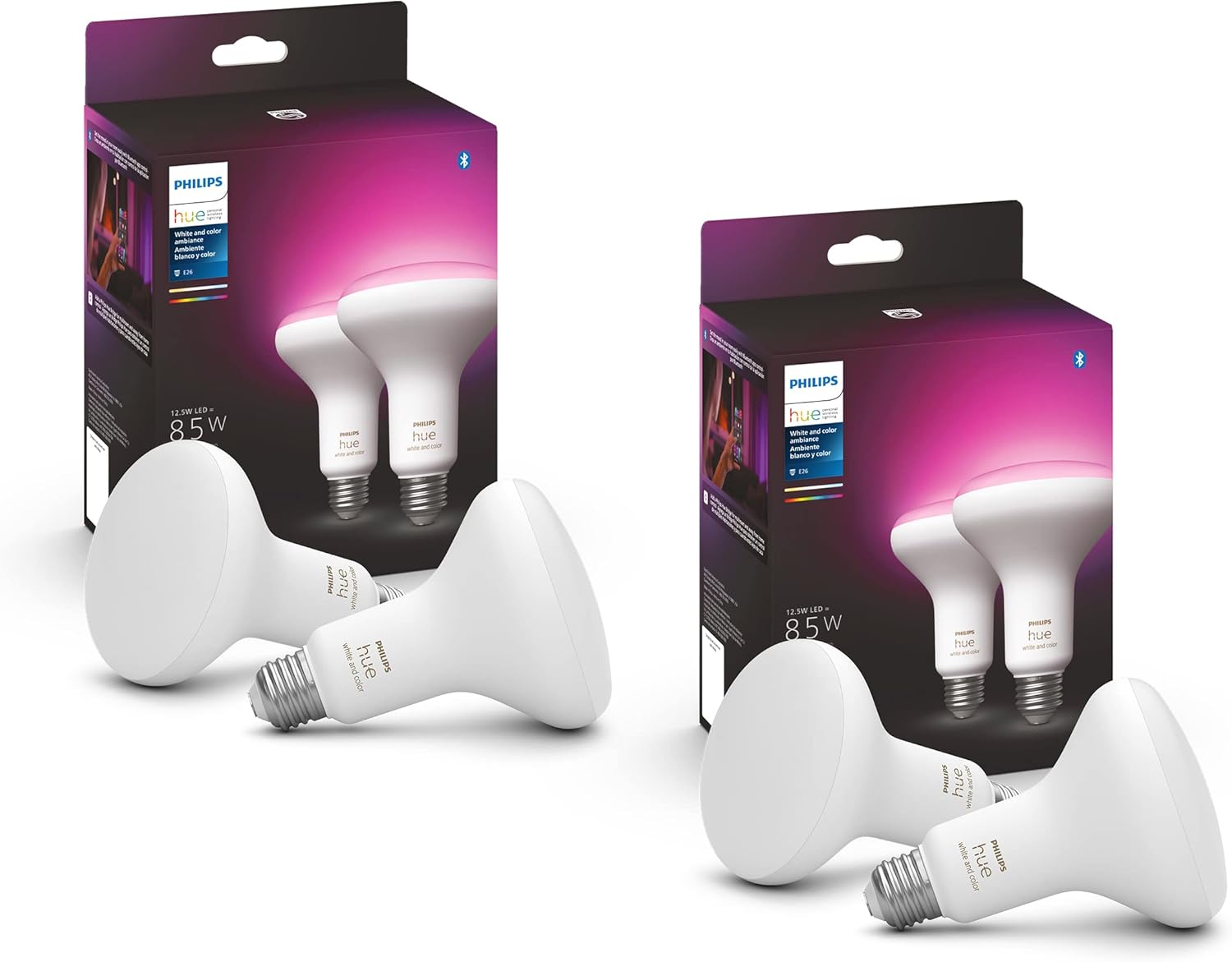
One flagship option is the Philips Hue White & Color Ambiance A19/E26 bulb. It typically delivers around 800 lumens at 9.5 W, with a colour temperature range of about 2,000–6,500 K and full RGB colour. Typical efficacy is in the region of 80–85 lm/W, with a colour rendering index (CRI) of roughly 80–90 depending on the exact variant. It requires the Hue Bridge hub for the most reliable performance and advanced scenes, and usually sells in the region of $35–$50 per bulb or $80–$120 for starter kits that bundle the bridge and several lamps (indicative street prices in North America and Europe, checked Q1 2026; actual prices vary by retailer and promotions).
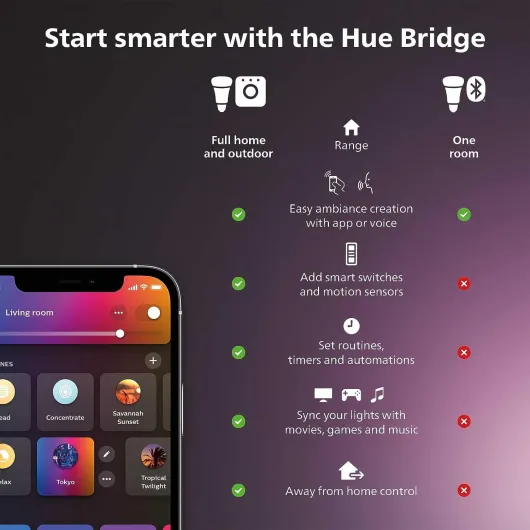
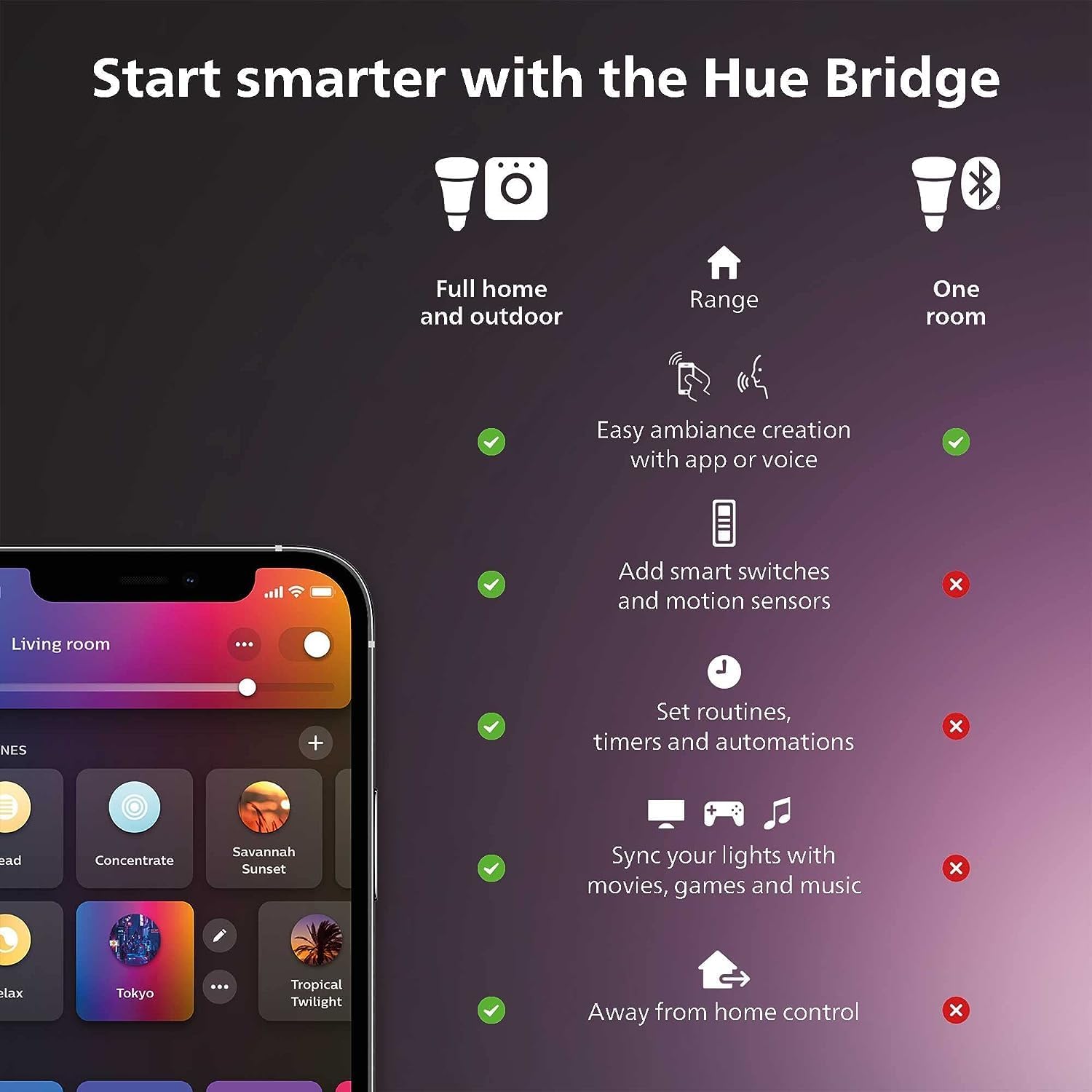
Because Philips Hue uses a dedicated hub (the Hue Bridge), the system can handle many more smart bulbs than most Wi‑Fi‑only rivals. That hub‑required approach adds an extra upfront cost, yet it improves reliability, reduces Wi‑Fi congestion, and allows more advanced automation scenes that work with Alexa, Google Assistant, and other platforms simultaneously. In independent latency tests, hub‑based systems like Hue often switch in well under a second once a command is received, even when dozens of lamps are online. Once the Hue Bridge is online, every new Hue LED bulb or smart light you add appears in the same app and can be grouped by room, zone, or activity.
Hue also excels in nuanced colour‑changing performance, which matters if you care about accurate warm white and cool white shades. The latest Hue White and Color Ambiance bulbs, for example, offer richer saturation for entertainment setups, while the more affordable Philips Hue White A19 bulbs focus on comfortable everyday lighting at around 800 lumens, 8.5–9 W, and fixed warm white (approximately 2,700 K). If you want the most polished smart experience for film nights, gaming, and reading, Philips Hue still feels like one of the most refined smart lighting ecosystems and is often recommended as a top‑tier “best smart” option for demanding users.
Budget friendly options like Wyze bulb and Kasa Smart
Not everyone needs a premium ecosystem to enjoy the best smart lights compatible with Alexa at home. Brands such as Wyze and Kasa Smart focus on LED smart bulbs that connect directly to Wi‑Fi, which means no separate hub is required and the starting price per light bulb is lower. These smart bulbs still work with Alexa and often also work with Google Assistant, giving you hands‑free voice control without a heavy investment.
The Wyze Bulb Color is a popular budget choice. It typically offers up to 1,100 lumens at around 12 W, with a tunable white range of roughly 1,800–6,500 K plus full colour, and it connects directly to Wi‑Fi with no hub required. That translates to an efficacy of around 90–95 lm/W at maximum brightness, with a CRI usually quoted at 80+. Prices often sit near $15–$20 per bulb, with multi‑packs reducing the per‑bulb cost (typical online pricing in major markets as of early 2026).
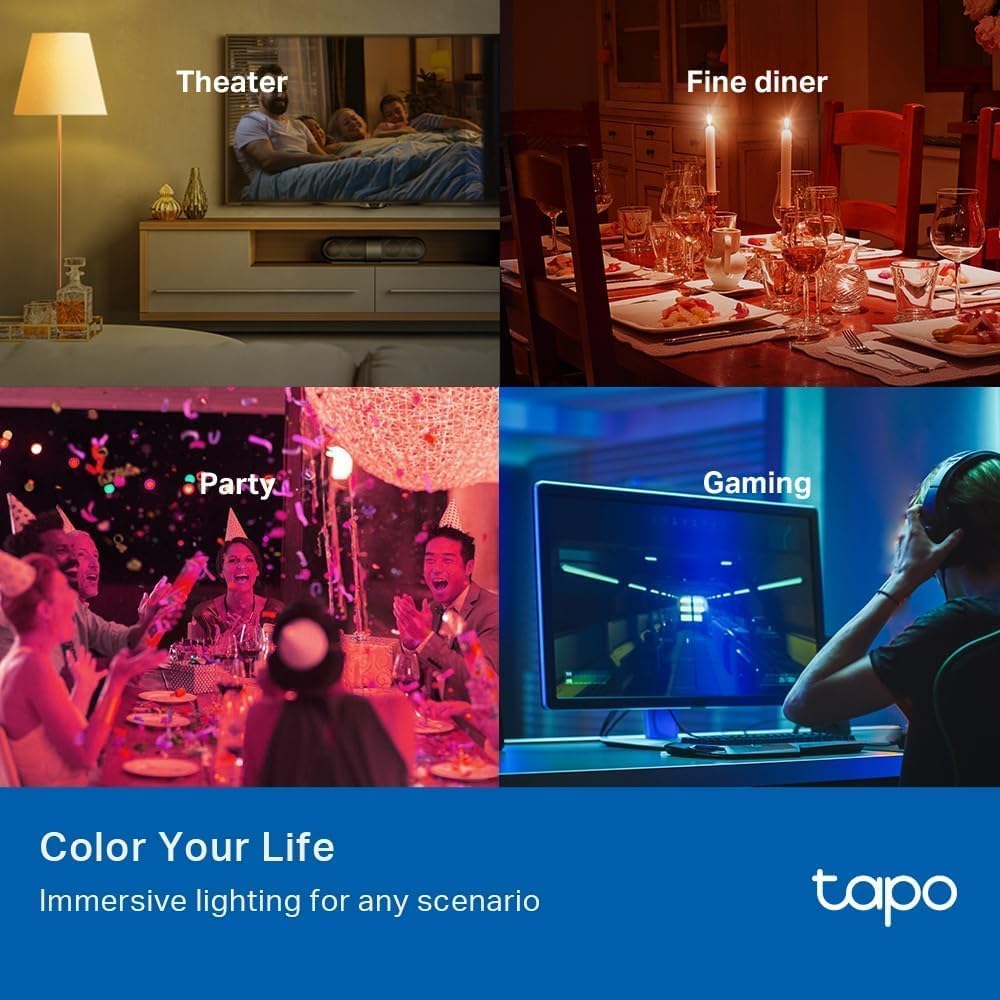
Kasa Smart bulbs from TP‑Link follow a similar pattern, offering tunable white and full colour ambience options that integrate tightly with the Kasa app and with Alexa routines for wake‑up or away‑from‑home scenes. For example, the TP‑Link Kasa KL125 multicolour bulb usually delivers around 800 lumens at 9 W, with a colour temperature range of about 2,500–6,500 K, Wi‑Fi connectivity, and no hub requirement. That equates to roughly 85–90 lm/W, again with a typical CRI of around 80. Typical pricing is around $12–$18 per bulb, with frequent discounts on twin‑packs and four‑packs. In both cases, the product lines are designed to work with existing Wi‑Fi networks, so you simply screw in the LED bulb, pair it in the app, and then link the account to Amazon Alexa.
These budget smart bulbs may not match Philips Hue for ultra‑precise colour or advanced effects, yet they deliver strong everyday performance. For renters or students who want the best smart value, a few Wyze Bulb units or Kasa Smart bulbs can transform a small flat into a responsive smart light environment. When you compare offers on Amazon, pay attention to multi‑pack price deals and seasonal discounts, because buying several bulbs together often brings the cost per smart bulb down significantly compared with single‑bulb purchases.
Voice control, apps, and how Alexa works with other assistants
Voice control is the main reason many people search for the best smart lights compatible with Alexa in the first place. Once a smart bulb or LED smart light is linked to your Amazon account, you can say simple commands such as “Alexa, turn off the bedroom light” or “Alexa, set the living room lights to warm white”. These quick phrases feel natural and remove the need to reach for a phone app every time.
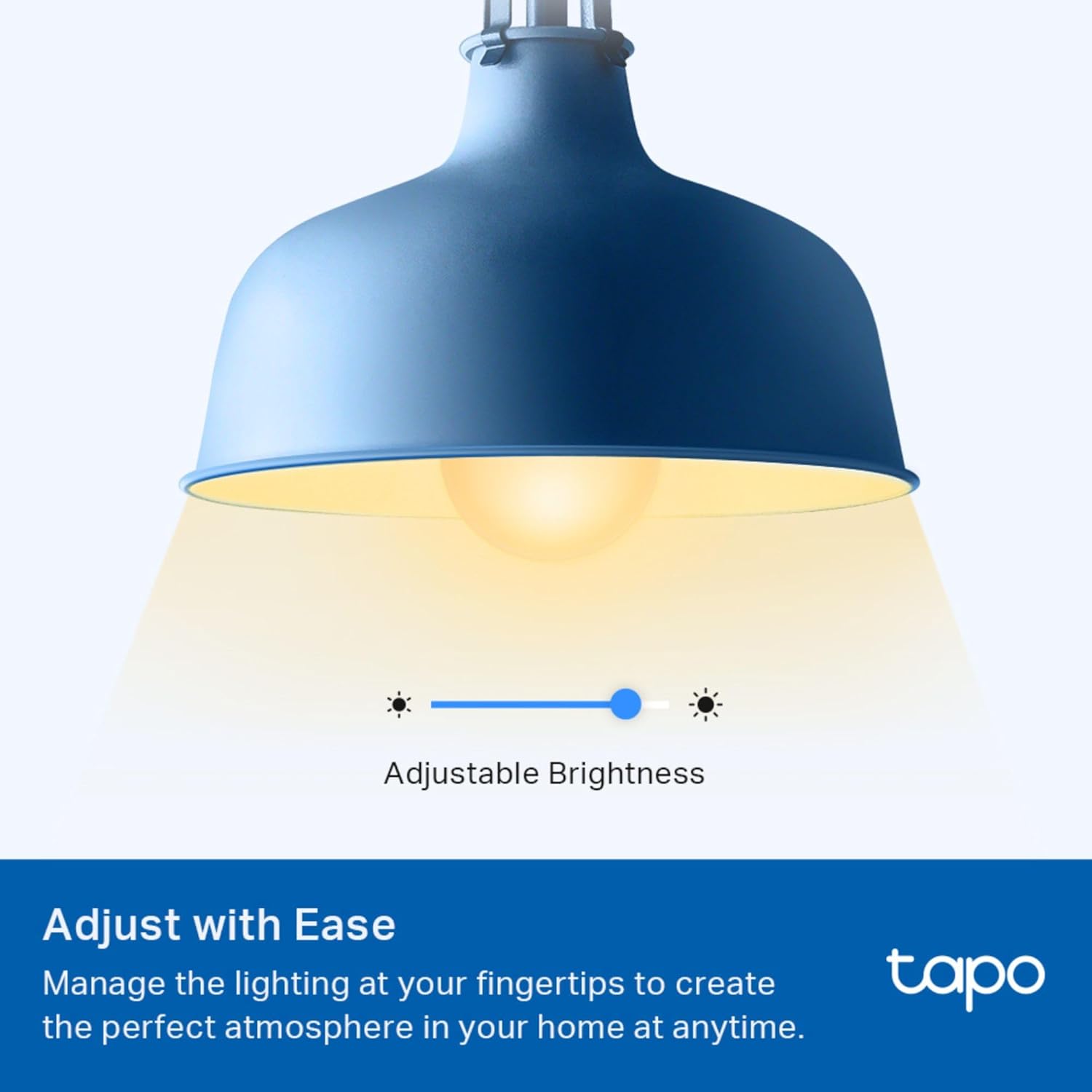
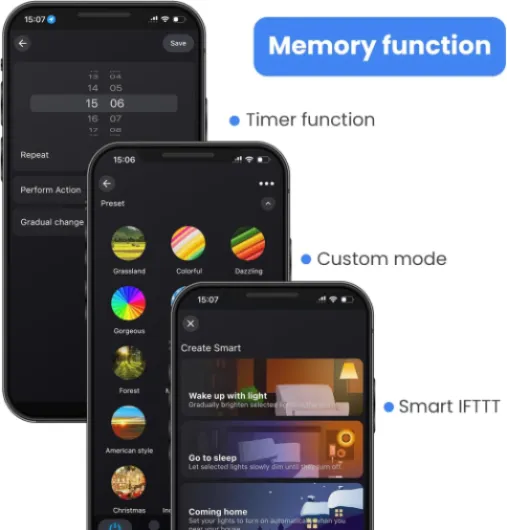
The companion app still matters, because it unlocks deeper control than voice alone. Within the Philips Hue app, the Wyze app, or the Kasa Smart app, you can fine‑tune colour ambience, set gradual dimming schedules, and create scenes that work with Alexa and Google Assistant routines or with Google Assistant directly. Many people use the app to define a base schedule, then rely on Alexa voice commands for ad hoc changes during the evening.
Households that mix platforms should check how each product works with multiple ecosystems before buying. A smart light that works with Alexa, Google Assistant, and Apple Home offers more long‑term flexibility if you later change phones or add a different smart speaker. When you evaluate the best smart options, prioritise bulbs and fixtures that support at least Amazon Alexa and one other assistant, because that combination protects your investment and keeps control options open for everyone in the home.
Some brands also support emerging standards such as Matter, which aims to simplify cross‑platform control across Alexa, Google Home, and Apple Home. Checking the product page or independent test data for Matter support can help future‑proof your smart lighting setup.
Technical criteria that define the best smart bulbs
Beyond brand names, several technical details separate average devices from the best smart lights compatible with Alexa. Brightness, measured in lumens, determines whether an LED bulb can replace a traditional 60‑watt light bulb in a living room or only suits accent lighting in a corridor. You should also check the colour temperature range, because a wider span from warm white to cool white gives more flexibility for work, relaxation, and reading.
Energy efficiency is another key factor when comparing smart bulbs and LED fixtures. Modern LED light bulbs use far less electricity than old incandescent bulbs, and when combined with app‑based control and motion sensors, they can reduce wasted energy in rarely used rooms. According to the U.S. Department of Energy and European Commission research, replacing traditional incandescent lamps with LED alternatives can cut lighting electricity consumption by roughly 70–80 % in a typical home, depending on usage patterns and the efficiency of the chosen bulbs.
Network stability and security deserve attention as well, particularly when every smart light connects through your router. Systems that use a dedicated hub required for communication, such as Philips Hue, offload traffic from Wi‑Fi and can improve reliability for both lights and other devices. Wi‑Fi‑based options like Wyze Bulb or Kasa Smart bulbs avoid the extra hub cost, but you should ensure your router can handle the number of connected bulbs, smart speakers, and phones that share your network daily.
At‑a‑glance comparison of popular Alexa smart bulbs
| Model |
Brightness (lumens) |
Colour temperature |
Power (W) |
Hub required |
Typical price* |
| Philips Hue White & Color Ambiance A19 |
≈ 800 lm |
≈ 2,000–6,500 K + colour |
≈ 9.5 W |
Yes (Hue Bridge) |
$35–$50 per bulb |
| Philips Hue White A19 |
≈ 800 lm |
≈ 2,700 K (warm white) |
≈ 8.5–9 W |
Yes (Hue Bridge) |
$15–$25 per bulb |
| Wyze Bulb Color |
Up to ≈ 1,100 lm |
≈ 1,800–6,500 K + colour |
≈ 12 W |
No (Wi‑Fi) |
$15–$20 per bulb |
| TP‑Link Kasa KL125 |
≈ 800 lm |
≈ 2,500–6,500 K + colour |
≈ 9 W |
No (Wi‑Fi) |
$12–$18 per bulb |
*Indicative street prices at major online retailers; actual pricing varies by region, retailer, and promotions.
Practical buying guide for different rooms and lifestyles
Choosing the best smart lights compatible with Alexa becomes easier when you match products to specific rooms. In bedrooms, a dimmable white smart bulb with gentle colour ambience often works best, because you can schedule gradual wake‑up scenes and softer evening light. For home offices, brighter LED smart bulbs with cooler white tones help maintain focus during long work sessions.
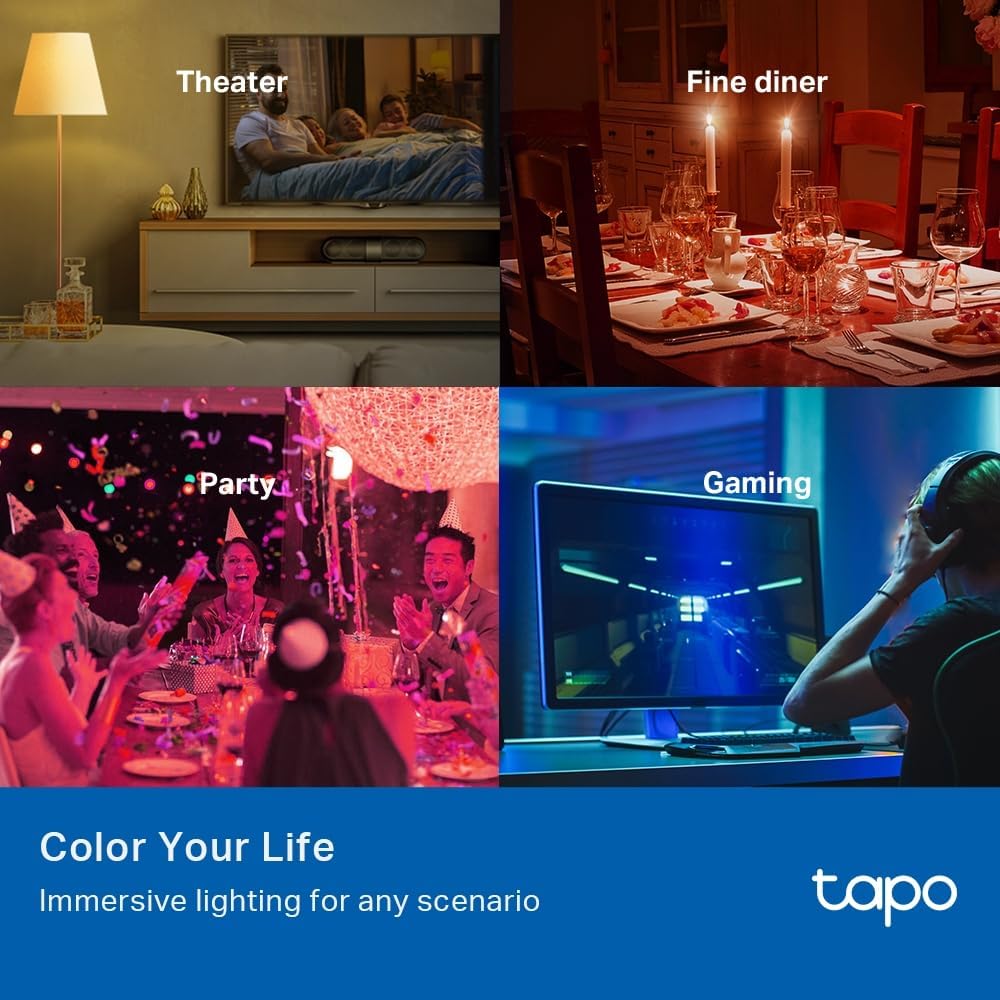
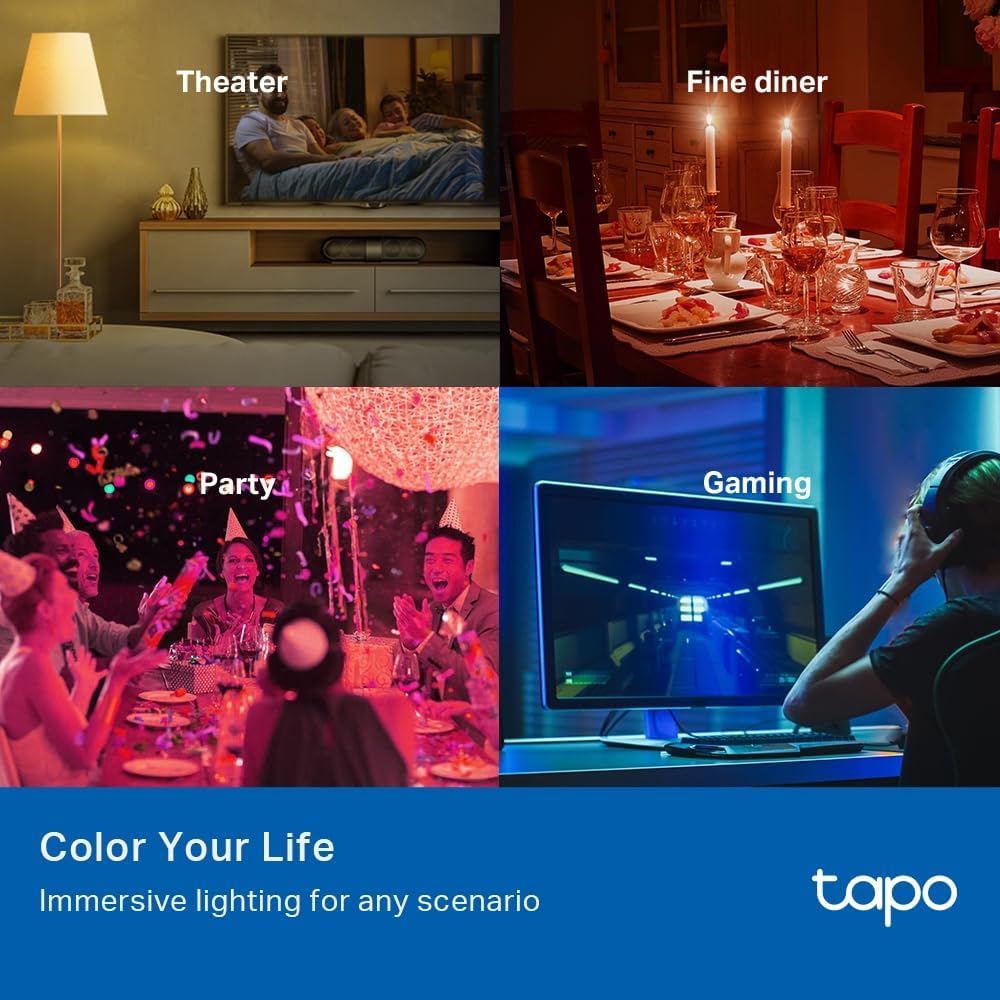
Living rooms usually benefit from a mix of smart bulbs and accent light strips behind furniture or screens. A combination of Philips Hue colour bulbs and a Wyze Bulb or Kasa Smart bulb in floor lamps can create layered lighting that works with Alexa and Google routines for film nights, reading, or entertaining guests. Kitchens and bathrooms, by contrast, often need higher brightness and accurate white light bulbs, so prioritise lumens and colour temperature over dramatic colour‑changing effects there.
Think about how each space is used before you compare offers and price levels on Amazon or in local shops. If you travel often, focus on products that work with robust remote control through the app, allowing you to check whether any light was left on and to simulate presence while away. For people who rarely adjust settings, a simple set of reliable smart white bulbs that respond quickly when Alexa is asked to turn them on or off is usually more valuable than complex scenes they never use.
When in doubt, consult independent product tests and long‑term reviews that measure real‑world brightness, colour accuracy, and app stability. These data‑driven comparisons can highlight whether a particular Alexa‑enabled bulb lives up to its specifications in everyday use.
Key statistics about smart lighting and voice control
- Market analysts such as Mordor Intelligence and Statista estimate that smart lighting now represents a significant and steadily growing share of residential lighting sales worldwide, reflecting rapid adoption of smart bulbs and LED fixtures. Exact percentages vary by region and year, so always check the latest reports for up‑to‑date figures.
- Surveys of connected‑home users from firms like Parks Associates and Strategy Analytics consistently show that lighting control is one of the top use cases for smart speakers, often ranking alongside music playback and weather queries as a primary reason people use voice assistants.
- Independent energy studies, including reports from the U.S. Department of Energy and the European Commission, indicate that replacing traditional incandescent bulbs with LED alternatives can cut lighting electricity consumption by around 70–80 % in a typical home, depending on usage patterns and the efficiency of the chosen LED bulbs.
- Consumer research from major retailers and price‑tracking services suggests that multi‑pack offers on smart bulbs frequently reduce the effective price per bulb compared with single‑bulb purchases, with discounts that can reach 20–30 % during large sales events such as Black Friday or Prime Day.


![NEW White and Colour Ambiance Smart Light Bulb Starter Kit, 75W - 1100 Lumen [E27 Edison Screw] 2 Bulbs + Smart Button - With Bluetooth - Works with Alexa, Google Assistant and Apple Homekit E27 2 Pack Starter Kit + Button](https://www.smart-light-guru.com/storage/1015385/conversions/71yJIPbE0LL._AC_SL1500_-medium.webp)
![TP-Link Smart Bulb, Smart WiFi LED Light, E27, 8.3W, Works with Amazon Alexa(Echo and Echo Dot) and Google Home, Colour-Changeable, No Hub Required L530E [Energy Class F]](https://www.smart-light-guru.com/storage/939170/conversions/61umAkCvEzL._AC_SL1000_-medium.webp)


![Amaze White and Colour Ambiance Ceiling Pendant Smart Light [White] Suitable for Kitchen and Dining, with Bluetooth, Works with Alexa, Google Assistant and Apple Homekit White New Generation](https://www.smart-light-guru.com/storage/797098/conversions/31-Pf922v2L._AC_-medium.webp)
![NEW White and Colour Ambiance Smart Light Bulb Starter Kit, 75W - 1100 Lumen [E27 Edison Screw] 2 Bulbs + Smart Button - With Bluetooth - Works with Alexa, Google Assistant and Apple Homekit E27 2 Pack Starter Kit + Button](https://www.smart-light-guru.com/storage/1015385/71yJIPbE0LL._AC_SL1500_.jpg)
![TP-Link Smart Bulb, Smart WiFi LED Light, E27, 8.3W, Works with Amazon Alexa(Echo and Echo Dot) and Google Home, Colour-Changeable, No Hub Required L530E [Energy Class F]](https://www.smart-light-guru.com/storage/939170/61umAkCvEzL._AC_SL1000_.jpg)