Summary
Editor's rating
Are they worth the money?
Design: standard look, smart on the inside
Build, lifespan, and reliability over time
Brightness, colors, and smart features in real life
What you actually get in the box
Does it actually make daily lighting easier?
Pros
- Bright enough (up to ~1200 lumens) to use as main room lighting, not just accent light
- Very reliable with Hue Bridge, with smooth app control and solid Alexa/Google/HomeKit integration
- Good color and white temperature range, with consistent output across all four bulbs
Cons
- High upfront cost compared to basic smart bulbs, especially once you add the Hue Bridge
- Bluetooth‑only control is more limited and slightly less responsive than using a Bridge
Specifications
View full product page →| Brand | Philips Hue |
| Light Type | LED |
| Special Feature | Smart Home Connectivity, Color Changing, Dimmable, Wide Range of Shades |
| Wattage | 85 watts |
| Bulb Shape Size | BR30 |
| Bulb Base | E26 |
| Incandescent Equivalent Wattage | 85 Watts |
| Specific Uses For Product | Chandelier |
Smart bulbs that actually work (most of the time)
I’ve been using Philips Hue stuff on and off for a few years, but this BR30 White and Color Ambiance 4‑pack is the first time I’ve tried to fully kit out recessed lights with them. I put them in my living room and hallway cans, so they’re not just for show — they’re the main lights we use every day. That makes it pretty easy to see quickly if something is annoying, unreliable, or just hype.
In day‑to‑day use, these bulbs feel like what most smart bulbs should be: you screw them in, connect them once, and then forget about them. They turn on when you hit the switch, they respond to the app and to Alexa, and the color and brightness are strong enough that you’re not stuck in dim “mood light” territory. My family doesn’t care about tech, and even they adapted to them without complaining.
They’re not perfect, though. The main issue is the price, especially when you realize that to get the full experience you really need the Hue Bridge on top of the bulbs themselves. Also, if someone in the house is addicted to flipping wall switches off, you’ll still get the usual smart‑bulb problem: once the switch is off, no app or voice command will save you. That’s not unique to Hue, but it’s worth saying.
Overall, after using this 4‑pack for a while, my feeling is pretty simple: these bulbs are reliable, bright, and flexible, but you pay for that peace of mind. If you just want a couple of cheap colored bulbs to mess around with, this is probably overkill. If you want a stable setup for the long term and don’t mind the cost, they start to make sense.
Are they worth the money?
This is where things get a bit mixed. On performance and reliability, I’m pretty happy. On price, it stings a bit. Philips Hue is definitely on the expensive side of smart lighting, and this 4‑pack is no exception. If you compare it to random Wi‑Fi bulbs on Amazon, you can easily find options that are half the price or less per bulb. So if you’re just looking for cheap color bulbs to play with once in a while, Hue doesn’t make much sense.
Where the value starts to make more sense is if you look at it as a long‑term setup. My older Hue bulbs from years ago are still running, and these BR30s feel the same level of quality. If they last several years with daily use, the cost per year isn’t that crazy, especially when you factor in the energy savings versus old incandescents or halogens. You also get a pretty polished app, reliable integrations with Alexa/Google/HomeKit, and a stable Bridge system that doesn’t hammer your Wi‑Fi.
However, you do have to consider the hidden cost of the Hue Bridge if you don’t already have one. Bluetooth control is fine for basic stuff, but to really get the most out of these bulbs (automations, remote control, bigger setups), you’ll probably end up buying the Bridge as well. That pushes the total cost of entry up. Once you’re in the ecosystem, though, additional Hue bulbs and accessories start to feel more reasonable because they all work together well.
So in terms of value: I’d say good value if you care about reliability and plan to use them heavily, mediocre value if you just want occasional colored lights. You’re paying for stability, ecosystem, and long life, not for the cheapest price per lumen. If budget is tight, there are cheaper brands that do the basics, but you give up some polish and long‑term trust.
Design: standard look, smart on the inside
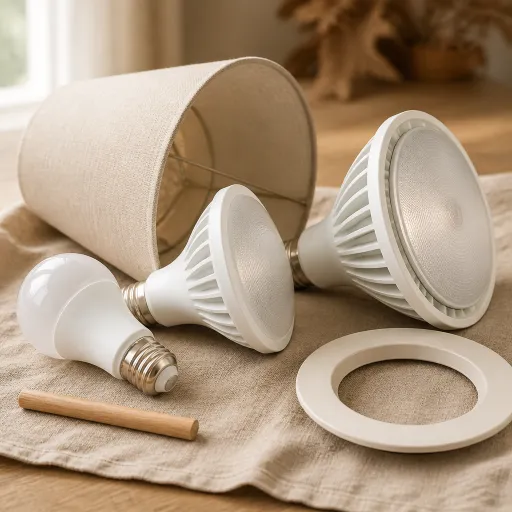
Design‑wise, these BR30 bulbs are pretty boring, and that’s actually a good thing. They look like normal white flood bulbs: rounded front, wide body, E26 base. Once they’re in a recessed can, you barely see them. There’s no weird translucent plastic or gimmicky shape. If you’re trying to keep your ceiling looking normal and not like a sci‑fi movie set, these fit right in.
The plastic housing feels decent: not cheap, not premium, just solid. They don’t get as hot as old halogens, but after being on at full brightness for a while, they’re warm to the touch, which is normal for LEDs of this brightness. I haven’t seen any discoloration or warping yet. They’re also fairly light in weight, so they don’t feel like they’re straining the socket or hanging weirdly in the can.
One design detail I do like is how consistent the bulbs are with each other. When I set all four to the same white temperature or color, they match really closely. With cheaper brands I’ve tried, you sometimes get one bulb that’s slightly greener or dimmer. Here, the color and brightness uniformity across the 4‑pack is very good, at least to my eyes. That matters when you’re lighting a whole room with multiple fixtures — you don’t want a patchwork of slightly different whites.
If I had to nitpick, the labeling and icons on the side of the bulb could be smaller or cleaner, but once they’re installed you don’t see them. There’s no physical button on the bulb either, so everything is done via power cycling or the app. Overall, the design is practical and discreet. Nothing to get excited about visually, but it does the job and disappears into the ceiling like it should.
Build, lifespan, and reliability over time
I obviously haven’t run these bulbs for years yet, but I do have older Philips Hue bulbs in other rooms that have been going strong for a long time, some for several years with daily use. That track record is one reason I was okay paying more for this 4‑pack. Philips claims long lifespans, and so far that’s lined up with my experience: I haven’t had a Hue bulb die on me yet, while I’ve had a couple of cheap Wi‑Fi bulbs fail within a year.
The build itself feels solid. The plastic casing doesn’t creak, and I haven’t seen any flickering, buzzing, or weird color shifts as they warm up. Even at low brightness, the dimming is smooth — no visible steps or stuttering. That usually means the internal electronics are halfway decent. They’re also Energy Star rated, which at least tells me they’re not complete junk inside. After a longer movie night with the lights dimmed, I checked them: they were warm but not overheating.
From a reliability standpoint, when connected to the Hue Bridge, they’ve been very stable. No random disconnects, no bulbs randomly going offline, which I’ve seen a lot with cheaper Wi‑Fi bulbs that depend on your router behaving perfectly. Hue uses its own Zigbee network (and now Matter support), which seems more stable in everyday use. With Bluetooth only, I did have the app lose a bulb once and had to re‑scan, but it wasn’t a huge deal — just mildly annoying.
So, in terms of durability and reliability, I’d say these bulbs feel built for the long haul. Of course, they can still fail like any electronic, but compared to budget options, I trust these more not to die randomly or start flickering in a year. The 3‑year warranty is also a bit of extra reassurance, though I haven’t had to use it so far.
Brightness, colors, and smart features in real life
This is where these bulbs justify their price a bit. In terms of brightness, they’re strong for a smart bulb. Philips claims up to 1200 lumens; I don’t have lab gear, but in my living room (about 220 sq ft) four of these at 70% replace my old 65W incandescents without any issue. At 100%, I actually turned them down because it felt too bright for evening use. If you want them for a kitchen, office, or living room, they’re totally fine as primary lighting.
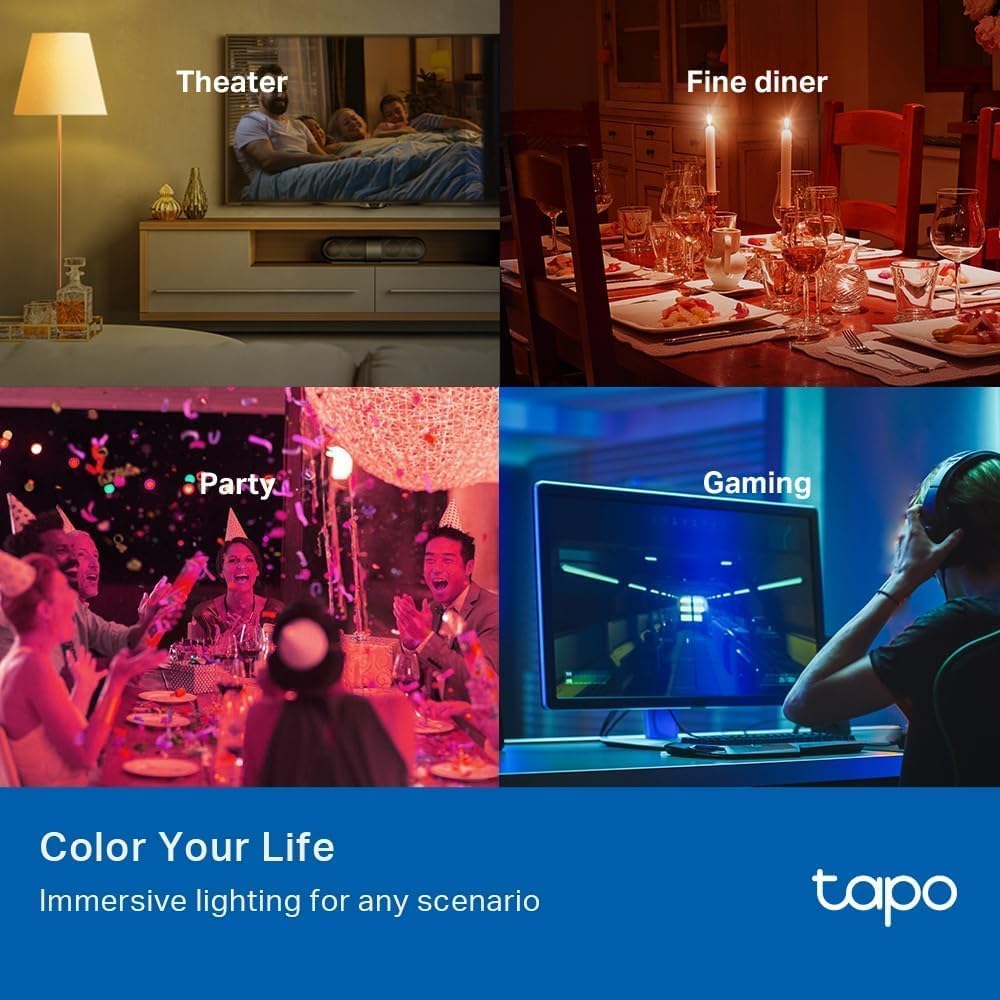
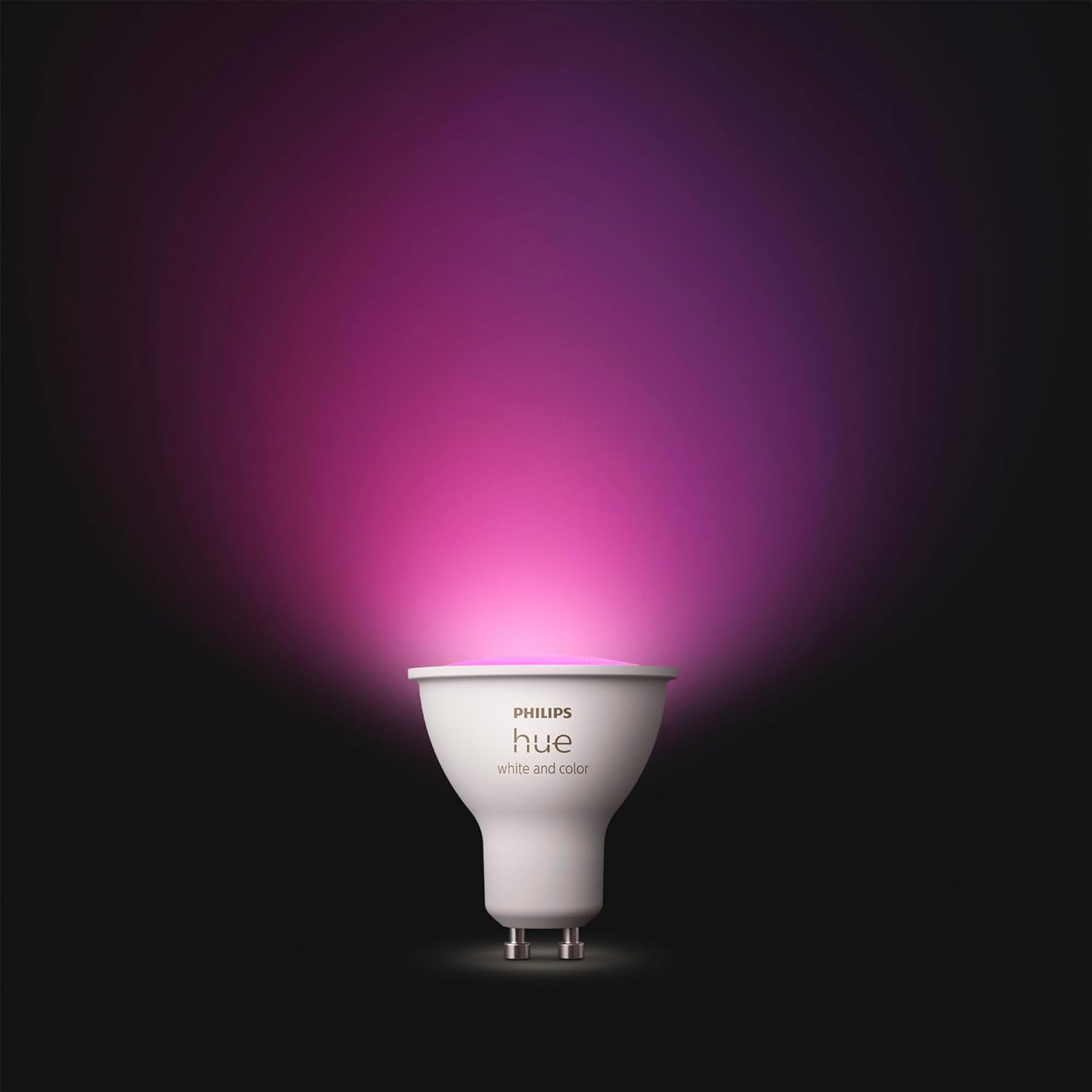
The color performance is also solid. Reds, greens, and blues are vivid enough that seasonal stuff (Halloween orange, Christmas red/green, etc.) actually looks like what you set in the app. Whites go from warm, cozy yellowish tones to cold daylight. I mainly use the built‑in scenes like “Relax” and “Energize” in the Hue app, which are handy when you don’t feel like tweaking sliders. Are the colors perfect like professional stage lighting? No. But compared to cheaper Wi‑Fi bulbs I’ve tried, Hue’s colors are cleaner and more consistent.
On the smart side, with a Hue Bridge the performance is very reliable. Routines trigger on time, remote control from outside the house works, and the bulbs respond quickly to Alexa and Google Assistant. With Bluetooth only, I did notice occasional lag and the app sometimes taking a few seconds to find the bulbs. It’s usable if you’re only running a couple of bulbs in one room, but if you’re serious about smart lighting, I’d treat Bluetooth as a temporary solution.
One recurring annoyance that’s not specific to Hue but still worth noting: if someone cuts power at the wall switch, the bulb is “dead” to the app and voice control. Hue does let you configure what the bulb does when power returns (like defaulting to a certain brightness/scene), which helps, but you still have to train the household to leave switches on. Overall, on performance: very strong brightness and reliable smart features with a Bridge, decent but less smooth over Bluetooth, and good enough color for most home use.
What you actually get in the box
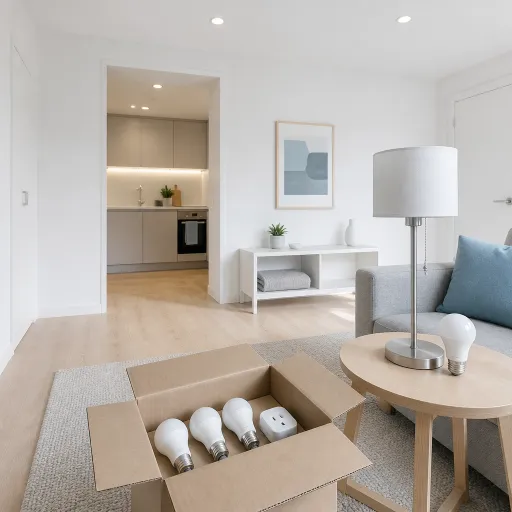
Out of the box, it’s very straightforward: you get four BR30 Philips Hue White and Color Ambiance bulbs, some basic paperwork, and that’s it. No remote, no Hue Bridge, nothing fancy. These are E26 base bulbs sized for recessed cans or track fixtures, not for small lamps. If you’re used to regular A19 bulbs, these look noticeably wider and shorter — they’re meant for ceiling cans and similar fixtures.
Each bulb is rated at about 12–12.5W and advertised as an 85W equivalent, with up to 1200 lumens. In practice, they’re pretty bright for a smart bulb. In my living room with four cans, I can comfortably light the room at 60–70% brightness. At 100%, it’s more than enough for reading and general tasks. The color temperature ranges from warm yellowish light to cool daylight, and then you have the full color range on top of that.
Setup options are basically two: Bluetooth directly from your phone using the Hue app, or using a Hue Bridge (sold separately). I tried Bluetooth first just to see how it behaves, and it’s usable for a small setup, but once I added them to my existing Hue Bridge, things got smoother: faster response, better automations, and no weirdness when I’m out of the house. If you’re planning to go beyond 5–10 bulbs, I honestly wouldn’t bother with Bluetooth only.
So from a pure presentation standpoint: this is a no‑nonsense 4‑pack aimed at people who already know what they’re doing or are ready to commit to Hue. There’s no hand‑holding hardware in the box, no bridge, no switches — just bulbs. If you expected a full starter kit, you’ll be disappointed. If you already have a Hue Bridge or know you’ll buy one, this pack makes more sense financially than buying single bulbs.
Does it actually make daily lighting easier?
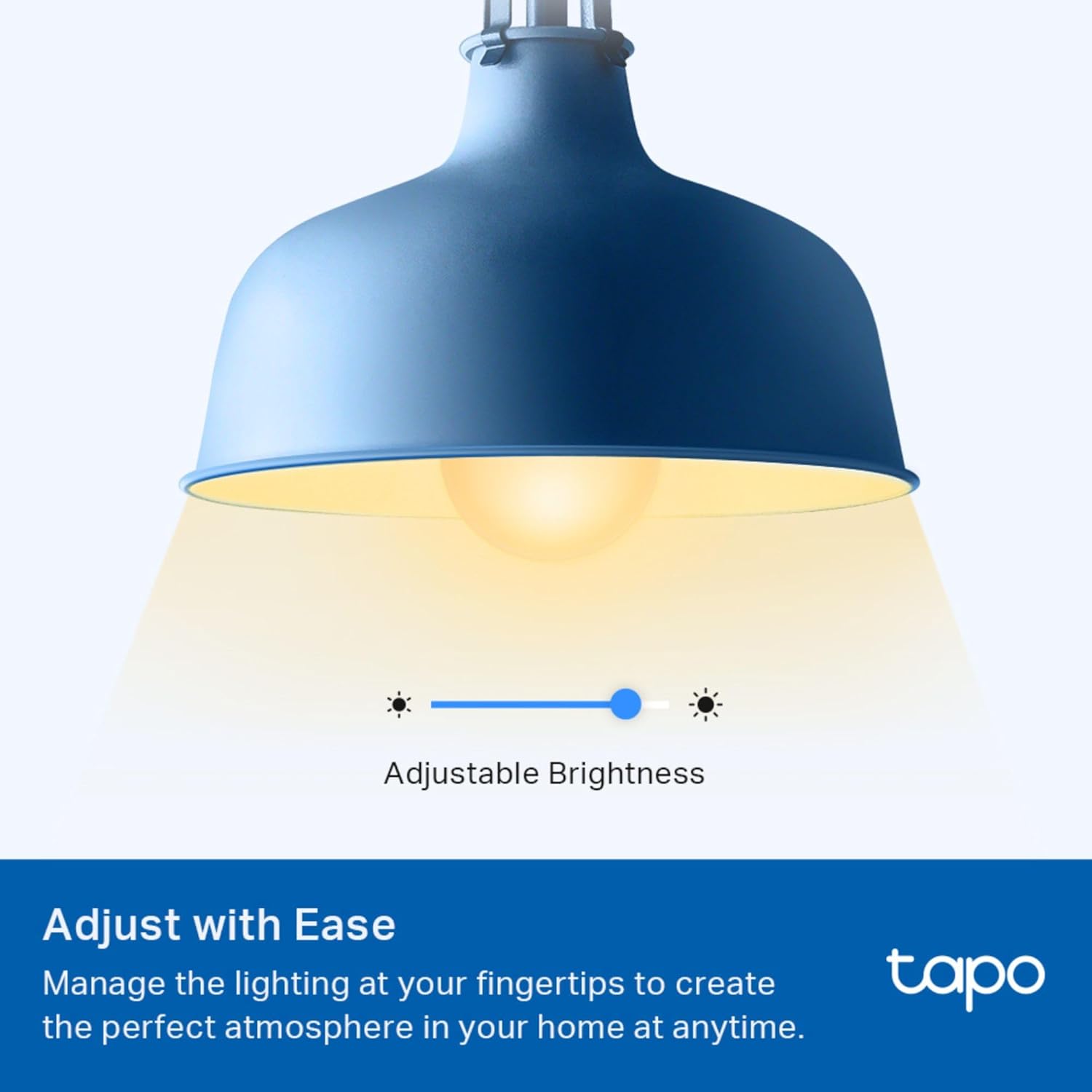
In practice, these bulbs mainly succeed because they make everyday stuff less annoying. I set up a few simple routines: lights slowly coming on in the morning, dim and warm in the evening, and an “all off” scene at night. After a few days, I stopped thinking about it — the house just followed a predictable pattern. That’s the main strength here: once configured, you don’t need to fiddle with the app all the time.
Voice control works as advertised. Commands like “Alexa, turn off the living room” or “set hallway to 30%” are recognized quickly, and the bulbs respond in about a second. I also tried Apple HomeKit, and it integrated smoothly through the Hue Bridge. Scenes created in the Hue app show up in HomeKit, which is handy if you’re already using Apple’s Home app to control other devices. So in terms of smart home integration, these bulbs are effective and don’t require weird workarounds.
Where they’re less effective is in households where not everyone cares about smart stuff. For example, my partner still tends to use the wall switch, which kills power and breaks the whole “smart” aspect. That’s not Philips’ fault directly, but it means that if you don’t also invest in Hue wall switches or adapt your habits, you’ll sometimes end up walking over to flip a switch anyway. In those moments, it feels like you paid a lot just to use them like normal bulbs.
Overall, if you’re ready to use the app, voice control, and maybe a Hue Bridge, the bulbs genuinely make it easier to manage lighting schedules, moods, and energy use. If your family or roommates just want to hit a physical switch and forget about it, the benefits shrink a bit, and they become more of a nice‑to‑have than a real upgrade.
Pros
- Bright enough (up to ~1200 lumens) to use as main room lighting, not just accent light
- Very reliable with Hue Bridge, with smooth app control and solid Alexa/Google/HomeKit integration
- Good color and white temperature range, with consistent output across all four bulbs
Cons
- High upfront cost compared to basic smart bulbs, especially once you add the Hue Bridge
- Bluetooth‑only control is more limited and slightly less responsive than using a Bridge
Conclusion
Editor's rating
Overall, the Philips Hue Smart 85W BR30 White and Color Ambiance bulbs are a solid choice if you want bright, reliable smart lighting for recessed fixtures and are okay paying a premium. The brightness is more than enough for main room lighting, the colors look good, and the integration with Alexa, Google Assistant, and Apple HomeKit is smooth — especially if you use a Hue Bridge. Day‑to‑day, they just work, which sounds basic but is exactly where a lot of cheaper smart bulbs fall apart.
They’re not cheap, though, and that’s the main downside. On top of the bulb cost, the Hue Bridge is basically required if you want the full feature set and a stable setup in a larger home. If you only need one or two bulbs for casual mood lighting and don’t care about long‑term reliability, you can save money with other brands. But if you’re planning to build a proper smart lighting system that you’ll use every day for years, these bulbs make more sense. I’d recommend them to people who value stability, strong ecosystem support, and don’t mind investing a bit more upfront. If you’re on a tight budget or hate dealing with apps and hubs, they’re probably overkill.