Choosing Colors, White Tones, and Dimming Ranges That Match Each Room
Color and dimming options define how smart lights feel in daily use, far beyond any headline specification. A tunable white LED bulb that shifts from warm 2 700 K to cool 6 500 K color temperature can handle both relaxed evenings and focused desk work in the same space. For living rooms and bedrooms, prioritize smart bulbs that dim smoothly from 100 percent down to at least 1 percent brightness while keeping a cozy white color tone.
Full color changing bulbs add saturated reds, blues, and greens, which can transform movie nights or gaming sessions. These smart LED light bulbs usually cost more than simple white bulbs, so check the price per bulb and whether a multi pack offers a better deal price for your budget. If you mainly want bright, efficient lighting for a kitchen or office, a high lumens white light bulb with precise color temperature control often delivers better value than a premium color product.
Socket type and beam angle still matter when you upgrade to smart light solutions. For example, GU10 LED light bulbs used in spotlights need a narrow beam and enough lumens to reach countertops, and a dedicated buying guide for choosing the right GU10 LED globes for your smart lighting needs can prevent costly mistakes. Whatever the fitting, always confirm that the smart bulb supports the dimming range you expect, especially if you plan to mix app based dimming with existing wall switches or older dimmers.
- Bedrooms: warm white, deep dimming, quiet operation with no audible buzz.
- Home offices: cooler white tones during the day, with schedules for softer evenings.
- Hallways: simple dimmable white bulbs, often at fixed mid level brightness.
Comparing Ecosystems: Philips Hue, Matter, and Voice Assistants
Brand ecosystems shape how the best dimmable smart light bulbs behave over time, especially when you add more lights. Philips Hue remains the reference for reliability and rich features, but many of its light bulbs still use a dedicated bridge, so a hub required label on the box is common. That extra hub can feel like a barrier, yet it often means faster response, better color control, and more stable lighting scenes when you manage dozens of smart bulbs.
Newer smart LED products that support Matter aim to simplify this picture by letting one bulb talk to several platforms at once. A Matter compatible light bulb can appear in Amazon Alexa, Google Assistant, and Apple Home apps simultaneously, which helps if your household mixes Android phones, iPhones, and an Amazon Echo speaker. When you compare price between a Matter smart bulb and a traditional Wi Fi model, factor in the long term flexibility rather than only the initial deal price.
Voice compatibility labels can be confusing, so read them carefully before you buy any smart light pack. Phrases such as works with Alexa, works with Amazon Alexa, or works with Alexa and Google Assistant usually mean you can change color, dim the lights, and switch each bulb on or off by voice. If you prefer app control only, you may not care about Alexa or Google integration, but you should still check that the app is stable, updated regularly, and supports advanced options such as color changing scenes or precise white color temperature tuning for every light bulb in the room.
- Small flats: a few Wi Fi or Matter bulbs may be enough without a bridge.
- Larger homes: a hub based system such as Philips Hue can reduce Wi Fi load.
- Mixed platforms: Matter bulbs help avoid lock in to a single voice assistant.
Balancing Price, Energy Use, and Long Term Value
Cost calculations for the best dimmable smart light bulbs go beyond the sticker price on Amazon or in a local store. A cheap LED bulb with poor efficiency or weak build quality can fail early, wiping out any savings from the initial deal price. Look for clear energy labels, realistic lifetime claims, and lumens per watt figures that show how much light you get for each unit of power.
Most modern smart LED bulbs use far less electricity than old incandescent lights, especially when dimmed. Because dimming reduces power draw for LED light sources in a broadly proportional way, a smart bulb running at 40 percent brightness can cut consumption significantly while still providing comfortable lighting. If you want a deeper breakdown of kilowatt hour savings after a full billing cycle, an energy saving smart bulbs guide that explains what the kWh math really looks like after one billing cycle can help you compare products with confidence.
Multi packs often lower the effective price per light bulb, but only if every bulb suits a real space in your home. Before buying a large pack of smart bulbs, map each room, decide which needs color changing features, and where a simple dimmable white color LED bulb will be enough. This planning avoids overpaying for advanced smart light features in closets or hallways where a basic white light would have delivered the same practical benefit.
- Check the cost per bulb, not just the total box price.
- Compare estimated lifetime hours and warranty terms between brands.
- Prioritize high use rooms first to maximize payback from energy savings.
Practical Setup Tips for Smooth Dimming and Reliable Control
Installation details determine whether the best dimmable smart light bulbs feel effortless or frustrating. Start by leaving existing wall switches in the on position, because cutting power at the switch can make any smart bulb appear offline in the app or to Amazon Alexa. If you rely heavily on physical switches, consider smart light accessories such as wireless remotes or smart wall controls that keep constant power flowing to the bulbs.
During setup, connect only a few smart bulbs at a time to avoid network congestion and pairing errors. Many manufacturers recommend standing close to each light bulb with your phone while the app adds it, especially for Wi Fi based smart LED models. Once connected, group lights logically by room and scene, so a single voice command to an Amazon Echo or a Google Assistant speaker can adjust color, brightness, and color temperature across several light bulbs at once.
Check whether any advanced features require a hub required accessory, such as a bridge for Philips Hue or a Matter border router. Some ecosystems unlock better dimming curves, richer color changing scenes, or faster response when a dedicated hub handles the traffic instead of each bulb talking directly to the router. After everything is configured, test dimming from 100 percent down to the lowest level, watching for flicker, color shifts, or delayed responses that might signal a weak Wi Fi signal or outdated firmware on the product.
- Update firmware in the app before relying on automation or schedules.
- Note the lowest brightness that stays stable and use it in night scenes.
- Rename bulbs clearly, such as Desk Lamp or Hall Ceiling, to avoid confusion.
Matching Smart Light Choices to Mood, Health, and Daily Routines
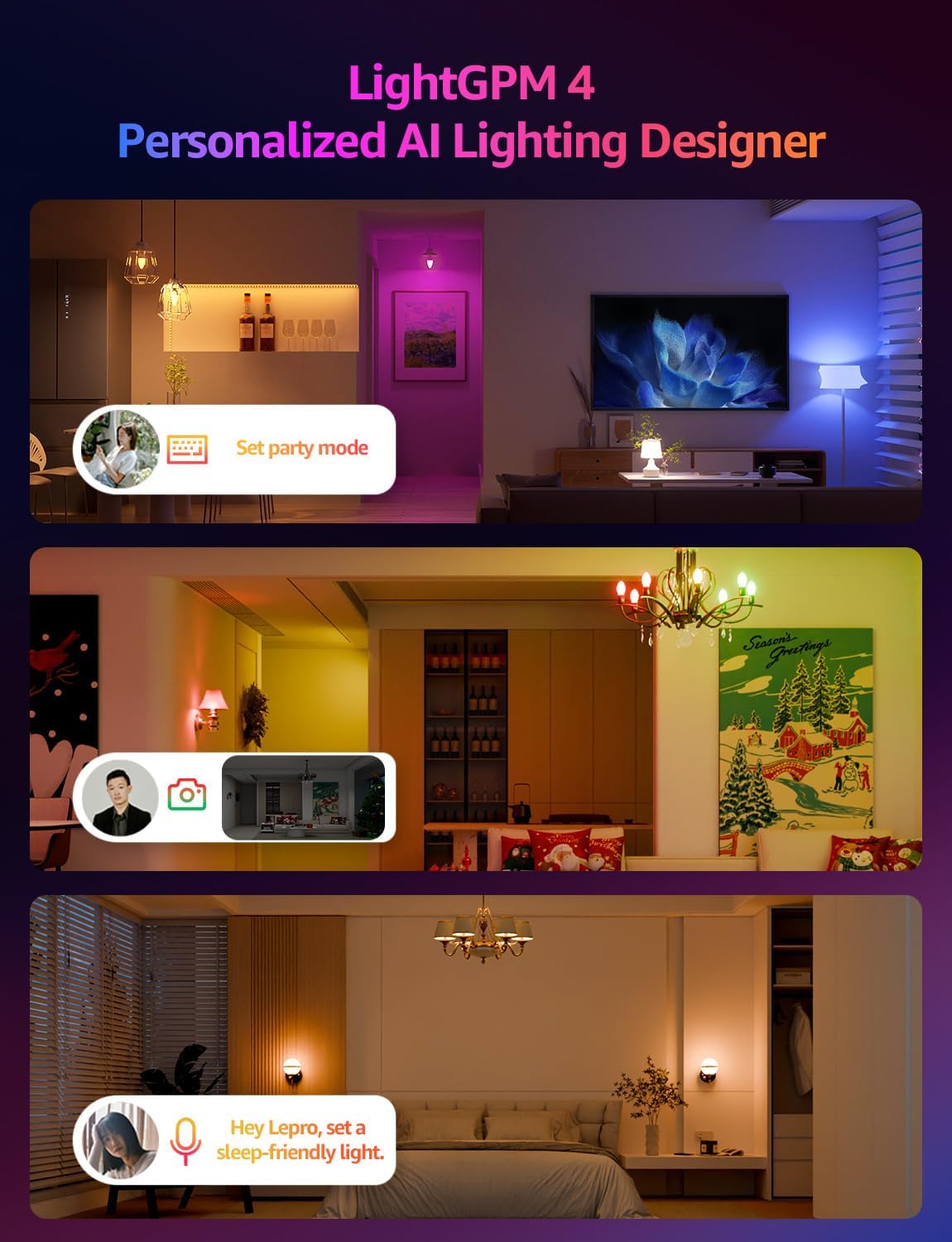
Thoughtful use of the best dimmable smart light bulbs can support sleep, focus, and relaxation throughout the day. Warm white color tones around 2 700 K in the evening encourage melatonin production, while cooler white light near 5 000 K can sharpen concentration during work hours. Many smart bulbs let you schedule these shifts automatically, so your lighting follows your routine without constant manual tweaks in the app.
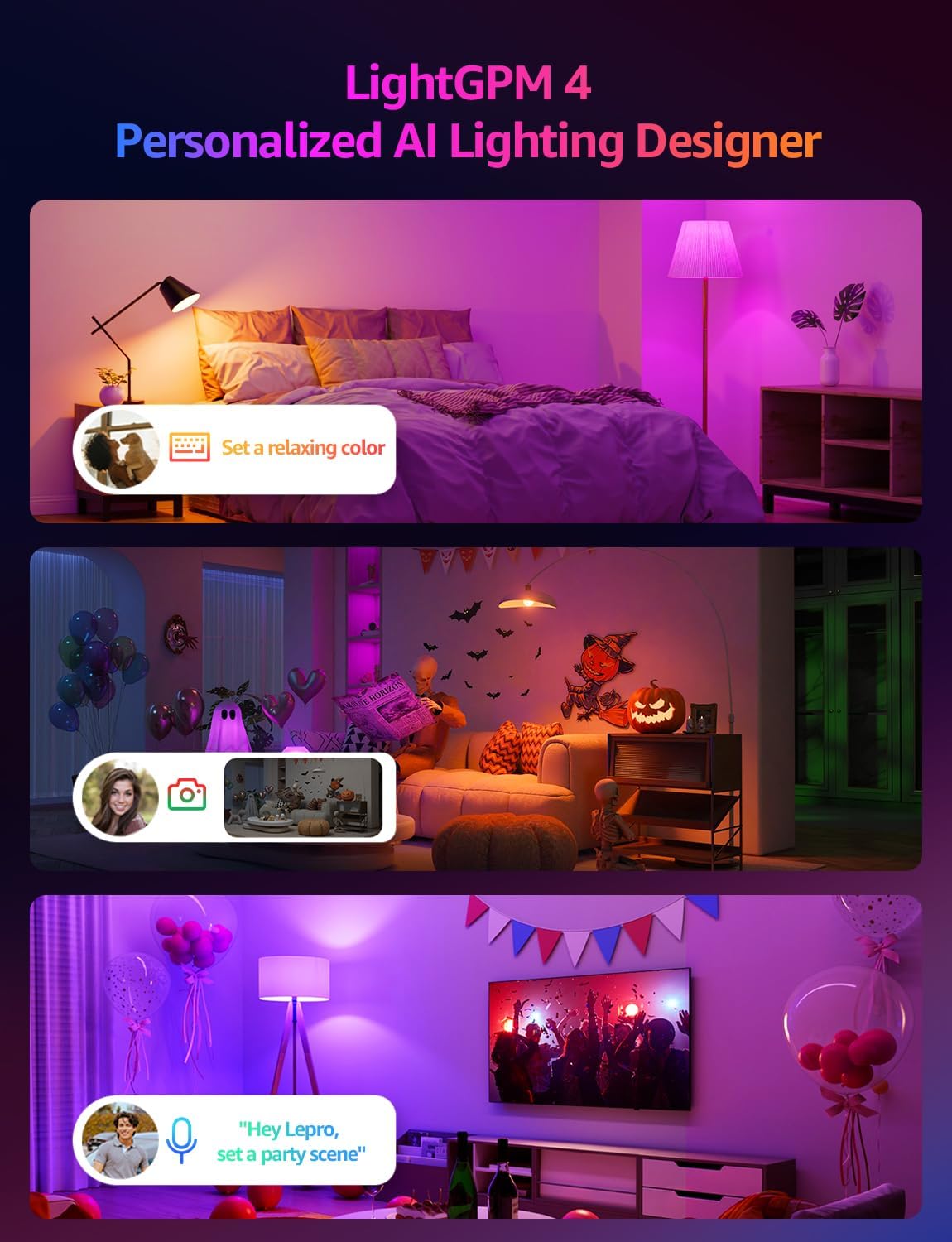
Color changing options also influence mood more than many people expect, especially in small apartments. Deep red or amber from a color LED bulb can create a calm reading corner, while vivid blues and purples turn a spare room into a playful gaming zone. If you are curious about using a red color LED bulb for smart lighting needs, a focused guide on why to choose a red color LED bulb for your smart lighting needs can illustrate how specific colors affect perception and comfort.
Households that use both Amazon Alexa and Google Assistant should plan scenes that work across platforms, not just inside one app. For example, a movie scene might dim all living room lights to 20 percent, shift color temperature to warm white, and add a subtle color accent behind the TV using a single smart bulb in a corner lamp. By aligning these scenes with your habits, the best smart bulbs stop feeling like gadgets and instead become a quiet backdrop that supports every part of your day.
- Morning: bright, cooler white scenes in kitchens and workspaces.
- Evening: warm, low level lighting in bedrooms and living rooms.
- Late night: very dim, amber toned paths to bathrooms or kitchens.
Key Figures About Dimmable Smart Light Bulbs
- Modern smart LED bulbs typically consume about 8 to 10 watts while delivering around 800 lumens, which replaces a traditional 60 watt incandescent light bulb with roughly 80 percent lower energy use according to manufacturer efficiency data and summaries from national energy agencies.
- Many tunable white smart bulbs cover a color temperature range from about 2 200 K to 6 500 K, allowing one product to handle both warm evening lighting and cooler daylight style illumination recommended by lighting designers for focused tasks in home offices and kitchens.
- Independent tests from major consumer organizations have found that quality LED light bulbs can last 15 000 to 25 000 hours, which means more than a decade of typical home use when lights run about three hours per day under standard test conditions.
- Surveys of smart home owners show that voice control through platforms such as Amazon Alexa and Google Assistant is used daily by a majority of users, with lighting commands among the top three voice actions alongside music and timers in many published usage reports.
- Energy agencies report that switching an entire home from incandescent to efficient LED lighting can cut lighting electricity consumption by more than half, and dimmable smart bulbs can push savings further when people routinely use lower brightness levels and automated shutoff schedules.
![NEW White and Colour Ambiance Smart Light Bulb Starter Kit, 75W - 1100 Lumen [E27 Edison Screw] 2 Bulbs + Smart Button - With Bluetooth - Works with Alexa, Google Assistant and Apple Homekit E27 2 Pack Starter Kit + Button](https://www.smart-light-guru.com/storage/1015385/conversions/71yJIPbE0LL._AC_SL1500_-medium.webp)

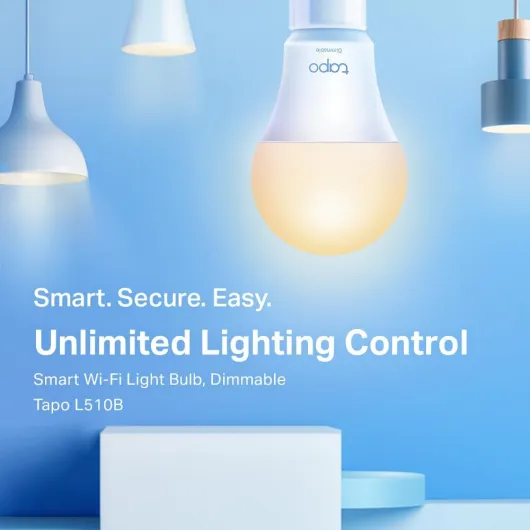
![L510E Smart Bulb, Smart WiFi LED Light, E27, Works with Amazon Alexa(Echo and Echo Dot), Google Home, Dimmable Soft Warm White, No Hub Required [Energy Class F] 1 Pack](https://www.smart-light-guru.com/storage/939180/conversions/71WGq8rBN-L._AC_SL1500_-medium.webp)


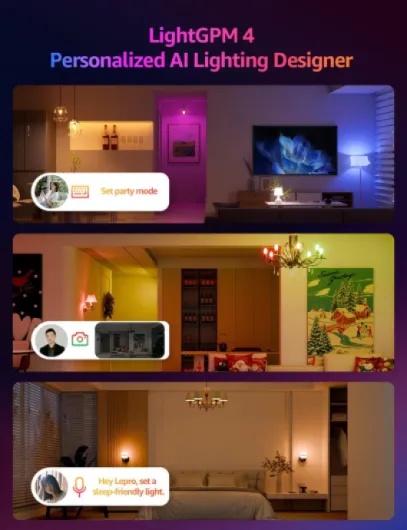
![NEW White and Colour Ambiance Smart Light Bulb Starter Kit, 75W - 1100 Lumen [E27 Edison Screw] 2 Bulbs + Smart Button - With Bluetooth - Works with Alexa, Google Assistant and Apple Homekit E27 2 Pack Starter Kit + Button](https://www.smart-light-guru.com/storage/1015385/71yJIPbE0LL._AC_SL1500_.jpg)
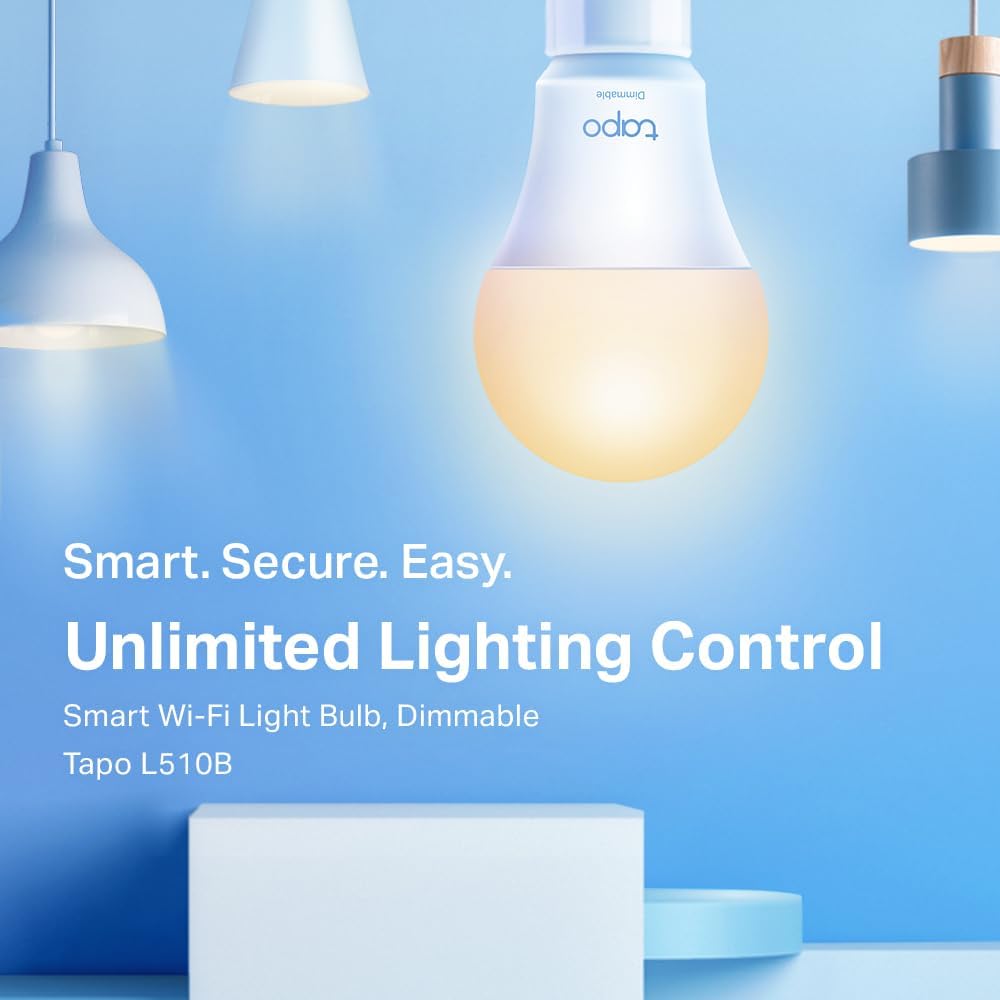
![L510E Smart Bulb, Smart WiFi LED Light, E27, Works with Amazon Alexa(Echo and Echo Dot), Google Home, Dimmable Soft Warm White, No Hub Required [Energy Class F] 1 Pack](https://www.smart-light-guru.com/storage/939180/71WGq8rBN-L._AC_SL1500_.jpg)