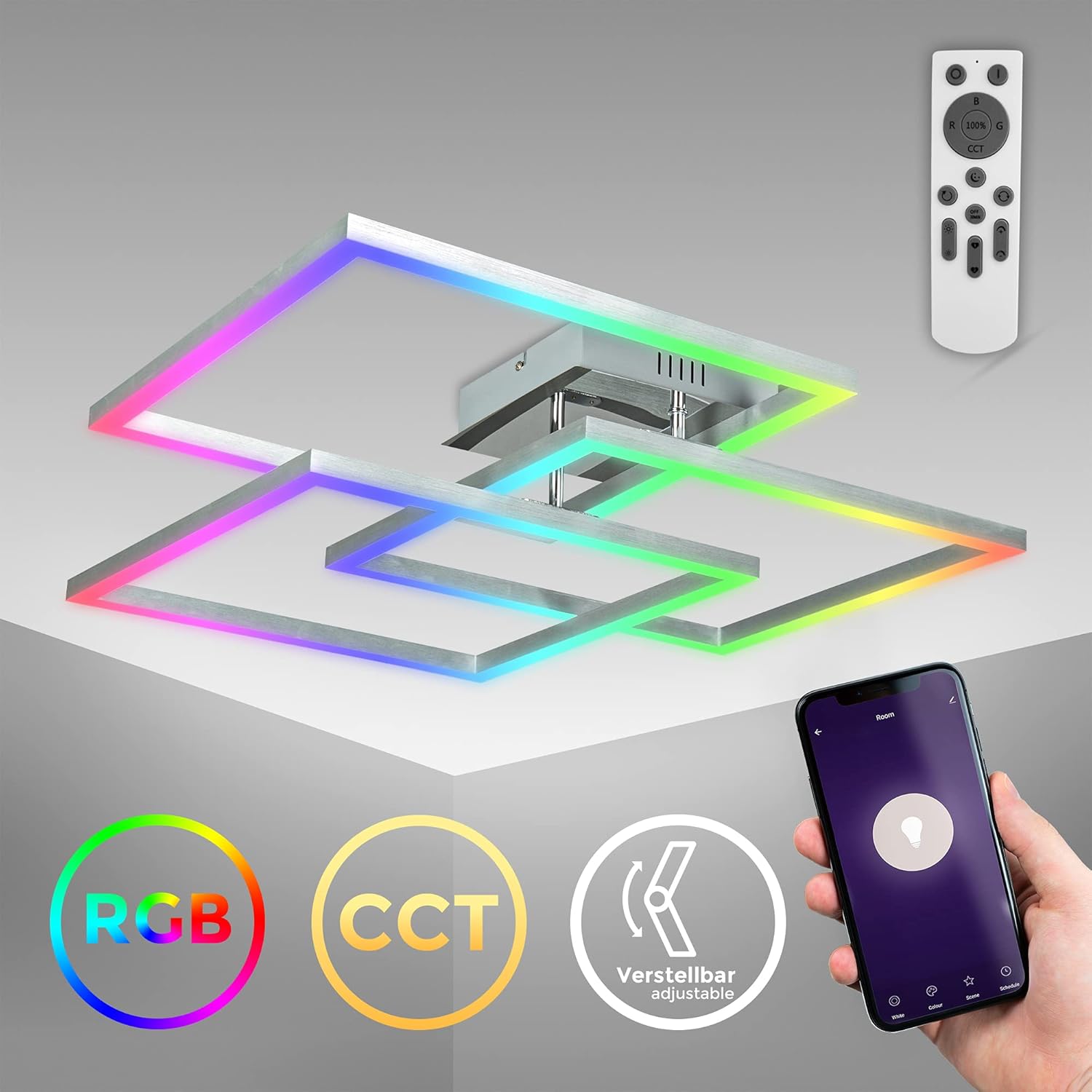
How to evaluate smart bulbs, apps, and ecosystems
Choosing the best smart lights with tunable white starts with deciding how you want to control them. Many buyers focus on the light bulb itself but underestimate how much the app experience and voice control options will shape daily use. A well designed smart app should make it easy to adjust brightness, change color temperature, group light bulbs by room, and set schedules without digging through confusing menus.
Look for smart bulb ranges that are compatible with major voice assistants such as Alexa, Google Assistant, and Apple Home, often described as works with Alexa Google or similar labels on the Amazon product page. When a smart LED bulb is compatible with these platforms, you gain hands free voice control for turning lights on or off, dimming, or switching from warm to cool white light. Phrases like “with Alexa” or “works with Alexa Google” on packaging usually indicate that the smart bulbs with tunable white will integrate smoothly into a broader smart home system.
Connectivity also matters because unreliable Wi‑Fi can ruin even the best smart light experience, so check whether the bulbs use direct Wi‑Fi, Bluetooth, or a dedicated hub. Wi‑Fi smart bulbs offer flexible control from outside the home but can crowd your router, while hub based smart LED systems centralize communication and often feel more stable with many bulbs. In hands on use, for instance, Philips Hue’s Zigbee hub tends to keep dozens of lamps responsive even when home Wi‑Fi is busy, while single Wi‑Fi bulbs can occasionally lag when the network is congested. Whatever you choose, make sure the bulbs with tunable white support firmware updates through the app, which extends security, adds features like music sync or refined color changing, and protects your investment over time.
Comparing tunable white versus full color smart led options
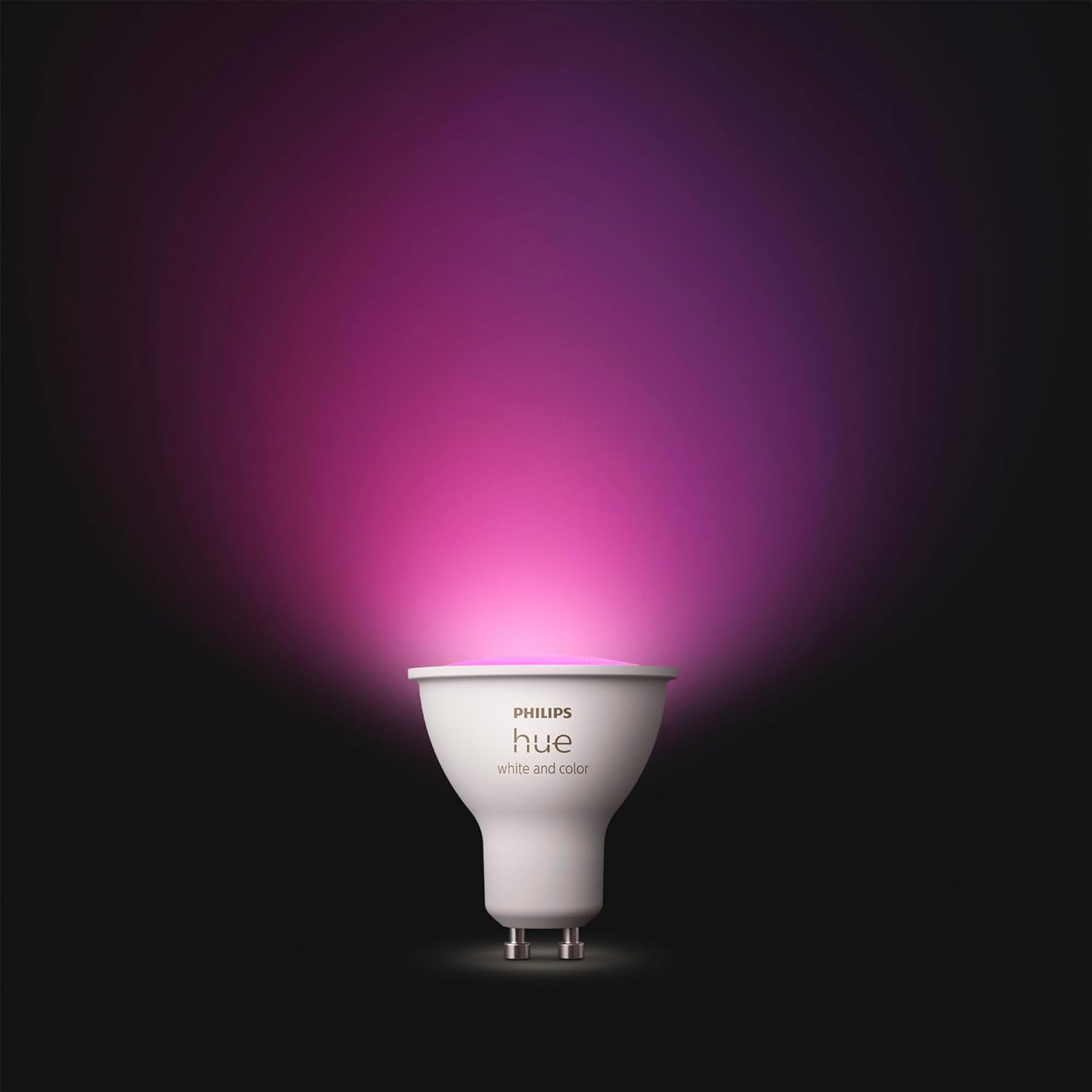
Many readers wonder whether the best smart lights with tunable white are enough, or if they should pay more for full color smart LED bulbs. Tunable white focuses on white light quality and color temperature control, while full color bulbs add millions of colors for ambience, parties, and creative lighting scenes. If your priority is reading, working, and relaxing comfortably, a high quality tunable white LED light bulb often delivers better white light performance than cheaper full color models.
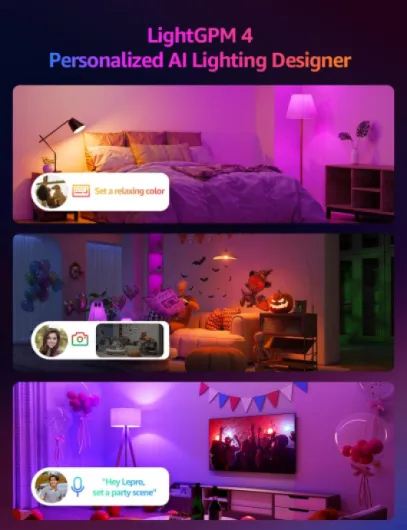
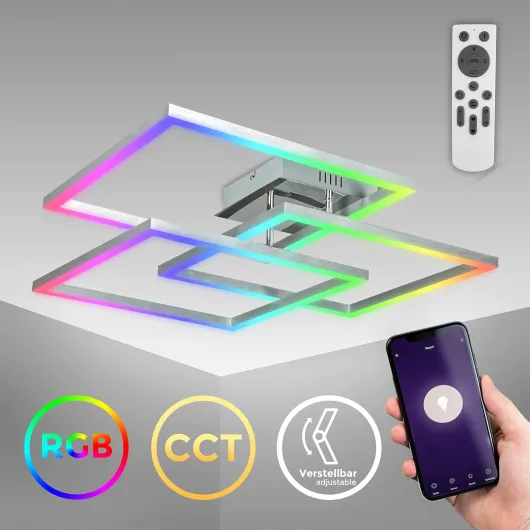
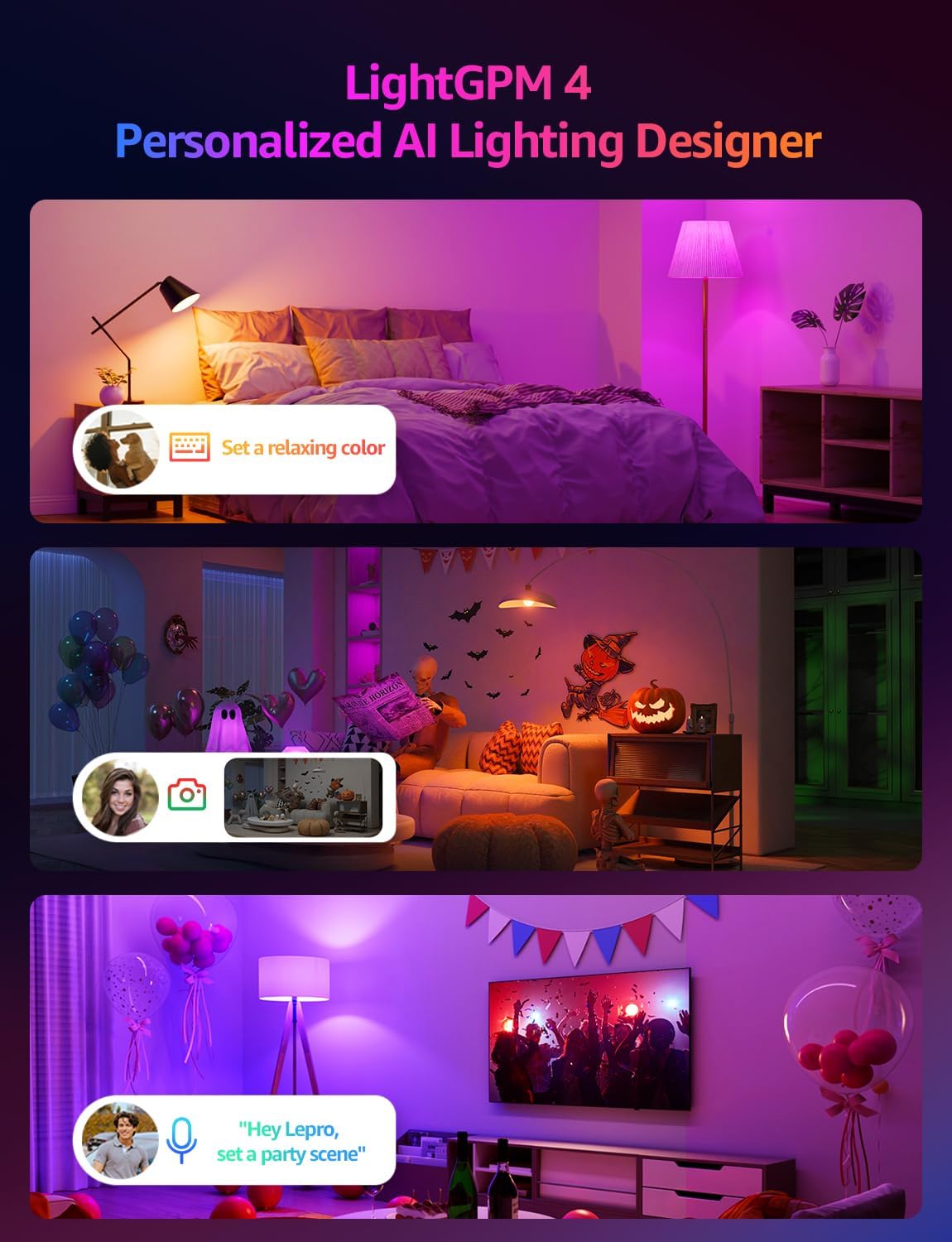
Full color smart bulbs shine when you want color changing effects that sync with music, movies, or gaming, especially in living rooms and entertainment spaces. Some smart light ecosystems offer both tunable white and full color bulbs, allowing you to mix white light bulbs in task areas with full color bulbs in accent lamps or behind TVs. This hybrid approach keeps the overall price reasonable while still giving you dramatic colors where they matter most, such as music sync scenes or seasonal lighting.
When comparing products, read the packaging or Amazon listings carefully to see whether the bulb is tunable white only or full color, and check the lumen rating for brightness. A dim full color smart bulb may look impressive in marketing images but feel underpowered as a main light source in a larger room. For bedrooms, offices, and kitchens, prioritize strong tunable white performance and accurate brightness color control, then add a few full color bulbs later if you want more playful lighting options.
Room by room guide to the best smart lights with tunable white
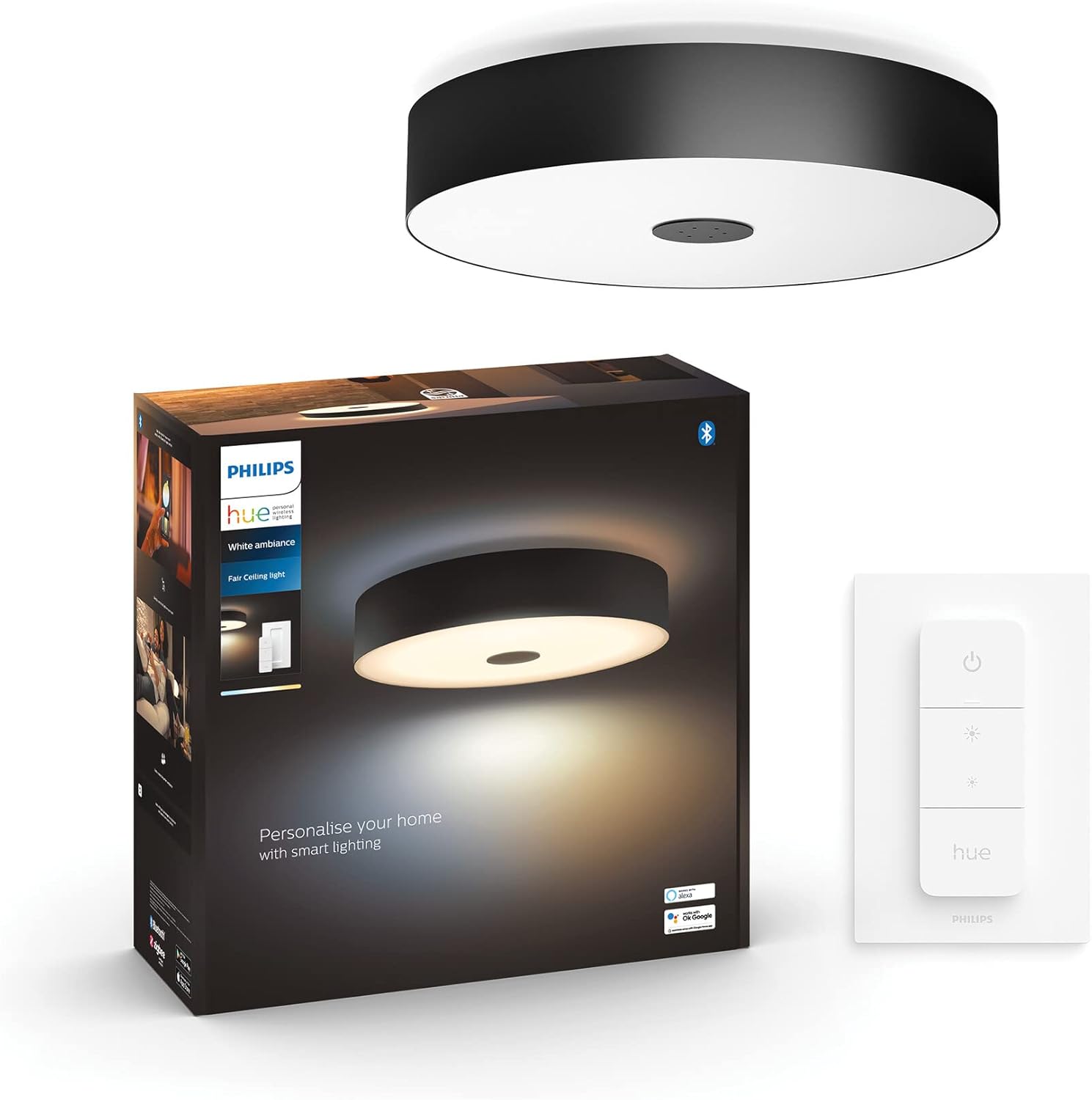
Different rooms benefit from different smart light strategies, even when you focus on the best smart lights with tunable white. In a bedroom, a single tunable white smart bulb in the main fixture plus one LED bulb in a bedside lamp can transform your routine. Use warm white light around 2 700 K in the evening, then schedule a gradual shift to cooler white light in the morning to support a gentler wake up.
Home offices demand precise control of brightness and color temperature, so choose smart bulbs with higher lumen output and cooler white light options up to 5 000 K or more. Pair these bulbs with an app that lets you create workday scenes, such as a bright, cool setting for focused tasks and a softer, neutral white for video calls. If your smart light system is compatible with Alexa Google or other voice assistants, you can trigger these scenes with simple voice control commands while keeping your hands on the keyboard.
Living rooms and kitchens often combine functional and decorative lighting, so mix overhead smart LED light bulbs with accent lamps or under cabinet strips. Tunable white in the main light bulbs keeps cooking and reading comfortable, while optional color changing strips or full color bulbs add atmosphere for music, films, or gatherings. Always check that all bulbs with tunable white and any color changing accessories work with the same app or hub, so you avoid juggling multiple controls for everyday lighting.
Energy efficiency, lifespan, and total price over time
Energy use remains a central concern for anyone comparing the best smart lights with tunable white, especially when replacing many bulbs at once. Modern smart LED bulbs consume far less electricity than old incandescent light bulbs while delivering similar or higher brightness levels. A typical 9 W LED bulb can match the light output of a 60 W incandescent light bulb, which significantly reduces running costs over the lifespan of the smart bulb.
When you evaluate price, think beyond the initial purchase and consider the expected lifetime in hours, which is often listed on the box or Amazon page. Quality smart bulbs with tunable white frequently offer 15 000 to 25 000 hours of use, meaning fewer replacements and less waste. Because you can dim the brightness and fine tune color temperature, you also avoid over lighting spaces, which further cuts energy consumption and extends the life of each LED light bulb.
Smart features such as scheduling, presence simulation, and remote control through Wi‑Fi or an app help ensure lights are not left on unnecessarily. For example, you can program your smart light system to turn off all bulbs with one tap when you leave home, or to reduce brightness color levels automatically at night. Over several years, these small efficiencies add up, making the higher upfront price of the best smart lights with tunable white a rational choice for both your electricity bill and environmental impact.
Advanced features: music sync, automation, and accessibility
Once you have covered the basics, advanced features can differentiate the best smart lights with tunable white from cheaper alternatives. Music sync modes let certain smart LED systems change colors or brightness in time with music, which can be fun for parties but also useful for subtle ambience. Even if you mainly use white light, gentle brightness pulses or shifts in color temperature can enhance films, games, or relaxation playlists.
Automation goes further by linking your smart bulbs with other devices, such as motion sensors, smart thermostats, or security systems. A hallway LED bulb can turn on at low brightness when motion is detected at night, providing safe navigation without harsh white light. In more advanced setups, smart bulbs with tunable white can work with routines that adjust lighting based on sunrise and sunset, weather, or your calendar events.
Accessibility is another strong argument for investing in a robust smart light ecosystem that works with Alexa Google or similar platforms. Voice control helps people with limited mobility manage every light bulb in the home without reaching for switches, and clear app interfaces support users with visual or cognitive challenges. When evaluating products, read user reviews that mention reliability of voice control, stability of Wi‑Fi connections, and clarity of the app, because these details often matter more than headline features like full color or dramatic color changing effects.
Key figures about smart lighting and tunable white adoption
- According to the International Energy Agency’s “Lighting” analysis (IEA, 2022), lighting accounts for roughly 15 % of global electricity consumption, so replacing incandescent light bulbs with smart LED bulbs can significantly reduce household energy use. The IEA notes that widespread LED adoption is one of the fastest ways to cut residential lighting demand.
- Market research from Statista’s “Smart Lighting Market Size Worldwide” report (Statista, 2023) indicates that the global smart light and smart bulb market has grown by double digit percentages in recent years, driven by falling LED prices and wider adoption of Wi‑Fi connected devices. Statista projects continued expansion as more homes add connected lighting to existing smart speakers and hubs.
- Studies on human centric lighting, such as those summarized by the German DIN SPEC 67600 guideline (2013), show that exposure to cooler white light above 5 000 K during daytime can improve alertness and task performance, while warmer white light below 3 000 K in the evening supports relaxation and better sleep quality. DIN SPEC 67600 compiles peer reviewed research on circadian effects of light and translates it into practical lighting recommendations.
- Manufacturers commonly rate modern smart bulbs with lifespans between 15 000 and 25 000 hours, which can translate into more than a decade of typical home use when combined with dimming and scheduling features. In independent teardown and endurance tests, premium brands such as Philips Hue and TP‑Link Kasa often meet or closely approach these stated lifetimes.
- Surveys of smart home users, including Statista’s 2022 smart home usage insights, report that voice control through platforms such as Alexa and Google Assistant is one of the most used features, often surpassing manual app control for everyday lighting adjustments. These surveys also highlight that low latency responses and reliable connectivity strongly influence long term satisfaction with smart lighting.