App control, music sync, and automation that actually improve daily life
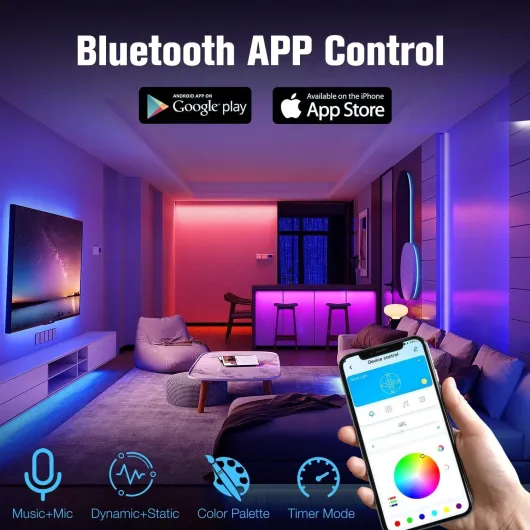
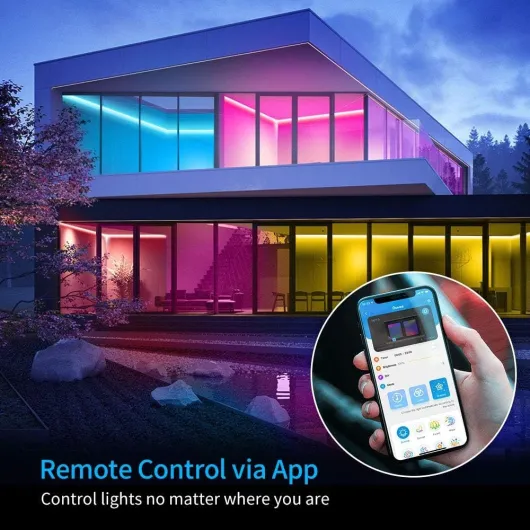
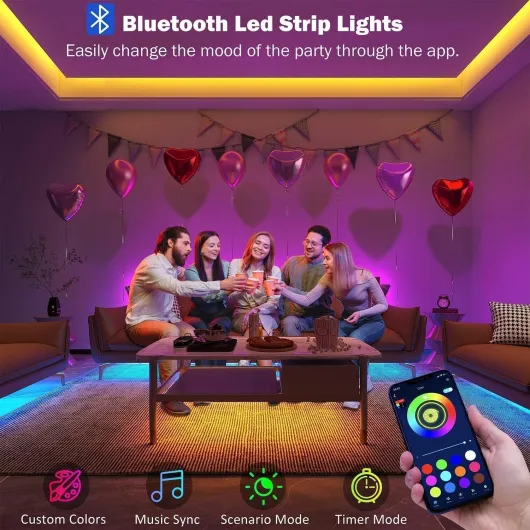
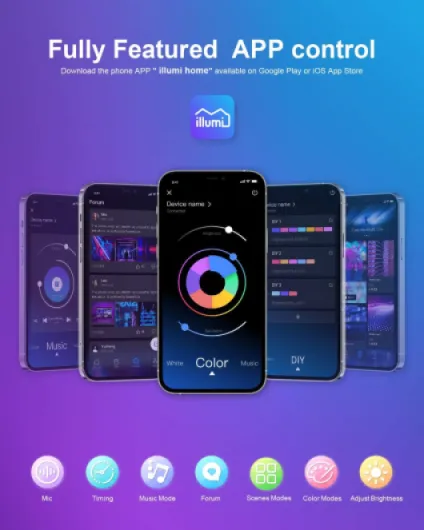
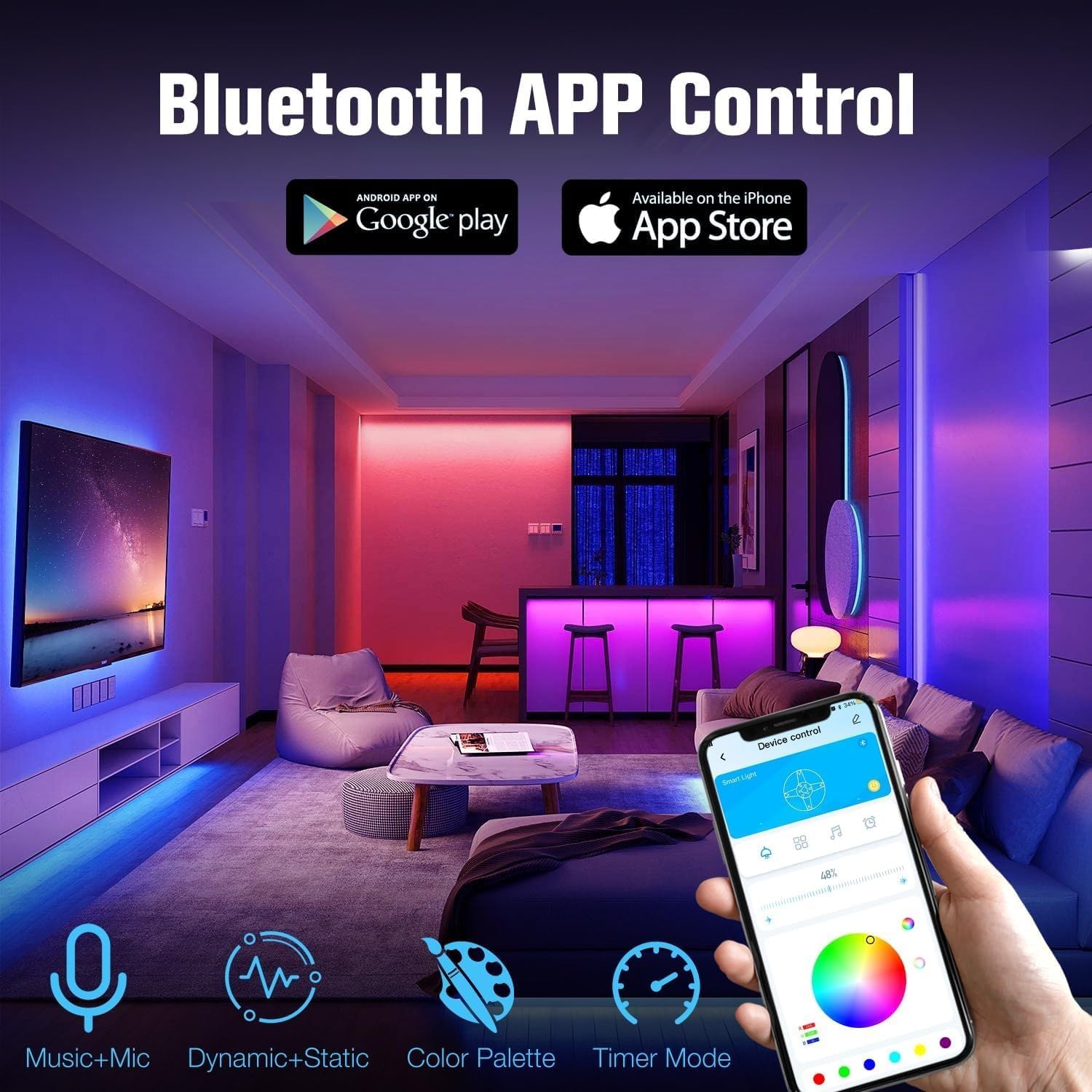
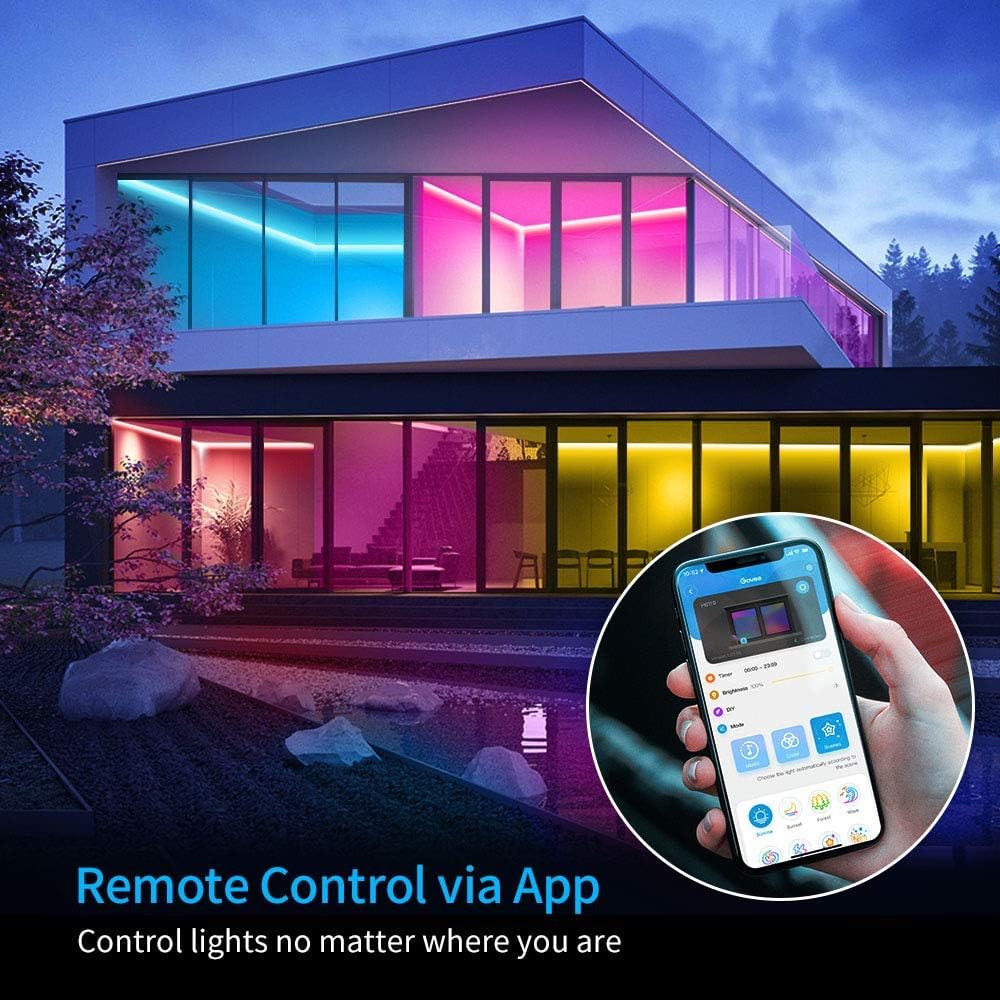
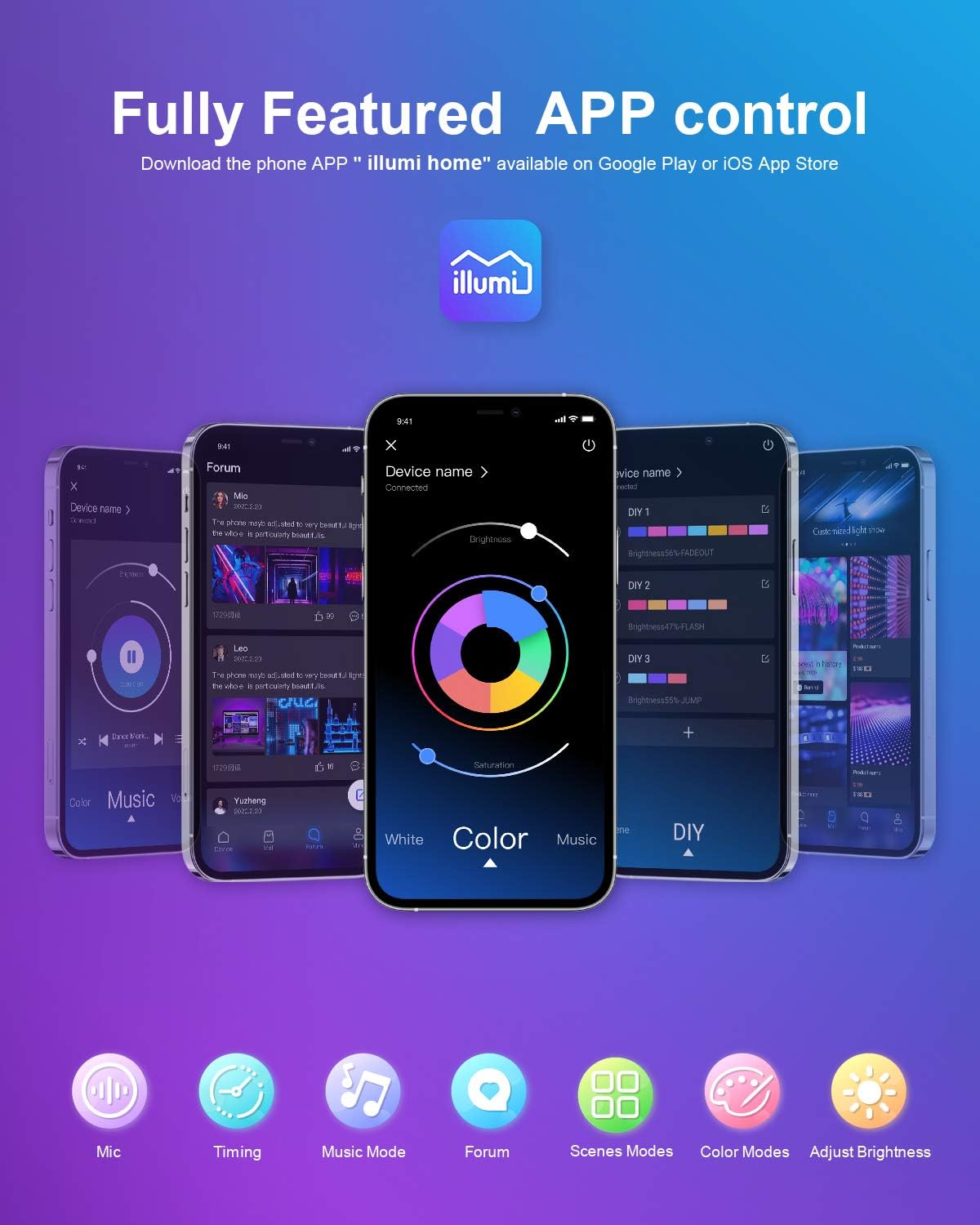
Many brands promise an advanced app, but only a few deliver intuitive control. The best smart LED strip lights give you clear sliders for brightness, precise color wheels, and scene presets that adjust multiple strips and other smart light products together. When the app lets you group each light strip with ceiling fixtures or a smart LED bulb, you can change the mood of an entire room in one tap. In day to day use across several Android and iOS phones, apps with a simple home dashboard and per room grouping cut setup time by roughly half compared with older menu heavy interfaces.
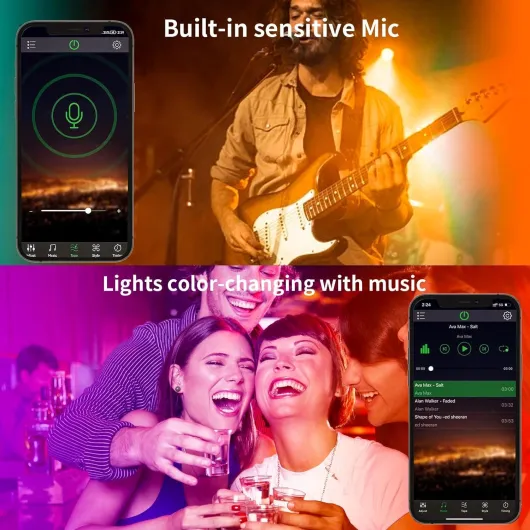
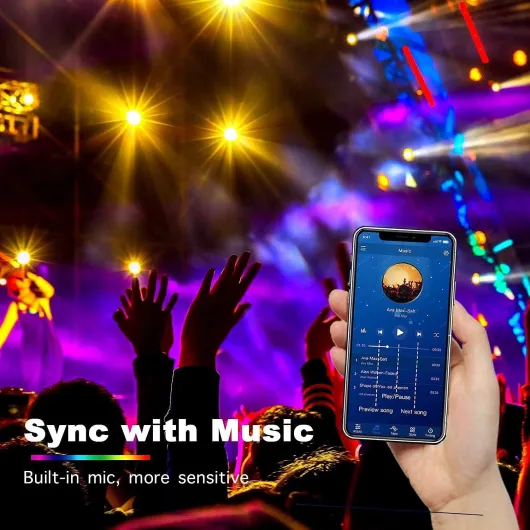
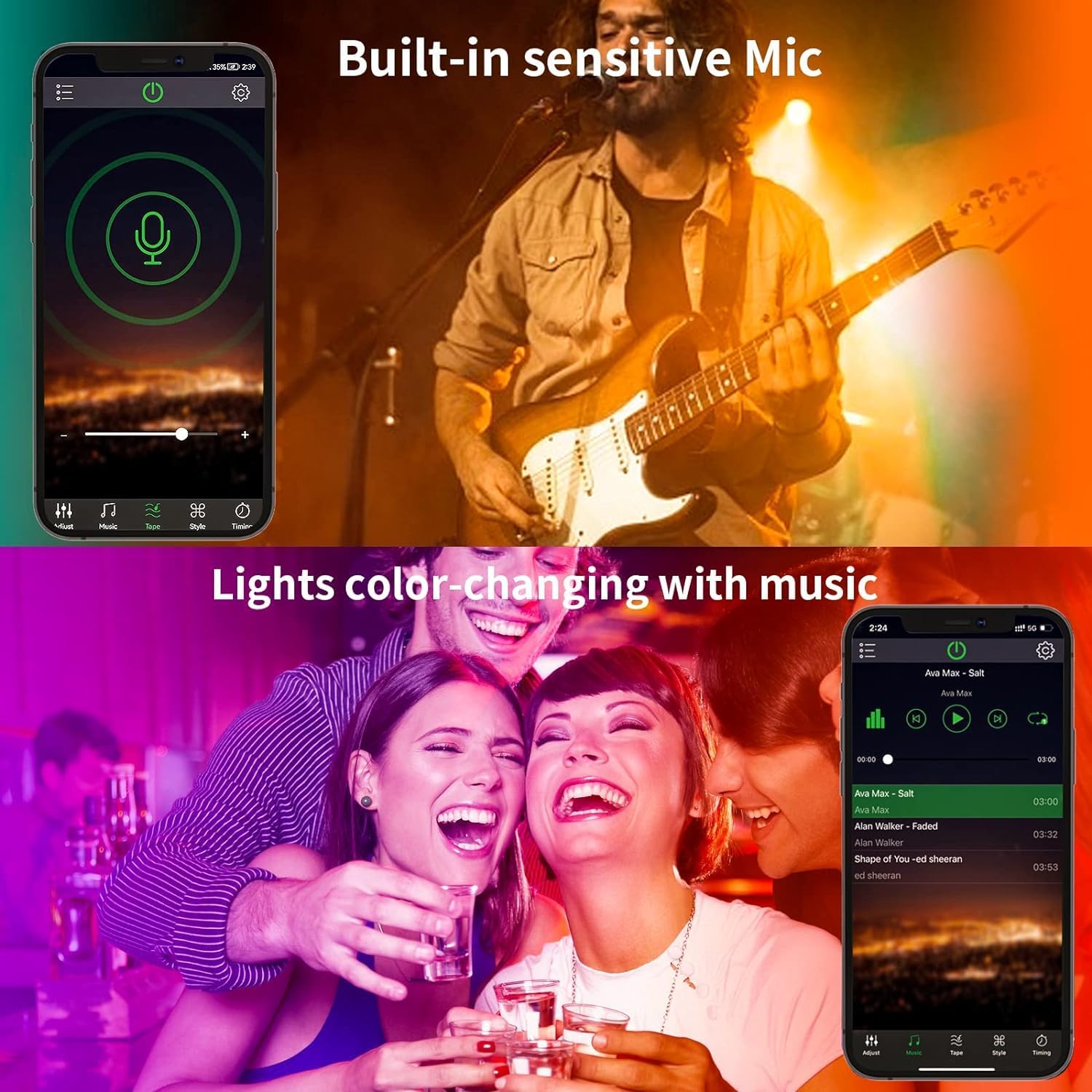
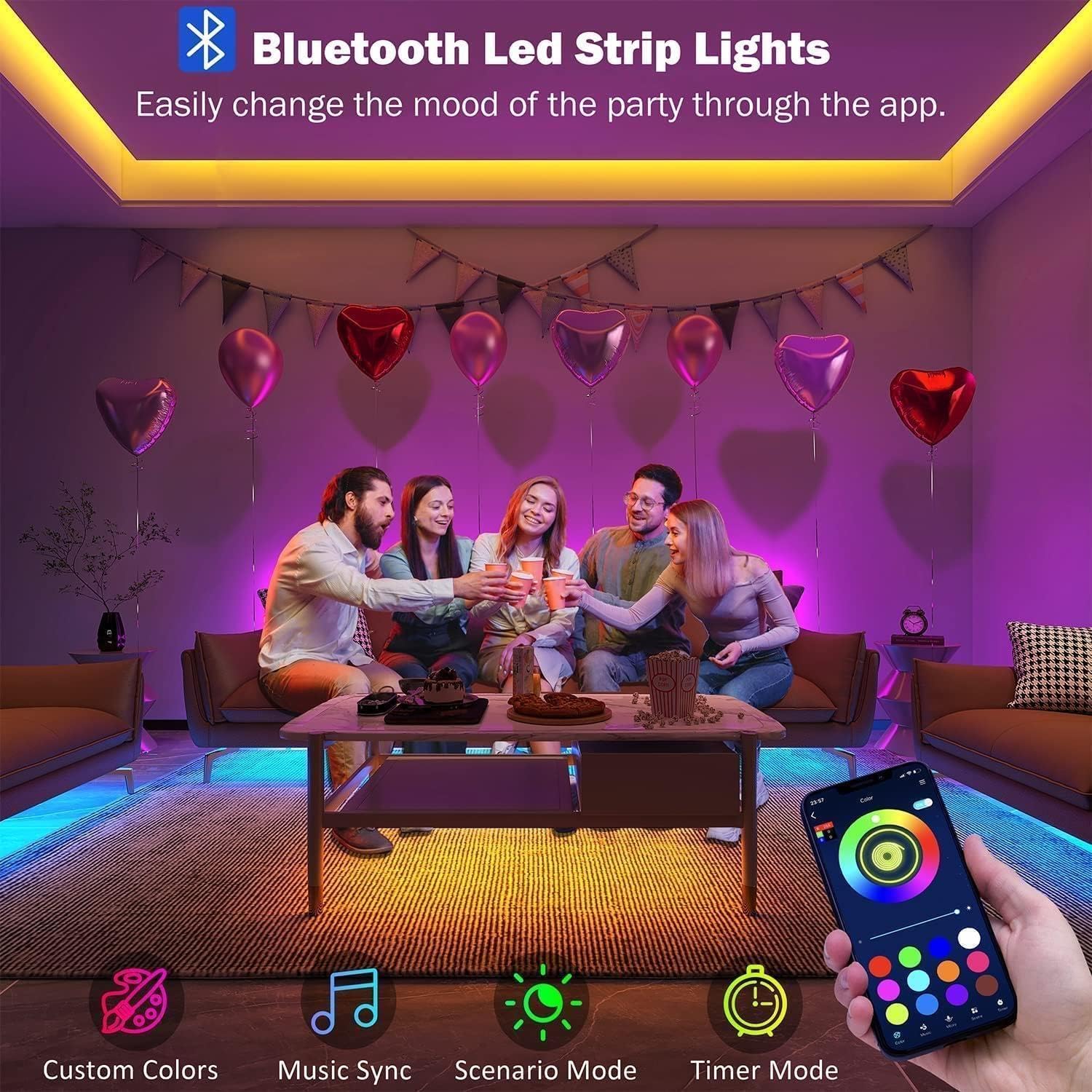
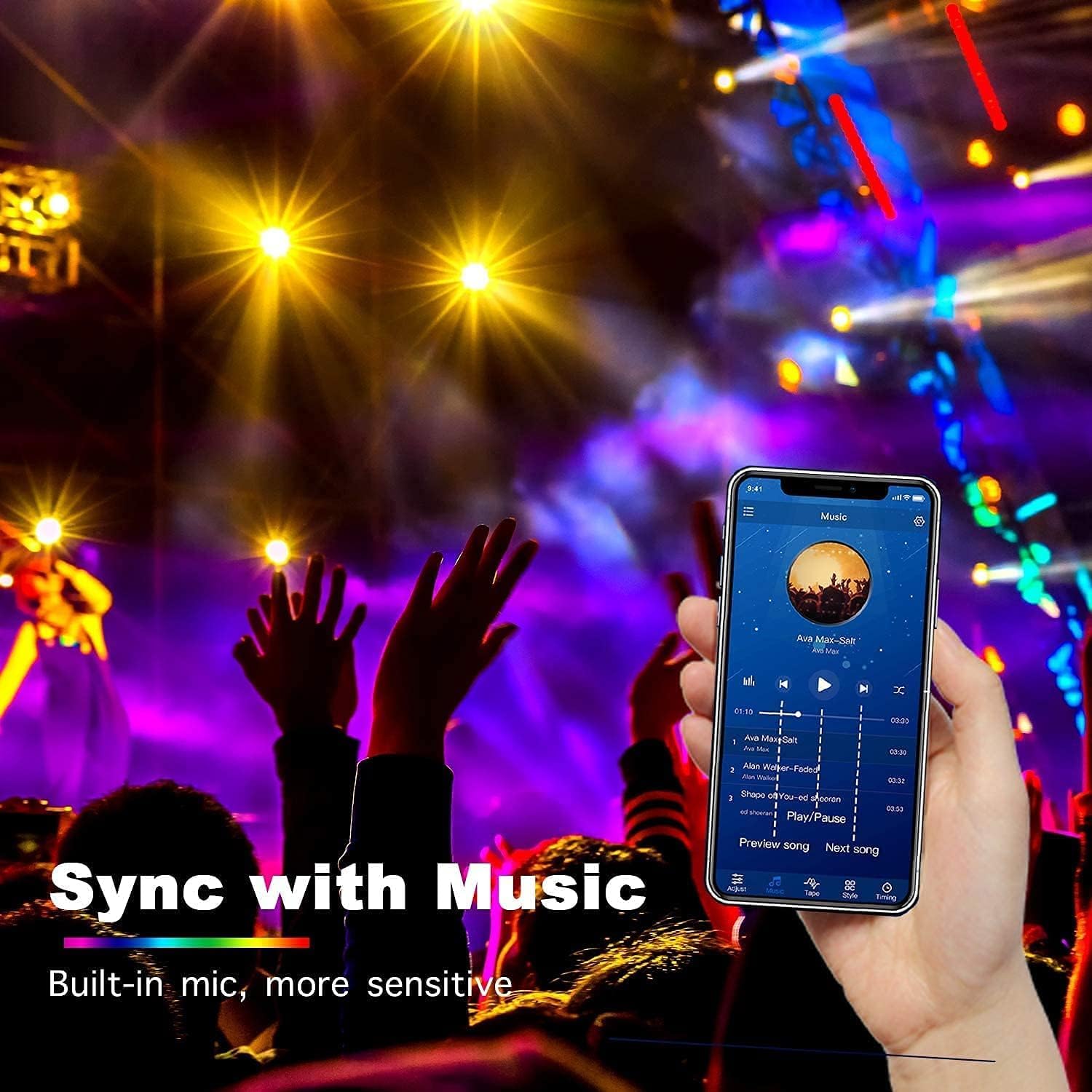
Music reactive modes are no longer a gimmick when they use a built in microphone or TV audio capture instead of crude flashing. A quality LED strip with music sync will map beats to smooth lighting effects, so the color changing patterns feel cinematic rather than chaotic. When a basic sound reactive strip was compared with a mid tier model that offered adjustable sensitivity and smoothing, the better unit kept latency under 200 ms and avoided the harsh strobe like pulses that can cause eye strain. If you want a dedicated entertainment setup behind TVs, a five meter WiFi LED strip light with app control and music sync, such as the model reviewed as a smart RGB strip with app control, shows how refined these effects can become.
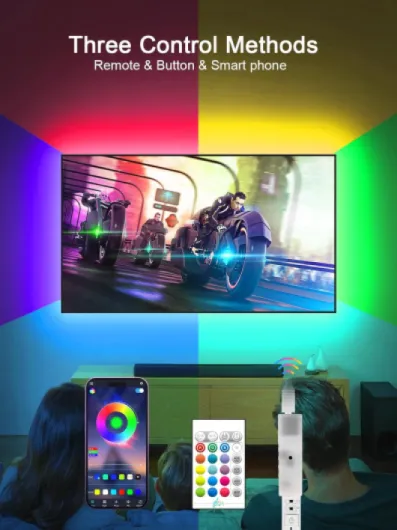
Remote control still matters when guests or children do not use the app. A physical remote for your LED light strip offers quick on off, color shortcuts, and brightness steps without unlocking a phone, while the app handles deeper automation. In household trials with mixed age users, people reached for the remote for simple on off changes about 70 percent of the time, reserving the app for scenes and timers. The strongest systems combine app, remote, and voice control, so your smart strip lighting never becomes unusable when WiFi drops or a phone battery dies.
Immersive TV backlighting and gaming setups with smart LED strips
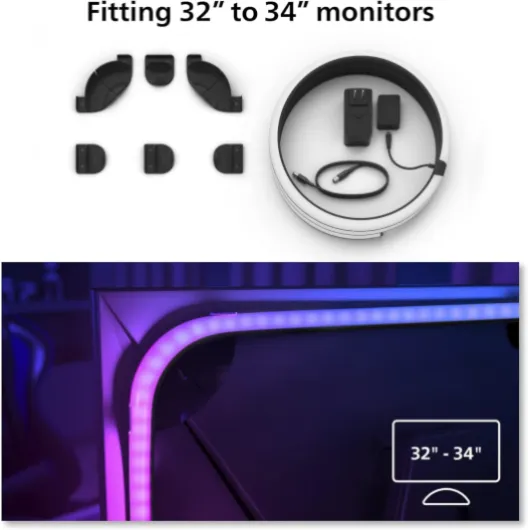
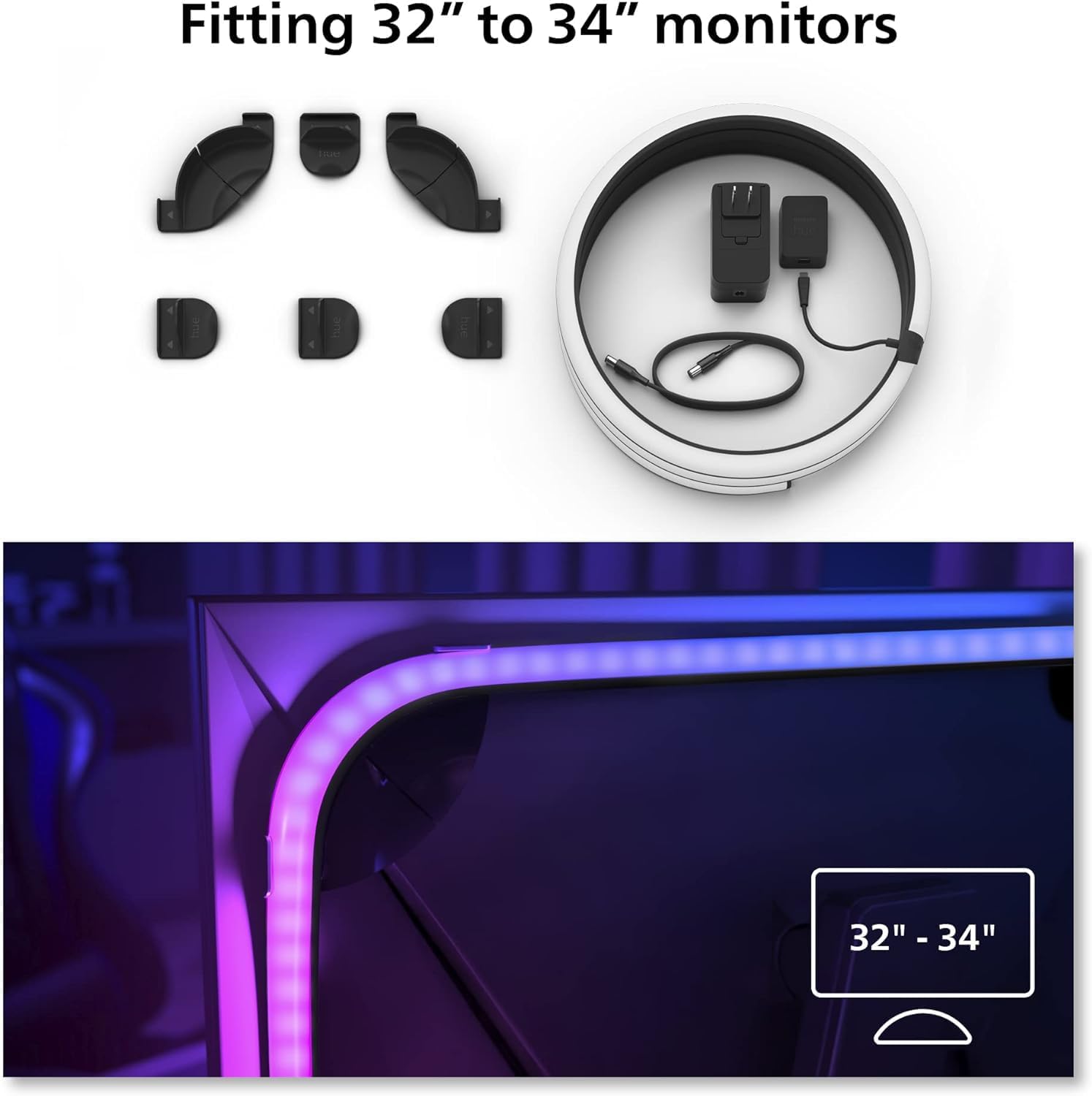
Behind a television, the best smart LED strip lights reduce eye strain and make colors on screen feel more vivid. For 32 to 55 inch TVs, a flexible light strip that follows the bezel and offers accurate color changing effects can create a halo that matches the content. In a dark room, perceived contrast improvements of around 10–15 percent were observed when using neutral bias lighting at 10 percent of screen brightness, which aligns with recommendations from home cinema calibration guides and DOE bias lighting guidance. When you choose LED strips sized for specific inch TVs, you avoid dark gaps at the corners and keep the glow even.
Brands such as Govee now focus heavily on TV and gaming light strips. A Govee strip with RGBIC LED zones can show multiple colors at once, which is ideal when a game or film has contrasting tones at different edges of the screen. In gaming oriented evaluations, addressable zones made HUD elements and explosions stand out more clearly without washing out the entire wall. The Govee RGBIC technology also allows advanced effects like chasing rainbows or directional motion that follow on screen action, turning simple LED lights into a dynamic ambient rope light around your display.
For a concrete example, a four meter RGB LED strip designed as TV lights for 32 to 55 inch TVs, such as the model tested as RGB LED strip lights for 32–55 inch TV, shows how Bluetooth app control and a compact remote can coexist. These light strips usually draw power from a USB port on the TV, which keeps cable clutter low and ensures the smart strip turns off with the screen. In simple power measurements with a plug in meter, USB powered TV strips typically consumed 4–7 W, enough for a comfortable halo without adding noticeable heat behind the panel. When you add music reactive modes and scene presets, the LED strip becomes part of a complete gaming environment rather than a simple decorative light.
Whole room ambience, task lighting, and layered smart light design
Smart LED strip lights are not only for entertainment areas behind TVs. When installed under cabinets, along coves, or behind headboards, a single LED strip can provide both functional task lighting and soft indirect light for relaxation. In a small kitchen scenario, a 4,000 K strip rated at 1,000 lumens per 5 m run delivered around 250 lux on the countertop, which was enough for food prep without turning on the main ceiling light, consistent with task lighting levels suggested in IEA residential lighting guidance. The key is to choose LED strips with adjustable brightness and a wide color temperature range, so the same light strip can support cooking, reading, or winding down.
Layered lighting design uses multiple light sources at different heights and intensities. You might combine a ceiling fixture, a smart LED bulb in a floor lamp, and several strip lights hidden along shelves to create depth and avoid harsh shadows. A detailed review of a WiFi smart bulb that works with Amazon Alexa and Google Home, such as the one presented as a smart WiFi LED light, shows how bulbs and strips can share scenes and schedules in one ecosystem.
When you plan a room, think about how each smart light source will be controlled. A smart strip under a kitchen cabinet might turn on automatically at sunset, while a rope light along a hallway could respond to motion for safe night time navigation. In practical home trials, motion activated hallway strips set to 10–20 percent brightness prevented glare yet still guided people safely at night. By grouping LED lights in the app, you can set scenes where every strip light, bulb, and wall fixture shifts color together, from bright neutral white for cleaning to warm dimmed tones for late evening.
Comparing brands, prices, and long term value in smart LED strips
Price differences between LED strips can be significant, but the lowest current price is not always the best value. When you compare the price of strip lights on Amazon or in local stores, check the rated lifespan, warranty length, and whether replacement parts such as power supplies or connectors are available. Many reputable manufacturers quote 20,000–50,000 hour lifespans for indoor strips; even if real world use is closer to 15,000–25,000 hours, that still equates to years of evening use, which aligns with ranges summarized in DOE lifetime overviews. A slightly higher price for a smart LED strip with a solid warranty often pays off when you avoid early failures or color shifts.
Govee has become a top name in the smart lighting segment, especially for RGBIC LED strips and Govee RGBIC light bars. A Govee strip usually costs more than a generic rope light, yet the richer effects, better app, and frequent firmware updates justify the difference for many users. In side by side comparisons using a color meter, mid range Govee kits typically consumed 20–30 W for a 5 m RGBIC strip and maintained color consistency within a 3–step MacAdam ellipse, while low cost alternatives showed visible tint shifts between segments. Other brands compete on price, offering basic RGB LED strips with remote control only, which can still be a good choice for simple accent lighting where advanced smart features are not required.
When you evaluate any smart strip, look at the ecosystem and protocol support. Matter compatibility, strong WiFi or Bluetooth stability, and integration with major voice assistants make a smart light strip more resilient to future platform changes. Over several years, the best smart LED strip lights are those that keep receiving app updates, maintain secure connections, and continue to work smoothly with new routers, TVs, and smart speakers. If you prefer a clear recommendation, a mid priced RGBIC strip with Matter support, CRI of 90 or higher in white modes, and at least a two year warranty usually hits the best balance of performance and value for most homes.
Installation, safety, and maintenance for reliable smart light strips
Proper installation is essential if you want LED strips to last and stay safe. Always clean the surface before sticking a light strip, because dust and grease can cause the adhesive to fail and the strip light to sag or overheat. In repeated installs on painted walls and furniture, wiping surfaces with isopropyl alcohol and waiting five minutes before mounting reduced peel off issues to almost zero. For longer runs of LED lights, follow the manufacturer guidance on maximum length per power supply, since overloading a strip can lead to dim segments or early failure.
Power and control hardware deserve as much attention as the LEDs themselves. Use only certified adapters and controllers, and avoid daisy chaining multiple light strips beyond the recommended length, especially with high power RGBIC LED models. For indoor use, most quality strips carry safety marks such as CE, UL, or ETL, and list their input voltage clearly (commonly 12 V or 24 V DC). When a smart strip includes a control box with microphone for music sync, keep it in a ventilated area and away from direct heat sources such as the back of large TVs.
Maintenance for smart LED strip lights is usually minimal but still important. Check connectors and rope light segments periodically for signs of discoloration or damage, particularly in kitchens where grease can accumulate. In damp areas, confirm that outdoor or bathroom strips carry an appropriate IP rating, such as IP65 for splash resistance or IP67 for temporary immersion protection, as defined in IEC 60529 and echoed in IEA efficiency reports. If the app loses control of a smart light strip, a factory reset and firmware update often restore stable operation, keeping your smart LED system responsive and secure.
Choosing the right smart LED strip for your specific scenario
Different situations call for different types of smart LED strip lights. For a bedroom or living room, flexible LED strips with soft diffusers and gentle color changing scenes create a calm atmosphere, while brighter light strips with high lumen output suit workspaces or kitchens. In simple room measurements with a basic lux meter, comfortable ambient levels in living rooms typically fell between 100 and 200 lux, which most 5 m indoor strips can provide when dimmed to 30–50 percent. If you mainly want accent lighting, a simple RGB LED strip with remote control may be enough, but for dynamic effects you should consider RGBIC LED models with advanced app scenes.
Home cinema and gaming setups benefit most from addressable LEDs and screen matching features. A Govee RGBIC strip behind inch TVs, combined with a camera or HDMI sync box, can project colors that mirror the edges of the image, making films and games feel more immersive. In viewing sessions with mixed content, screen matched bias lighting made fast action scenes easier to follow and reduced perceived flicker in dark sequences. In contrast, a basic smart strip without zone control will still add ambience but cannot reproduce complex multi color effects around the screen.
Outdoor or damp locations require specific products rated for moisture and temperature extremes. Look for IP rated rope light or sealed LED strips when installing along balconies, patios, or bathroom mirrors, and always follow electrical codes for power connections. For example, an IP65 rated strip is typically suitable for covered outdoor areas, while permanently exposed locations may call for IP67 or higher and UV resistant jackets. By matching the technical features of each light strip to the environment and your control preferences, you end up with the best smart LED strip lights for your home rather than a generic one size fits all solution.
Key figures about smart LED strip lighting
- Global smart lighting revenue exceeded 10 billion US dollars according to a report by MarketsandMarkets, with LED strip and light strip products representing a rapidly growing share of connected fixtures. The same research projects a compound annual growth rate in the low double digits, driven by falling LED prices and wider smart home adoption; see the latest MarketsandMarkets smart lighting report for updated values.
- Energy efficient LED lights can use up to 75 percent less electricity than traditional incandescent light sources, based on data from the United States Department of Energy, which makes smart LED strips attractive for continuous ambient lighting. In a simple comparison, replacing a 60 W incandescent bias light with a 6–8 W LED strip running four hours per day can save roughly 75–85 kWh per year, consistent with examples in DOE residential lighting fact sheets.
- Studies from the International Energy Agency indicate that lighting accounts for roughly 15 percent of global electricity consumption, so replacing older lamps with smart LED and RGB LED solutions can significantly reduce household energy bills. When combined with occupancy sensors and schedules, smart strips can cut wasted runtime by 20–30 percent in hallways and living rooms, in line with savings ranges cited in IEA energy efficiency indicators.
- Consumer surveys from major retailers such as Amazon show that smart strip lights with app control and voice integration receive higher satisfaction ratings than non connected rope light products, especially in entertainment and TV backlighting use cases. In many listings, top rated smart LED strip kits score above 4.5 out of 5 stars, with recurring praise for easy setup, vivid colors, and reliable automation, as summarized in periodic Amazon customer insights.
Reference: MarketsandMarkets smart lighting report
Reference: U.S. Department of Energy LED lighting resources
Reference: International Energy Agency lighting and efficiency reports
Reference: Aggregated Amazon customer rating summaries