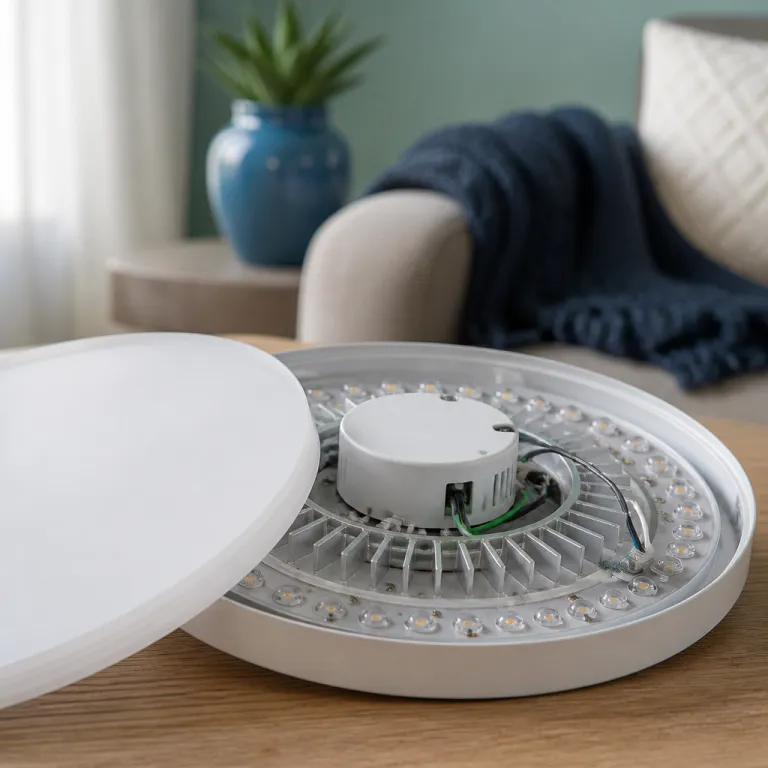
Understanding core lighting in smart ceiling systems
Core lighting in smart ceiling systems means placing the primary light source where it truly matters. In a living room or kitchen, this light core defines how you perceive colours, textures, and depth, shaping every daily experience and forming the basis of your architectural lighting design. When you plan smart ceiling lights, you are really deciding how the core lighting will guide movement, comfort, and focus across the room.
Smart ceiling fixtures usually combine a powerful central LED engine with subtle perimeter effects such as LED tape or recessed accents. This layered design lets you separate functional lighting from mood lighting, so you can cook, work, or relax under different light scenes without changing the physical layout. Thinking about the core as the main beam and the accessories as supporting layers makes it easier to specify the right LED output, beam angle, and control options for each series in the room.
Architectural lighting specialists often start with a spec sheet that defines lumen levels, colour temperature, colour rendering index (CRI), and dimming curves. Typical residential smart ceiling cores deliver 1 500–3 000 lumens at 80–90+ CRI with efficacy above 80 lm/W, using smooth dimming from 100 % down to 5–10 %. That technical sheet then becomes the backbone for every other decision, from the choice of LED tape around coves to the selection of smart switches and sensors. When you view a spec sheet for a smart ceiling series, focus first on performance data such as output and efficiency, then move to secondary details such as finish and mounting.
For many apartments in dense cities such as Los Angeles, ceiling height is limited, so the core lighting must be compact yet powerful. Slim LED modules and low profile tape light can deliver strong illumination without lowering the ceiling or cluttering the view. In these spaces, a well designed light core can replace multiple surface fixtures, reducing visual noise while enhancing comfort and making it easier to connect accessories later.
Smart platforms now make connecting ceiling lights, LED tape, and wall controls relatively easy. You can link a central luminaire with tape light around a dropped ceiling, then group them in one scene for reading, dining, or watching films. When you evaluate a product series, check how well it supports connecting different accessories and control methods, because that flexibility will enhance your long term experience.
How smart ceiling core lighting shapes comfort and wellbeing
Smart ceiling core lighting directly influences how alert, relaxed, or tired you feel. A bright, cool white light core above a desk keeps you focused, while a warmer, dimmed ceiling in the evening signals your body to slow down. When you choose a smart ceiling light, you are effectively choosing how your daily rhythm will be supported or disrupted.
Many advanced fixtures combine a tunable white LED engine with integrated LED tape around the edges of the housing. This combination allows the core lighting to handle tasks such as reading or cooking, while the softer tape light adds a halo that reduces harsh contrast on walls and ceilings. In practice, this layered design can enhance visual comfort, especially in rooms with screens where glare and reflections are common.
Look for products where the spec sheet clearly states the dimming range, colour temperature span, CRI, and control protocol. A transparent spec helps you understand whether the light can shift from cool daylight tones for work to warm candle like tones for relaxation. When the documentation is clear and complete, you can compare series from different brands without guessing or losing time searching for missing main content.
Smart ceiling lights that support scenes and schedules give you more control over your experience without constant manual adjustments. For example, a bedroom fixture with a tunable light core can start the morning at 4 000 K, then gradually warm to 2 700 K in the evening, matching your natural circadian preferences. A product such as a Fair White Ambiance smart ceiling light with Bluetooth and dimmer control, which you can review through this smart ceiling light test, illustrates how a well designed series can integrate with voice assistants and app based controls.
In compact homes, especially in dense districts of Los Angeles, a single smart ceiling luminaire often becomes the primary source of architectural lighting. That makes the quality of the core lighting even more critical, because it must handle tasks, ambience, and safety in one design. When you evaluate such products, pay attention to how the accessories such as diffusers, trims, and mounting kits influence glare, beam spread, and overall comfort.
Designing a layered light core with tape light and accessories
Designing a layered light core in a room starts with deciding what the ceiling must actually do. In a kitchen, the core lighting should make food preparation safe and clear, while in a bedroom it should support calm routines and soft transitions. Once you define those needs, you can decide how much of the work the central ceiling light should handle and where LED tape or other accessories will add value.
LED tape, sometimes called tape light, is a flexible strip of LEDs that can be hidden in coves, recesses, or behind architectural details. When combined with a strong central light core, tape light can wash walls, highlight textures, and reduce harsh shadows that a single downlight might create. This approach is common in architectural lighting projects where designers want ceilings to feel weightless while still delivering robust illumination.
For residential users, the spec sheet for LED tape and the main ceiling fixture should be read together. Matching colour temperature, colour rendering index, and dimming behaviour ensures that the core lighting and the surrounding tape light behave as one coherent system. If the spec for the tape light shows a different white tone from the ceiling luminaire, the mismatch can make surfaces look uneven or even slightly dirty.
Smart ceiling products such as a Wi Fi enabled LED ceiling light with app and voice control, which you can examine in this smart LED ceiling light review, demonstrate how a single unit can combine a powerful core with colourful perimeter effects. In such designs, the central LED often handles white task lighting, while RGB tape or edge lighting adds playful accents for social moments. This separation keeps the main lighting focused on clarity, while still allowing expressive scenes when desired.
When you plan connecting points for LED tape, think about maintenance and upgrades. Leaving accessible channels or junction boxes makes it easier to replace a tape series if a newer, more efficient LED tape becomes available. In professional projects, especially in cities like Los Angeles where codes evolve quickly, this foresight can lead to better long term results and lower disruption.
From indoor comfort to outdoor safety with smart core lighting
Core lighting is not limited to indoor ceilings, because outdoor spaces also benefit from a clear primary light source. A well placed exterior light core above an entrance or terrace can enhance safety, visibility, and architectural character. When that outdoor luminaire is smart and dimmable, you can adapt brightness to changing weather and activities without manual switches.
In many homes, the same design language used for indoor architectural lighting is extended to patios, balconies, and garden paths. A coordinated series of fixtures, including ceiling mounted lights and low voltage LED tape under railings, creates a visual link between interior and exterior zones. This continuity makes the experience of moving from living room to terrace feel natural, while the core lighting at each threshold maintains orientation and security.
Outdoor rated LED tape and tape light accessories must be chosen carefully, because moisture, dust, and temperature swings can damage unprotected components. The spec sheet for any outdoor LED tape should clearly state the ingress protection rating, operating temperature range, and recommended mounting surfaces. When the key information in that spec is transparent, you can judge whether the tape light will survive winters, heat waves, or coastal humidity.
Smart outdoor ceiling lights often integrate motion sensors and schedules, which can lead to meaningful energy savings. For example, a porch light core can remain at a low standby level, then ramp up when someone approaches, providing both comfort and deterrence. If you are comparing products, look for series that allow easy connecting of sensors, cameras, or other accessories without complex rewiring.
Many people worry about privacy when adding smart outdoor lighting that connects to apps and cloud services. Before installing, read the privacy policy of the manufacturer to understand how data such as schedules, device names, and usage patterns are handled. A clear privacy policy that explains data retention, sharing, and security measures is as important as a clear spec sheet for the hardware itself.
Smart control, data, and privacy around ceiling light cores
Smart ceiling core lighting depends on digital control, which inevitably raises questions about data and privacy. Every time you dim a light, change a scene, or link a new accessory, the system may log events that reveal habits and routines. Understanding how this information is stored and used is essential if you want both comfort and peace of mind.
Most reputable manufacturers publish a detailed privacy policy that explains what data is collected, how long it is stored, and whether it is shared with third parties. When you evaluate a smart ceiling series, read that privacy policy with the same attention you give to the technical spec sheet. Look for clear statements about encryption, opt out options, and whether the system can function locally without constant cloud connections.
Some users prefer ecosystems that allow local control through a hub or gateway, reducing reliance on remote servers. In such setups, the core lighting logic, including schedules and scenes, runs inside the home, while cloud access is limited to remote control when needed. This approach can enhance privacy and resilience, because your light core continues to operate even if an internet link fails.
When you explore reviews of smart bulbs and ceiling fixtures, such as this detailed test of dimmable smart LED bulbs with energy monitoring, pay attention to how the app handles permissions and account creation. A well designed interface will make it easy to view and adjust privacy settings, rather than hiding them deep in menus. When the primary controls of the app are focused on lighting, with clear links to privacy options, you can manage both comfort and data responsibly.
Accessibility also matters in smart control design, especially for people who rely on screen readers or keyboard navigation. Interfaces that provide a visible option to skip main navigation, often labelled as a skip main link, help users reach the main content quickly. When you choose a platform for managing your light core and accessories, consider how its design supports different abilities and not just visual appeal.
Planning a smart ceiling lighting project from spec sheet to lived experience
Planning a smart ceiling lighting project starts long before any fixture is installed. The process begins with a clear map of activities in each room, from reading and cooking to relaxing and entertaining. Once those needs are defined, you can decide where the core lighting should sit and how it will interact with secondary sources such as floor lamps or LED tape.
Professionals in architectural lighting often create layered plans that separate ambient, task, and accent roles. The ceiling light core usually handles ambient and some task functions, while tape light, pendants, or wall washers provide targeted emphasis. This separation allows each series of fixtures to be specified precisely, with the spec sheet for every product aligned to a specific role rather than a vague general purpose.
For a typical living room, a central smart ceiling luminaire might provide dimmable white light for everyday use. Around the perimeter, LED tape in coves can add a soft glow that enhances depth and reduces contrast between the ceiling and walls. In such a design, the core lighting remains the foundation, but the accessories make the space feel richer and more adaptable.
When you review spec sheets, pay attention to compatibility notes about dimmers, hubs, and control protocols. A light core that supports open standards such as Matter or Zigbee will be easier to integrate with different brands of switches, sensors, and voice assistants. This flexibility reduces the risk of being locked into a single vendor, which is particularly relevant in fast moving markets like Los Angeles where new products appear frequently.
After installation, take time to adjust scenes and schedules based on real use rather than assumptions. The first week of living with a new core lighting setup often reveals unexpected needs, such as a softer evening scene or a brighter setting for hobbies. Treat the project as an evolving series of refinements, where your experience guides small changes that gradually lead to a more comfortable and efficient home.
Key considerations when comparing smart ceiling light cores and series
When you compare smart ceiling light cores, start with measurable performance. Lumen output, efficacy in lumens per watt, and colour rendering index tell you how bright and accurate the light will be. These numbers, usually found in the spec sheet, form the objective basis for judging whether a series can meet your needs.
Next, evaluate how the design of the fixture will interact with your architecture. A shallow, wide diffuser may spread light gently across a low ceiling, while a more focused optic can lead the eye toward a dining table or work surface. In architectural lighting, this relationship between form and beam is what turns a simple light core into a tool for shaping space.
Control options are equally important, because they determine how easy it will be to adapt the core lighting to different activities. Check whether the product supports app control, voice commands, wall switches, and automation rules, and whether these methods can be combined. A flexible system lets you start with simple scenes and gradually add complexity, such as linking LED tape, outdoor fixtures, and sensors over time.
Durability and support also matter, especially for ceiling fixtures that are not easy to replace. Look for clear warranty terms, accessible customer service, and a transparent privacy policy that explains how firmware updates and remote diagnostics are handled. When a manufacturer treats both hardware spec and data policy as part of the same promise, you can trust the light core to remain reliable throughout its service life.
Finally, consider how the product fits into your broader digital environment, from smartphones and tablets to voice assistants and automation platforms. A smart ceiling series that integrates smoothly will feel like a natural extension of your daily routines rather than a separate gadget. Over time, that seamless experience is what turns core lighting from a technical feature into an invisible yet essential part of how you live.
Key figures about smart core lighting and smart ceiling lights
- According to the International Energy Agency, lighting accounts for roughly 15 percent of global electricity consumption (IEA, "Energy Efficiency 2019"), which means efficient LED based core lighting can significantly reduce household energy bills.
- Data from the U.S. Department of Energy shows that LED lamps and luminaires use at least 75 percent less energy than incandescent sources and can last up to 25 times longer (U.S. DOE, Solid-State Lighting Program, 2020), making smart LED ceiling cores a long term investment rather than a short term upgrade.
- Market research from Statista indicates that the global smart lighting market is growing at a double digit compound annual rate through the mid 2020s, driven largely by residential adoption of smart bulbs and ceiling fixtures that integrate with voice assistants.
- Studies on human centric lighting report that tunable white systems, which allow adjustment of colour temperature in core lighting, can improve alertness and visual comfort in workspaces when compared with fixed colour temperature solutions (for example, research summarised in Lighting Research & Technology, 2019).
- Surveys of smart home users consistently show that lighting is one of the first categories adopted, with many respondents citing the combination of energy savings, convenience, and ambience control as the main reasons for installing smart ceiling lights.
FAQ about smart ceiling core lighting
How bright should a smart ceiling light core be for a living room ?
For a typical living room of around 20 square metres, many designers aim for a total of 2 000 to 3 000 lumens from the core lighting, then add LED tape or lamps for accents. The exact value depends on wall colours, ceiling height, and how much daylight the room receives. Always check the spec sheet to confirm lumen output rather than relying only on wattage.
Is LED tape suitable as the main light source in a room ?
LED tape is usually better as a supplementary source rather than the primary light core. It excels at creating indirect washes and highlights but may not provide enough vertical illumination for tasks such as reading or cooking. Most architectural lighting plans combine a strong ceiling core with tape light for ambience and visual interest.
Do smart ceiling lights work without an internet connection ?
Many smart ceiling lights continue basic functions such as on off control and dimming without internet, especially when paired with local switches or hubs. Cloud connectivity is typically required for remote access, firmware updates, and some advanced automation features. Check the product documentation and privacy policy to understand exactly which functions depend on external servers.
How important is colour temperature in core lighting ?
Colour temperature strongly influences mood and perceived brightness, so it is crucial in core lighting design. Cooler tones around 4 000 to 5 000 K can support focus and clarity, while warmer tones around 2 700 to 3 000 K feel more relaxing. Tunable smart ceiling lights let you adjust this balance throughout the day for better comfort.
What should I look for in a smart lighting app interface ?
A good smart lighting app should make it easy to reach the main content of controls, such as on off, dimming, and scene selection, without excessive menus. Features like a visible skip main navigation option, clear labelling, and accessible privacy settings improve usability for a wide range of users. Consistent performance and transparent permissions are as important as visual design.