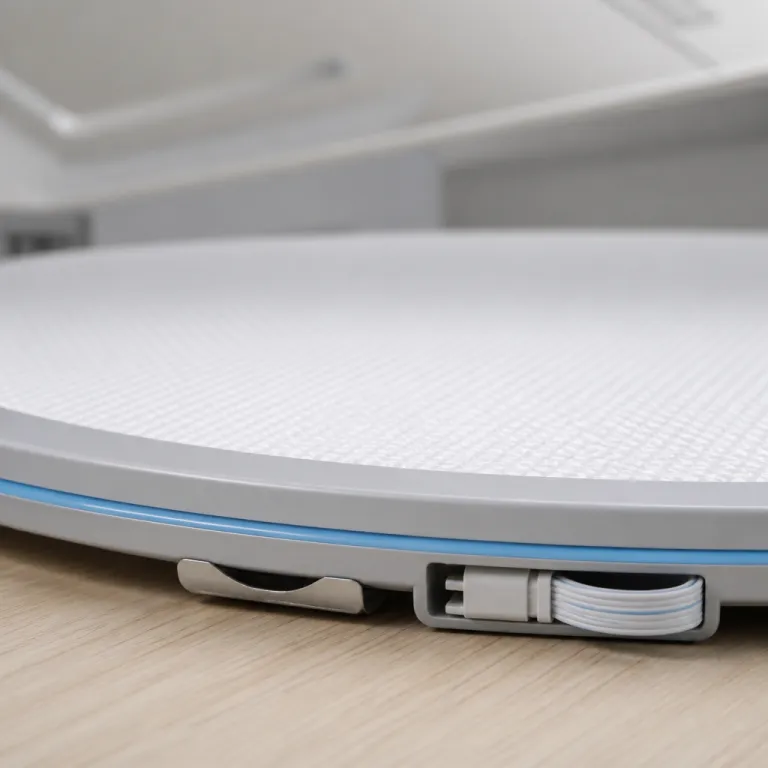
Smart wafer lights: a practical guide to canless recessed LED downlights
Smart wafer lights, sometimes called ultra thin canless recessed LED downlights, are changing how homeowners design ceilings and plan general lighting. These low profile LED panels sit nearly flush with the drywall, replacing bulky recessed cans and creating a cleaner, more architectural look. Because the LED chips and driver are integrated into the wafer assembly, the fixture can be slimmer, run cooler, and deliver higher efficacy than classic bulb based downlights while still supporting smart dimming and CCT control.
What makes a smart wafer light different from a classic downlight
A smart wafer light is an ultra thin LED panel that sits almost flush with the ceiling surface. This type of lighting replaces bulky recessed cans and turns ceiling illumination into a discreet layer that feels architectural rather than purely technical. Because these wafer fixtures use integrated LED chips and drivers, the product can be slimmer, run cooler, and deliver higher efficacy than traditional bulb based downlights.
Instead of a metal can, a smart LED wafer usually connects to a compact junction box that fits through the same cutout as the light. That junction box houses the driver, the dimmable circuitry, and often the switch that lets you select the wattage and the CCT, or correlated color temperature. With this canless recessed design, the fixture becomes easier to install in tight spaces where a standard recessed housing or older LED retrofit trim would never fit.
Most wafer downlight models are sold in 3 inch, 4 inch, or 6 inch formats, and each size offers different lumen output and beam spread. A 6 inch wafer light usually delivers a broader downlight pattern, while a 3 inch LED recessed panel focuses light more like a small spotlight. When you compare price per watt and per lumen, these ultra thin canless LED panels often outperform legacy recessed lighting on both energy efficiency and long term operating cost. Popular examples include Halo ultra thin canless wafers, Lithonia Lighting Wafer LED series, and Juno slim smart downlights, which all follow this integrated panel approach.
Choosing the right wattage, CCT and CRI for wafer lights
Smart wafer lights stand out because many models offer selectable wattage and CCT controls directly on the junction box. This means you can choose the power level and then select the CCT white tone, such as warm 2700 K, neutral 3000 K, or cooler 4000 K, without changing the product. Some advanced fixtures add app based tunable white features, letting you adjust the light from candle like warmth around 2200 K to crisp daylight style settings near 5000 K.
For living rooms and bedrooms, a wafer light with high color rendering performance (CRI 90 or higher) will render skin tones, artwork, and fabrics more accurately. In kitchens or home offices, pairing a 3500 K to 4000 K CCT white setting with strong CRI helps you see ingredients, documents, and screens clearly under the downlight beam. When you mix several wafer lights across a ceiling, keeping the same wattage, CCT, and CRI values avoids patchy lighting that can make spaces feel disjointed.
Colour finish also matters, especially when you coordinate smart ceiling lights with other fixtures such as mini cylinders or pendants. Many manufacturers offer white, black, and bronze trims, and some even combine black or white bezels with matching accessories for a unified look. If you are exploring how mini cylinder ceiling lights elevate smart ceilings in every room, pairing them with a thin black wafer downlight grid can create a sophisticated layered lighting scheme.
Wet, damp rated and indoor use: where each wafer light belongs
Every wafer light carries a safety rating that tells you where it can be installed, and this rating matters as much as lumen output. A damp rated wafer downlight is suitable for bathrooms, covered porches, or laundry rooms where moisture is present but water does not hit the fixture directly. For shower stalls or outdoor soffits exposed to rain, you must choose a wet rated LED wafer or risk premature failure and potential safety issues.
Smart recessed lighting for living rooms or bedrooms does not need a wet rating, but it still benefits from robust sealing that keeps dust and insects out of the ultra thin housing. When you compare products, check whether the fixture is listed as damp rated or wet rated and whether it carries an ENERGY STAR certification for efficiency, as defined by the U.S. Environmental Protection Agency and Department of Energy. Many ENERGY STAR wafer lights combine dimmable CCT controls, sealed housings, and canless recessed installation, which simplifies both design and compliance with typical building codes.
Some retrofit kits, such as a 6 inch smart retrofit downlight pack that connects to existing Wi Fi, are designed only for indoor ceilings. These retrofit recessed light products often include motion activation, app control, and tunable CCT dimmable features but are not built for wet locations. Always read the product sheet carefully, because using a non wet rated LED panel outdoors can void the warranty and compromise the lighting performance.
Smart controls, dimmable performance and everyday usability
Smart wafer lights integrate wireless control so that dimmable functions and CCT changes can be handled by voice, app, or automation. A good dimmable CCT implementation lets you fade the light smoothly from full brightness down to a soft glow without visible flicker or noticeable color shift. When the dimmable circuitry is poor, you may see stepping, buzzing, or a mismatch between the selected wattage and CCT and the actual light output.
For many households, the most practical setup combines a physical wall dimmer with app based scenes that adjust multiple wafer lights at once. In a kitchen, for example, you might run the recessed lighting at a cool CCT white level during cooking, then trigger a scene that warms the CCT setting and lowers the wattage for dinner. In a hallway, pairing a motion sensor with a canless LED wafer downlight ensures that the light turns on only when needed, saving energy while improving safety.
Compatibility with smart ecosystems also influences which product you select, because not every wafer downlight works with every hub. Some ENERGY STAR style LED recessed panels support Matter or Thread, while others rely on Wi Fi or Zigbee, and this affects how you group lights with smart strips or lamps. If you already use smart LED strip lights for accent lighting, aligning your wafer light brand and protocol with those strips can simplify automation and reduce app clutter.
Installation, canless recessed design and renovation constraints
One of the strongest advantages of a wafer light is the canless recessed construction, which eliminates the need for a deep housing above the ceiling. Because the ultra thin LED wafer connects to a separate junction box, electricians can snake the box through a small cutout and secure it to nearby framing. This approach is especially valuable in renovations where ceiling cavities are shallow or filled with ductwork and insulation that block traditional recessed lighting cans.
During installation, the electrician cuts a precise circular opening, pulls the cable through, and connects it inside the junction box before snapping the wafer downlight into place. Spring clips hold the recessed light firmly against the plasterboard, creating a flush mount appearance that looks neat even in low ceilings. When planning multiple wafer lights, professionals often lay out a grid that balances beam overlap, consistent wattage and CCT, and spacing from walls to avoid scalloping.
Homeowners should also consider future access, because once the wafer lights are in, the junction box is usually reachable only by removing the panel. Choosing a reputable product with solid warranties, ENERGY STAR ratings, and good thermal management reduces the risk of early failures that require ceiling work. While the upfront price of quality canless LED fixtures may be higher than budget items, the long term reliability and reduced labour often justify the investment.
Designing layered smart ceilings with wafer lights and accents
Smart wafer lights work best when they form the backbone of a layered lighting plan rather than the only source of light. Use them as general downlight sources, then add wall sconces, pendants, or smart strips to create depth, contrast, and visual interest. A ceiling filled only with recessed light can feel flat, while a mix of wafer lights and accent fixtures feels more like a thoughtfully designed space.
In open plan living areas, designers often run a perimeter of wafer downlight fixtures near the walls and keep the centre of the room for decorative pendants. This strategy lets the recessed lighting handle tasks and circulation while the pendants and table lamps provide character and softer pools of light. For media rooms, reducing the number of wafer lights directly above the seating area and relying on dimmable CCT wall lights can prevent glare on screens.
Accent solutions such as smart LED strip lighting can complement a grid of white or black wafer trims by washing coves, shelves, or toe kicks with colour. When you coordinate the CCT white of your wafer lights with the strips, the room feels cohesive even as you change scenes. Matching finishes, such as pairing bronze wafer trims with bronze hardware and dark black decorative fixtures, ties the entire ceiling composition together.
Key figures on smart wafer light adoption
- According to the U.S. Department of Energy’s 2020 “Residential Lighting End-Use Consumption Study,” LED lighting now accounts for more than half of installed residential light sources, and thin integrated fixtures such as wafer lights are a major driver of this shift because they replace recessed cans efficiently.
- ENERGY STAR certified LED wafer and recessed light products are specified by the U.S. Environmental Protection Agency to use at least 75% less energy than incandescent fixtures and to last up to 25 times longer, which significantly lowers lifetime price per lumen compared with older technologies.
- Market research from Grand View Research’s “Smart Lighting Market Size Report” indicates that smart lighting, including smart wafer downlight panels, is growing at a double digit compound annual rate, driven by demand for app control, automation, and energy savings.
- Studies of residential retrofits cited by U.S. efficiency programs such as ENERGY STAR and state level utility initiatives show that replacing halogen recessed lighting with LED wafer lights can cut ceiling lighting energy use by roughly 60 to 80%, depending on wattage settings, lumen output, and dimming habits.
FAQ about smart wafer lights
Are smart wafer lights worth the higher upfront price
Smart wafer lights usually cost more than basic recessed lighting, but they combine ultra thin construction, integrated LED efficiency, and smart dimmable CCT control in one product. When you factor in lower energy bills, longer life, and the ability to select wattage and CCT without replacing bulbs, the total cost of ownership often becomes lower than traditional options. For many homeowners, the convenience of app control, scenes, and automation adds further value beyond the raw price per fixture.
Can I install wafer lights in a bathroom or shower
You can install wafer lights in bathrooms if the fixtures are at least damp rated and wired according to local electrical codes. For shower enclosures or areas where water can hit the light directly, you must choose a wet rated LED wafer downlight and confirm that the junction box and trim are approved for that location. Always check the product label and installation manual, because using a non wet rated recessed light in a shower is unsafe and may violate code.
How many wafer lights do I need in a room
The number of wafer lights depends on room size, ceiling height, and the tasks you perform there. A common rule of thumb is to space recessed lighting at roughly 4 to 6 feet apart and about half that distance from walls, then adjust based on the wattage, CCT, and lumen output of each fixture. Designers often start with a layout, test one or two luminaires, and then fine tune the grid before cutting all the ceiling openings.
Do smart wafer lights work with existing dimmer switches
Many smart wafer lights are dimmable, but not all are compatible with every wall dimmer, especially older leading edge models designed for incandescent loads. Manufacturers usually publish a list of tested dimmers and specify whether the product supports both app based dimming and traditional switch control. To avoid flicker, buzzing, or limited dimming range, match the recessed light to a recommended dimmer or use smart controls that adjust brightness digitally.
What colour temperature is best for wafer lights in living spaces
For living rooms and bedrooms, most people prefer a warm CCT white range between 2700 K and 3000 K, which feels comfortable and flattering. Kitchens, home offices, and garages often benefit from a cooler 3500 K to 4000 K setting that makes tasks easier under the downlight beam. Choosing a dimmable CCT or selectable wattage and CCT wafer light lets you experiment and adjust the ambience over time without changing fixtures.