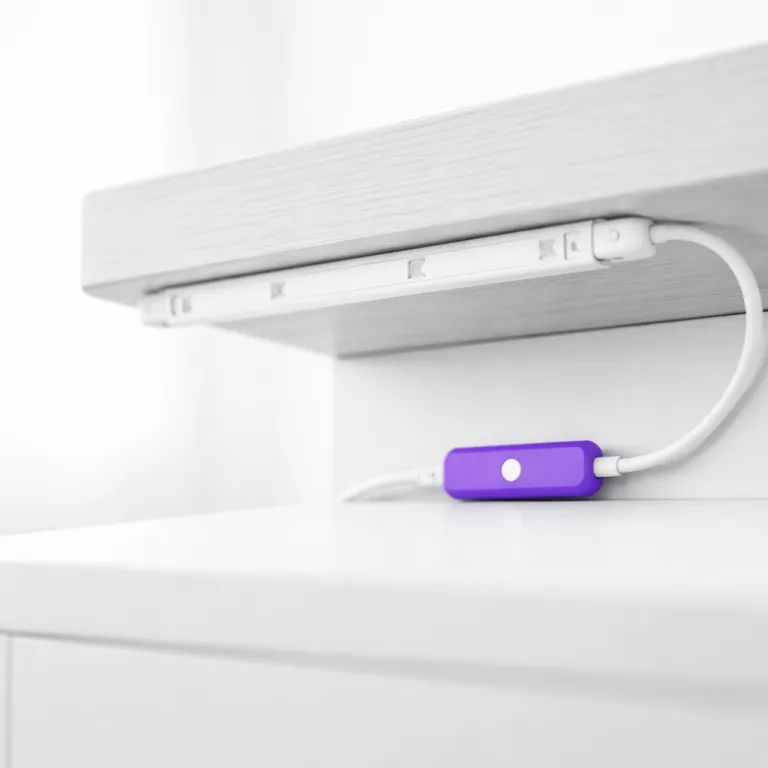
Why smart light strips for bedroom spaces feel different from gaming setups
Smart light strips for bedroom use live much closer to your eyes. In a living room you can push a bright LED strip behind a TV and forget it, but in a small sleeping space the same strip lights can turn the room into a restless, low budget club. The goal shifts from spectacle to comfort, so every light choice needs to respect sleep and circadian rhythm.
Think of each light strip as a soft architectural line rather than a neon sign. When you place LED lights correctly, they stop screaming for attention and start behaving like built in lighting that quietly shapes the room. That is why I treat every smart light, whether it is a premium Philips Hue Gradient strip or a budget Govee RGBIC strip light, as part of the bedroom’s structure rather than a gadget.
Most people arrive here after scrolling through Amazon pages full of five stars and rainbow presets. Those reviews rarely mention that RGB music sync effects feel fun for ten minutes but exhausting after ten nights, especially when the strip lights bedroom setup sits within 2 metres of your pillow. A calmer approach with warm white scenes and gentle color changing fades will always age better than a reactive RGB LED storm.
The three placements that actually work in a bedroom
There are three placements for smart light strips for bedroom layouts that consistently look grown up. Behind the headboard, under the bed frame and on top of the wardrobe each use the same LED strip hardware but create very different lighting moods. All three hide the light strip from direct view, which is the fastest way to make even cheap LED light products feel expensive.
Behind the headboard, a 2 to 3 metre strip light mounted 10 to 20 centimetres from the wall creates a halo that replaces harsh bedside lamps. Under the bed, running 3 to 4 feet of smart LED strip along each side gives a soft floor wash that makes midnight trips feel safer without waking you fully. On top of a wardrobe, a longer run of RGBIC LED or standard RGB LED strip lights can bounce light off the ceiling, turning a low room into something that feels taller and calmer.
If you are choosing between models, Philips Hue Gradient Lightstrip is still the quality first pick for this kind of architectural lighting. Govee RGBIC strip lights win on value, especially when you compare current price and app control features against more expensive brands in any detailed LED strip buying guide such as a 3 foot LED strip brightness comparison. LIFX Beam and Nanoleaf light strips behave more like design objects than simple strip lights, so I reserve those for walls where you actually want to see the item rather than hide it.
Bias lighting, mirrors and why under desk strips fail in bedrooms
TV style bias lighting works behind a bedroom mirror for the same reason it works behind a screen. When you mount a smart light strip around the back edge of a mirror, the LED lights bounce off the wall and create an even halo that flatters skin tones and reduces harsh shadows. You get functional lighting for getting ready plus a calm, hotel like glow that feels nothing like a gaming rig.
Under desk strip lights in a bedroom almost always miss the mark. The LED strip sits too close to your eyes when you are in bed, so every RGB color changing effect reflects off glossy surfaces and pulls attention away from the rest of the lighting plan. Unless the desk is tucked into a niche far from the bed, that strip light becomes a visual distraction that fights with your headboard and wardrobe light strips.
If you love the idea of accent lighting around furniture, treat your bedroom like a scaled down version of a well lit outdoor terrace. The same principles that make LED tape lighting for outdoor spaces feel sophisticated apply indoors, especially the rule about hiding the LED light source and letting only the reflected light show. A short list of smart LED options with good app control and reliable remote alternatives will serve you better than chasing every RGBIC LED gimmick you see on Amazon product pages.
Color temperature, scenes and what to avoid after 20:00
For any smart light strips for bedroom setup, color temperature matters more than lumen count. After 20:00 you should keep every light strip and bulb under 3000 Kelvin, which means warm white or very soft amber rather than cool daylight. That shift helps your body produce melatonin, while saturated blues and intense reds from RGB LED scenes do the opposite and keep your brain on alert.
My default scene list for bedroom strip lights is boring on purpose. First, a single color warm white wash at around 2700 Kelvin for reading or winding down, then a slow color changing fade that moves only through warm ambers and soft peach tones, and finally an off by default state with a 10 second wake ramp for early alarms. When you use app control or a physical remote to trigger these scenes, the room feels like it is breathing slowly instead of pulsing with every beat.
There is a reason I tell people to avoid RGB music sync modes, rainbow presets and exposed light strips within 2 metres of eye level in a sleeping space. Those features are tuned for parties and gaming streams, not for a bedroom where your pupils are already dilated in the dark. If you want playful lighting, keep one certified smart LED strip in the wardrobe or around a mirror for short bursts, and let the rest of your lights bedroom plan stay firmly in the warm white and soft pastel range.
Product picks by ecosystem, budget and how the room feels at night
Choosing smart light strips for bedroom use starts with your ecosystem, not with Amazon search results. If you already own an Amazon Echo or use Alexa Google Assistant heavily, it makes sense to pick a smart light strip that supports both voice platforms cleanly and shows up as a native smart item in your routines. Philips Hue, Govee and Nanoleaf all integrate with Alexa, while Hue and Nanoleaf also play nicely with other hubs if you expand later.
For quality first buyers, the Philips Hue Gradient Lightstrip still delivers the most consistent color along the entire LED strip and the most reliable app. It is expensive at full price, but the current price often drops during major sales, and the Hue system lets you mix strip lights, smart LED bulbs and lamps under one interface with rock solid scene control. If you want value, Govee RGBIC and standard Govee RGB LED strip lights offer bright output, flexible music sync options and decent app control, though you trade some long term firmware polish for that lower price.
LIFX Beam and Nanoleaf Lines or Shapes are my picks when the light strip itself is meant to be seen as wall art. They punch through even in daylight and can create bold color changing patterns, but I still recommend keeping their bedroom scenes on the warmer, slower side. Whatever you choose, check that the LED lights are properly certified for safety in your region, read beyond the Amazon stars to see how people describe the light quality and not just the features, and remember that a calm room at 21:00 matters more than any spec sheet.
Installation tricks, diffuser channels and making strips look built in
The biggest difference between smart light strips for bedroom setups that look cheap and those that feel architectural is not the brand. It is whether you hide the LED strip in a diffuser channel or behind a lip so you never see the individual diodes. Aluminium diffuser channels cost around 15 dollars or euros for a 1 metre length, and they instantly turn a bare strip light into something that resembles a custom fixture.
When I install LED lights behind a headboard, I mount the strip light inside a shallow channel angled slightly toward the wall. That softens the light, prevents hot spots and protects the adhesive from dust so the strip lights last longer, which quietly helps you save money over time. Under a bed frame, I run the LED strip about 5 to 10 centimetres in from the edge so the light strip washes the floor rather than shining directly into your eyes when you walk in.
Do not forget the basics like cleaning the surface with alcohol before sticking the strip, leaving a small service loop of cable near the controller and checking the total feet of LED strip against the rated power supply. If you are comparing options in a long product list, look for clear information on wattage per metre, whether the strip supports RGBIC LED effects or only simple RGB, and whether there is a physical remote included as backup to the app. For more context on how strip lighting can shape a space, even outdoors, it is worth reading about how subtle post cap and tape lighting change the feel of a deck, then borrowing those same layering ideas for your bedroom.
Automation, control options and living with smart bedroom strips every night
Once the hardware is in place, the real test of smart light strips for bedroom use is how they behave on a Tuesday night when you are tired. Voice control through Alexa or another assistant is helpful, but you should never rely on it as the only way to turn a light strip on or off. A mix of app control, a small remote on the nightstand and one or two well chosen automations usually gives the best balance of convenience and reliability.
For example, you can set a routine where the under bed LED strip turns on at 10 percent warm white when a motion sensor sees movement between 23:00 and 06:00. The headboard light strip can fade from warm white to very soft amber over 20 minutes when you say a goodnight phrase to Alexa Google Assistant or tap a scene in the app, while the wardrobe light strips stay off unless you open the doors. This kind of layered lighting keeps the room functional without ever blasting your eyes with full brightness RGB LED scenes at the wrong time.
When you shop on Amazon or in a local store, ignore the loudest promises about music sync and instead read how people describe the everyday experience of the smart LED system. Look for comments about whether the app is stable, whether the current price feels fair for the build quality and whether the LED light output is smooth at low dim levels. Over months of use, those quiet details matter far more than how many stars a listing has or how dramatic the product photos look.
Key figures on smart bedroom light strips
- Studies on residential lighting show that color temperatures below 3000 Kelvin in the evening are associated with better sleep quality compared with cooler 4000 to 6500 Kelvin light, because warmer light reduces blue spectrum exposure that can suppress melatonin.
- Typical indoor LED strip lights consume around 7 to 15 watts per metre, so replacing a pair of 60 watt bedside incandescent lamps with 4 metres of efficient smart LED strip can cut energy use for that task lighting by more than half.
- Many popular Wi Fi smart light strips advertise lifespans of 15 000 to 25 000 hours, which translates to roughly 10 to 15 years of use at 4 hours per night, assuming proper installation and adequate heat dissipation.
- Consumer testing often finds that premium systems such as Philips Hue maintain more consistent color accuracy across dimming levels, with some budget RGB LED strips shifting toward green or blue at low brightness, which can subtly change how your bedroom paint and textiles appear.
- Surveys of smart home users consistently show that bedrooms and living rooms are the first two spaces where people install smart lighting, reflecting a priority for comfort and ambience rather than purely functional task lighting.
FAQ about smart light strips for bedroom use
Are smart light strips safe to leave on overnight in a bedroom ?
Quality LED strip lights from reputable brands are designed to run for many hours safely, provided they are properly powered and not covered by bedding or other materials. Always use the supplied or a correctly rated certified power supply, avoid bending the strip sharply and keep controllers away from flammable surfaces. If safety is a concern, choose products with clear certification marks for your region and set automations that dim or turn off the lights after you fall asleep.
How bright should bedroom LED strip lights be for a relaxing atmosphere ?
For indirect bedroom lighting, a range of 150 to 300 lumens per metre is usually enough when the strip is hidden behind a headboard or wardrobe. Higher output LED lights can feel harsh unless you dim them significantly or use diffuser channels to soften the light. Aim for warm white under 3000 Kelvin and rely on multiple low level light sources rather than one very bright strip light.
Can I control bedroom light strips with Alexa or Google Assistant ?
Most modern smart LED strips support voice control through platforms such as Amazon Alexa and Google Assistant, often labelled as compatible with Alexa Google on the packaging. Once linked through the manufacturer app, you can turn the light strips on or off, change brightness and switch scenes using voice commands or routines. For reliability, keep a physical remote or wall control as backup in case Wi Fi or cloud services fail.
What is the best place to install smart light strips in a small bedroom ?
In compact rooms, behind the headboard is usually the most effective and least intrusive placement. Under bed lighting can add a gentle floor wash that helps with night time navigation, while a strip on top of a wardrobe can bounce light off the ceiling to make the space feel taller. Avoid exposed strips at eye level or under desk installations that shine directly toward the bed, as they tend to feel more like a gaming setup than a restful retreat.
Do I need RGB color changing features, or is warm white enough ?
For most people, a high quality warm white smart light strip with good dimming covers 90 percent of bedroom needs. RGB or RGBIC color changing effects can be enjoyable in short bursts, but they are rarely comfortable as default night lighting, especially in saturated blues and reds. If you choose RGB LED strips, create a few restrained, warm toned scenes for everyday use and reserve the more dramatic colors for occasional mood changes.
