Key technologies inside modern smart ceiling lights
Most of the best smart ceiling lights use integrated smart LED modules instead of replaceable bulbs. An integrated smart LED ceiling light is thinner, more efficient, and often brighter than a traditional bulb fitting, although you lose the option to swap individual smart bulbs later. If you prefer flexibility, a ceiling that takes standard E26, E27, or GU10 light bulbs can host several smart bulbs, giving you modular smart lighting that is easy to upgrade when new smart bulb models arrive.
Colour and white performance define how a smart light feels in daily life. Look for a ceiling light or smart bulbs that support both full colour and tunable white, with a colour temperature range roughly between 2,200 K and 6,500 K for comfortable warm‑to‑cool lighting. High‑quality smart lights from Philips Hue, Govee, and GE Cync (including the Cync Dynamic range) usually offer smooth dimming, accurate colour, and enough lumens to keep brightness consistent across the entire ceiling area. Many premium models quote a CRI (colour rendering index) of 80 or higher, which helps skin tones and décor look natural rather than washed out or overly yellow; for instance, Philips Hue White and Colour Ambiance bulbs are typically specified at CRI ≥80 at 4,000 K in Signify’s technical sheets, and GE Cync Dynamic fixtures list similar CRI values on GE Lighting’s site.
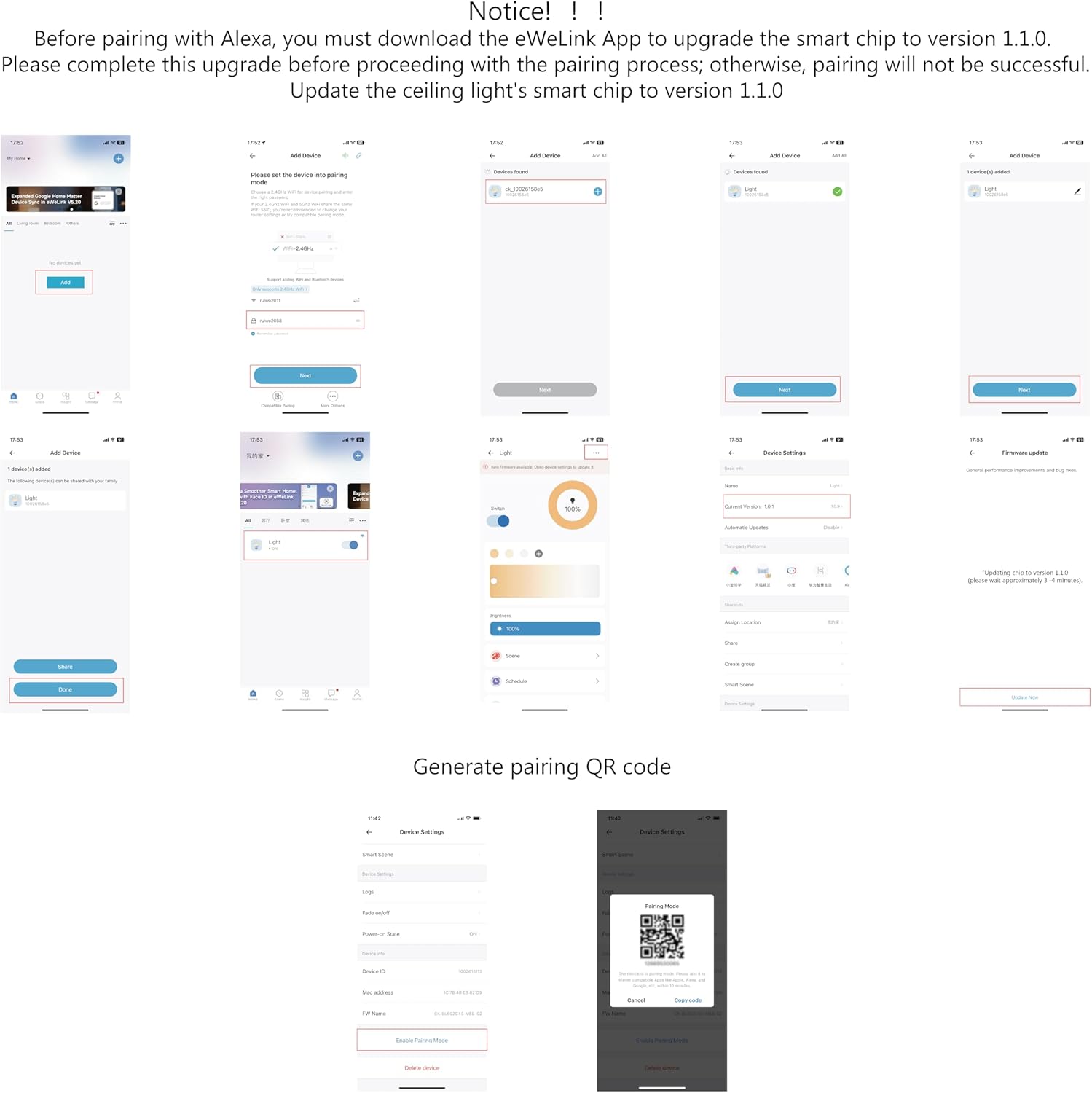
Connectivity is the other crucial layer that separates average lights from the best smart ceiling lights. Many smart ceiling products connect directly over Wi‑Fi to an app, while ecosystems such as Philips Hue use a dedicated bridge for more reliable control of many light bulbs at once. Before you buy any smart bulb or multipack of smart bulbs, check that the system works with Amazon Alexa, Google Assistant, and possibly Apple Home so that every smart ceiling light in your home responds to the same voice commands. If you want extra resilience and lower latency, look for products that already support Matter or Thread, which are designed to make multi‑brand smart lighting more stable; Philips Hue, for example, added Matter support via the Hue Bridge in 2023, and several Govee and Cync Dynamic devices now advertise Matter compatibility on their product pages.
Comparing Philips Hue, Govee, and other leading smart ceiling options
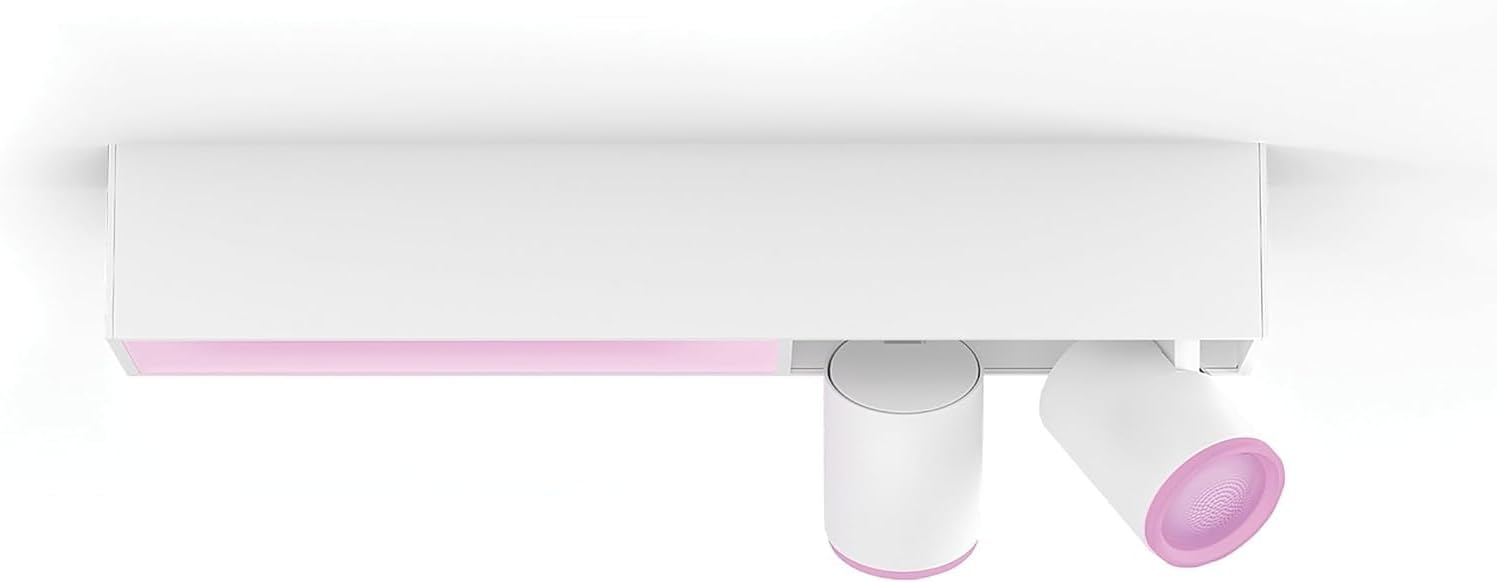
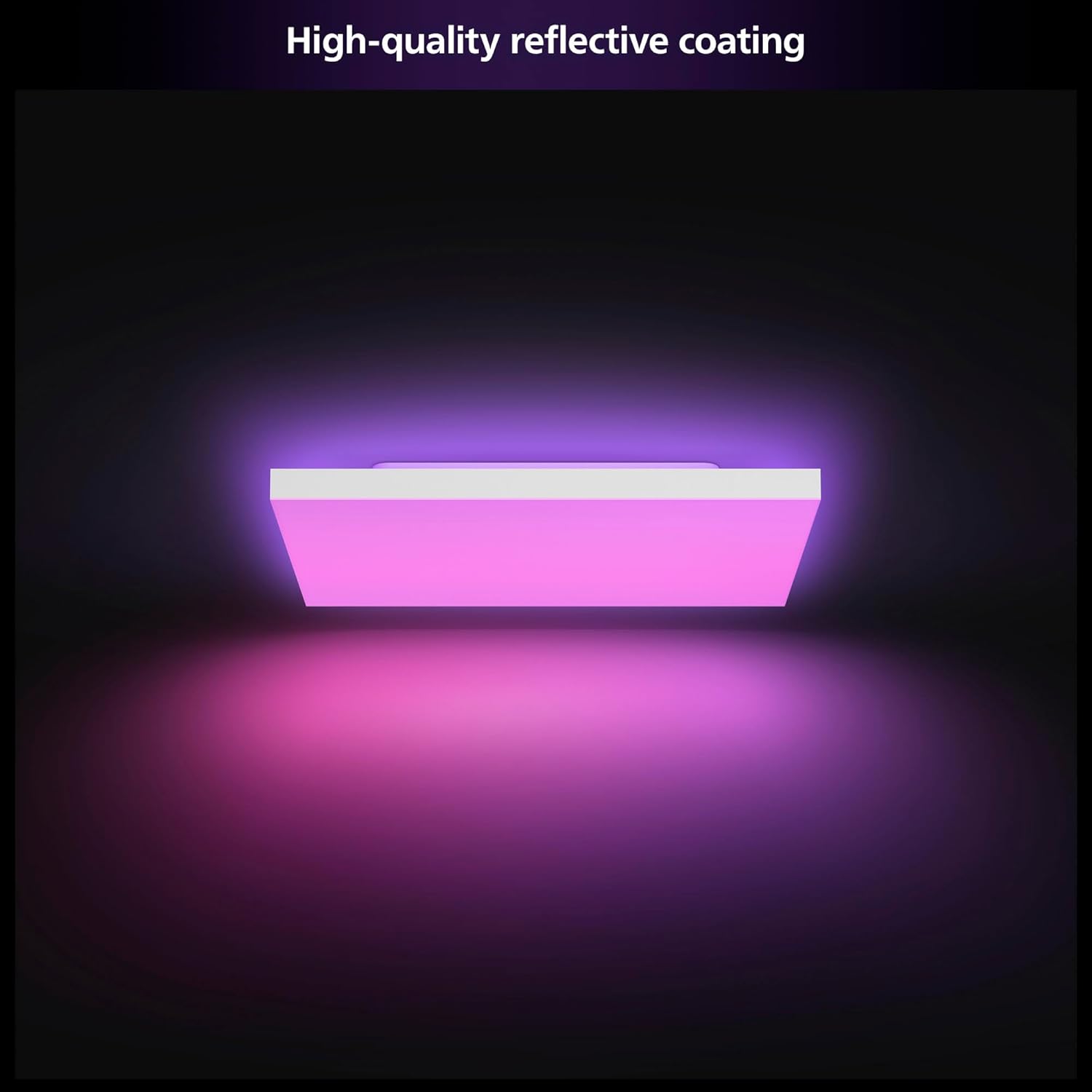
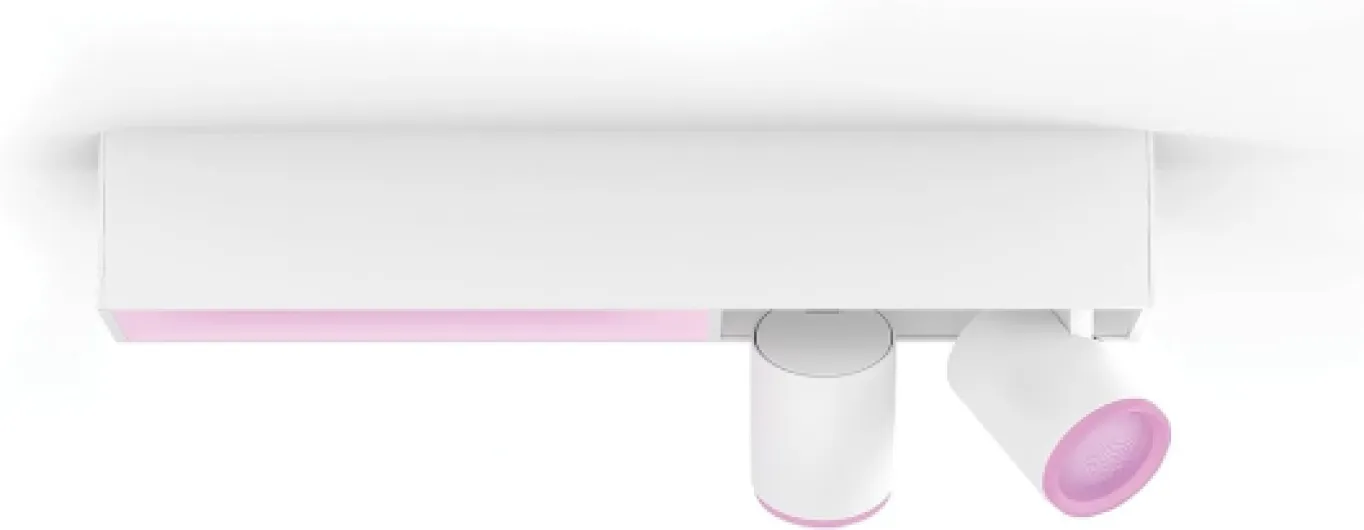
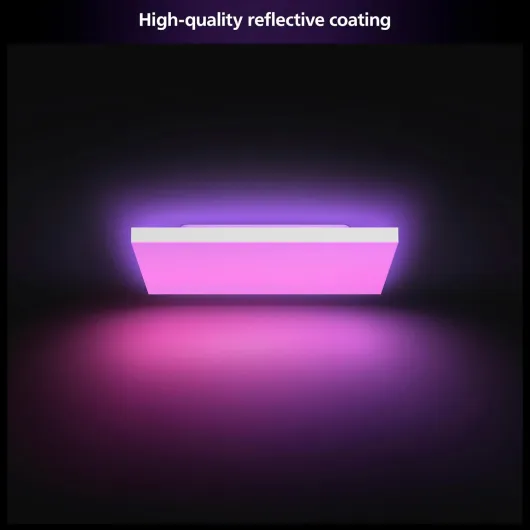
Philips Hue remains the reference point for premium smart lighting, especially when you want consistent performance from every ceiling light. A Philips Hue smart ceiling fixture such as the Hue White and Colour Ambiance Surimu panel (rectangular 120 × 30 cm variant 8719514339939, rated up to 4,200 lumens at 4,000 K in Signify documentation), paired with Hue smart bulbs or an integrated Hue smart LED module, offers excellent brightness, rich colour, and very stable app control through the Hue Bridge. Many users choose Hue because a single bridge can manage up to 50 smart lights, from ceiling fixtures to outdoor lamps, without overloading a home Wi‑Fi network.
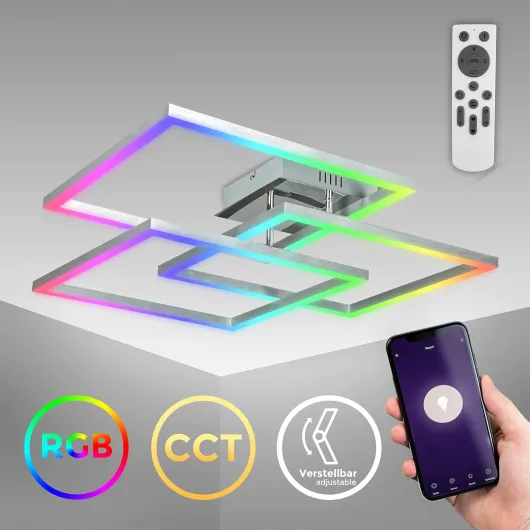
Govee has built a reputation for playful lighting with strong value, particularly for dynamic effects on ceilings and walls. A Govee smart ceiling light like the Govee RGBIC Flush Mount Ceiling Light H6061 or a Govee smart LED strip around the ceiling can project animated colour scenes that react to music, creating immersive lighting that feels more like décor than a simple bulb. Independent reviewers such as RTINGS.com and YouTube channels like Smart Home Solver have measured very fast colour transitions and responsive music‑sync modes on Govee RGBIC products, which helps explain their popularity for entertainment‑focused rooms.
Other brands, including GE Cync with its Cync Dynamic range, focus on accessible smart ceiling products that work directly with Amazon Alexa or Google Assistant without extra hubs. A Cync Dynamic ceiling light or compatible smart bulb may not match Philips Hue for ecosystem depth, yet it still delivers app‑based control, adjustable colour temperature, and decent lumen output for everyday rooms. When you compare these ecosystems, think about how many smart lights you plan to install, how much you value advanced scenes, and whether you prefer a bridge‑based system like Philips Hue or direct Wi‑Fi control through an Amazon Alexa or Google Home app.
To make scanning easier, here is a compact comparison of typical smart ceiling options (always check the latest product sheet for exact figures and regional SKUs):
- Philips Hue Surimu / Aurelle panels – Approx. 3,000–4,200 lumens, tunable white 2,200–6,500 K, CRI ≥80, Zigbee + Matter via bridge; pros: very reliable, deep ecosystem, excellent dimming; cons: higher upfront cost, requires Hue Bridge. Data from Signify product datasheets.
- Govee RGBIC Flush Mount Ceiling Light (H6061) – Around 2,000–2,400 lumens, full RGB + tunable white, Wi‑Fi + Bluetooth; pros: strong music sync and effects, no hub needed; cons: app‑heavy setup, fewer third‑party accessories than Hue. Specs from Govee’s official listing.
- GE Cync Dynamic smart ceiling fixtures – Typically 1,600–2,000 lumens, tunable white and colour, direct Wi‑Fi; pros: simple installation, works with Alexa and Google Assistant; cons: ecosystem is smaller, fewer advanced scene options. Figures based on GE Lighting / Cync documentation.
How to size brightness, color temperature, and lumens for each room
Choosing the best smart ceiling lights starts with matching brightness to room size. For a small bedroom of around 10 square metres, a ceiling light or cluster of smart bulbs delivering 1,000 to 1,500 lumens usually feels comfortable, while a 20 square metre living room may need closer to 2,500 lumens from several light sources. These ranges broadly align with guidance from lighting bodies such as the Illuminating Engineering Society (IES) and the UK’s Lighting Industry Association, which recommend higher total lumens for task‑heavy spaces. Kitchens and home offices benefit from higher brightness and cooler colour temperature, whereas lounges and bedrooms feel better with warmer white light and dimmer smart lighting in the evening.
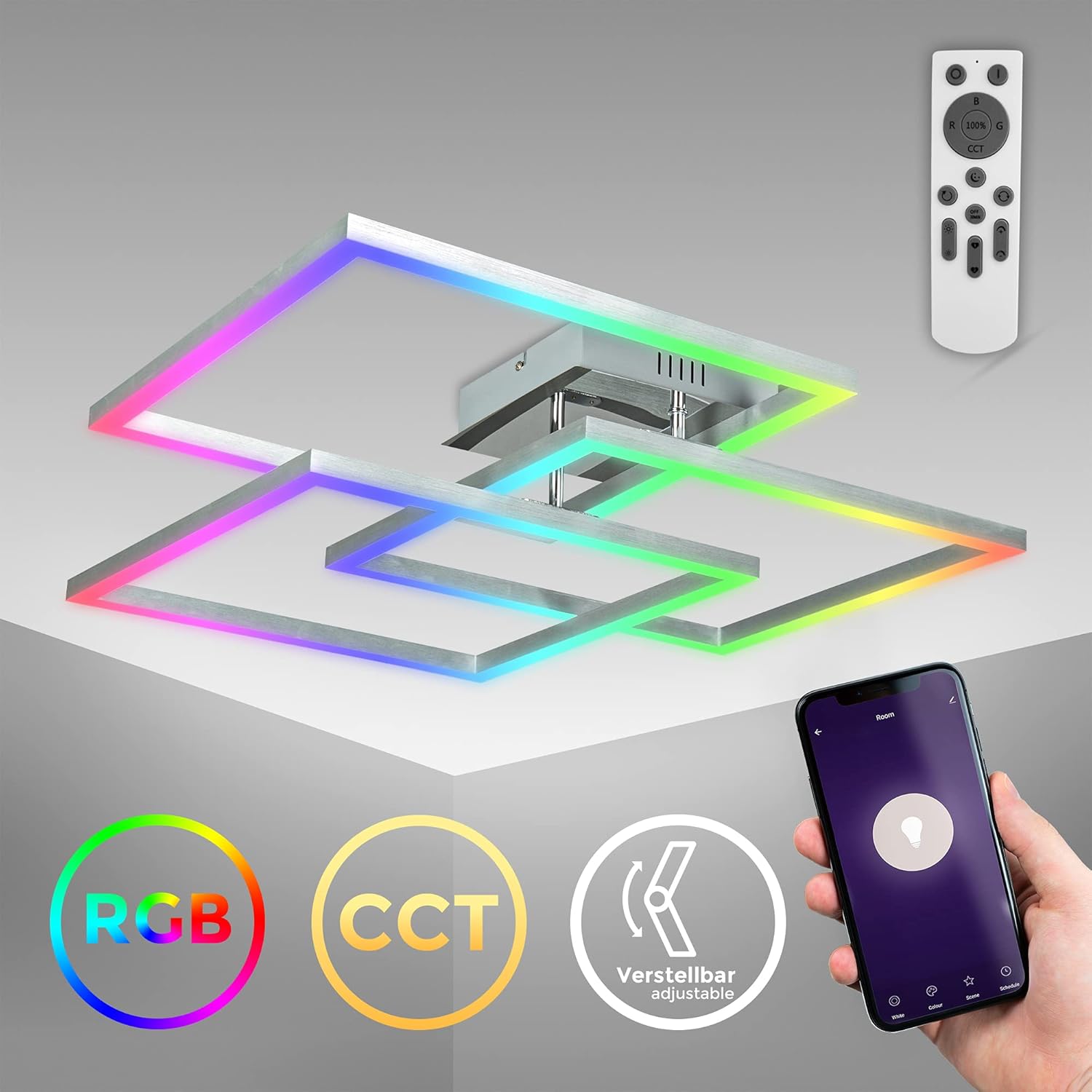
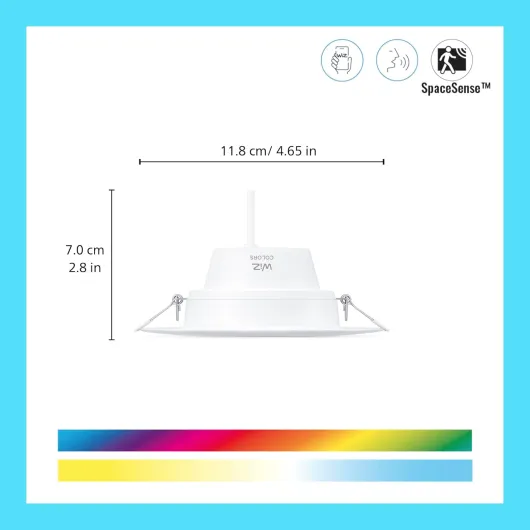
Colour temperature describes how warm or cool the light appears, measured in kelvins. A smart ceiling light that ranges from about 2,200 K to 6,500 K lets you set a candle‑like warm white for relaxing, a neutral white for reading, or a crisp cool tone for focused work under the same ceiling. Many of the best smart ceiling lights, especially Philips Hue and Govee models, allow you to automate these colour temperature shifts through an app so that your smart lights gradually change from cool to warm as the day progresses. As a rough guide, aim for 2,200–2,700 K in bedrooms at night, 3,000–4,000 K in living rooms, and 4,000–5,000 K in kitchens and studies, which is consistent with recommendations from manufacturers such as Signify and GE Lighting.
Do not overlook how dimming curves and minimum brightness affect comfort at night. Some cheaper smart bulbs and smart LED panels flicker or stay too bright when dimmed below about 20 percent, which can make a bedroom ceiling light feel harsh when you only want a night glow. Independent tests from reviewers like Wirecutter and Consumer Reports have found that premium smart bulb ranges such as Philips Hue or higher‑end Govee lights usually dim smoothly down to very low lumen levels (often under 1 percent of maximum output), giving you precise control over brightness for late evening routines with Amazon Alexa or Google Assistant voice commands.
Control, automation, and voice assistants for smart ceilings
The real power of the best smart ceiling lights appears when you start automating them. Every serious smart lighting ecosystem offers an app that lets you group smart lights by room, set schedules, and create scenes that adjust brightness, colour, and colour temperature with a single tap. A hallway smart ceiling light, for example, can turn on at 20 percent brightness after midnight while living room ceiling lights stay off, all managed quietly in the background.
Voice assistants such as Amazon Alexa and Google Assistant add another layer of convenience for busy households. Once you link your smart bulbs, smart LED panels, and ceiling light fixtures to an Amazon Alexa or Google Home app, you can use simple commands to dim the lights, change colour, or switch off every smart bulb in the house at once. Independent consumer tests from organisations such as Which? in the UK and Consumer Reports in the US often measure response times of around one second or less for leading smart lighting brands, which feels effectively instant in daily use. For people with limited mobility, this kind of hands‑free smart lighting control is not just a luxury but a meaningful accessibility upgrade.
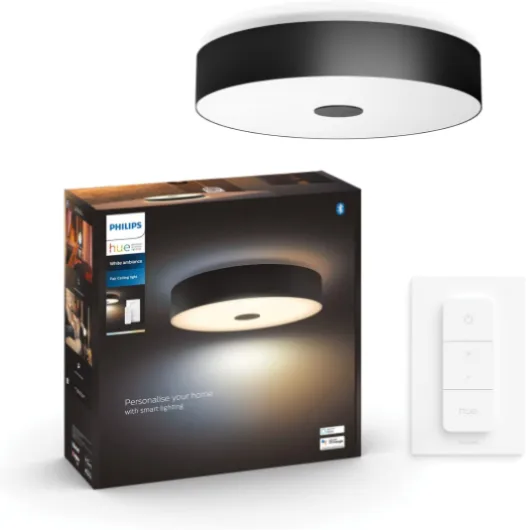
Advanced users often combine sensors and routines to make smart ceilings feel almost invisible. Motion sensors can trigger a smart ceiling light in a corridor, while door or contact sensors can cue specific dynamic effects or white scenes in a living room when you arrive home. When you design these automations, keep safety in mind by ensuring that essential light bulbs always respond to manual switches, so that a failed app or Wi‑Fi outage never leaves you in the dark. Many ecosystems, including Philips Hue and GE Cync, offer wireless dimmer switches and battery‑powered remotes that provide this physical fallback alongside app‑based control.
Practical buying checklist for the best smart ceiling lights
Start any purchase by checking compatibility between your chosen smart ceiling light and your existing ecosystem. If you already use Philips Hue bulbs or other smart bulbs, staying within that family keeps control simple and ensures that every light responds consistently in the same app. New buyers who rely heavily on Amazon Alexa or Google Assistant may prefer smart lights that connect directly to those platforms without needing extra bridges.
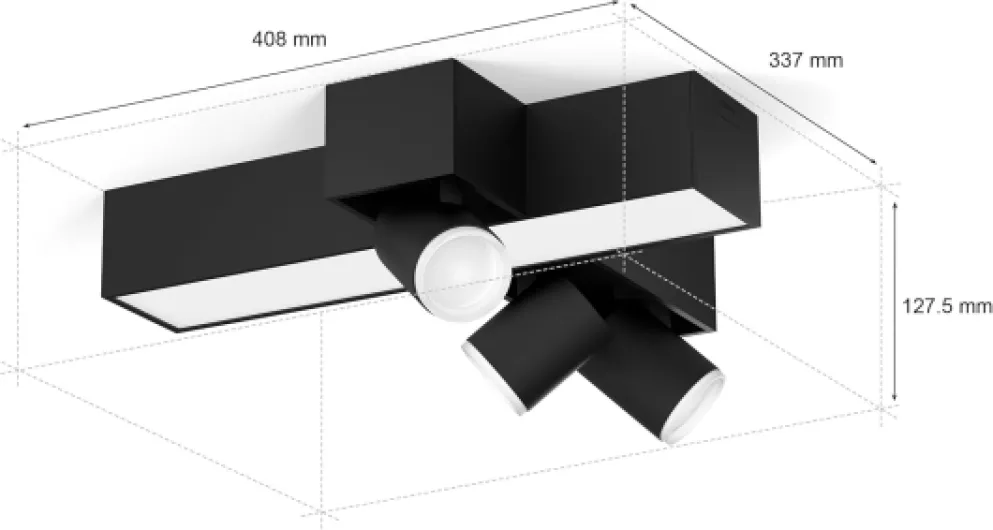
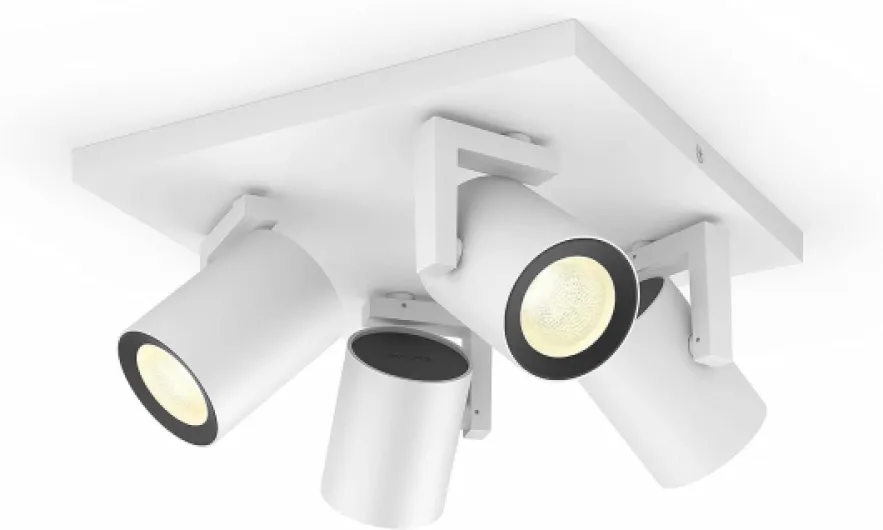
Next, evaluate the physical design and installation demands of each ceiling light. Some of the best smart ceiling lights use slim smart LED panels that sit close to the ceiling, ideal for rooms with low height, while others use larger fixtures that accept multiple bulbs for a more traditional look. Check whether the smart bulb or bulbs are replaceable, what kind of mounting hardware is included (for example, flush‑mount plates or suspension kits), and whether the product supports both full colour and tunable white modes for flexible smart lighting. Manufacturers often publish recommended room sizes on their product pages (for instance, “up to 15 m²” or “10–20 m²”), which can help you match a fixture to your space.
Finally, consider long‑term running costs and reliability, not just headline brightness numbers. High‑quality smart bulbs and smart LED modules are often rated for tens of thousands of hours, which can offset their higher upfront price compared with basic supermarket light bulbs. Reading user reviews carefully and taking time to read full product descriptions on Amazon or brand sites helps you avoid ceiling lights with weak apps, unstable control, or misleading lumen and colour temperature claims. Where available, look for independent test data from labs such as TÜV, UL, or Intertek, which verify safety and performance claims and are often referenced in manufacturer datasheets.
Maintenance, security, and future proofing your smart lighting setup
Once your best smart ceiling lights are installed, maintenance is mostly about software rather than hardware. Keep the app for your smart lights updated, since many brands push improvements to dimming, colour accuracy, and security through firmware updates that reach each smart bulb or smart LED panel. When a ceiling light uses replaceable bulbs, choose high‑quality smart bulbs from the same family to maintain consistent brightness and colour temperature across the room.
Security deserves attention because every smart ceiling light connected to Wi‑Fi is effectively a small network device. Use strong passwords for your Amazon Alexa, Google, or Apple accounts, enable two‑factor authentication where possible, and avoid installing untrusted third‑party skills or actions that claim to manage your smart lighting. Treat each smart bulb, smart ceiling fixture, and bridge as part of your digital perimeter, not just as harmless lights in the ceiling. Reputable brands usually publish security and privacy statements on their websites, which are worth reading before you commit to a whole‑home system; Philips Hue, Govee, and GE Cync all provide security white papers or FAQs outlining how they handle data and firmware updates.
Future proofing means choosing ecosystems that support open standards and regular updates. Philips Hue, Govee, and Cync Dynamic ranges are actively maintained, and many of their smart ceiling lights already support emerging protocols such as Matter and Thread, which aim to improve reliability and cross‑platform control. By investing in robust smart lights now, you reduce the risk that your ceiling light or bulbs will become stranded devices when new assistants, apps, or control standards arrive.
Key figures about smart ceiling lighting
- Modern smart LED ceiling lights typically use substantially less electricity than equivalent halogen ceiling bulbs. The International Energy Agency and the European Commission’s energy efficiency reports note that LED technology can cut lighting energy use by around 50–70 percent compared with older halogen lamps, which can translate into noticeable savings on annual household energy bills.
- Many premium smart bulbs and integrated smart LED modules are rated for roughly 15,000 to 25,000 operating hours. At an average of three hours of use per day, a smart ceiling light in this range can often last close to a decade before replacement is needed, according to manufacturer datasheets from brands such as Signify (Philips Hue) and GE Lighting, which publish lifetime figures on their technical specification sheets.
- Independent consumer tests and user reports commonly measure response times of around one second or less for voice commands sent through Amazon Alexa or Google Assistant to leading smart lights, which is generally fast enough to feel effectively instant in everyday use. Reviews from outlets like Which?, Consumer Reports, and Wirecutter frequently highlight this near‑instant response as a key benefit of well‑designed smart lighting systems.
- Colour‑capable smart bulbs and ceiling lights often cover more than 16 million colour shades, but user surveys from lighting brands suggest that most households rely on a small set of white and soft pastel scenes for the majority of their daily lighting. Philips Hue and Govee have both reported in marketing materials and blog posts that “relax,” “read,” and “concentrate”‑style white scenes are used far more often than saturated colours.
Top picks: quick comparison of popular smart ceiling lights
The following table summarises some of the best‑known smart ceiling options discussed above. Prices are approximate MSRPs or typical street prices at the time of writing and may vary by region and retailer; always confirm current pricing and specifications on the manufacturer’s website.
| Model |
Approx. price |
Key strengths |
Main trade‑offs |
| Philips Hue Surimu panel (e.g., 120 × 30 cm, 8719514339939) |
£230–£270 / $230–$270 |
Very bright (up to ~4,200 lm), excellent dimming, deep Hue ecosystem, Matter via Bridge |
High upfront cost, requires Hue Bridge, limited to Hue app for advanced features |
| Philips Hue Aurelle panel (e.g., 30 × 30 cm, 8718696176068) |
£120–£160 / $120–$160 |
Clean, low‑profile design, tunable white 2,200–6,500 K, reliable Zigbee connection |
White‑only (no colour), still needs Hue Bridge for best performance |
| Govee RGBIC Flush Mount Ceiling Light (H6061) |
£60–£90 / $60–$90 |
Strong music‑sync effects, full RGB + tunable white, no hub required |
App‑centric setup, fewer third‑party accessories and integrations than Hue |
| GE Cync Dynamic smart ceiling fixture |
£50–£90 / $50–$90 |
Direct Wi‑Fi control, works with Alexa and Google Assistant, accessible pricing |
Smaller ecosystem, fewer advanced scene and automation options |



![Amaze White and Colour Ambiance Ceiling Pendant Smart Light [White] Suitable for Kitchen and Dining, with Bluetooth, Works with Alexa, Google Assistant and Apple Homekit White New Generation](https://www.smart-light-guru.com/storage/797098/conversions/31-Pf922v2L._AC_-medium.webp)