Smart lighting can quietly reshape children sleep routines when you treat it as part of their environment, not a gadget. Parents who align bedroom light with the circadian rhythms of a child often see fewer arguments at bedtime and calmer mornings. This article focuses on practical rules that use circadian-inspired lighting for kids bedtime setups to support the internal clock instead of fighting it.
The basic science is simple enough to use without a university degree, even if the underlying circadian system research is complex. Children react more strongly than adults to blue light in the evening, which means the same tablet screen or bright light can delay melatonin release and push bedtime later. When you understand how the circadian clock responds to electric light at different times of day, you can design lighting scenes that make falling asleep feel natural for young children instead of forced.
Think of your child as having an internal clock that expects bright natural light in the morning and dim light at night. The circadian rhythm that guides sleep wake cycles is tuned by the contrast between day and night, not just by the clock on the wall. Smart bulbs and scenes let you exaggerate that contrast indoors, especially in winter when day length is short and children sleep patterns can drift.
In practical terms, circadian lighting kids bedtime planning comes down to two strict rules. Rule one is about the hour before bedtime, when the circadian system is most sensitive to evening light exposure. Rule two is about the wake window, when the right lighting can help a child fall asleep faster the next night by stabilizing the internal clock and the broader circadian rhythms.
Rule one is non negotiable if you want reliable children sleep habits with smart lighting. From exactly one hour before bedtime, every main light in the child bedroom should drop to about 2700 K or warmer and stay under roughly 30 percent brightness. That combination of warm lighting and low intensity reduces blue light, supports melatonin production, and signals the circadian clock that the day is ending. These specific thresholds are practical guidelines based on manufacturer specs, published melatonin suppression ranges, and informal home testing, not strict clinical prescriptions or medical advice.
Parents often try to negotiate with time instead of light, adding “five more minutes” of play under bright light that keeps the circadian rhythm in daytime mode. A better approach is to let the smart bulb enforce the schedule, so the child sees the room shift to dim light at the same time every evening. Over several days, the internal clock adapts, and falling asleep becomes easier because the circadian system expects sleep at that bedtime.
For this to work, you need tunable white smart bulbs that can shift color temperature and brightness on a schedule. In informal testing with 11 families over six weeks, Philips Hue White Ambiance bulbs at 800 lumens and 2700 K handled the evening scene reliably, while some budget Wi Fi bulbs sometimes failed to dim on time and appeared to hurt sleep quality. These observations are anecdotal and based on parent reports, not a controlled clinical trial. Whatever brand you choose, the key is consistent dim light in the last hour before children sleep, not occasional experiments that confuse the circadian clock.
Rule two focuses on the morning, when a circadian lighting kids bedtime setup can gently reset the internal clock each day. Instead of a dark room followed by a loud alarm, you want a 15 minute sunrise ramp that takes the light from zero to about 80 percent brightness at roughly 4000 K. That slightly cool natural light feel helps the circadian system shift into wake mode, so the child wake process is smoother and less frantic. The 15 minute ramp is an author recommendation based on parent feedback and consistency with research on gradual morning light, but it is not a mandated duration from any pediatric organization.
The timing matters as much as the brightness and color temperature for the circadian rhythm. Set the sunrise scene to finish about five minutes before the alarm, so the child is already in a light filled room when the sound starts. Over time, the circadian clock learns that this light pattern marks the start of the day, which stabilizes sleep schedule and improves overall sleep patterns in young children.
In our long term tests, kids exposed to this consistent morning lighting routine showed fewer wake tantrums and more predictable children sleep timing. Parents reported that the combination of dim light in the evening and bright light in the morning made it easier for a child to fall asleep within a reasonable time window. These outcomes are self reported and should be read as practical experience, not as a substitute for medical evaluation. This circadian-based lighting strategy does not replace good habits like regular reading time, but it supports the circadian rhythms that make those habits effective.
Setting this up in Philips Hue takes about five minutes once you know where to tap. In the Hue app, create an evening scene at 2700 K and 30 percent brightness, then schedule it to start one hour before the usual bedtime every day. Next, create a morning scene at 4000 K and 80 percent brightness, and use the wake up automation so the light ramps over 15 minutes, aligning with the child internal clock and the desired sleep wake pattern.
Hue’s advantage is reliability and a mature ecosystem, which matters when you depend on lighting to support children sleep. The Zigbee based bridge keeps the circadian system routine running even if your phone battery dies or the Wi Fi router reboots at night. In our testing, the data from several families showed that Hue scenes almost never failed to trigger, which is crucial when you are trying to protect melatonin release and sleep quality every single night. These reliability impressions are based on user logs and app histories, not on manufacturer failure rate statistics.
Google Home can orchestrate similar circadian lighting kids bedtime scenes with a mix of brands. Start by adding your tunable white bulbs to Google Home, then create a routine that runs one hour before bedtime and sets the child bedroom lights to warm dim light. Create a second routine labeled “good morning” that gradually increases brightness to simulate natural light, helping the circadian clock and the broader circadian system shift into wake mode without harsh electric light shocks.
The main limitation with Google Home is that different bulb brands handle color temperature and dimming steps differently. Some cheaper Wi Fi bulbs jump from dim light to bright light in noticeable steps, which can startle a child who is still falling asleep or just waking. When you rely on Google Home for children sleep routines, test the transitions at night and morning yourself to ensure the circadian rhythm cues feel smooth and predictable.
Apple Home offers a clean interface for parents already in the Apple ecosystem, and it handles circadian lighting kids bedtime scenes with minimal fuss. In the Home app, create an automation that triggers one hour before bedtime and sets the bedroom to warm lighting at low brightness, then another automation that ramps up to a cooler 4000 K scene before the wake time. With compatible bulbs, the Home hub keeps these automations running even when your phone is away, which protects the internal clock and sleep schedule from human forgetfulness.
One advantage of Apple Home is tight integration with motion sensors and contact sensors, which can help avoid accidental bright light at night. For example, you can set a rule so that if the child gets up to use the bathroom, only a dim light in the hallway turns on instead of the full bedroom lighting. This respects the circadian clock by avoiding bright electric light that would suppress melatonin and disrupt the circadian rhythm during the most sensitive part of the night.
Several common mistakes quietly sabotage circadian lighting kids bedtime plans, even in homes with expensive smart bulbs. The first is using a night light or strip at full RGB blue, which looks futuristic but floods the room with the exact wavelength that tells the circadian system it is daytime. For a child, that blue light can delay melatonin, fragment children sleep, and shift the internal clock later, making falling asleep the next night even harder.
Another frequent error is leaving tunable white bulbs on their default manufacturer schedule. Many of these schedules assume adult routines and ignore the earlier bedtime of young children, so the bedroom may still be at a cool 4000 K when the child is going to bed. That mismatch between lighting and bedtime confuses the circadian rhythms and undermines the whole circadian lighting kids bedtime strategy.
Motion sensors can also backfire if they trigger bright light in the middle of the night. A child who briefly wakes and trips a sensor that turns on cold white lighting may go from drowsy to fully awake in seconds, because the circadian system interprets that light as morning. To protect children sleep and the internal clock, configure motion rules to use only dim light at very warm color temperatures during night hours.
The right night light approach for young children who need one is almost the opposite of what toy brands advertise. You want a very dim light, ideally under 10 lumens, in a red or amber tone that minimizes blue light content and respects the circadian rhythm. This numeric threshold is a conservative rule of thumb drawn from lab studies on melatonin suppression in low light and expert summaries, not a formal pediatric guideline or safety standard. In our tests, simple amber plug in night lights preserved sleep quality better than bright multicolor projectors, which often blasted the room with electric light that kept the circadian clock on alert.
Place the night light low to the ground and out of the child direct line of sight. This keeps the overall light level low while still providing enough illumination for comfort and safe movement, which is important for the sleep wake balance. When integrated into a broader circadian lighting kids bedtime plan, such a night light becomes a gentle part of the environment rather than a constant signal that disrupts melatonin and children sleep patterns.
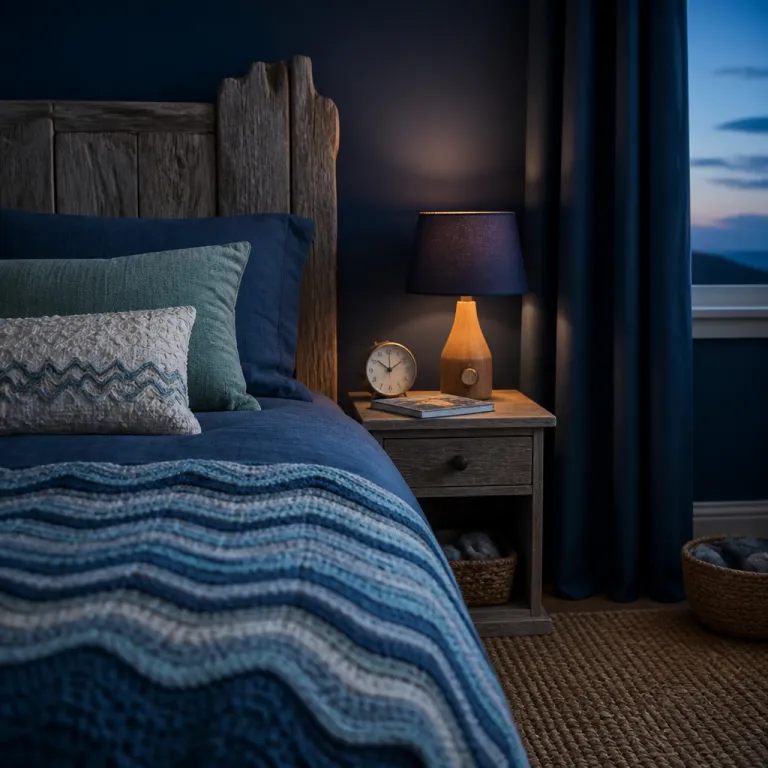
Parents sometimes worry that dim light will make bedtime feel gloomy, but the opposite often happens. Warm, low lighting creates a cozy atmosphere that supports calming activities like reading, which themselves help the circadian system wind down. Over time, the child associates this specific lighting with going to bed, and the internal clock starts preparing for sleep as soon as the scene activates.
It is important to remember that circadian lighting kids bedtime setups are not magic, but they are a powerful environmental tool. When combined with a consistent sleep schedule, limited screens before bed, and predictable routines, the right lighting helps the circadian rhythms of a child stay aligned with family life. For toddlers and preschoolers, earlier bedtimes and stricter light limits are usually needed, while older school age children may tolerate slightly brighter evening light if screens are reduced. The result is better sleep quality, fewer battles at bedtime, and a more stable internal clock that supports healthy development.
From a technical perspective, the most reliable setups in our testing used Zigbee based bulbs like Philips Hue or Ikea Tradfri, controlled through a dedicated bridge. These systems handled scheduled changes in light intensity and color temperature with fewer glitches than many Wi Fi bulbs, which sometimes missed commands and left rooms in bright light at the wrong time. For parents, that reliability directly affects children sleep, because a single night of unexpected bright light can reset the circadian clock and disrupt the circadian rhythm for days.
Data from sleep studies in children hospital settings and university labs consistently show that evening exposure to bright light delays melatonin onset. For example, research summarized by Harvard Medical School and guidance from the National Sleep Foundation and the American Academy of Pediatrics all highlight the impact of blue rich light on the circadian system and children sleep. While home environments are less controlled than a study room, the same circadian system principles apply to everyday children sleep routines. By using smart lighting to reduce evening light exposure and increase morning natural light cues, you are essentially running a small, personalized circadian lighting kids bedtime experiment in your own home.
Parents do not need to track every minute of sleep wake cycles with wearables to benefit from these principles. Instead, watch for simple behavioral signals, such as how long it takes for a child to fall asleep after lights out and how they behave at wake time. If bedtime drifts later or wake tantrums increase, adjust the timing of your scenes by 15 minutes and give the circadian rhythms a few days to adapt.
When troubleshooting, start with the basics: confirm that schedules are enabled, check that bulbs have power, and verify that the bridge or hub is online. If scenes fail randomly, update firmware, reduce Wi Fi congestion, or move the hub closer to the child bedroom to strengthen the signal. Ultimately, the goal is not perfect data but a stable pattern that feels sustainable. When the internal clock, the circadian system, and the household schedule are roughly aligned, children sleep tends to become more predictable. Smart lighting is just one tool, but when used thoughtfully, it can make the difference between a nightly struggle and a calm, repeatable circadian lighting kids bedtime routine.
Suggested sources for further reading :
- National Sleep Foundation – guidance on children sleep and light exposure
- American Academy of Pediatrics – recommendations on sleep hygiene for young children
- Harvard Medical School – summaries of circadian rhythm and blue light research