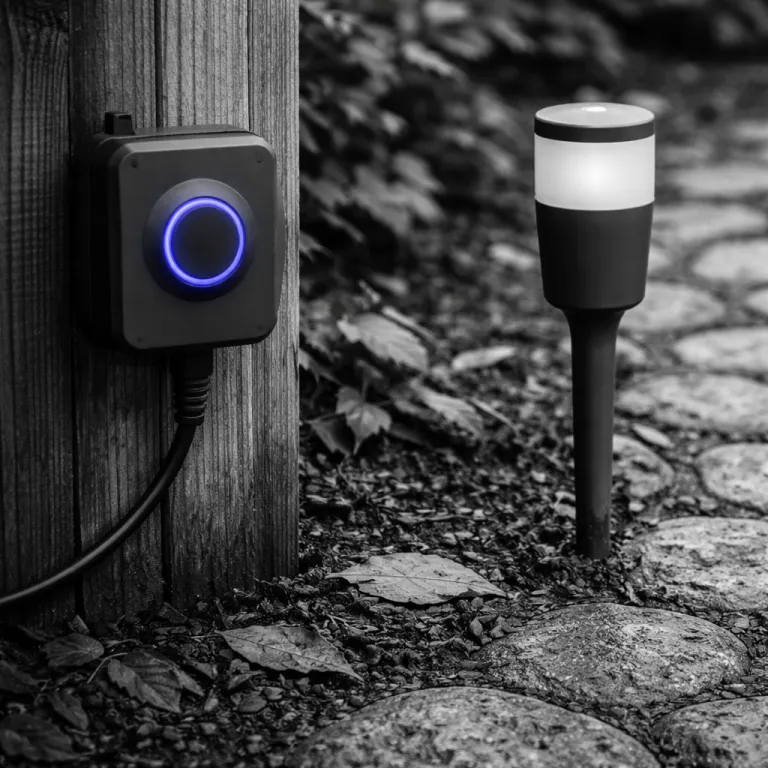
Why setting an outdoor lighting timer matters for safety and comfort
Learning how to set outdoor lighting timer controls starts with clear goals. A well planned lighting system improves safety around steps, paths, and entrances while also shaping the mood of your garden and terrace. When your outdoor lighting turns on and off automatically, you save time and avoid walking in the dark to reach a manual switch.
Think about where you need lights and how long they should stay on each day. A timer that will turn your lights on at dusk and off at a set time day after day reduces wasted power and protects fittings from overheating. By matching the lighting timer schedule to your lifestyle, you avoid leaving electric lights burning all night when nobody is outside.
Modern smart timer devices add flexibility for changing seasons and habits. You can set schedule profiles for weekdays and weekends, adjusting the current time and on off times without touching a wall timer or mechanical timers in the garage. This kind of timer smart approach is especially useful for outdoor landscape paths, where landscape lighting needs differ between short winter afternoons and long summer evenings.
Security is another strong reason to use timers instead of manual switches. A reliable timer switch that controls several outdoor lighting circuits makes your home look occupied even when you are away for a few days. If a power outage occurs, a high quality smart timer or switch timer can restore the programmed time day settings automatically, keeping your outdoor lighting system predictable and reassuring.
Understanding timer types for outdoor lighting and landscape systems
Before deciding how to set outdoor lighting timer programs, you need to understand the main timer types. Basic mechanical timers use a rotating dial current ring with small segments you push up or down to set on off periods. These mechanical timers are inexpensive and robust, but they require you to reset the current time after every power outage.
Digital smart timer models offer more precise control for outdoor lighting and landscape lighting. Many include dusk dawn functions that automatically adjust to the changing time day length across the seasons, so your lights will turn on at dusk without constant manual changes. Some timer smart products also connect to apps, allowing you to set schedule options remotely and monitor power use.
For built in solutions, a wall timer or in panel timer switch can control an entire lighting system. These devices are wired directly into the electrical circuit by a qualified electrician, which keeps the installation neat and protected from weather. When you use a switch timer in this way, one timer set can manage several outdoor landscape zones, from path lights to façade lights.
Specialized lighting timer units for landscape lighting often include photocells and weather resistant housings. A dusk dawn sensor measures the outdoor light level and triggers the timer when natural light falls below a threshold. This combination of electric timer and sensor means your outdoor lighting responds to real conditions, not just a fixed time, which is particularly useful in locations with variable cloud cover.
Planning your outdoor lighting timer schedule and locations
Good planning makes it easier to decide how to set outdoor lighting timer programs that match your routines. Start by walking around your property at dusk to see which outdoor areas feel too dark and which already receive enough ambient lighting from nearby buildings. Note each location where you want lights and group them into zones such as entrance, driveway, terrace, and garden path.
For each zone, decide what time day you want the lights to turn on and off. Entrance and driveway lights might use a dusk dawn schedule, while terrace lights could be on a fixed timer set that switches off before midnight. Landscape lighting around trees and features may only need a few hours of power in the evening, which you can manage with a dedicated lighting timer or smart timer channel.
Check the electrical layout before buying timers or timer switches. If several outdoor lighting circuits share one breaker, a single wall timer or switch timer may control them all, which is efficient but less flexible. When you want independent control, ask an electrician whether the lighting system can be divided into separate electric circuits, each with its own timer smart device.
Think about resilience as well as convenience when you plan. Choose timers that remember the current time and programs after a power outage, either through an internal battery or non volatile memory. This ensures your outdoor landscape lights will turn on reliably every day without constant manual resetting of the dial current or digital clock.
Step by step : how to set an outdoor lighting timer correctly
Once you have chosen your device, the practical steps for how to set outdoor lighting timer controls are straightforward. For a mechanical timer, first plug it into a safe outdoor rated socket or have it wired by an electrician if it is a hardwired model. Then rotate the dial current ring until the arrow aligns with the current time, making sure you respect the 24 hour markings.
Next, decide when you want the lights to turn on and off each day. Push down the segments on the dial that correspond to the hours when the outdoor lighting should receive power, leaving the other segments up so the timer will cut power. Finally, plug your lights into the timer, switch the side selector to timer mode instead of always on, and your basic lighting system is ready.
For a digital smart timer or wall timer, start by setting the current time and date using the buttons on the front. Then create one or more programs that define when the timer switch will turn the lights on and off, choosing specific days of the week if your schedule varies. Many timer smart models let you copy one program to multiple days, which simplifies complex outdoor landscape routines.
If your device supports dusk dawn operation, enable that mode for zones where natural light is the best guide. In this case, the lighting timer uses a sensor or internal table of sunset times to decide when the lights will turn on, while you still choose the off time. Always test the system after programming by forcing a manual on off cycle, confirming that each timer set behaves as expected before relying on it every night.
Integrating smart timers and connected lighting into your home system
Connected devices change how to set outdoor lighting timer routines because they add remote control and automation. A smart timer that links to your home Wi Fi or hub lets you adjust the time day schedule from your phone, even when you are away. This is particularly helpful after a power outage, when you can quickly confirm that each switch timer or wall timer has the correct current time.
When you combine smart outdoor lighting with voice assistants, you gain extra flexibility. You can keep an automatic set schedule for most days while still asking the system to turn the terrace lights on for a late evening gathering. For readers interested in advanced options, this white ambiance smart lighting system illustrates how dimming and scene control can extend from indoor rooms to outdoor landscape areas.
Smart lighting timer products often integrate with sensors such as motion detectors and dusk dawn photocells. In a typical lighting system, the timer provides the overall time window, while a motion sensor triggers the lights within that window to save power. This layered approach ensures the lights will turn on only when needed, reducing electric consumption without sacrificing safety.
Always respect electrical safety rules when adding smart devices to outdoor circuits. Use weather rated enclosures, check that the power rating of each timer best matches the total load of your lights, and consult an electrician if you are unsure about wiring. By combining robust hardware with thoughtful programming, you create an outdoor lighting system that feels both intelligent and dependable throughout the year.
Maintenance, troubleshooting, and when to call an electrician
Even a well designed setup for how to set outdoor lighting timer controls needs occasional checks. Inspect your outdoor lighting and landscape lighting every few months to confirm that all lights turn on and off at the expected time day after day. If you notice irregular behaviour, first verify the current time on each lighting timer or smart timer, especially after storms or a recent power outage.
Mechanical timers can drift slightly or suffer from worn gears over time. If the dial current no longer aligns with reality, or if the timer set fails to cut power reliably, replacement is usually better than repair. For digital timer smart models, check the backup battery and reset the device to factory settings before reprogramming the schedule.
When troubleshooting, isolate whether the issue lies with the timer switch, the lights, or the electrical supply. Test the lights by bypassing the timer and connecting them directly to power, confirming that the lighting system itself is sound. If the lights work without the timer but fail when the switch timer is in place, the problem likely sits with the timer best choice or its wiring.
Outdoor electrical work carries risks, so know your limits and call an electrician when needed. Any modification to fixed wiring, such as installing a new wall timer or adding circuits for outdoor landscape zones, should follow local regulations and safety standards. A qualified professional can ensure that your outdoor lighting, timers, and power connections remain safe, efficient, and compliant for many years of reliable service.
Key statistics about outdoor lighting timers and smart systems
- Upgrading from manual switches to timers for outdoor lighting typically reduces nightly operating hours by 25 to 40 percent, depending on user habits and time day patterns.
- Households that use dusk dawn sensors combined with a lighting timer often report energy savings of 15 to 30 percent on exterior electric lighting costs.
- In many residential projects, a single smart timer or timer switch can manage between 300 and 600 watts of landscape lighting without exceeding power ratings.
- Surveys of homeowners with outdoor landscape lighting show that more than half experience at least one power outage per year that requires checking the current time on their timers.
- Field tests indicate that modern timer smart devices with non volatile memory retain their timer set schedules for several years without needing reprogramming after outages.
Common questions about outdoor lighting timers
How do I choose the right timer for my outdoor lighting system ?
Start by listing the total power of your lights and the number of zones you want to control. Choose a lighting timer or smart timer with a power rating above your total load and enough channels for each zone. Then decide between mechanical timers, digital wall timers, or connected timer smart models based on how often you plan to adjust the schedule.
What happens to my timer settings after a power outage ?
Basic mechanical timers usually stop when power fails, so the dial current no longer matches the real time day and must be reset. Many modern timer switch and smart timer products include backup batteries or memory that preserve the current time and programs. When buying, check the specifications to ensure your outdoor lighting system will turn back on correctly after outages.
Can one timer control both my entrance lights and landscape lighting ?
Yes, a single switch timer or wall timer can manage several circuits if wired appropriately and if the combined power stays within the device rating. However, using one timer set for all outdoor lighting means every location follows the same schedule. For more flexibility, consider separate timers or a multi channel smart timer for different outdoor landscape zones.
Is a dusk dawn sensor better than a fixed time schedule ?
A dusk dawn sensor automatically adapts to seasonal changes in natural light, so your lights will turn on when it actually gets dark. A fixed time schedule is simpler but may waste power in summer when dusk arrives later than your programmed time. Many homeowners achieve the best balance by combining a dusk dawn function for switch on with a fixed off time on their lighting timer.
When should I call an electrician for my outdoor lighting timer project ?
You should contact an electrician whenever the work involves fixed wiring, new circuits, or modifications inside your electrical panel. Plug in mechanical timers and basic smart timer plugs are usually safe for homeowners, but hardwired wall timers and complex lighting system upgrades require professional skills. A qualified electrician ensures that your outdoor lighting, timers, and power connections meet safety codes and operate reliably.
Sources : International Energy Agency, Illuminating Engineering Society, National Electrical Contractors Association.