Understanding what is inside light in everyday smart bulbs
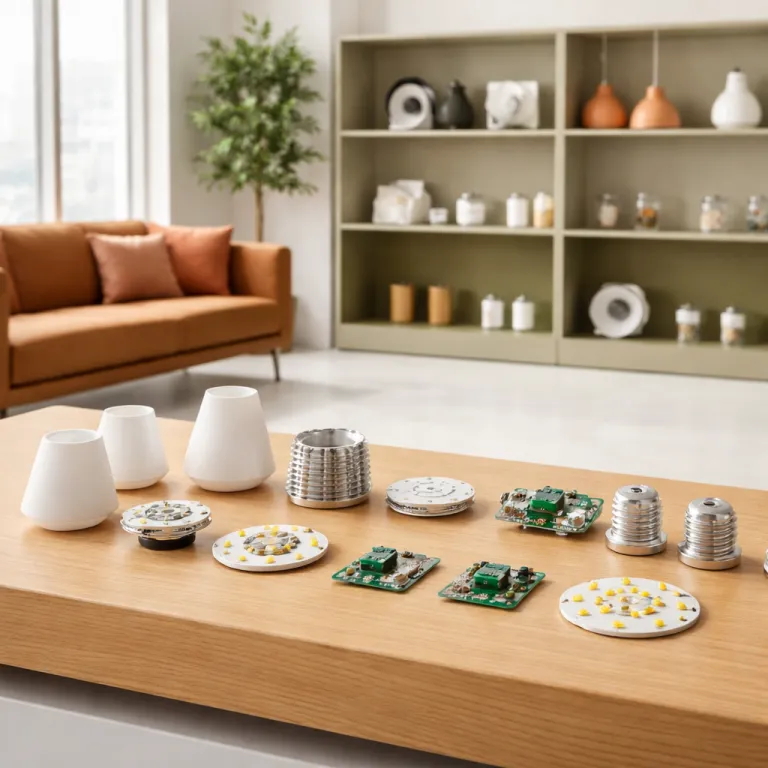
To understand what is inside light in a smart bulb, you first need to picture the bulb as a compact electronic system. Inside the light bulb housing, several components work together so that electric current can produce light in a controlled and efficient way. These parts are arranged to manage power, color, heat, and wireless communication.
In a typical LED light bulb, the visible light comes from several small semiconductor leds mounted on a board. When current flows through these leds, they produce light by releasing energy as photons instead of heating a metal filament like an incandescent light. This difference in how leds work explains why LED lighting technologies use less energy and generate less heat than traditional bulbs.
Alongside the leds, you will find a driver that regulates the electric current and protects the light sources from voltage fluctuations. This driver ensures the leds work within safe limits, so the light bulbs last longer and maintain stable color light output. In smart light bulbs, a tiny radio module or chip is also inside, which allows the bulb to work with apps, voice assistants, and hubs over Wi-Fi, Bluetooth, or Zigbee.
The outer shell of the bulb, often made from plastic or glass, shapes the beam and protects the interior lights from dust and shocks. Beneath this shell, a heat sink made of metal spreads and dissipates heat away from the leds to keep the temperature under control. All these elements together explain what is inside light when you look beyond the simple glow of modern bulbs.
From incandescent light to leds work : how different bulbs produce light
When you compare what is inside light from different eras, the contrast between incandescent light and LED light is striking. In a classic bulb incandescent design, a thin metal filament stretches between two supports, and electric current flows through it until it becomes so hot that it starts to produce light. This process wastes a lot of energy as heat, which is why incandescent bulbs feel very hot to the touch.
Fluorescent bulbs work in a different way, using a gas filled tube and a coating that converts ultraviolet radiation into visible light. Inside these fluorescent light sources, an electric current excites mercury vapor, which then emits ultraviolet photons that strike the coating and produce light in the visible spectrum. This method is more energy efficient than incandescent light but still less efficient and less compact than leds work in modern lamps.
In LED light bulbs, there is no gas and no glowing filament, only solid state components. The leds work by allowing electrons to recombine in a semiconductor junction, and this quantum process directly produces visible light with far less wasted heat. Because of this, LED lighting technologies can reach high efficiency levels, long lifetimes, and very compact bulb shapes.
Smart light bulbs build on this LED foundation by adding control electronics and wireless chips. These additions do not change how the leds produce light, but they allow you to adjust color light, brightness, and schedules from your phone. Understanding these differences helps explain what is inside light bulbs across technologies and why some lights feel hot while others stay cool.
Inside smart interior lights : chips, sensors, and color control
Smart interior lights hide surprisingly complex electronics behind a simple bulb or panel. At the heart of these light bulbs, a microcontroller coordinates how the leds work, how the driver manages electric current, and how wireless signals are processed. This small chip is effectively the brain that decides how the light sources respond to your commands.
To create tunable white and rich color light, many smart bulbs use multiple leds in different colors mounted together. By varying how much current flows through each group of leds, the system can produce light that ranges from warm white to cool white and even saturated colors. This is how a single light bulb can imitate incandescent light, fluorescent tones, or daylight style lighting depending on your interior needs.
Some advanced interior lights also integrate sensors that measure temperature or detect whether the bulb is overheating. These sensors help the driver reduce power if heat becomes too high, protecting the leds and extending the life of the bulbs. In this way, thermal management becomes a crucial part of what is inside light when you want reliable smart lighting.
Wireless modules inside smart light bulbs allow them to join a home network and interact with other lights. When several bulbs work together in a room, you can create scenes that adjust every light source at once for reading, relaxing, or working. For a detailed example of such smart car lighting style control applied indoors and outdoors, you can review this test of a connected wall light at a smart indoor and outdoor wall light with controllable beams.
What is inside light in car lighting and dome lights
When you look at what is inside light in a car, you find both old and new technologies. Traditional car lighting often relied on a bulb incandescent design, where a metal filament glows to produce light for headlights and interior lights. These incandescent light sources are robust but inefficient, converting much of their energy into heat instead of visible light.
Modern car lighting increasingly uses LED light for headlights, brake lights, and courtesy lights. In these systems, multiple leds work together on a circuit board, and a driver regulates the electric current so that each light bulb equivalent module operates safely. Because LEDs produce light more efficiently and handle vibration better than a fragile filament, they are ideal for the demanding environment inside a car.
Inside dome lights and other interior lights, manufacturers now combine leds with diffusers to create soft, even lighting. The current flows through small LED packages that are often hidden behind plastic covers, so you only see a smooth patch of visible light rather than individual points. This design improves comfort, reduces glare, and lowers energy consumption when the car is parked.
Courtesy lights in doors and footwells also benefit from compact LED light sources. These small lights work with sensors and control units that decide when to turn them on, for example when you unlock the car or open a door. Understanding what is inside light in these systems shows how the same principles of drivers, leds, and heat management apply to both household bulbs and car lighting.
Heat, energy, and safety inside modern light sources
Energy efficiency and heat management are central to what is inside light in any modern system. In incandescent light bulbs, most of the energy becomes heat in the metal filament, which is why these bulbs work at very high temperatures and waste electricity. By contrast, LED lighting technologies convert a much larger share of electric current into visible light, so the bulbs stay cooler and use less power.
Even though leds work more efficiently, they still generate some heat that must be managed. Inside an LED light bulb, a metal heat sink draws heat away from the leds and spreads it into the surrounding air. If this heat is not controlled, the color light output can shift, and the life of the light bulb can shorten significantly.
Drivers and control circuits also play a role in safety by limiting how much current flows through the leds. When several bulbs work in an enclosed fixture or tight interior, temperature can rise quickly, so these protections prevent damage or early failure. This is especially important in compact fixtures, car lighting assemblies, and sealed dome lights where airflow is limited.
From a user perspective, understanding what is inside light helps you choose safer and more efficient products. LED light sources with good thermal design will produce light consistently over many years while keeping surfaces cooler to the touch. This combination of lower energy use, reduced heat, and stable performance is why many experts recommend replacing older incandescent light and fluorescent bulbs with quality LED options.
How bulbs work together in smart interior lighting ecosystems
In a connected home, what is inside light extends beyond a single bulb to an entire ecosystem. Each smart light bulb contains leds, a driver, and a wireless chip, but the real power appears when many lights work together under a central app or hub. This networked approach allows you to coordinate interior lights, exterior fixtures, and even car lighting in a garage for seamless experiences.
Within such systems, scenes and automations control how much current flows to each group of leds in different rooms. For example, morning scenes might produce light that is cooler and brighter, while evening scenes shift color light toward warmer tones that resemble incandescent light. The same physical light sources inside each bulb can therefore support many moods and tasks without changing hardware.
Interoperability is another important aspect of what is inside light in smart ecosystems. The chips and software inside light bulbs must follow common protocols so that bulbs work reliably with routers, voice assistants, and sensors. When this integration is done well, interior lights, dome lights, and courtesy lights in hallways can all respond automatically to motion or schedules.
As lighting technologies evolve, manufacturers continue refining how leds work, how drivers manage electric current, and how heat sinks protect components. The goal is to create light bulbs and light sources that produce light more naturally, with better color rendering and smoother dimming. For people seeking information, understanding these inner workings clarifies why some lights feel more comfortable, efficient, and responsive than others in daily life.
Key statistics about smart light and modern lighting
- Upgrading from incandescent light bulbs to LED light sources can reduce household lighting energy use by more than half in many typical homes.
- Well designed LED light bulbs often last several times longer than traditional bulb incandescent products, significantly lowering replacement frequency.
- Smart interior lights that use sensors and schedules can cut unnecessary lighting time, improving overall energy efficiency in residential buildings.
- In modern car lighting systems, LEDs now dominate new vehicle designs for headlights, dome lights, and courtesy lights due to durability and efficiency.
Questions people also ask about what is inside light
What is inside a modern LED light bulb ?
A modern LED light bulb contains multiple leds on a circuit board, a driver that regulates electric current, a heat sink, and often a diffuser. In smart bulbs, wireless chips and microcontrollers are also inside to manage color light and connectivity. All these parts work together so the leds work safely and produce light efficiently.
How do incandescent and LED light sources differ inside ?
Incandescent light bulbs use a metal filament that glows when current flows through it, generating a lot of heat. LED light sources instead use semiconductors where electrons recombine to produce visible light with much less wasted energy. This difference in how bulbs work explains why LEDs stay cooler and last longer.
Why do some light bulbs get very hot while others stay cool ?
Bulb incandescent designs convert most of their energy into heat, so the glass becomes very hot. LED lighting technologies are more efficient, so a larger share of the electric current becomes visible light instead of heat. Good heat sinks inside LED light bulbs further reduce surface temperature and protect the leds.
What makes smart interior lights different from regular bulbs ?
Smart interior lights include extra electronics such as microcontrollers, wireless modules, and sometimes sensors. These components allow several bulbs work together in groups, adjust color light, and respond to apps or voice commands. The basic leds work similarly, but the added control turns simple light sources into flexible lighting systems.
Are LED light sources safe for use in cars and enclosed fixtures ?
LED light sources are generally safe for car lighting and enclosed fixtures when designed with proper drivers and heat management. The current flows through leds at controlled levels, and heat sinks help keep temperatures within safe limits. Choosing quality products ensures that dome lights, courtesy lights, and interior lights operate reliably over time.